
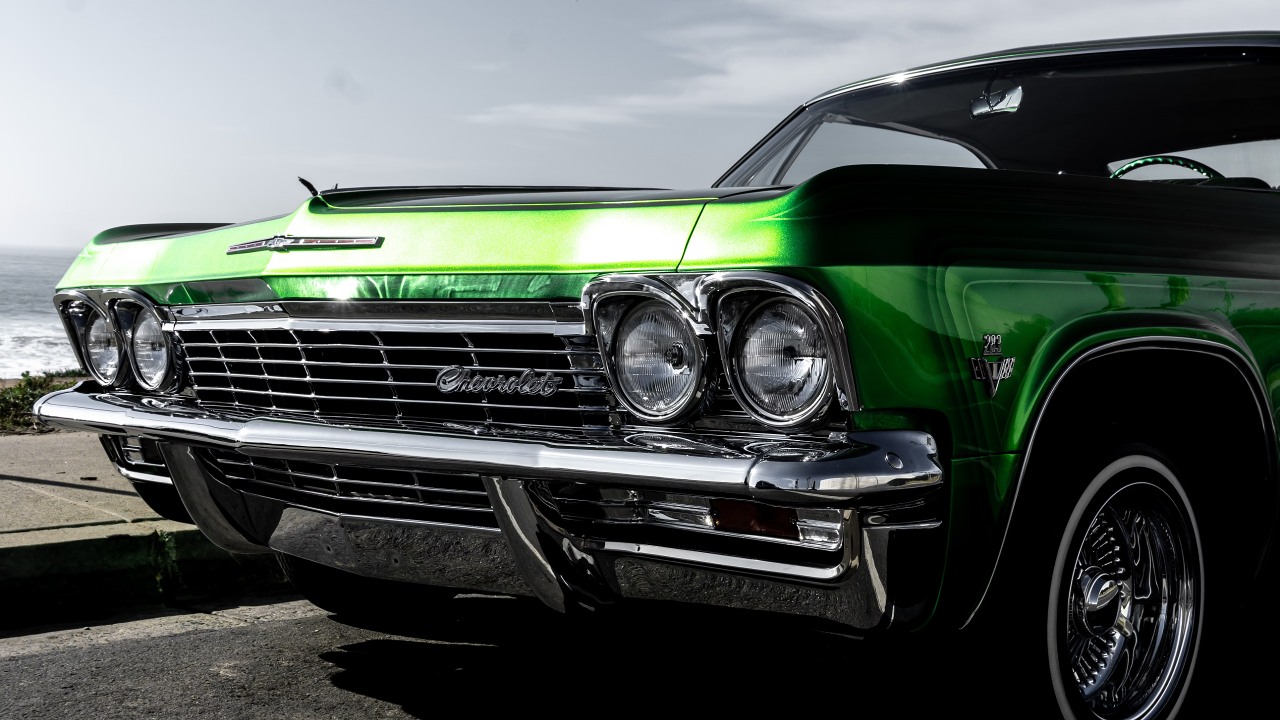
The muscle car era of the 1960s and 1970s is renowned for its iconic V8 engines, but many underrated powerplants played crucial roles in shaping automotive performance. From torque-rich designs to innovative engineering feats, these engines contributed significantly to the muscle car landscape. Here, I take a closer look at ten lesser-known engines that, despite their obscurity, deserve recognition for their innovation, power, and influence.
1. Pontiac 400 V8
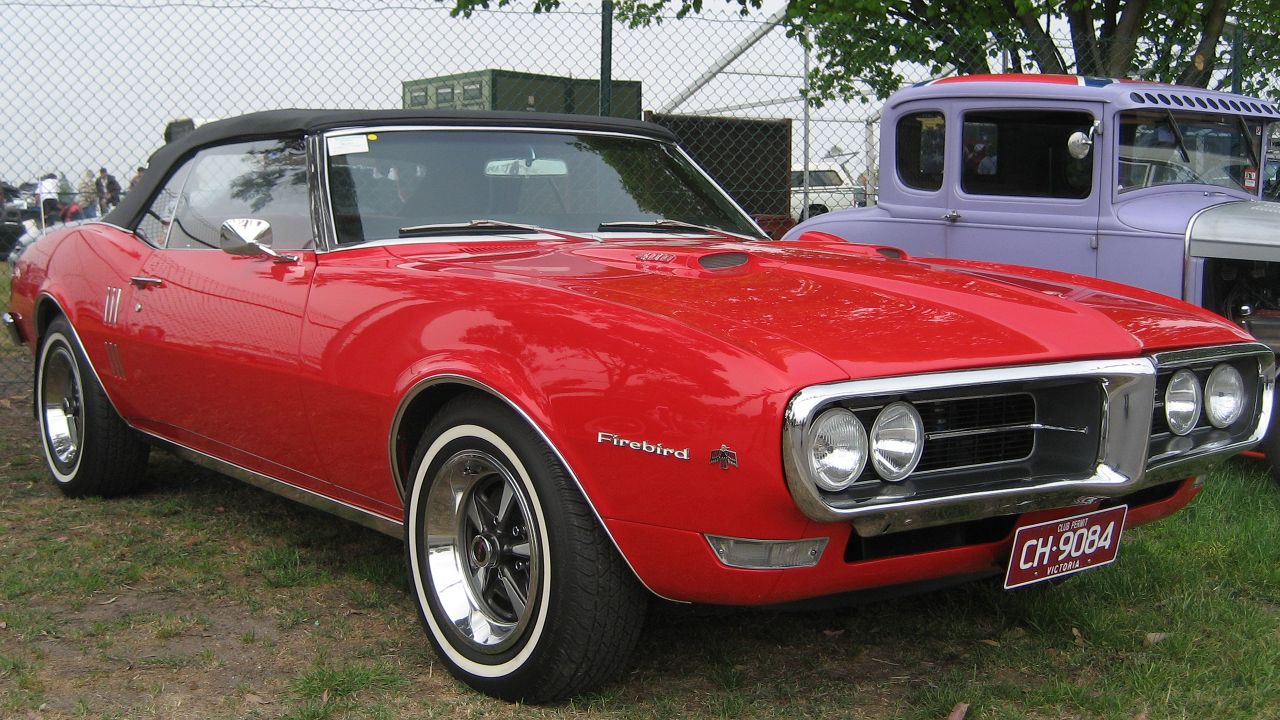
The Pontiac 400 V8 is often overshadowed by its more famous contemporaries, yet it was a cornerstone of Pontiac’s muscle car reputation. Introduced in 1967, this engine combined a robust design with impressive torque, making it a favorite among performance enthusiasts. It was the heartbeat of legendary models like the Firebird and GTO, both of which showcased the engine’s capabilities on and off the racetrack.
With a displacement of 400 cubic inches, the Pontiac 400 produced up to 370 horsepower in its most potent form. Its performance was characterized by a broad torque band, allowing for spirited acceleration and a thrilling driving experience. The engine’s versatility meant it could be found in various configurations across Pontiac’s lineup, further solidifying its status as a performance powerhouse. The Pontiac 400 was instrumental in establishing the brand’s reputation for muscle cars, and its legacy continues to be celebrated by collectors and enthusiasts alike.
2. Chrysler 383 V8
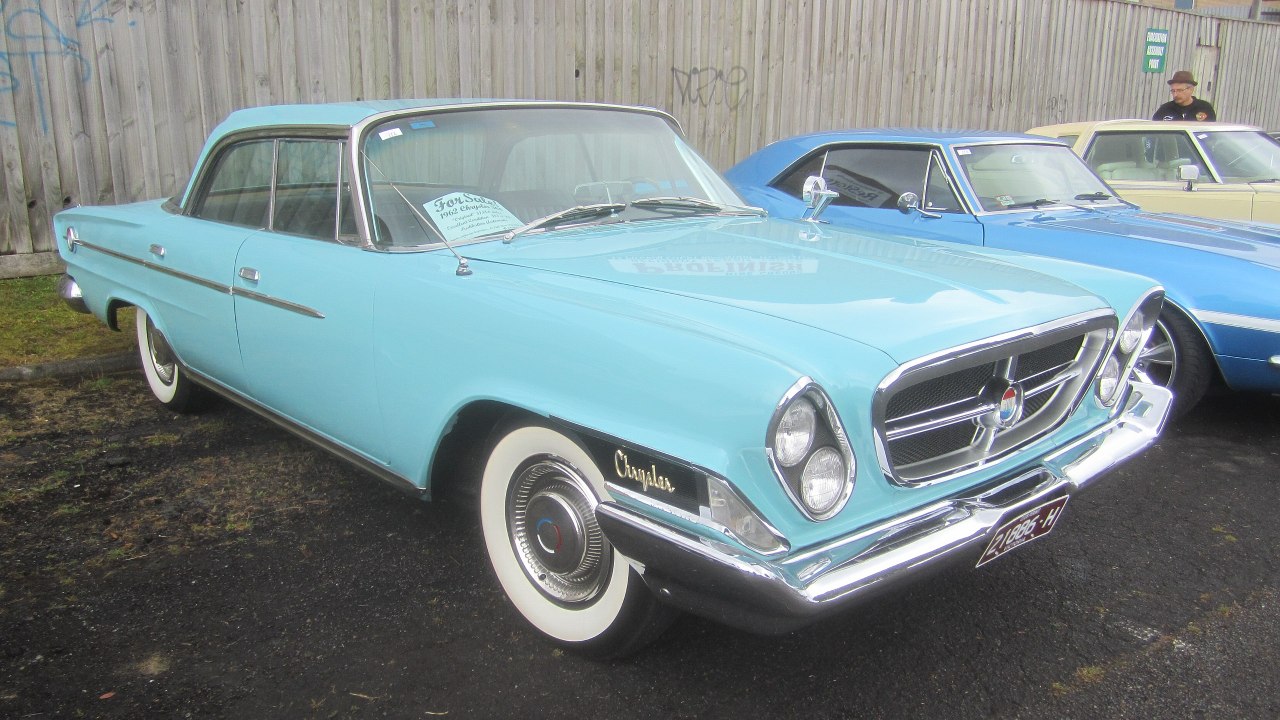
The Chrysler 383 V8 is another underrated powerhouse that deserves more recognition. Launched in 1966, this engine offered a perfect mix of power and efficiency, making it a popular choice for various Chrysler models, including the Dodge Charger and Plymouth Road Runner. Though often overshadowed by the larger 440 and Hemi engines, the 383 was celebrated for its tunability and performance potential.
With a displacement of 383 cubic inches, this engine produced between 290 and 335 horsepower, depending on the configuration. Its solid performance made it a favorite among enthusiasts who appreciated its ability to be easily modified for even greater power output. The 383’s balance of torque and horsepower allowed it to perform well on the street and the track, cementing its place in the annals of muscle car history.
3. Oldsmobile 455 V8
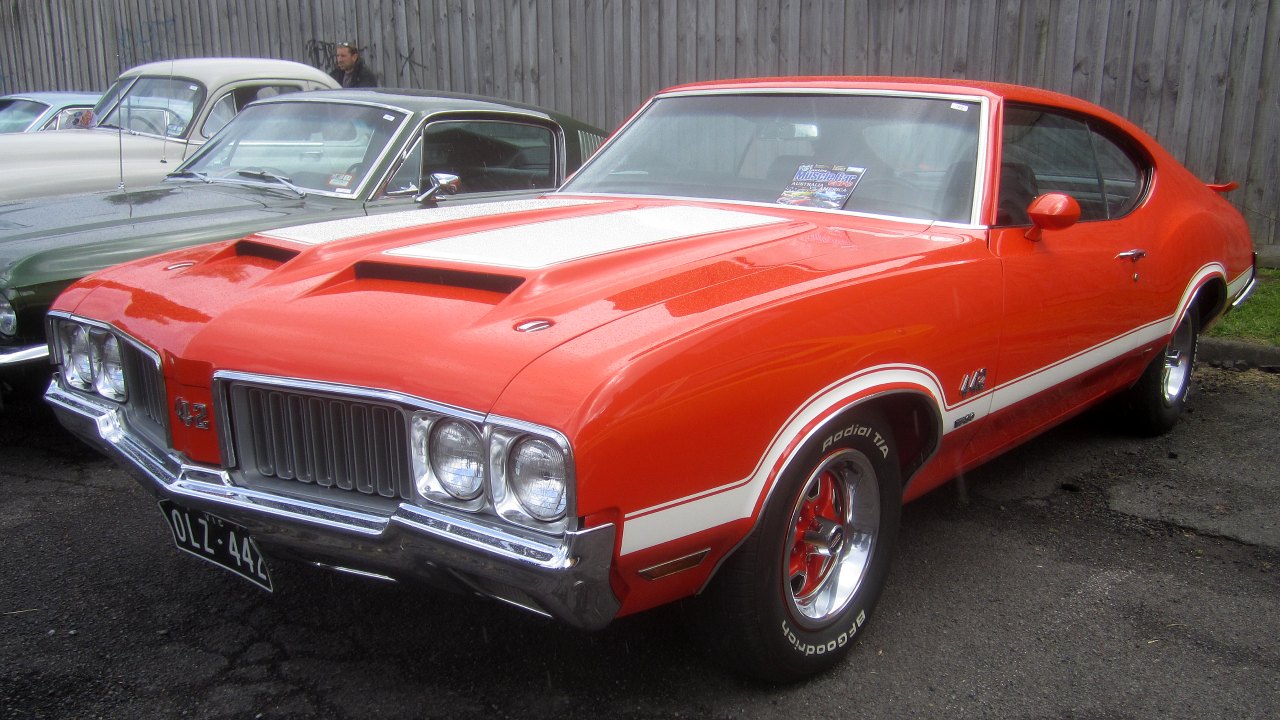
The Oldsmobile 455 V8 is a unique entry in the muscle car pantheon, known for its impressive torque and distinctive design. First introduced in 1968, this engine quickly became a staple in the Oldsmobile lineup, particularly in the beloved 442 model. Its large displacement delivered massive low-end torque, making it an ideal choice for drivers who craved thrilling acceleration.
With its 455 cubic inches, the engine produced up to 365 horsepower and an astonishing 500 lb-ft of torque in some configurations. This made the Oldsmobile 455 a formidable competitor on the drag strip, where it showcased its capabilities in various racing formats. Its popularity among muscle car fans can be attributed to its smooth power delivery and the unique character it brought to the driving experience. Many enthusiasts still seek out the Oldsmobile 455 for its performance and distinctive sound.
4. Ford 351 Cleveland
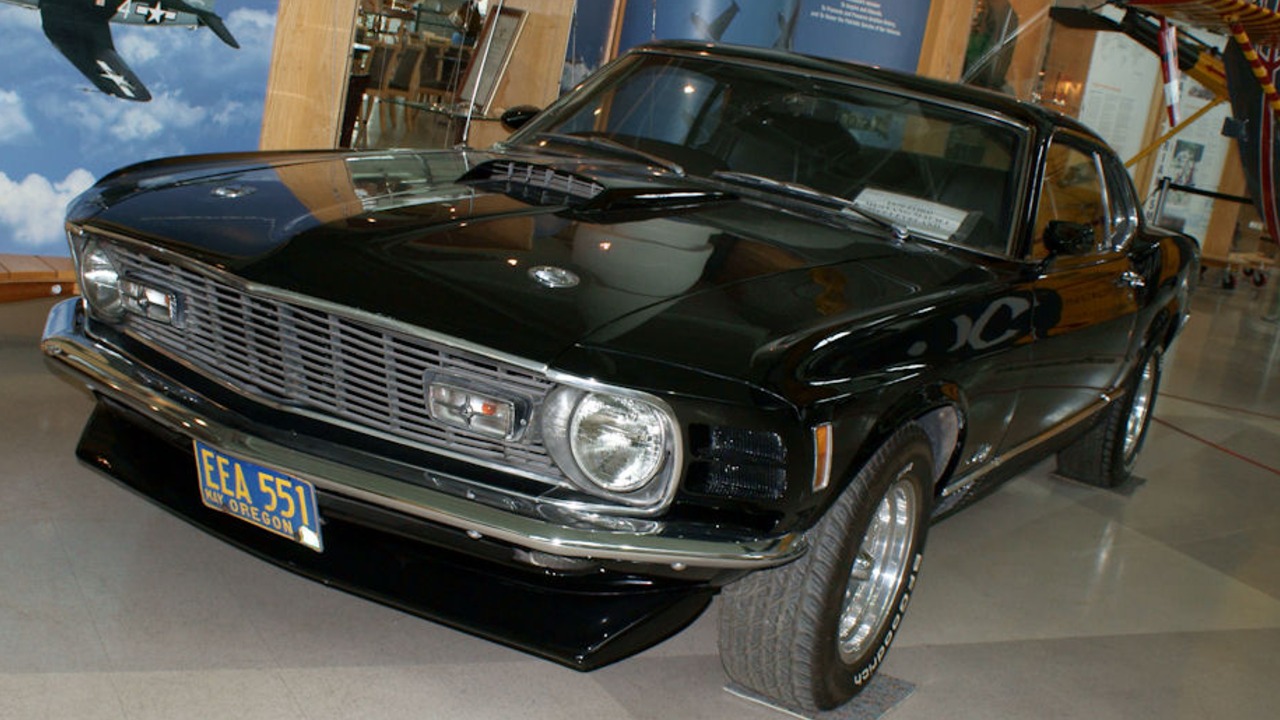
The Ford 351 Cleveland is often regarded as one of the most innovative engines of the muscle car era. Released in 1970, this engine was designed with performance in mind, featuring a high-revving capability that set it apart from its predecessors. Found in models like the Mustang and the Falcon, the 351 Cleveland quickly gained a reputation for delivering solid performance on the street and the track.
With a displacement of 351 cubic inches, the Cleveland engine was capable of producing between 266 and 300 horsepower, depending on the configuration. Its unique design incorporated larger ports and a higher compression ratio, allowing it to breathe better and generate more power. The engine’s lightweight construction and high-revving nature made it a favorite for racers and performance enthusiasts looking for a competitive edge. The 351 Cleveland remains a sought-after engine for restorations and builds today, reflecting its enduring legacy in the muscle car community.
5. Buick 455 V8
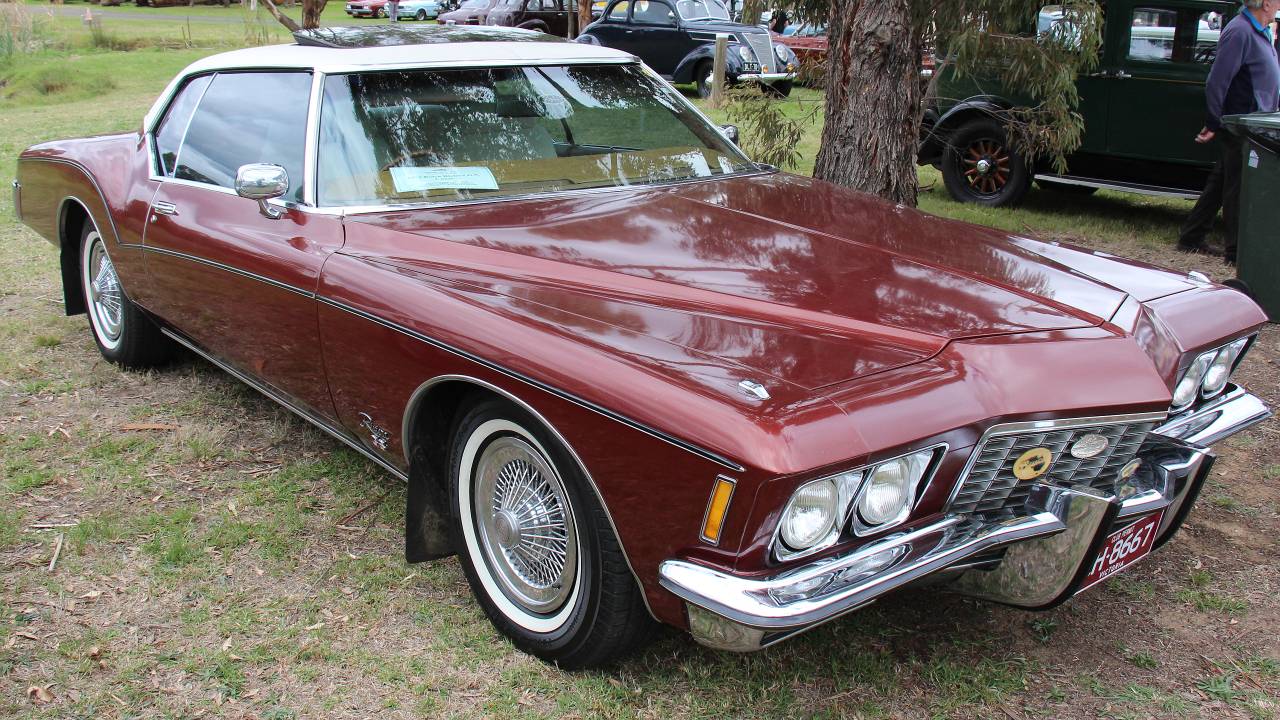
The Buick 455 V8 is often overlooked in discussions of muscle car engines, yet it played a significant role in the performance landscape of the era. Known for its exceptional low-end torque, this engine was a favorite among drivers seeking a thrilling street performance experience. It was prominently featured in the Buick Gran Sport (GS) models, where it showcased its impressive capabilities.
With a displacement of 455 cubic inches, the Buick 455 produced up to 360 horsepower and 510 lb-ft of torque in some configurations, making it one of the most powerful engines of its time. Its ability to deliver strong low-end power made it ideal for quick acceleration, while its smooth operation contributed to a refined driving experience. The Buick 455’s reputation for reliability and performance ensured its place in the hearts of muscle car enthusiasts, and it remains a popular choice for those looking to restore classic Buicks.
6. AMC 390 V8
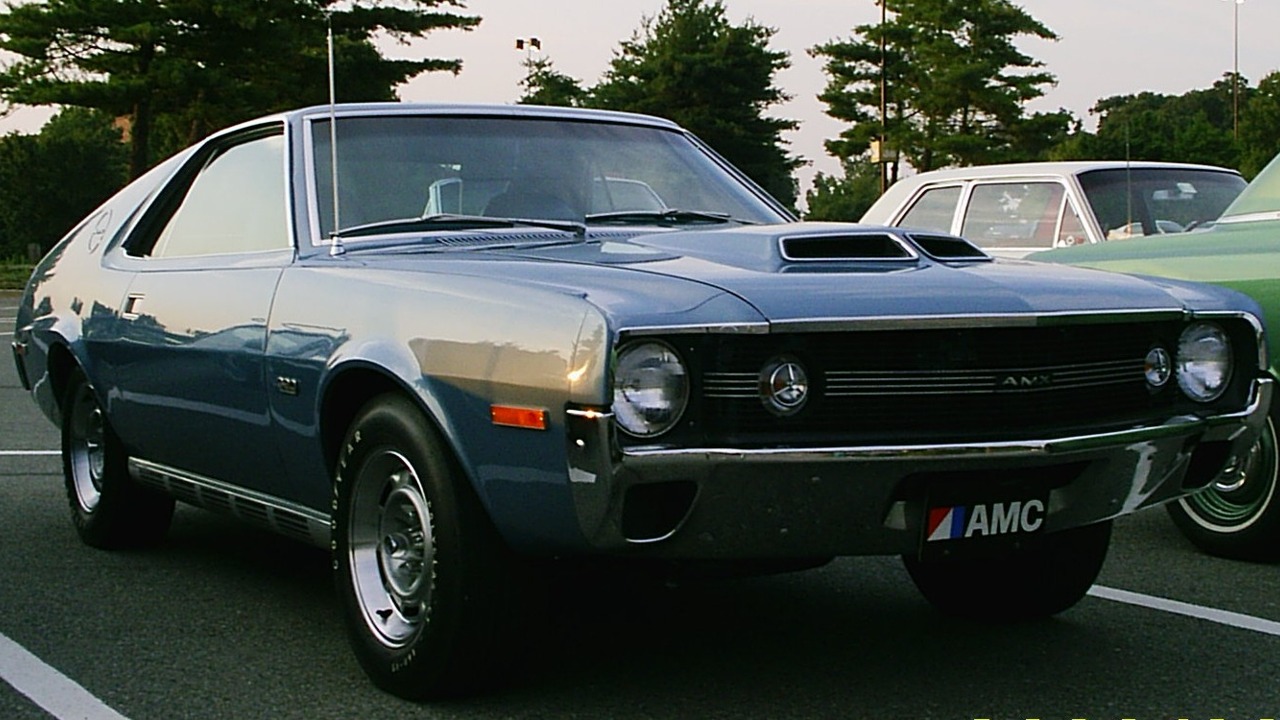
The AMC 390 V8 is a lesser-known engine that deserves recognition for its performance credentials. Produced from 1967 to 1970, this engine was a key player in the muscle car offerings from American Motors Corporation (AMC), particularly in models like the Javelin and AMX. Despite AMC’s smaller stature in the automotive world, the 390 V8 provided a competitive edge in the muscle car market.
With a displacement of 390 cubic inches, the AMC 390 produced up to 360 horsepower and 420 lb-ft of torque in its most potent form. This engine was notable for its robust design and strong performance, making it a favorite among drag racers and enthusiasts alike. Its reliability and tunability allowed for various modifications, enhancing its appeal among performance enthusiasts. The AMC 390 V8 may not be as widely recognized as some of its rivals, but its contributions to the muscle car scene should not be overlooked.
7. Chevrolet 307 V8
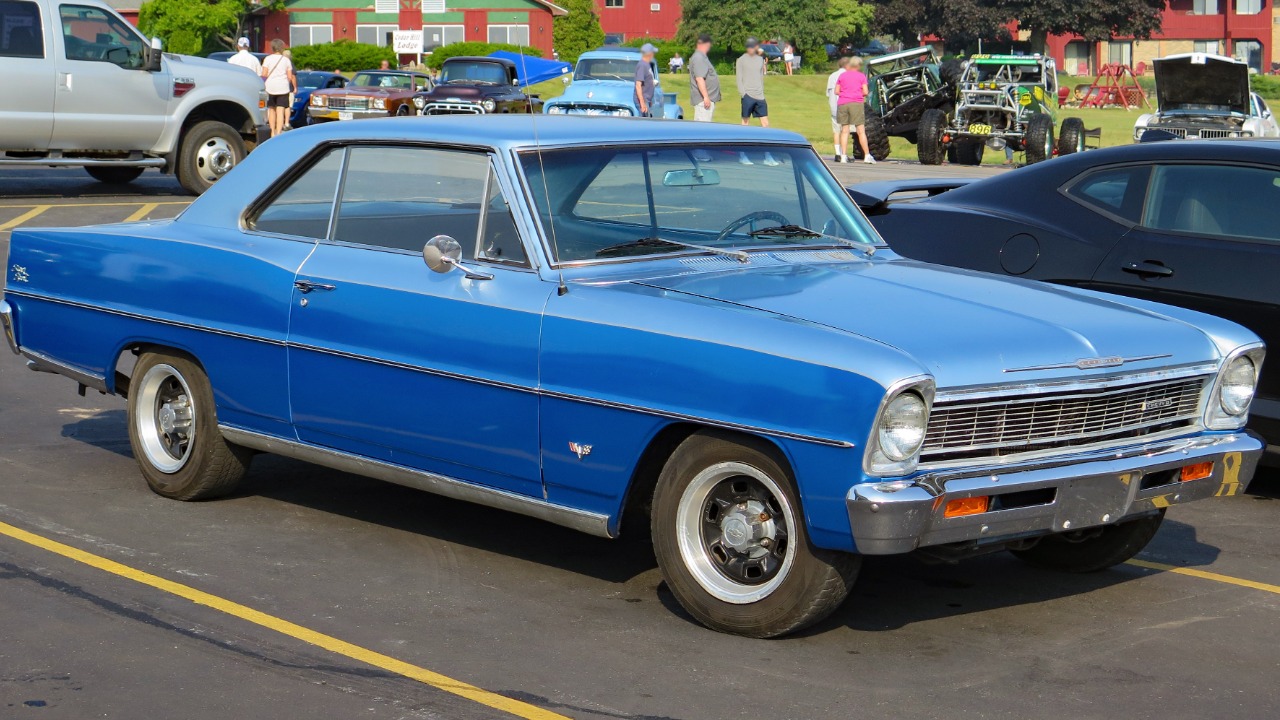
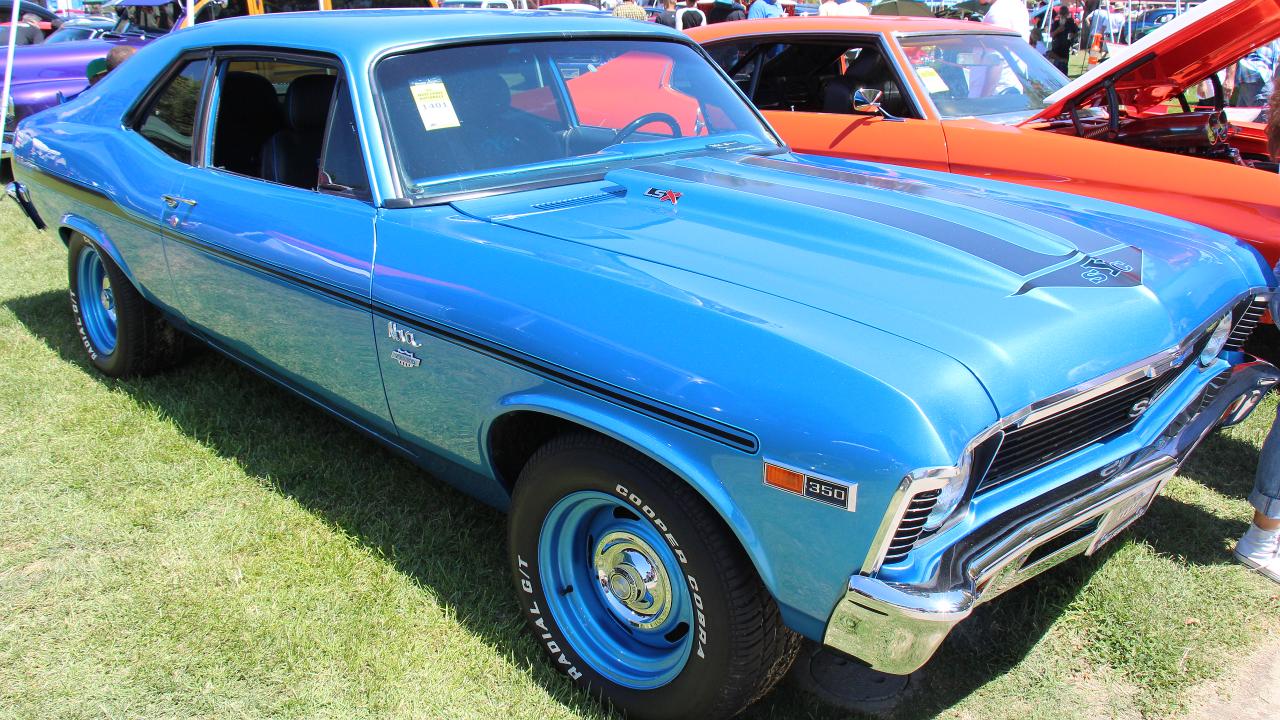
The Chevrolet 307 V8 is often overshadowed by its larger siblings, but it played an essential role in the muscle car landscape. Introduced in 1968, this engine was a popular choice for lightweight muscle cars, providing a well-balanced blend of power and efficiency. It found its way into various models, including the Chevy II and early Camaro, offering a unique driving experience.
With a displacement of 307 cubic inches, the Chevrolet 307 produced around 200 to 250 horsepower, depending on the configuration. While it may not have had the raw power of larger V8s, its lightweight design made it an appealing option for drivers looking for nimble handling and spirited acceleration. The 307 was known for its reliability and ease of maintenance, making it a practical choice for everyday driving. Its contributions to the muscle car era may be understated, but it remains a noteworthy engine in the history of American performance.
8. Dodge 440 V8
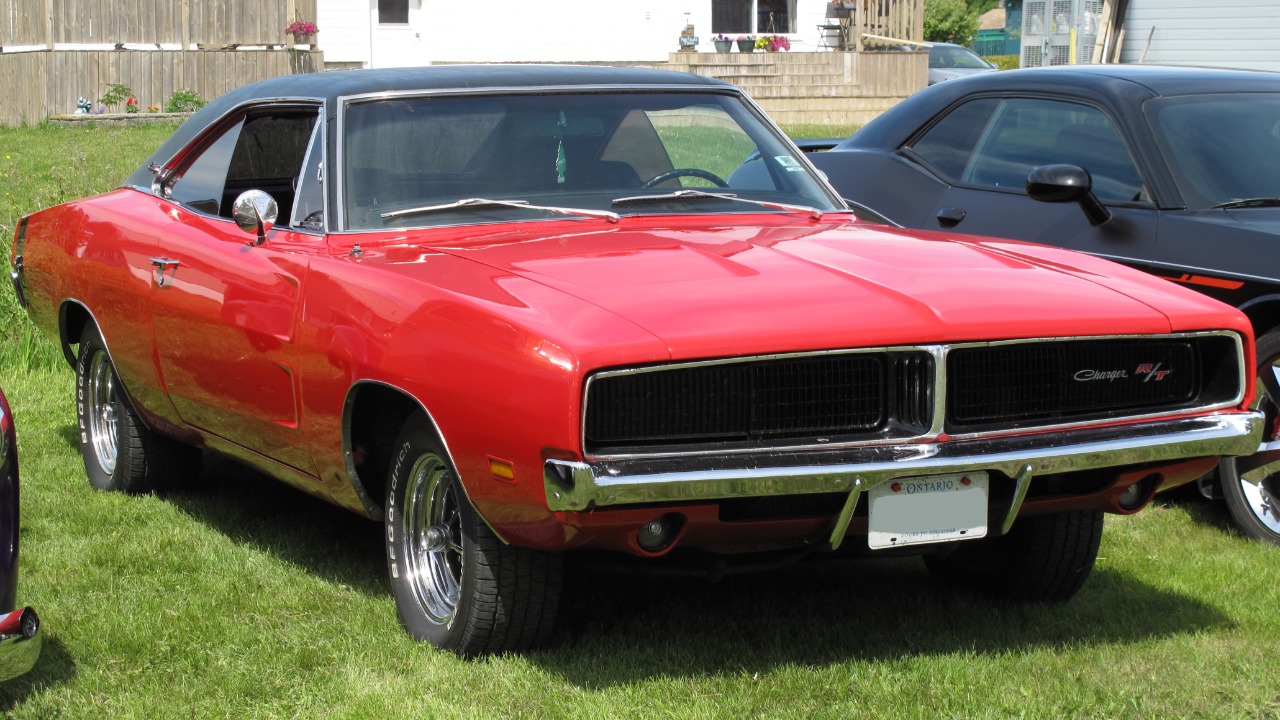
The Dodge 440 V8 is a powerful engine that strikes a remarkable balance between performance and drivability. Launched in the mid-1960s, this engine quickly became a popular choice for drivers seeking both power and comfort. It was used in various models, including the Dodge Charger and the Plymouth Road Runner, showcasing its versatility across different applications.
With a displacement of 440 cubic inches, the Dodge 440 produced between 375 and 390 horsepower, depending on the version. Its robust design and substantial torque made it an excellent choice for both street and strip applications. The engine’s reputation for reliability contributed to its popularity, ensuring that it remained a favorite among enthusiasts. The Dodge 440 V8 is often celebrated for its smooth power delivery, making it a well-rounded option in the muscle car lineup.
9. Mercury 390 V8
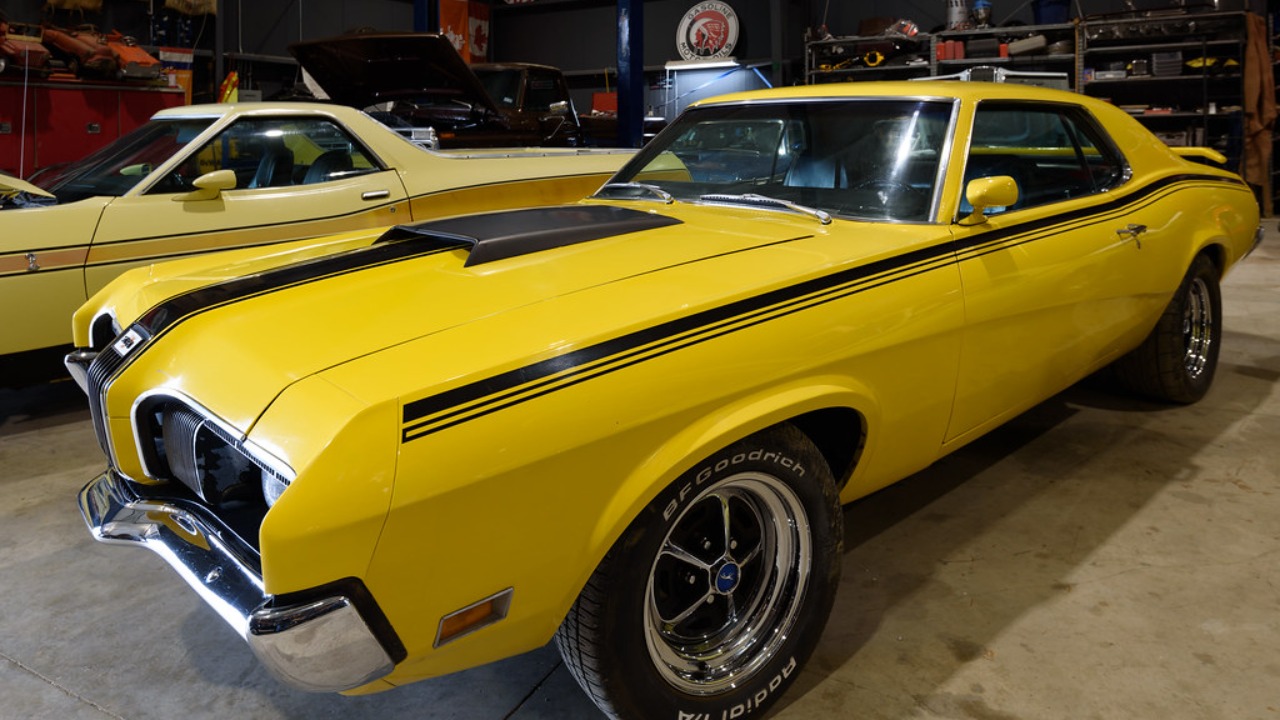
The Mercury 390 V8 is another underrated engine that made significant contributions to the muscle car era. Known for its smooth operation and solid power output, it was often found in larger Mercury models, including the Cougar and the Montclair. This engine offered a unique blend of performance and luxury, appealing to drivers who wanted a powerful yet refined driving experience.
With a displacement of 390 cubic inches, the Mercury 390 produced around 300 horsepower and 420 lb-ft of torque. Its design emphasized smooth power delivery, making it an excellent choice for cruising on the highway or tackling winding roads. The engine’s performance in the Mercury Cougar, in particular, showcased its capabilities in a sporty yet comfortable package. The Mercury 390 V8 may not be as well-known as some of its competitors, but its contributions to the muscle car landscape are worth celebrating.
10. Chrysler 318 V8
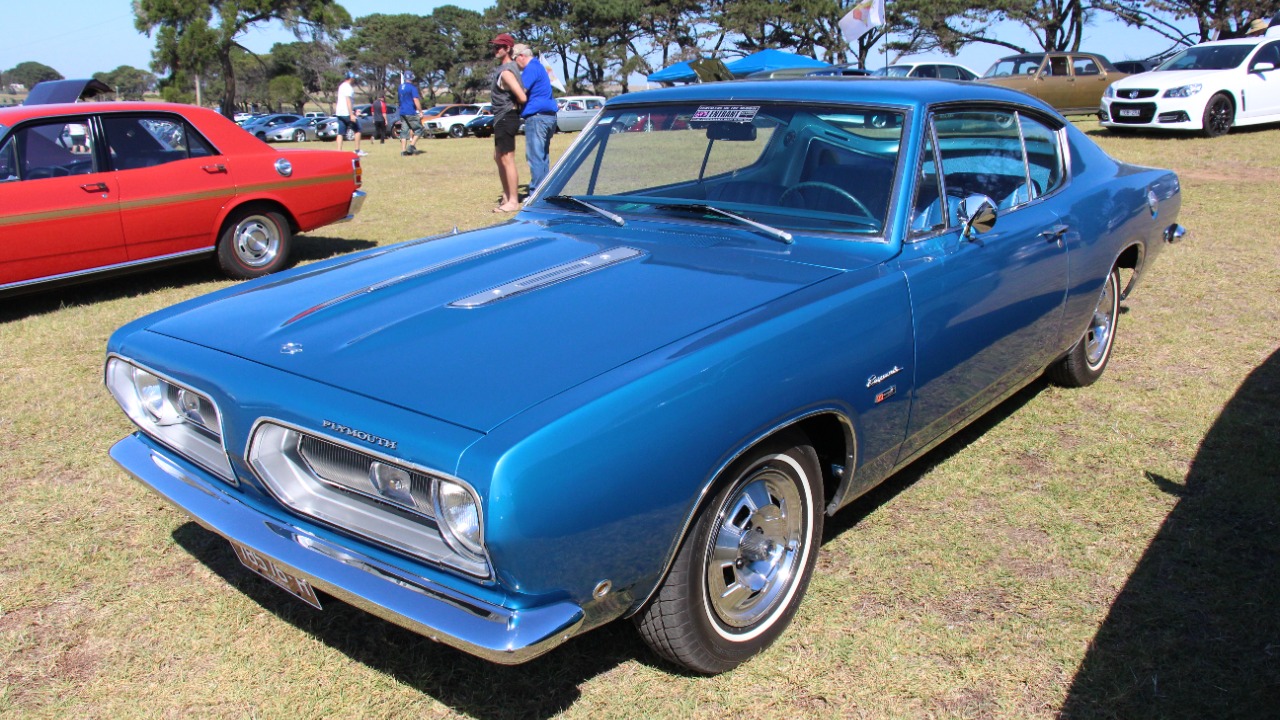
The Chrysler 318 V8 is often overlooked in discussions of muscle car engines, but it played a crucial role in the performance scene during the muscle car era. Launched in 1967, the 318 was known for its reliability and versatility, finding its way into various Chrysler models, including the Dodge Dart and Plymouth Barracuda. While it may not have had the raw power of larger V8s, it offered a solid performance that appealed to many drivers.
With a displacement of 318 cubic inches, the Chrysler 318 produced between 150 and 230 horsepower, depending on the configuration. Its efficiency and manageable power made it an excellent choice for everyday driving while still providing enough performance for spirited outings. The 318’s reputation for durability and ease of maintenance ensured its longevity in the automotive landscape. Today, it remains a popular choice for classic car restorations and builds, reflecting its enduring legacy in the muscle car community.

Leave a Reply