
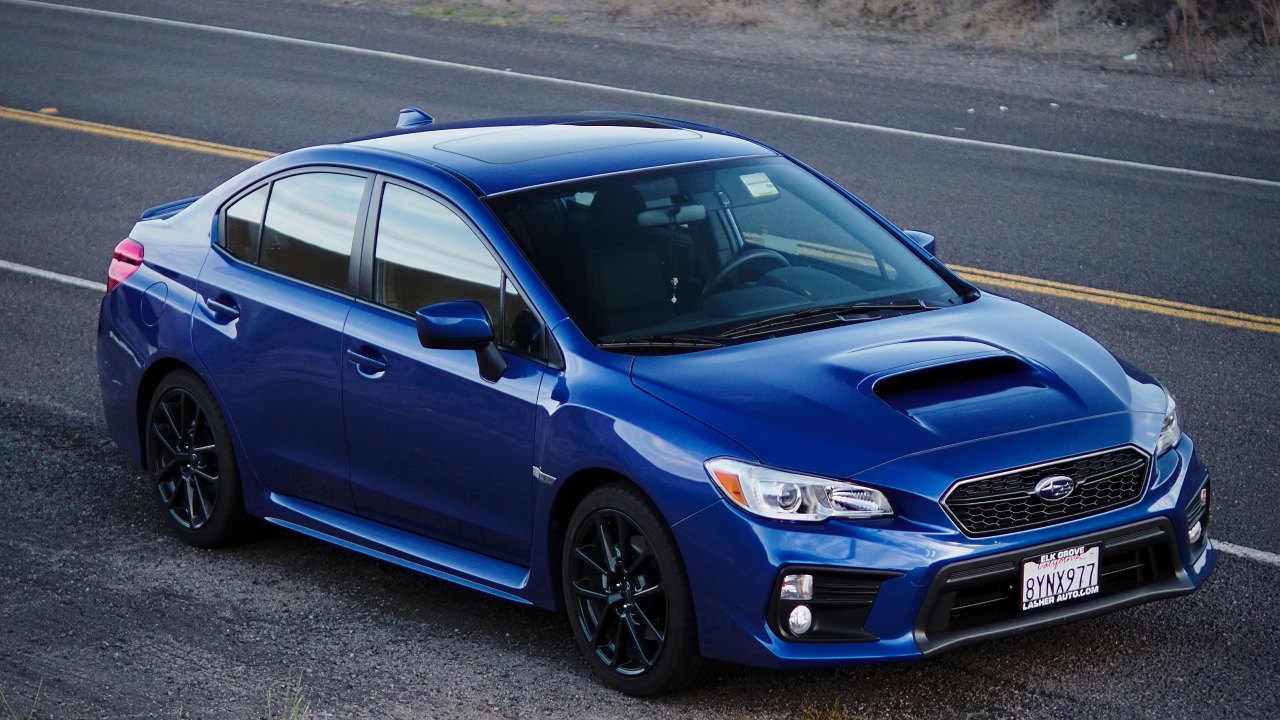
The world of drag racing is filled with stories of transformation, where humble grocery getters evolve into high-performance drag-strip legends. The journey from family car to racing icon showcases the ingenuity and passion of automotive enthusiasts who saw potential beyond the daily grind. Here, I dive into twelve iconic vehicles that started as everyday family cars but later roared down the quarter-mile, capturing the hearts of enthusiasts and racers alike.
1. Ford Mustang: The Pony Car Phenomenon
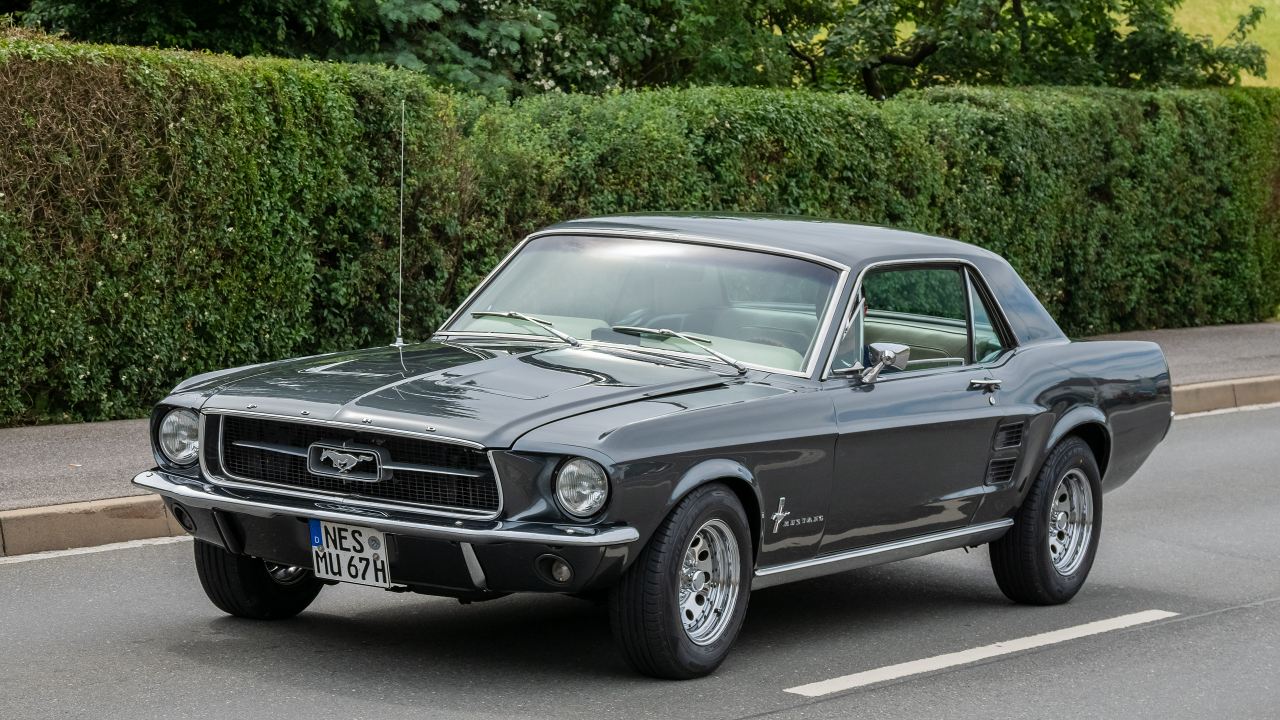
The Ford Mustang debuted in 1964 as a compact and affordable coupe aimed at families seeking a stylish ride without breaking the bank. With its eye-catching design and approachable price point, it quickly garnered a loyal following. However, it wasn’t long before Ford recognized the potential for performance, launching high-performance variants like the Shelby GT350 in 1965. This model featured a robust 289 cubic-inch V8 engine, marking the beginning of the Mustang’s transformation from a grocery getter to a revered muscle car.
As the years rolled on, the Mustang continued to evolve, introducing the legendary GT500 in 1967, which boasted a powerful 428 cubic-inch V8. The Mustang’s ability to adapt to the changing automotive landscape allowed it to maintain its icon status, proving that it could dominate both the streets and the drag strips. Today, the Mustang remains a symbol of American muscle and continues to offer exhilarating performance with modern iterations like the Mustang Mach 1 and the Shelby GT500, bridging the gap between family-friendly transport and high-octane racing.
2. Chevrolet Camaro: The Rivalry Begins
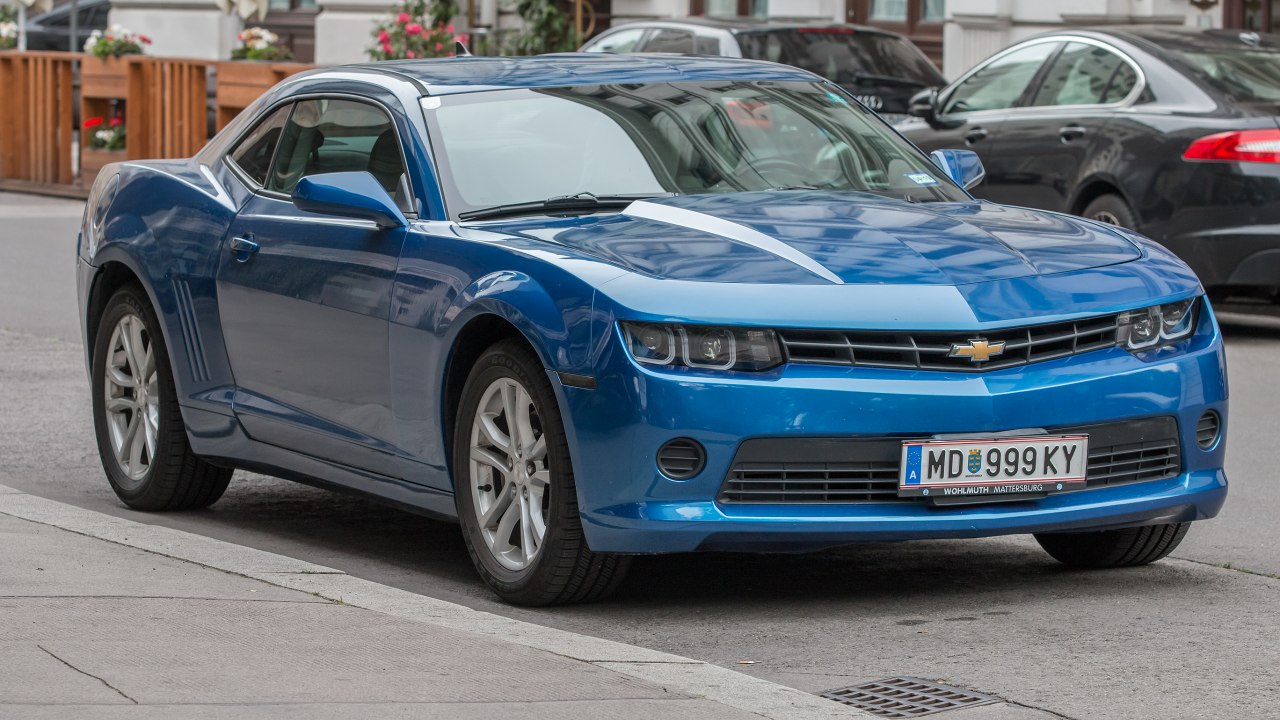
The Chevrolet Camaro burst onto the scene in 1966 as a direct competitor to the Ford Mustang, aiming to capture the attention of budget-conscious buyers looking for a sporty vehicle. With its aggressive styling and a range of engine options, the Camaro quickly established itself as a viable contender in the pony car market. Over the years, performance upgrades transformed it into a legitimate muscle car, especially with the introduction of the Z28 in 1967, which featured a high-revving 302 cubic-inch V8 engine.
The SS models further enhanced the Camaro’s racing pedigree, offering powerful engines and performance-tuned suspensions. By the late 1960s and early 1970s, the Camaro solidified its reputation as a drag-strip legend, with drivers achieving incredible times thanks to its lightweight construction and potent engine options. The Camaro continues to thrive today, with modern iterations like the 2022 Camaro ZL1, equipped with a supercharged 6.2-liter V8 engine, channeling the spirit of its predecessors while delivering performance that keeps it at the forefront of muscle car enthusiasts’ hearts.
3. Dodge Charger: From Family Sedan to Muscle Icon
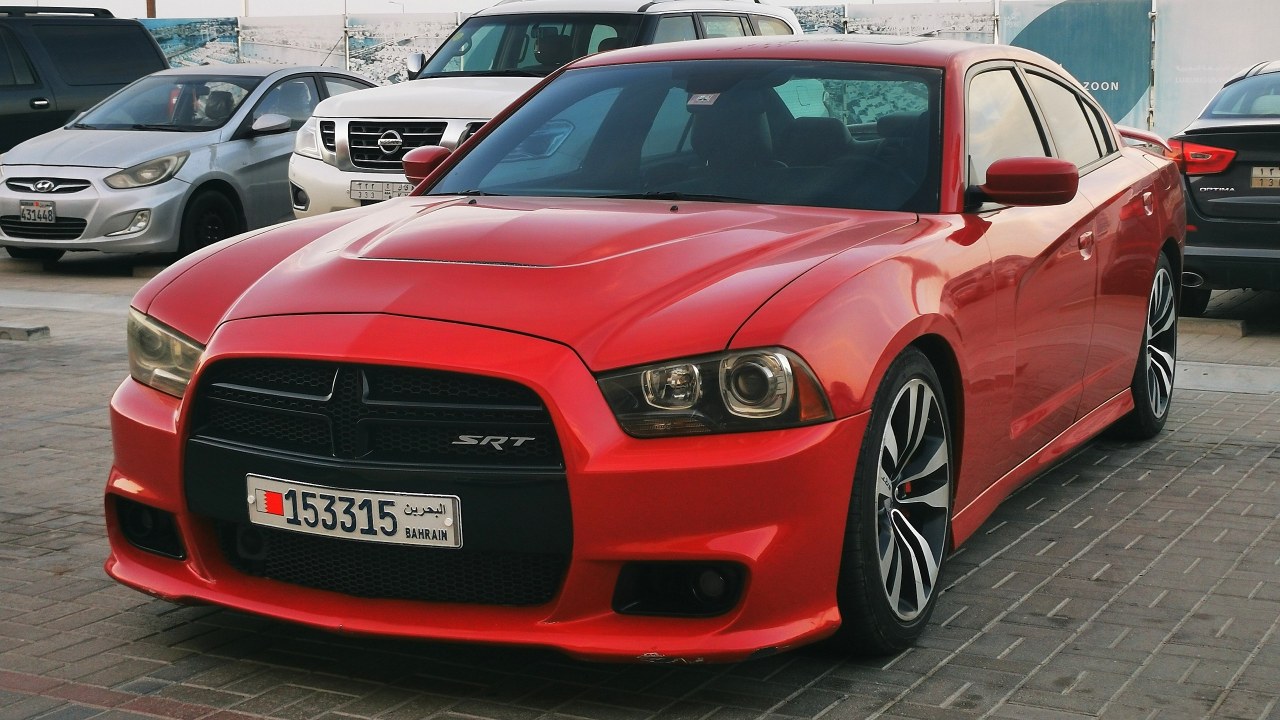
The Dodge Charger made its debut in 1966 as a spacious, practical car designed for families who needed reliability and comfort. Initially, it featured a sleek fastback design and a range of engine options, making it a popular choice for those seeking a family vehicle with a hint of sportiness. However, the Charger underwent a dramatic transformation in the late 1960s, particularly with the introduction of the R/T models in 1968, which came equipped with powerful V8 engines that redefined its performance image.
With the R/T variant, the Charger became synonymous with the muscle car era, offering breathtaking acceleration and handling. Its participation in motorsports, particularly in NASCAR, helped cement its status as a true American icon. The Charger continues to evolve, with the latest models combining modern technology with the classic muscle car aesthetic, allowing it to remain a formidable presence on the drag strip while appealing to a new generation of car enthusiasts.
4. Pontiac GTO: The Birth of the Muscle Car
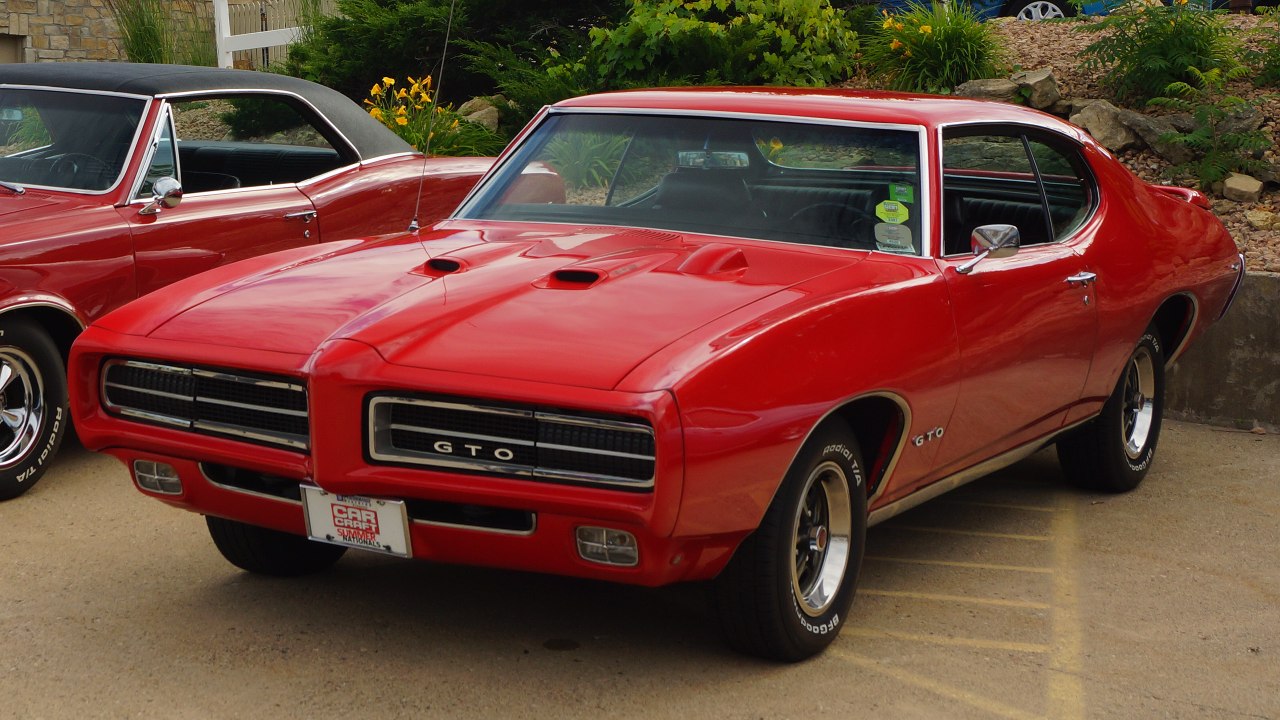
The Pontiac GTO is often credited with igniting the muscle car craze in the United States. Initially introduced in 1964 as a performance package for the Pontiac Tempest, it was designed for the everyday driver who craved a little extra power. The GTO featured a 389 cubic-inch V8 engine that delivered impressive performance, quickly earning it the nickname “The Goat.” It was a game-changer in the automotive world, redefining what a muscle car could be.
As the GTO gained popularity, Pontiac capitalized on its success by introducing more powerful versions, including the 400 cubic-inch V8 and the legendary Ram Air option. The GTO’s combination of style, power, and affordability made it a favorite among car enthusiasts and racers alike. Even after its discontinuation in the early 1970s, the GTO left a lasting legacy, influencing countless muscle cars that followed and securing its place in automotive history.
5. Chevrolet Nova: The Compact with a Big Heart
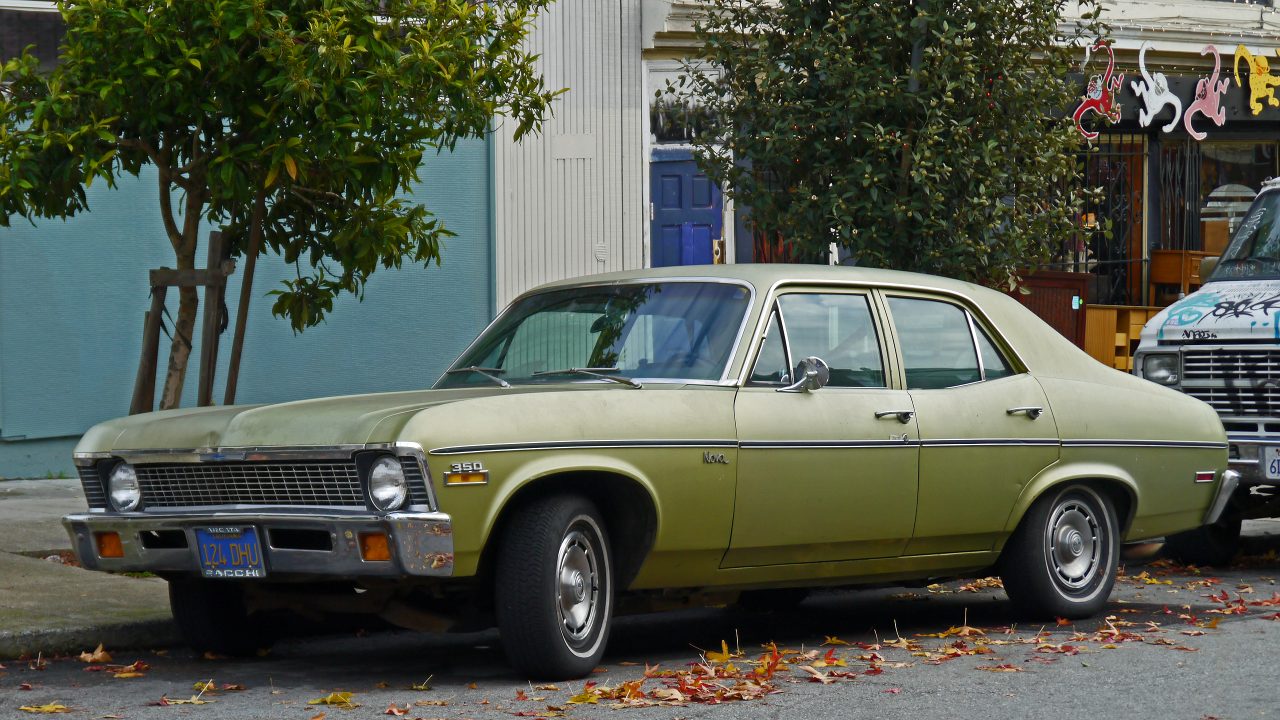
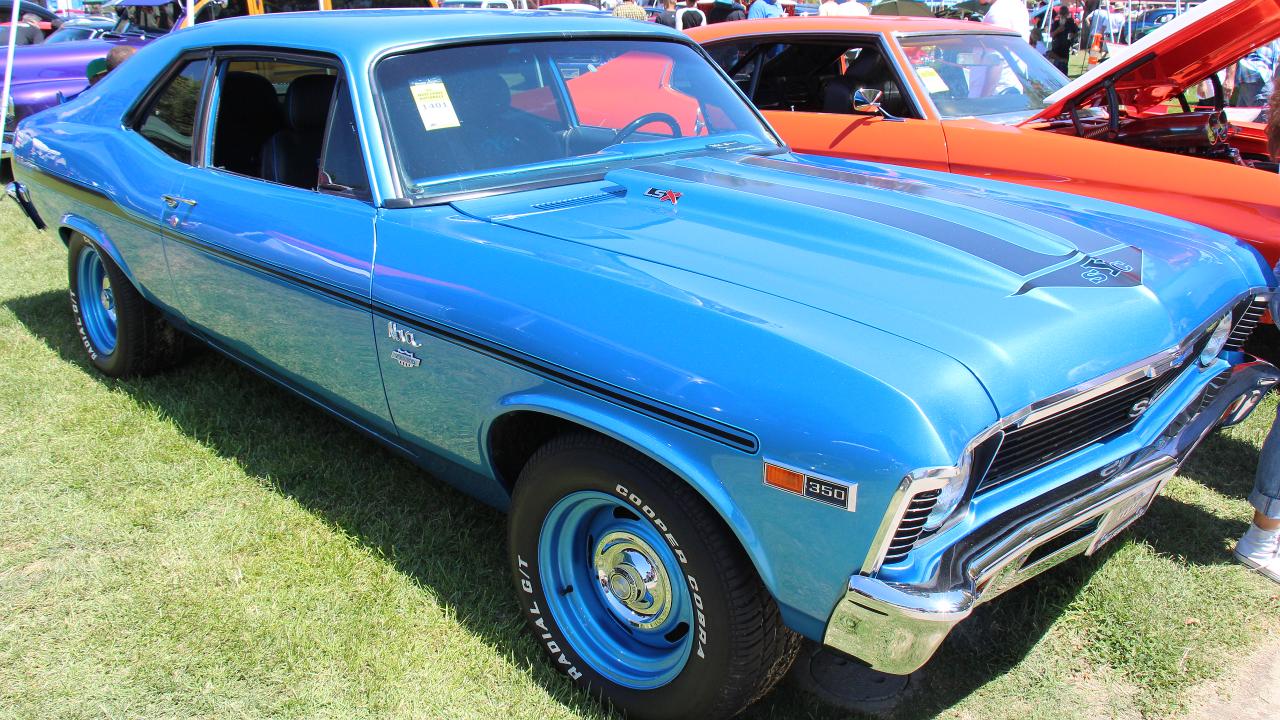
Launched in the early 1960s, the Chevrolet Nova was initially marketed as an economical compact car for families and young drivers. With its simple design and affordability, it became a popular choice for those seeking reliable transportation. However, as the muscle car movement gained momentum, Chevrolet recognized the potential for performance upgrades, leading to the introduction of the Nova SS in 1963.
The Nova SS featured a range of powerful V8 engines, allowing it to compete effectively on the drag strip. Performance versions of the Nova could achieve impressive quarter-mile times, making it a popular choice among racers looking for a compact car that offered both speed and agility. Today, classic Nova models are highly sought after by collectors and racers, showcasing the enduring appeal of this once humble grocery getter turned drag racing favorite.
6. Plymouth Barracuda: A Surprising Contender
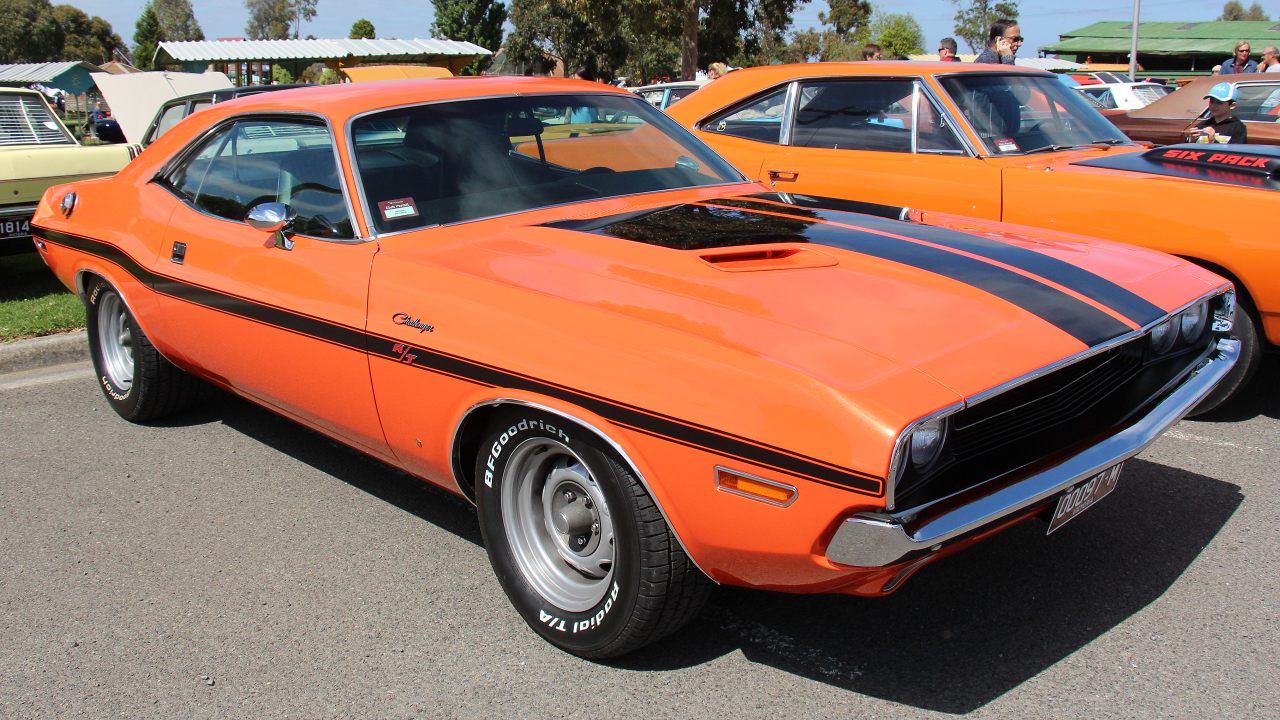
The Plymouth Barracuda was introduced in 1964 as a sporty coupe designed to compete with the Ford Mustang. Initially, it was marketed towards buyers looking for a stylish and affordable vehicle, but it quickly gained traction among performance enthusiasts. With its distinctive fastback design and a range of available engines, the Barracuda proved to be a versatile option for drivers seeking both style and speed.
The Barracuda’s true racing legacy emerged with the introduction of the 426 Hemi engine in 1970. This powerhouse transformed the Barracuda into a formidable competitor on the drag strip, allowing it to achieve remarkable performance figures. The Barracuda’s combination of design, engineering, and racing pedigree helped solidify its status as a surprising contender in the muscle car arena, making it a beloved classic among collectors and racers alike.
7. Toyota Supra: From Daily Driver to Performance Legend
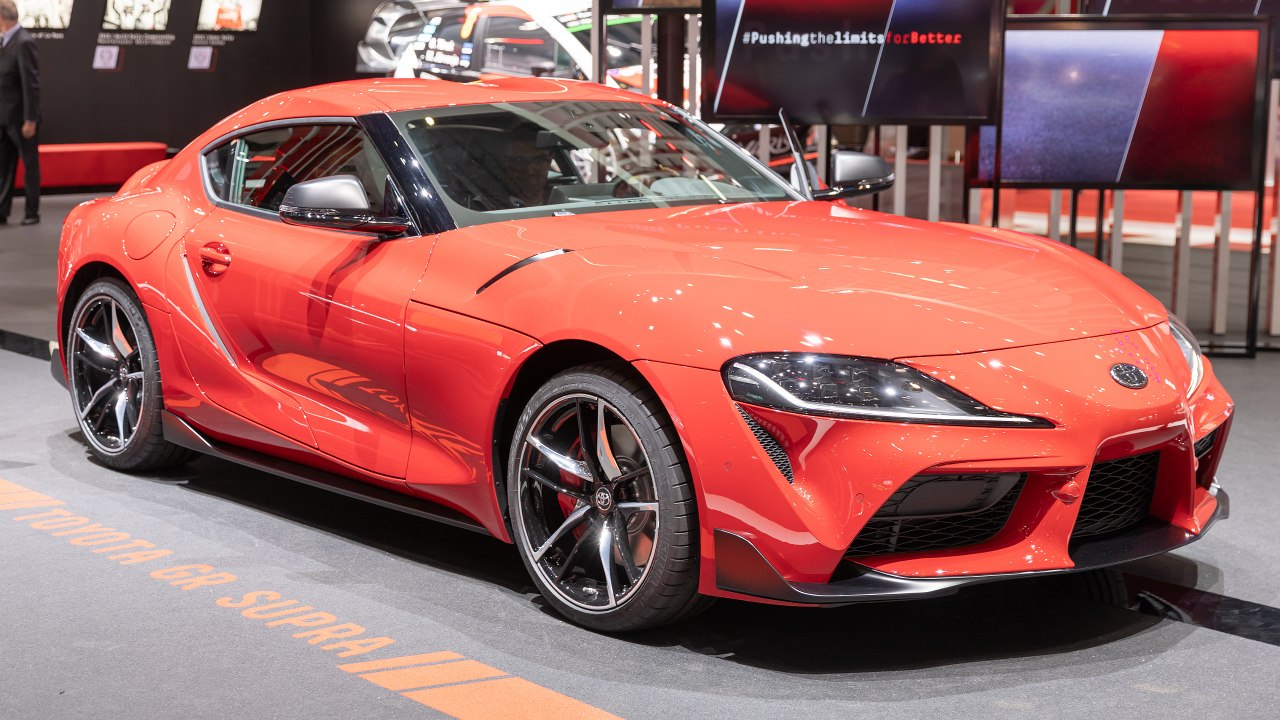
The Toyota Supra debuted in 1978 as a comfortable and reliable coupe aimed at everyday drivers. With its smooth lines and practical design, it quickly garnered a following among those seeking a blend of style and dependability. However, as the automotive landscape shifted towards performance, the Supra evolved into a high-performance icon, particularly with the introduction of the MK4 model in 1993.
The MK4 Supra featured a turbocharged 3.0-liter inline-six engine that delivered impressive power and acceleration, earning it a reputation as a formidable competitor in the tuning community and on the drag strip. Its lightweight construction and rear-wheel-drive layout made it a favorite among enthusiasts, leading to its status as a performance legend. Even today, the Supra continues to inspire car enthusiasts and racers, with modern iterations honoring the legacy of its predecessors while pushing the boundaries of performance.
8. Nissan Skyline: The Unlikely Challenger
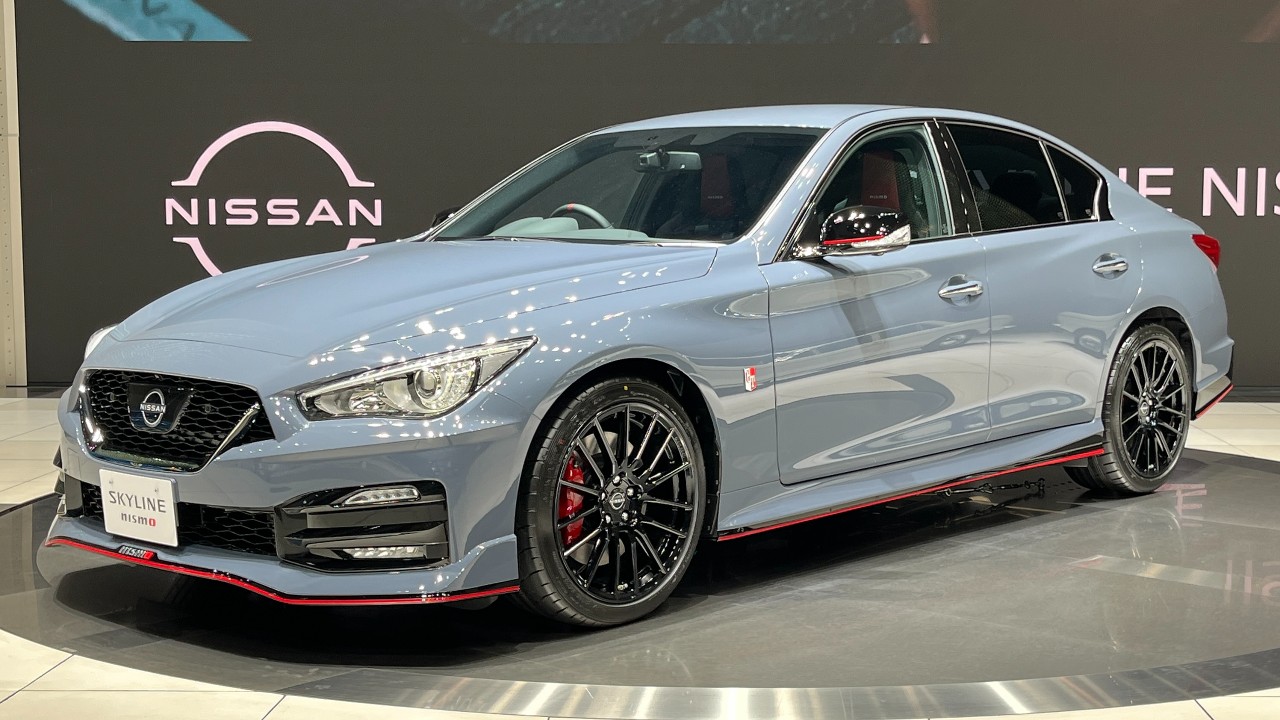
The Nissan Skyline began its journey as a family sedan in Japan, focusing on comfort and practicality. Initially launched in the 1950s, the Skyline was not known for its performance but rather for its reliability and family-friendly features. However, as the automotive industry evolved, so did the Skyline, particularly with the introduction of the GT-R variants in the late 1980s.
The Skyline GT-R, especially the R32 model released in 1989, revolutionized the concept of performance in a four-door sedan. Equipped with the legendary RB26DETT engine and all-wheel-drive technology, it became a dominant force on the racetrack and drag strip, earning the nickname “Godzilla.” Its international fame and performance capabilities solidified the Skyline’s status as an unlikely but formidable challenger in the world of drag racing, making it a highly sought-after vehicle among enthusiasts.
9. Volkswagen Beetle: The Unconventional Drag Racer

The Volkswagen Beetle, known for its simple and economical design, was initially marketed as a car for the masses. With its distinctive shape and modest performance, it was not the typical choice for racing enthusiasts. However, in the hands of innovative tuners, the Beetle found success on the drag strip, proving that even the most unassuming vehicles could achieve remarkable performance.
Over the years, the Beetle’s lightweight construction and rear-engine layout made it an ideal candidate for drag racing modifications. Enthusiasts began swapping in high-performance engines and customizing the chassis, leading to impressive quarter-mile times. The Volkswagen Beetle’s unexpected success in the world of drag racing showcases the creativity and resourcefulness of car lovers, further solidifying its status as an unconventional drag racer.
10. BMW M3: The Sports Sedan Phenomenon
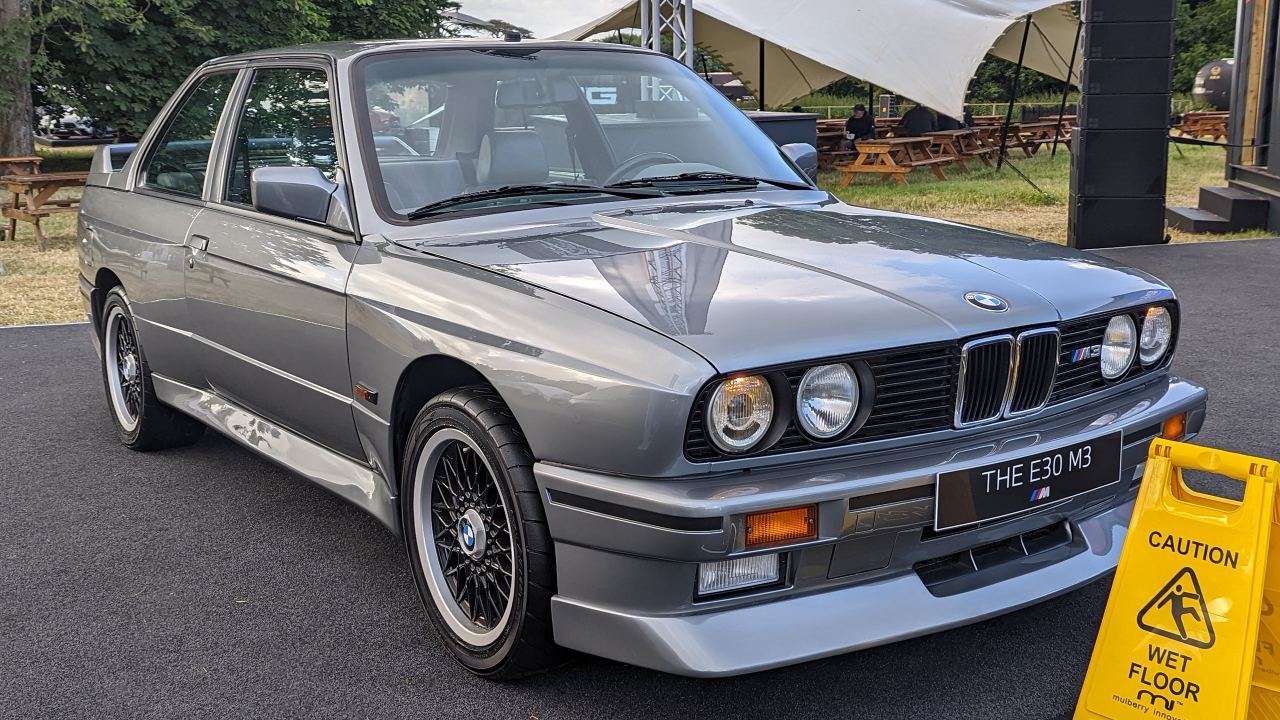
The BMW M3 initially emerged as a sporty variant of the 3 Series, aimed at driving enthusiasts who desired a more performance-oriented vehicle. Launched in 1986, the original M3 featured a high-revving 2.3-liter inline-four engine that offered exhilarating performance and precise handling. It quickly gained a reputation for being one of the most engaging sports sedans on the market, appealing to both everyday drivers and racing enthusiasts.
As the M3 evolved through subsequent generations, it became a formidable drag racing machine, particularly with the introduction of the E30 M3 and E46 M3 models. These iterations featured powerful inline-six engines and advanced technology that allowed them to excel on both the street and the strip. Today, the M3 continues to be a benchmark for performance sedans, with modern models like the G80 M3 pushing the limits of power and technology while maintaining the legacy of its predecessors in the world of motorsport.
11. Subaru WRX: The Rally Car with Street Cred
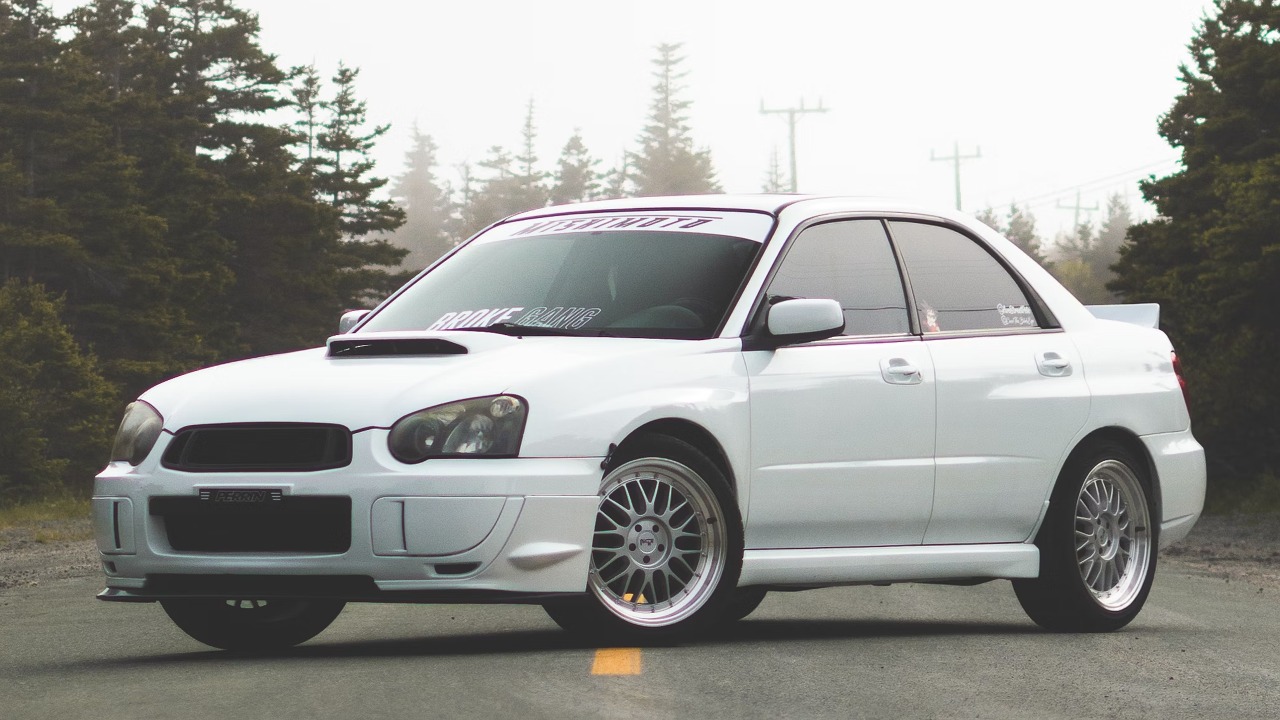
The Subaru WRX originated as a compact family car equipped with all-wheel drive, designed to handle various driving conditions. However, it quickly transformed into a rally car legend, capturing the hearts of motorsport enthusiasts around the world. The WRX made its debut in the late 1990s, featuring a turbocharged 2.0-liter flat-four engine that provided impressive power and agility.
With its success in World Rally Championship events, the WRX became a symbol of performance and capability, making it a favorite among car enthusiasts. Its combination of all-wheel drive, turbocharged power, and lightweight design enabled it to excel on both the rally stage and the drag strip. Today, the WRX remains a cult favorite, offering a unique blend of practicality and performance that resonates with drivers who crave excitement behind the wheel.
12. Honda Civic: The Compact with Unlimited Potential
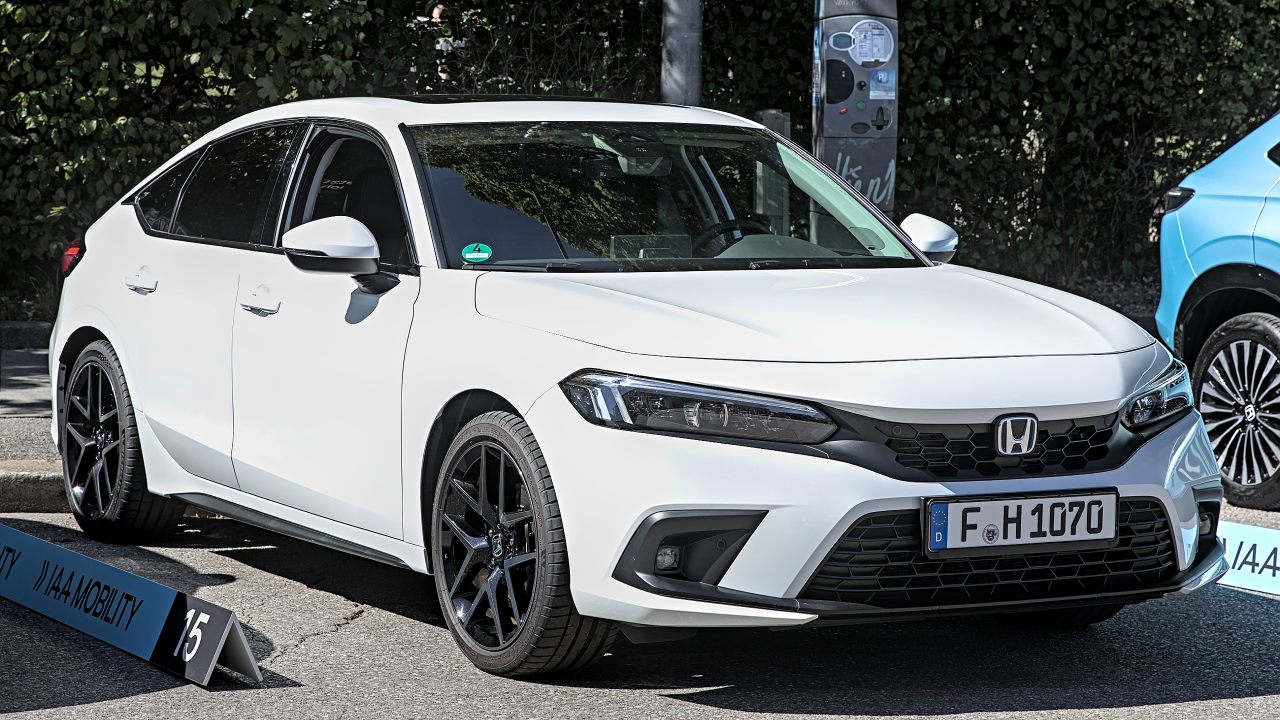
The Honda Civic was launched in the early 1970s as a fuel-efficient and practical vehicle for the masses. With its compact design and economical engines, it quickly became a popular choice among those seeking reliable transportation. However, as the tuning culture gained popularity, the Civic evolved into a drag racing favorite due to its lightweight construction and tunability.
Performance enthusiasts began modifying Civics in the 1990s, leading to the emergence of high-performance versions like the Civic Si and Type R. These models featured powerful engines and sport-tuned suspensions, allowing them to compete on the drag strip with impressive results. Today, the Honda Civic continues to be a beloved platform for tuning and racing, with countless modifications available that enable it to unleash its full potential, showcasing the enduring appeal of this once humble grocery getter.

Leave a Reply