

As the automotive industry faces increasing pressure to maintain profitability, many manufacturers have found ways to cut costs that may not be immediately obvious to consumers. From warranty reductions to the use of cheaper materials, these strategies can impact both the quality of vehicles and the overall ownership experience.
Reducing Warranty Coverage

Automakers have started to trim warranty coverage to save costs. For instance, brands like Ford and General Motors have reduced the duration of their warranties compared to previous models. This shift places more risk on consumers, who may find themselves footing repair bills sooner than expected.
While a longer warranty can be a significant selling point, cutting back on this coverage allows manufacturers to save money upfront. As a consumer, it’s essential to understand the implications of shorter warranties when making a purchase decision, especially for high-ticket items like cars.
Using Cheaper Materials

Another cost-cutting strategy involves the use of less expensive materials in vehicle production. Many manufacturers are opting for lower-grade plastics and metals to keep production costs down. For example, certain trims of the Toyota Camry have been noted for their use of cheaper interior materials, which can detract from the overall feel and durability of the vehicle.
By skimping on quality, manufacturers may save money initially, but this can lead to higher maintenance costs and reduced customer satisfaction over time. Buyers should be vigilant about the materials used in their prospective vehicles to ensure they are getting the best value for their investment.
Downsizing Engine Options
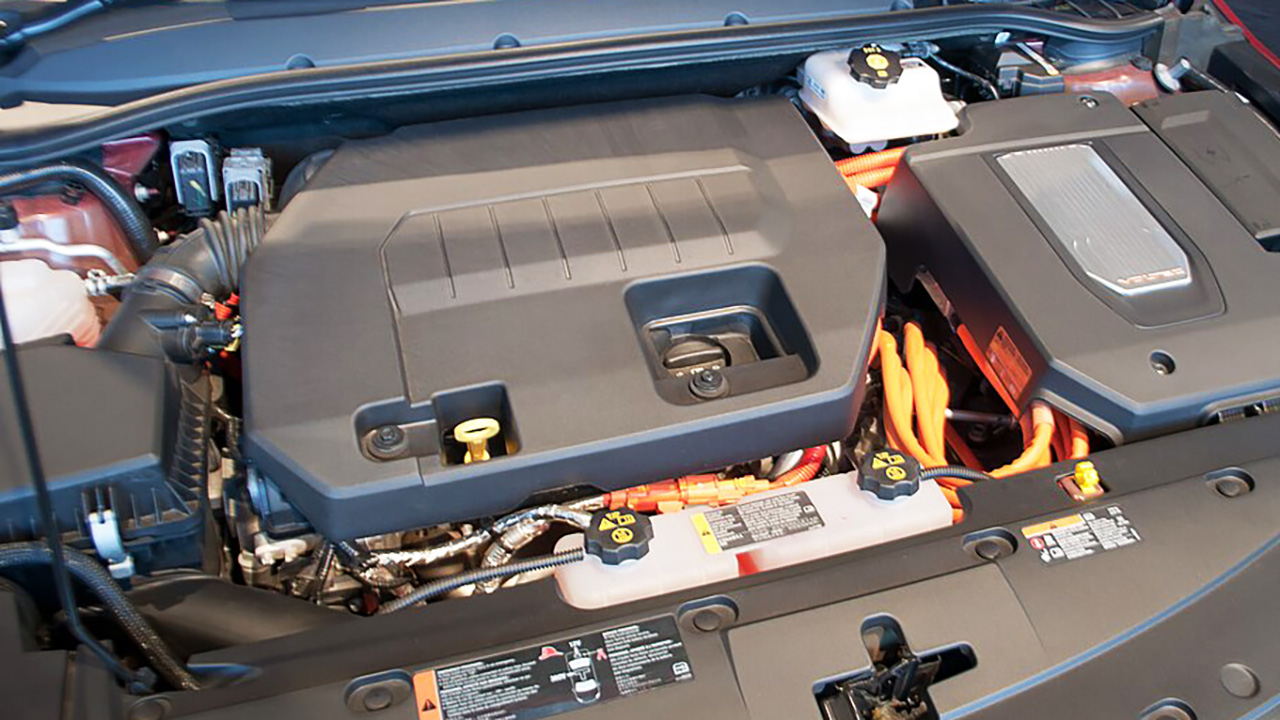
In an effort to improve fuel efficiency and meet stricter emissions regulations, many automakers are downsizing engine options. For instance, several models of the Honda Accord now come with smaller turbocharged engines instead of traditional larger engines. While this can lead to better fuel economy, it often results in a noticeable decrease in performance.
By reducing engine sizes, manufacturers can cut costs on production and improve their fuel efficiency ratings. However, consumers might find that these smaller engines lack the power and responsiveness they desire, leading to a compromise in driving experience.
Skipping Advanced Safety Features

Advanced safety features like adaptive cruise control and lane-keeping assist have become standard in many vehicles. However, some manufacturers are opting to exclude these technologies in lower trim levels to save money. For example, the base model of the Hyundai Sonata lacks many driver assistance features that are available in higher trims.
While safety technology can add to the purchase price, its absence can significantly affect the safety of the vehicle. Consumers should carefully consider the importance of these features and whether they are willing to pay extra for safety enhancements.
Minimizing Research and Development

Automakers are also cutting back on research and development budgets, opting to rely on existing platforms rather than investing in new technologies. Companies like Chrysler have been criticized for rehashing older designs instead of innovating. This strategy can result in stagnation in vehicle performance and features.
While it may reduce costs in the short term, a lack of innovation can diminish a brand’s competitive edge and appeal in the long run. Buyers should be aware of how the automaker’s commitment to innovation might impact their future vehicle options.
Cutting Back on Marketing Spend

Another area where automakers are tightening their belts is marketing. By reducing advertising budgets, companies like Nissan are hoping to redirect funds into production and development. While this might make sense financially, it can lead to a lack of awareness about newer models and features.
Reduced marketing can mean consumers are less informed about vehicle options, potentially missing out on significant innovations or sales. As buyers, staying informed through independent research becomes crucial when manufacturers cut back on their promotional efforts.
Outsourcing Production
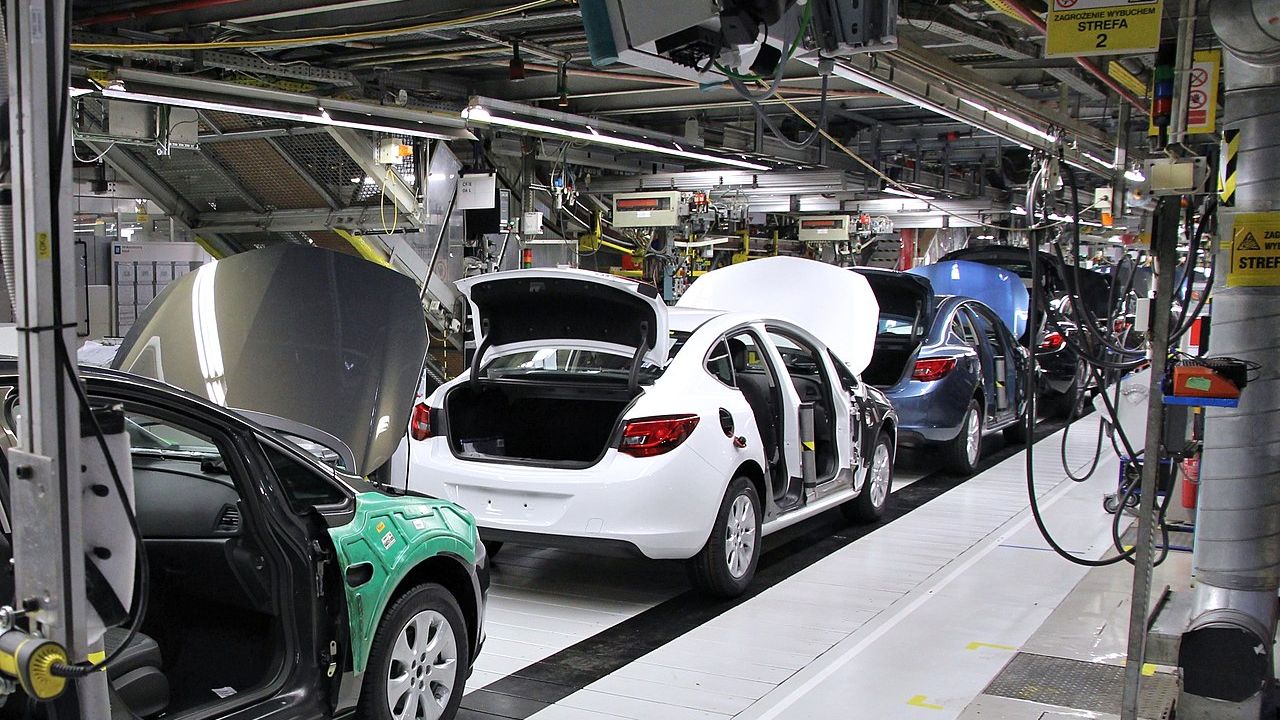
Many automakers are now outsourcing production to cut costs. This strategy can lead to cheaper manufacturing but may also compromise quality. For example, brands like Volkswagen have shifted some production overseas, which can result in longer delivery times and potential quality control issues.
While outsourcing can lead to immediate cost savings, the long-term effects on quality and customer satisfaction can be detrimental. Buyers should consider where their vehicles are manufactured and how that may impact the overall quality and reliability.
Limiting Vehicle Customization Options
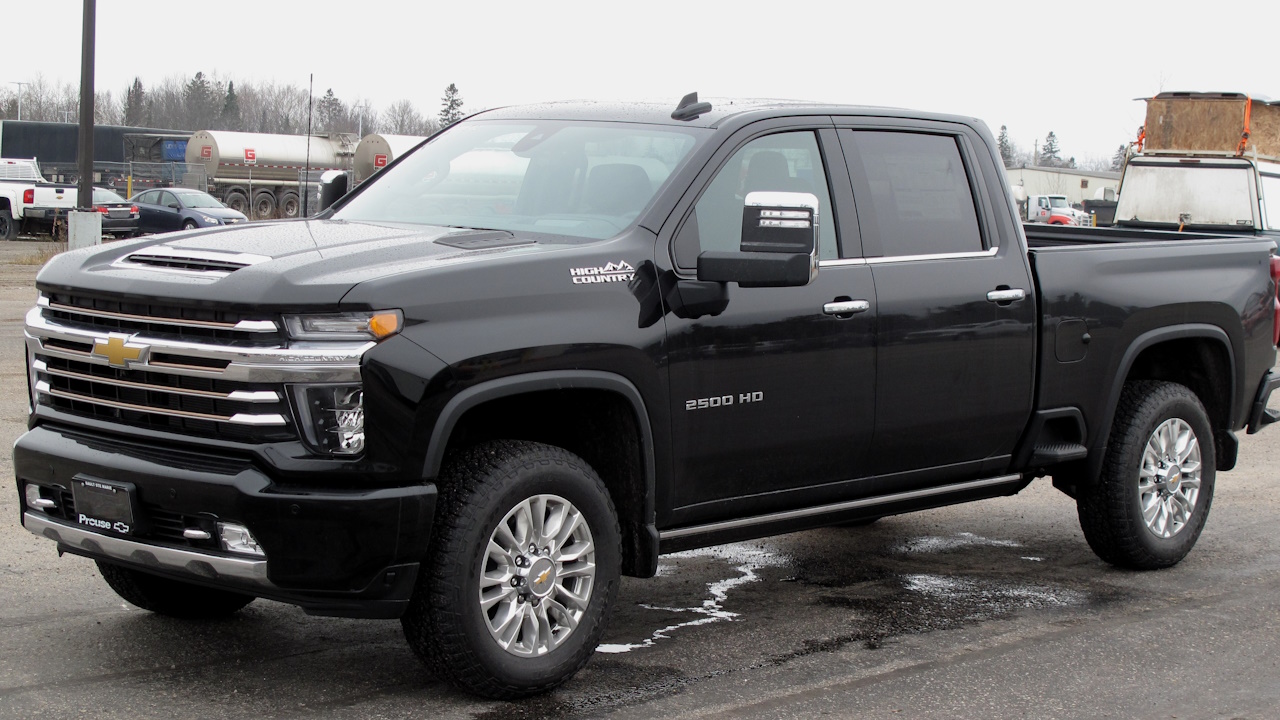
To streamline production and reduce costs, many manufacturers are limiting customization options for their vehicles. Brands like Chevrolet have reduced the variety of available trims and options, making it easier and cheaper to produce vehicles but frustrating buyers seeking personalization.
This limitation can lead to a lack of variety in the market and may push consumers toward competitors who offer more flexible options. As a buyer, the ability to customize a vehicle can be a significant factor in the purchasing decision.
Implementing Planned Obsolescence

Finally, planned obsolescence is a tactic employed by some automakers to encourage more frequent purchases. This can be seen in models like the Tesla Model 3, where software updates are used to enhance performance but may also make older models feel outdated quickly.
This approach can lead to a cycle of constant consumer spending, as buyers feel pressured to upgrade to keep up with the latest technology. Understanding this strategy is crucial for consumers looking to make informed decisions about their vehicle purchases and longevity.
More from Fast Lane Only:
- Unboxing the WWII Jeep in a Crate
- The Fastest Farm Truck Ever Built
- 10 Old Trucks That Were Built Like Tanks
- 12 Classic muscle cars still within reach for budget buyers
*Created with AI assistance and editor review.




Leave a Reply