
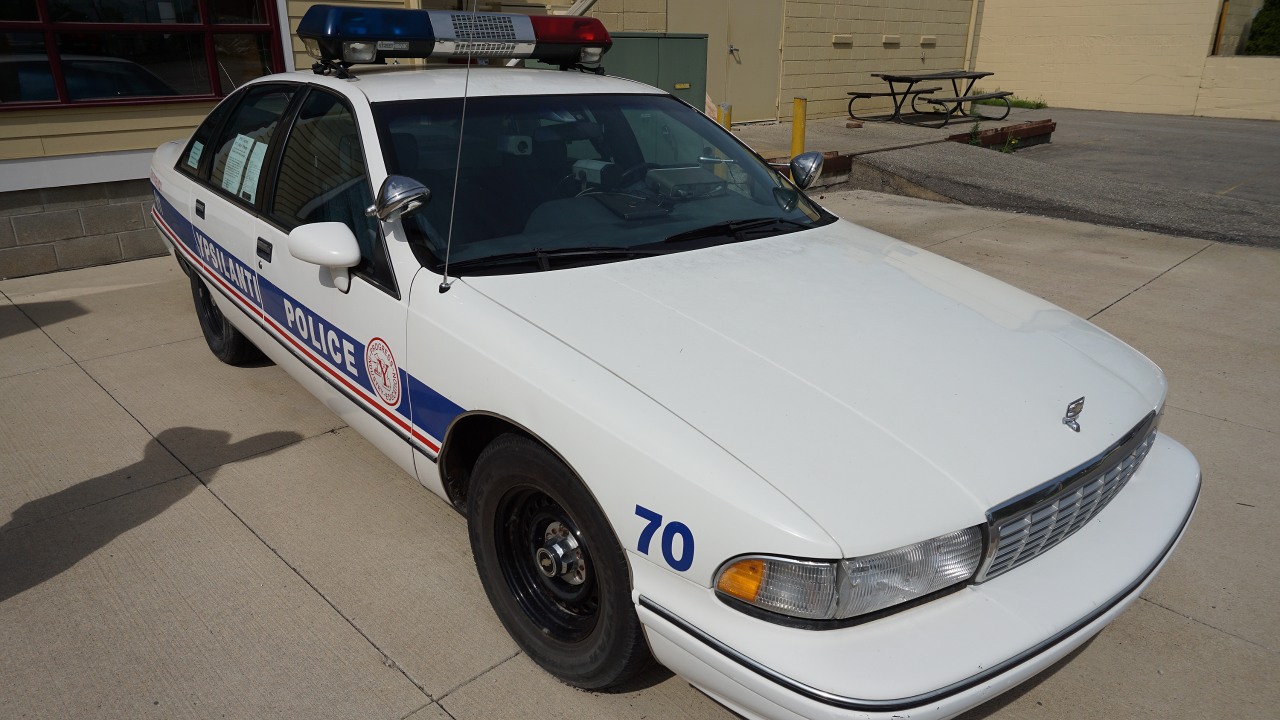
The Chevrolet Caprice 9C1 police package has become one of the most recognizable American patrol cars, and its production history and current values are now a serious point of interest for collectors. I want to trace exactly when the 9C1 Caprice was built, how it evolved into the Corvette-powered sedans of the 1990s, and what buyers are paying today for both ex-police and civilian versions.
From the first full-size 9C1 sedans in the 1970s to the last rear-drive Caprice in the mid‑1990s and the later PPV revival, the badge followed the changing needs of law enforcement and the broader sedan market. Understanding those production years, and how they intersect with today’s pricing data, is the key to judging whether a Caprice 9C1 is a bargain pursuit car or an overhyped nostalgia play.
How the 9C1 code started and when it reached the Caprice
The 9C1 designation did not begin with the Caprice itself, it started as a specific order code for full-size Chevrolet police sedans. Reporting on the model’s background notes that in 1976 the 9C1 order code was first assigned to a full-size Chevy police car package that still carried the Impala name, marking the moment when “9C1” became shorthand for a factory-built pursuit sedan rather than an aftermarket conversion. That early use on an Impala-based platform set the template for heavy-duty cooling, upgraded brakes and pursuit-rated suspension that would later define Caprice patrol cars as well.
By the late 1970s and into the 1980s, Chevrolet was applying the 9C1 formula across several nameplates, not just one flagship sedan. Contemporary overviews of police packages describe how, in the “’70s and ’80s,” Chevrolet offered 9C1 versions of the Nova, Malibu, Celebrity, Impala, Caprice and Lumina, which shows that the code referred to a performance and durability spec rather than a single model. Within that mix, the Caprice emerged as the archetypal big-city patrol car, especially as other rear-drive sedans disappeared and agencies gravitated toward the largest, most robust platform available.
The core production years for the Caprice 9C1
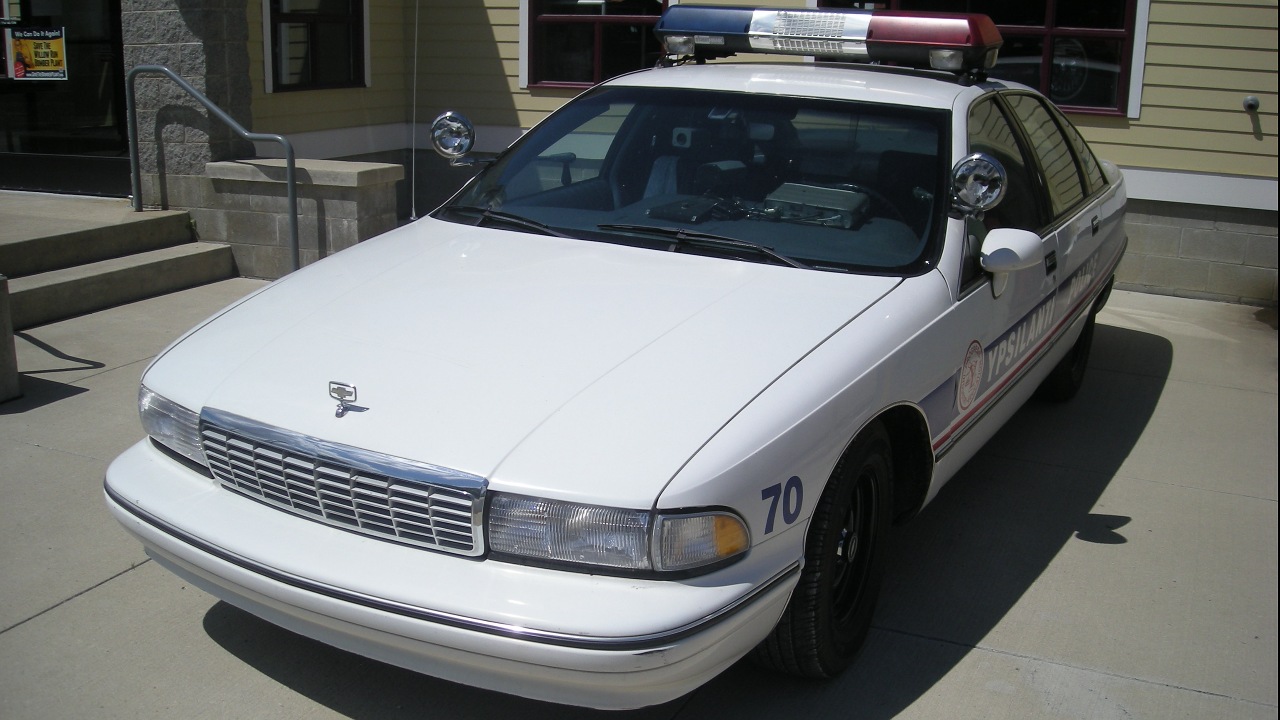
When enthusiasts talk about the Caprice 9C1 today, they are usually thinking of the final generation of rear-drive sedans that ran through the first half of the 1990s. A detailed model history of the Chevrolet Caprice 9C1 identifies the key production window for that generation as 1991 to 1996, covering the so‑called “bubble” body cars that combined full-frame construction with modern fuel-injected V8 power. Those 1991–1996 sedans are the ones most often associated with highway patrol fleets, urban traffic units and, later, budget performance builds once they cycled out of service.
Broader model references confirm that the Caprice line itself was offered in North America from 1966 to 1996 for civilian and police buyers, with the 9C1 package layered on top of that timeline. Within that thirty‑year span, the 1991–1996 period stands out because Chevrolet offered two distinct police configurations, including the high-output V8 that would cement the car’s reputation. Coverage of these cars notes that between 1991 and 1996 Chevrolet offered two distinct Caprice cop car setups, which aligns with the 9C1 history and reinforces that those six model years form the core production run for the modern 9C1 that collectors chase.
The LT1 era and why the 1990s 9C1 became a cult favorite
The reason the 1990s Caprice 9C1 looms so large in enthusiast circles is not just its size, it is the powertrain that arrived partway through that run. Analysis of the police-spec sedans points out that Chevy dropped the LT1 V8 in the Caprice cop cars from Corvette, effectively giving officers a detuned version of the Corvette C4’s small-block in a four-door shell. That engine, combined with heavy-duty cooling and suspension, turned the 9C1 into a genuine high-speed tool that could run for hours on the highway, which is why many agencies kept them in service even as newer front-drive sedans appeared.
Later retrospectives on the 1991–1996 Chevrolet Caprice 9C1 emphasize that these cars delivered a mix of durability, performance and “mile‑eating composure” that was rare in mass-market sedans of the time. Video buyer’s guides released on Sep 8, 2018 go so far as to argue that this generation of Caprice, especially in 9C1 and SS form, was “single-handedly responsible for the creation of the modern-day muscle sedan,” a claim that reflects how influential the LT1-powered cars have become in hindsight. That combination of Corvette-derived power and full-size comfort is a major reason why the 1994–1996 9C1s, in particular, now command a premium over earlier, less powerful versions.
From classic Caprice to PPV: what counts as a 9C1 today
Sorting out which Caprices qualify as true 9C1s matters, because Chevrolet has reused the nameplate in different markets and contexts. Model histories show that the Chevrolet Caprice name ran from 1966 to 1996 for civilian and police buyers, then reappeared from 2000 to 2016 in the Middle East and from 2011 to 2017 in North America as a PPV exclusive. That later North American run involved an imported, rear-drive sedan sold only as a police patrol vehicle, often referred to as the Caprice PPV, which revived the idea of a dedicated pursuit car but did not share the same platform as the 1990s 9C1.
Police-focused reporting on the 2011 Chevrolet Caprice notes that the 9C1 order code, first attached to a full-size Chevy in 1976, continued to be used on later full-size police cars, including some of the largest sedans ever offered to law enforcement. However, for collectors and used buyers, the phrase “Caprice 9C1” usually points to the 1991–1996 American-built cars rather than the later PPV imports. The PPV models are significant for agencies that wanted a modern rear-drive sedan, but in the enthusiast market they occupy a different niche from the classic 9C1s that share more visual and mechanical DNA with the Impala SS of the same era.
Current market values for Caprice 9C1 and civilian siblings
To understand what a Caprice 9C1 is worth today, it helps to look at pricing benchmarks for the closely related civilian models, since many valuation tools do not break out ex-police cars separately. Mainstream pricing guides for the 1996 Chevrolet Caprice Classic show how the market values a clean, non‑police sedan, with sections such as “Chevrolet Caprice Classic Overview” and “Chevrolet Caprice Classic Pricing” outlining typical retail and private-party ranges. Those figures establish a baseline: a 9C1 in similar cosmetic condition but with higher miles and a fleet history will often trade for less, unless it has desirable options like the LT1 V8 and a documented, rust-free body.
Specialist classic-car valuation tools provide a more nuanced picture for older Caprices that are now considered collectibles. Resources labeled “Common Questions” and “How much is a 1996 Chevrolet Caprice Classic worth?” explain that values can vary greatly depending on condition, mileage and originality, and they track auction and private-sale data to update those numbers. Separate guidance aimed at enthusiasts notes that Hagerty focuses on Classic Cars and that They offer valuation tools specifically for vintage vehicle enthusiasts, which many buyers use to cross-check asking prices for both civilian Caprices and well-preserved 9C1s. A clean, low‑mile LT1 9C1 with minimal police equipment holes can sit at the upper end of those ranges, while a hard‑used patrol car with corrosion and interior wear will fall below.
Why some 9C1s are “dirt cheap” and others are climbing
Market coverage of the 1990s Caprice police sedans often highlights how affordable they can be relative to their performance. A feature published on Jun 22, 2025 describes Chevy Dropped The LT1 V8 In The Caprice Cop Cars From Corvette and notes that these cars are now “dirt cheap” compared with other vehicles that share similar powertrains. That perception is rooted in the reality that many retired 9C1s were sold in bulk at government auctions, with high mileage and cosmetic issues that kept prices low even as their mechanicals remained robust.
At the same time, more historically minded pieces, such as the Dec 7, 2022 overview by Aaron Brown Police Cars that was Last Updated on December 8th, 2022, frame the Caprice as a key chapter in American police-car history. That kind of attention tends to push the best examples upward, especially cars that were never in fleet service or that were lightly used by smaller departments. As awareness grows, I see a split emerging: rough, high‑mile 9C1s remain cheap entry points into V8 rear-drive performance, while clean, documented cars, especially 1994–1996 LT1 versions, are starting to track closer to the stronger valuations seen in dedicated classic-car tools.
How to research a Caprice 9C1 purchase today
Anyone shopping for a Caprice 9C1 now needs to combine general pricing guides with more specialized classic-car resources. Mainstream tools that list the 1996 Chevrolet Caprice Classic can give a quick sense of what a comparable civilian sedan is worth, but they do not always account for the wear patterns and equipment differences that come with a former patrol car. That is where enthusiast-focused valuation platforms become useful, since they aggregate sales data for older sedans that are transitioning from used cars into collectibles.
Guides to online valuation platforms point out that Hagerty, described explicitly as focusing on Classic Cars, has become a go‑to source for older vehicles, and that They provide valuation tools specifically for vintage vehicle enthusiasts. Even social content from Haggerty stresses that valuations change over time and directs users to their valuation tools for the most detailed, up‑to‑date figures. When I look at a potential 9C1 purchase, I treat those classic-car numbers as the ceiling for an exceptionally clean example, then adjust downward for police use, missing trim, drilled bodywork and the kind of hard service that many of these cars endured. In that sense, the Caprice 9C1 market today is a blend of nostalgia pricing and cold, data-driven valuation, and buyers who understand both sides are best positioned to find a fair deal.

Leave a Reply