
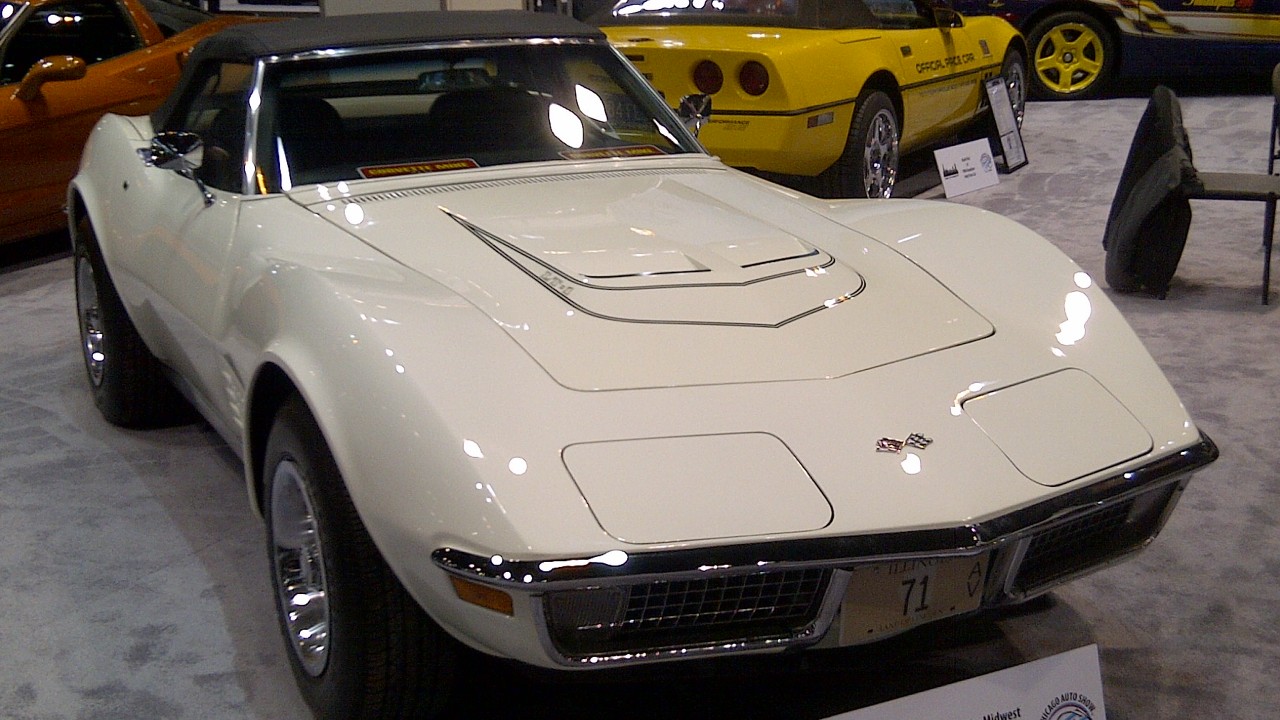
The LT-1 Corvette occupies a narrow but pivotal slice of Chevrolet history, combining raw small-block power with the last gasp of the muscle era before emissions and insurance pressures reshaped performance cars. Collectors today chase these 1970s machines not just for their numbers-matching hardware but for the way they balance drivability, rarity, and value compared with later LT1-badged Corvettes. I want to trace exactly which years Chevrolet built the original LT-1 Corvette and how the market now prices these cars against newer LT1-powered generations.
How long the original LT-1 Corvette ran, and what made it different
The original LT-1 Corvette is rooted in a specific engine program, not just a trim line, and that is the key to understanding its production years. General Motors identifies the first LT-1 as a high-compression Chevrolet Generation I Small-Block V8 produced from 1970 through 1972, a run that aligns directly with the C3 Corvette of that period. In other words, when collectors talk about “an LT-1 Corvette” in the classic sense, they are referring to C3 cars built only in the 1970, 1971, and 1972 model years that carried this particular solid-lifter small-block, as confirmed in the GM LT1 engine documentation.
Within Chevrolet’s broader performance catalog, the LT-1 sat as a distinct specification rather than a cosmetic package, and that distinction still shapes values. The Chevrolet LT overview describes the LT-1 as a specific high-performance small-block variant, and period production figures underscore how limited it was in Corvette form. One technical breakdown notes that only 1,287 Corvettes left the factory in 1970 with the LT-1 engine, and while the engine remained available for “another couple of years,” that 1970 launch year stands out as the most potent and the rarest. That combination of a short three-year window and low initial volume is why the 1970–1972 LT-1 cars are treated as a discrete, collectible chapter rather than just another C3 option.
Production nuances from 1970 to 1972 and how they affect desirability
Within that 1970–1972 span, the LT-1 Corvette evolved in ways that matter to collectors who are weighing performance against price. The earliest cars benefited from higher compression and more aggressive tuning before tightening emissions rules began to pull output back, so 1970 examples tend to carry a performance premium. The same technical analysis that pegs the 1970 run at 1,287 units also notes that the LT-1 remained in production for “another couple of years,” which lines up with the 1971 and 1972 model years documented in the GM LT1 engine history. As compression ratios dropped across the industry, the LT-1’s raw numbers softened, but the package still delivered a sharper, more analog driving experience than most contemporary Corvettes.
Market analysts now tend to treat all three years as a single cohort, while still acknowledging the hierarchy within it. A detailed market spotlight on the 1970–72 Chevrolet Corvette LT1 frames these cars as a “Goldilocks Value Proposition,” arguing that they strike a balance between big-block drama and small-block usability. That same analysis points out that the LT1 Corvettes remain “reasonable” in price compared with rarer competition packages, even as collectors increasingly recognize their blend of performance and everyday livability. The result is a tiered market where 1970 cars often sit at the top, but well-kept 1971 and 1972 examples still command strong interest because they share the same core LT-1 identity.
How LT-1 Corvettes are valued in today’s collector market
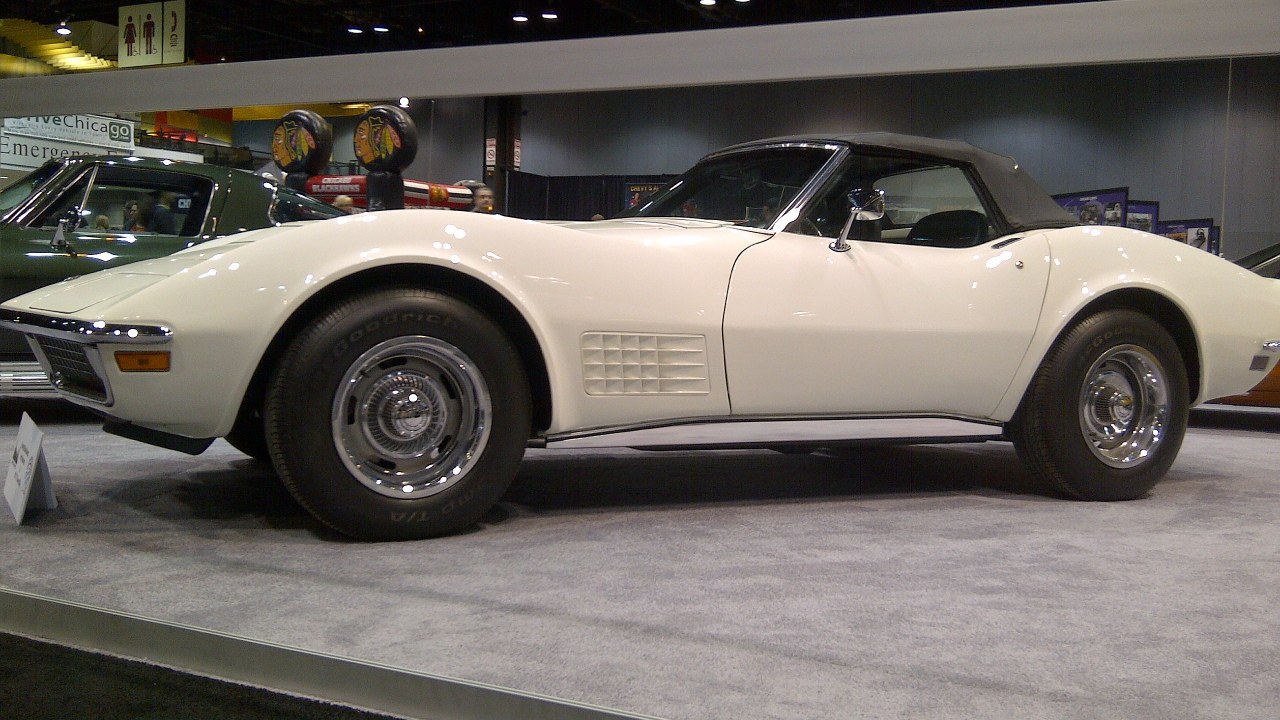
When I look at current pricing, the LT-1 Corvette sits in a sweet spot between blue-chip investment and accessible classic. Recent market tracking for the 1970–72 Chevrolet Corvette LT1 describes these cars as delivering “a bit of attitude per dollar,” with #2-condition examples (a common benchmark for high-quality drivers and light show cars) still trading below the most coveted big-blocks and race-oriented specials. That positioning reflects both their limited production and the fact that they are not the absolute top of the Corvette performance pyramid, which keeps them within reach of enthusiasts who want to drive rather than simply store a car.
The same analysis, published on Jun 6, 2024, notes that values have been firm but not speculative, which is important context for anyone considering an LT-1 as a long-term hold. By characterizing the 1970–1972 LT1 as a Goldilocks Value Proposition, the report suggests that buyers are paying for authentic period performance and rarity rather than hype. That is especially true for well-documented, numbers-matching cars with original LT-1 drivetrains, which tend to command a premium over restomods or engine-swapped examples. While exact dollar figures vary by auction and condition, the consistent theme is that LT-1 Corvettes have matured into respected collectibles without yet crossing into the stratosphere of the rarest competition-spec Corvettes.
How later LT1-powered Corvettes compare on performance and price
Any discussion of LT-1 Corvette values today has to account for the later LT1 engines that revived the badge in the 1990s, particularly in the C4 generation. General Motors notes that it has produced three different engines called LT1, with the original 1970–1972 LT-1 small-block followed decades later by a new LT1 in the 1990s and another in the modern GM Generation V Small-Block family, as outlined in the GM LT1 engine overview. That reuse of the name can confuse newer buyers, but from a collector standpoint the early LT-1 and the 1990s LT1 occupy very different lanes, with the latter typically serving as a more affordable entry point into V8 Corvette ownership.
The C4 story illustrates that gap clearly. A detailed look at the C4 Corvette notes that the generation ran from 1984 to 1996 and that, while the ZR-1 grabbed headlines, the LT1 V8 offered from 1992 to 1996 delivered a strong blend of power and efficiency for the era, helped by a “5 higher compression ratio” compared with its immediate predecessors, according to a report dated Aug 3, 2022. That same analysis points out that, while still “not as powerful as some previous Corvette engines in the 70‘s,” the LT1-powered C4 achieved a compelling mix of performance and reliability that makes it attractive as a driver today. Another overview of the C4, published on Nov 27, 2018, even labels it a Good Starter Corvette, with images of Olympian Michael Johnson posing alongside a C4 Coupe credited to Mike Powell and Getty Images, underscoring its role as an accessible sports car rather than a blue-chip collectible.
Where the LT-1 Corvette fits in the broader Corvette collector landscape
Placed against that backdrop, the 1970–1972 LT-1 Corvette occupies a middle ground between the most expensive big-blocks and the more affordable C4 and later LT1-powered cars. The 1970–72 Chevrolet Corvette LT1 market analysis repeatedly returns to the idea that these cars offer a “Goldilocks” mix of usability and investment potential, with #2-condition examples priced so that owners can still justify regular use. That is a stark contrast with ultra-rare competition models that often live in climate-controlled storage and trade primarily among high-end collectors. For enthusiasts who want a classic Corvette that feels raw and mechanical but is not yet priced out of reach, the LT-1 checks many boxes.
At the same time, the LT-1’s short production run and the documented figure of 1,287 Corvettes built with the engine in 1970 give it a scarcity edge over mass-produced later LT1 cars. The C4 LT1, framed as a Good Starter Corvette, is ideal for buyers who prioritize budget and modern amenities, while the original LT-1 appeals to those willing to pay more for period-correct hardware and a direct link to the early 1970s performance era. In practical terms, that means the LT-1 Corvette is likely to remain a sought-after niche within the broader Chevrolet Corvette market, with values supported by its limited three-year run, its documented production numbers, and its reputation as a high-compression small-block that still feels special on the road.



Leave a Reply