
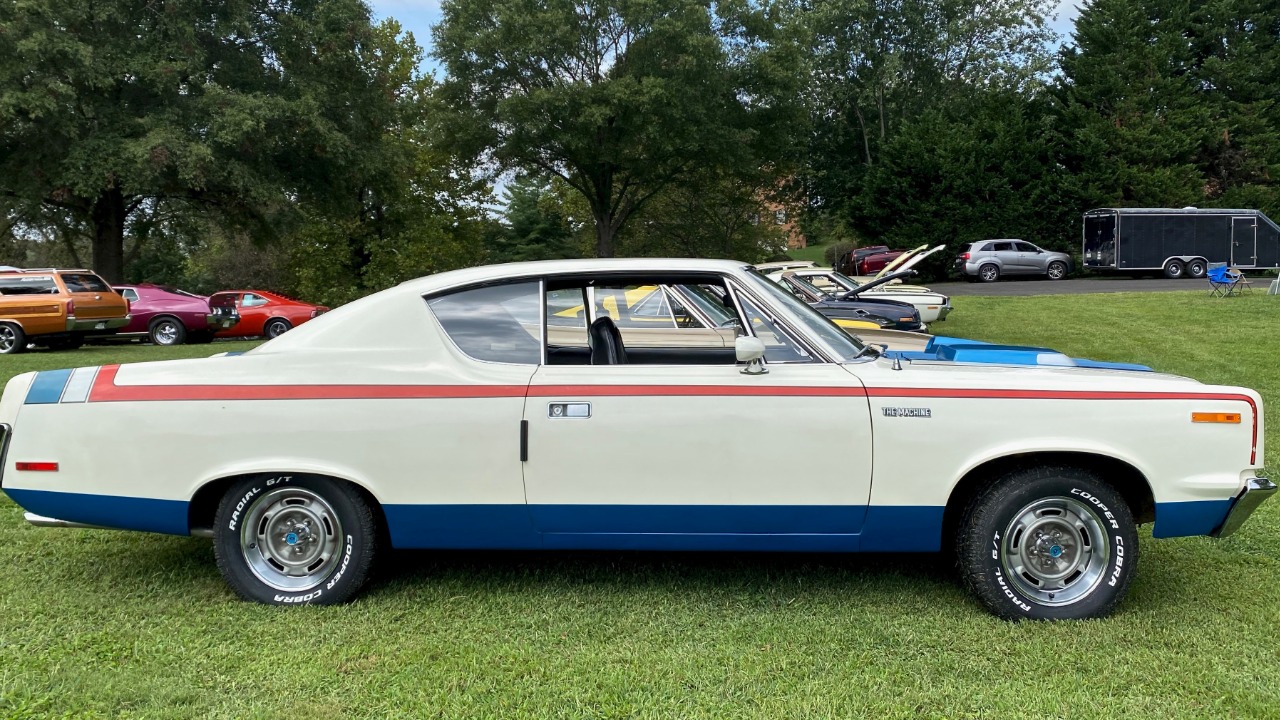
The AMC Rebel Machine 390 sits in a curious corner of the muscle car world, revered by dedicated fans yet still overlooked compared with the big-name Detroit heavyweights. Its mix of limited production, bold factory graphics, and serious performance has turned it into a cult favorite that is steadily climbing collectors’ lists. To understand where it truly ranks, I look at how its rarity, auction performance, and enthusiast demand stack up against better-known rivals from Chevrolet, Ford, and Chrysler.
How the Rebel Machine 390 was positioned in the muscle car era
AMC launched the Rebel Machine as a statement that the company could play in the same performance arena as the Big Three, and the 390 cubic inch V8 was central to that pitch. Period road tests highlighted that the car’s 340‑plus horsepower output, aggressive camshaft, and high compression gave it acceleration that could run with contemporary GTOs and Road Runners, especially when ordered with the factory performance axle ratios and four-speed manual transmission, as documented in detailed period specifications. The car’s factory quarter-mile times and top speed figures placed it firmly in the upper tier of early 1970s muscle machines, even if its badge lacked the instant recognition of a Chevelle SS 396 or Mustang Mach 1.
Styling and marketing pushed the Rebel Machine even further into niche territory, which matters for how collectors view it today. The most recognizable versions wore the red, white, and blue paint scheme with functional hood scoop and tachometer, a combination that made the car stand out in showrooms but also limited its mainstream appeal, according to contemporary sales reporting. AMC’s decision to build the Machine as a one-year, high-impact package on the Rebel platform, then pivot to the Matador, effectively froze its production run and helped create the scarcity that now underpins its collector status.
Production numbers and rarity compared with rival muscle cars
Rarity is one of the strongest arguments for the Rebel Machine’s desirability, and the production figures back that up. Surviving factory documents and later registry work indicate that AMC built roughly 2,326 Rebel Machines for the 1970 model year, a fraction of the tens of thousands of Chevelle SS, GTO, and Road Runner units produced in the same period, as summarized in comparative production data. When I line those numbers up against the broader muscle car field, the Machine falls into a category closer to specialty packages like the Plymouth A12 cars or certain Boss Mustangs than to mass-market performance trims.
That scarcity becomes even more pronounced when I factor in how many cars retained their original 390 engines, drivetrains, and distinctive appearance packages. Enthusiast registries and auction catalogs repeatedly note that many surviving Rebels were either stripped of their graphics or modified over the decades, which makes fully documented, correctly restored examples significantly harder to find, a trend reflected in recent auction descriptions. In practical terms, a collector hunting for a numbers-matching Rebel Machine 390 with its factory performance options faces a much narrower pool of candidates than someone shopping for a comparable Chevelle SS 396 or Charger R/T.
Current market values and auction performance
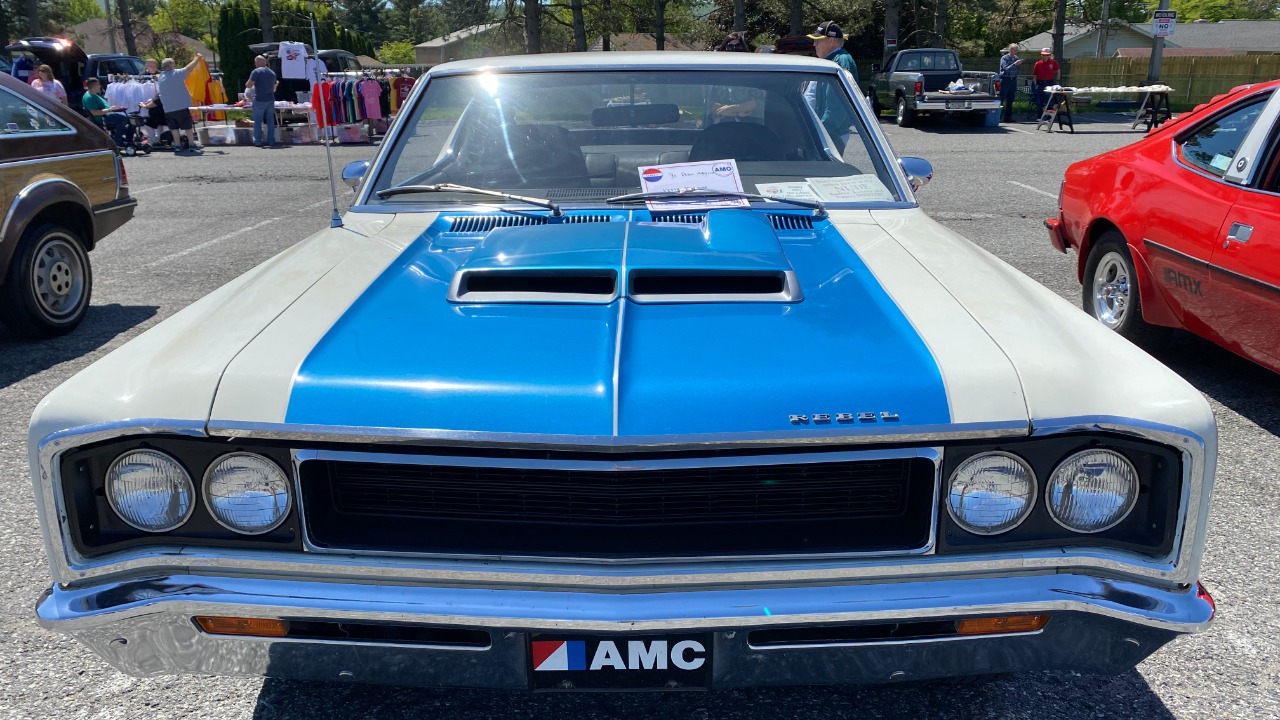
On price alone, the Rebel Machine 390 does not yet sit at the very top of the muscle car hierarchy, but it has moved well beyond bargain status. Recent sales tracked by major auction houses show strong six‑figure results for high-quality restorations, with documented cars in correct colors and drivetrains regularly bringing between USD 70,000 and USD 110,000, according to compiled valuation guides. That range places the Machine above many mainstream small-block muscle cars and on par with some big-block variants, although it still trails the most coveted LS6 Chevelles, Hemi Mopars, and Boss 429 Mustangs that can command several times as much.
What stands out in the data is the trajectory rather than the absolute numbers. Over the past decade, price guides and auction results show a steady upward trend for the Rebel Machine, with condition-sensitive spreads widening as top-tier restorations pull away from driver-quality examples, a pattern visible in multi-year price tracking. I see that as a sign that serious collectors are beginning to differentiate between ordinary AMC performance cars and the limited-run Machine, rewarding originality, documentation, and correct restoration details in a way that mirrors how the market matured for rarer Mopar and Ford packages earlier on.
How dedicated the AMC and muscle car community is to the Machine
Collector ranking is not just about money, it is also about how passionately enthusiasts support a car, and the Rebel Machine 390 benefits from a particularly loyal AMC community. Owners’ clubs and online forums maintain detailed registries, share decoding information for VIN and trim tags, and document factory-correct finishes and components, as seen in the extensive technical archives maintained by dedicated Rebel Machine registries. That level of grassroots documentation helps preserve the car’s authenticity and gives new buyers confidence that they can verify what they are purchasing, which in turn supports higher values for well-documented examples.
Beyond the AMC-specific world, the Machine has also gained visibility at broader muscle car events and concours gatherings, where it often appears as the lone representative of its brand among rows of Chevrolets and Fords. Coverage of national shows notes that Rebel Machines tend to draw disproportionate attention from spectators and judges precisely because they are rare and visually distinctive, a pattern reflected in event reports and photo galleries from major muscle car gatherings. That kind of presence does not automatically translate into top-tier auction prices, but it does signal that the car has moved from obscurity into the wider enthusiast consciousness, an important step in any model’s climb up the collector ladder.
Where the Rebel Machine 390 realistically ranks with collectors today
When I weigh performance, rarity, market data, and enthusiast support together, the Rebel Machine 390 occupies a solid upper-middle position in the muscle car collector hierarchy. It is more valuable and more sought after than many volume-built performance trims, especially in comparable condition, yet it generally trades below the most iconic halo cars that dominate headlines and record-setting auctions, a relationship that is clear when comparing cross-model market trend analyses. In practical terms, that means a serious collector might prioritize a Rebel Machine as a distinctive centerpiece in an AMC-focused or offbeat muscle collection, while a buyer chasing pure investment returns might still gravitate toward the most famous Chevrolet, Ford, or Chrysler nameplates.
At the same time, the Machine’s combination of limited production, strong period performance, and growing recognition suggests that its relative ranking could continue to improve as the market matures. Younger enthusiasts and seasoned collectors alike are increasingly looking beyond the usual suspects, and cars that tell a more unusual story, like the Rebel Machine 390, fit that shift in taste, a trend echoed in recent commentary on diversification within collector car portfolios. For now, the Rebel Machine sits in a respected niche: not the most expensive muscle car on the block, but a distinctive, historically significant piece that commands serious attention and steadily rising respect whenever it appears for sale.
More from Fast Lane Only:
- Unboxing the WWII Jeep in a Crate
- The Fastest Farm Truck Ever Built
- 10 Old Trucks That Were Built Like Tanks
- 12 Classic muscle cars still within reach for budget buyers
*Created with AI assistance and editor review.




Leave a Reply