
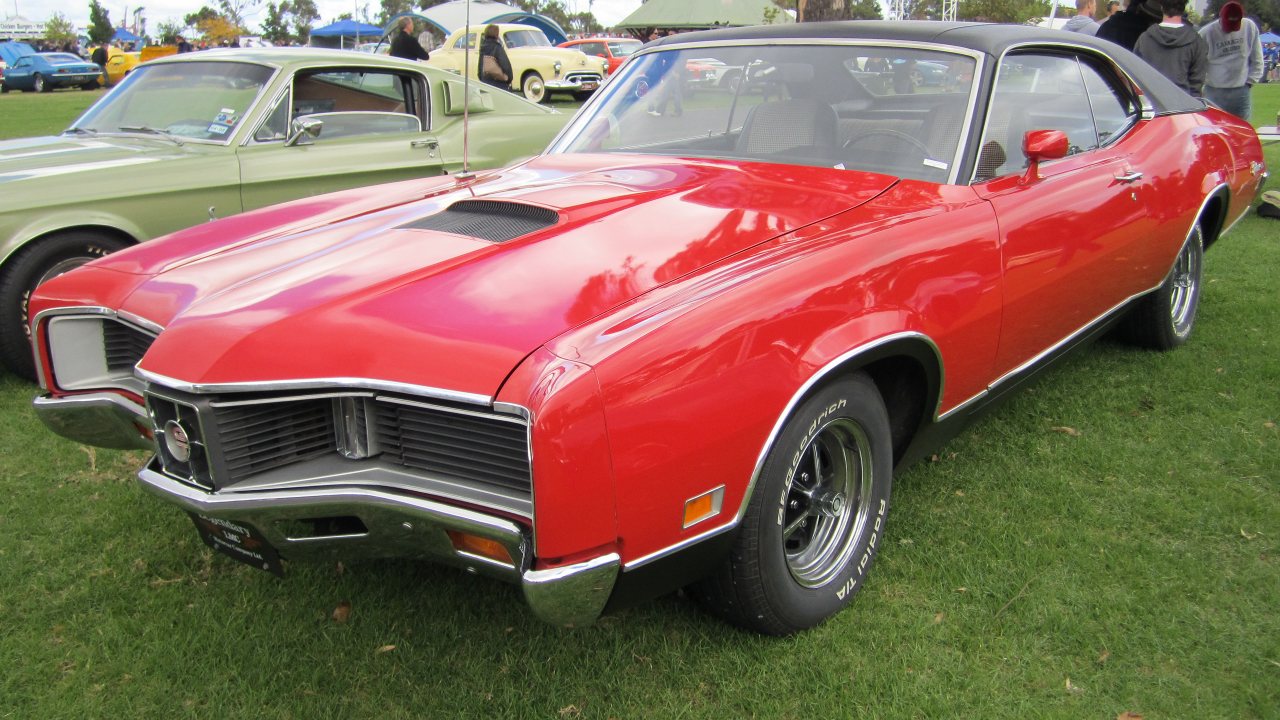
The 1969 Cyclone CJ arrived at a moment when Mercury needed more than straight-line speed, it needed a credible performance image that could carry into the aero battles on American ovals. The car’s mix of big-block power, competition friendly hardware, and wind-cheating sheetmetal made it a bridge between traditional muscle and the slippery “aero warrior” specials that followed.
By looking closely at how the Cyclone CJ was engineered and marketed, I can trace a direct line from this one-year package to Mercury’s later, more radical NASCAR oriented shapes. The CJ did not wear the extended nose of the Mercury Cyclone Spoiler II, but it helped justify Mercury’s aero push by proving that the brand could sell serious performance hardware to match its racing ambitions.
The one-year Cyclone CJ that reset Mercury’s performance image
Mercury’s decision to offer the Cyclone CJ for only a single model year gave the car an outsized symbolic weight inside the lineup. The package took the intermediate sized Mercury Cyclone, which was sold in a single fastback body style, and turned it into the top-of-the-line Cyclone CJ with a clear focus on power and competition credibility. Reporting on the 1969 Mercury Cyclone series describes this CJ variant as the performance pinnacle of the range, positioned above more comfort oriented trims and signaling that Mercury was serious about building a street car that could stand next to the era’s most aggressive muscle offerings from rival brands, a point underscored in detailed coverage of the Cyclone CJ.
That one-year window also sharpened the car’s narrative value. Later analysis of the 1969 Mercury Cyclone CJ notes that it is “perhaps lesser known” among Mercury’s performance machines, yet still emphasizes how this short run opened many eyes to Mercury’s performance potential. Coverage of the model’s launch and reception highlights how the CJ’s specification, including aggressive axle ratios and heavy duty components, forced enthusiasts to reconsider Mercury as more than a comfort leaning sibling to Ford, a theme reinforced in reporting that describes the one-year-only 1969 Cycl as a turning point for the brand’s performance image.
Cobra Jet power and hardware built for real speed
Under the hood, the Cyclone CJ carried the kind of engine that made its performance claims impossible to ignore. The package was built around a 428 cubic inch Super Cobra Jet V8, and contemporary reporting specifies that this 7.0 liter unit was officially rated at 335 horsepower. That same coverage notes that the CJ428 was available in multiple configurations, including Ram Air setups, and that the combination of the 428 displacement and the 335 horsepower rating made the car a serious threat in the late 1960s muscle hierarchy, details laid out in depth in analysis of the Equipped Super Cobra Jet option.
The drivetrain around that engine was just as telling about Mercury’s intentions. Reports on the 1969 Mercury Cyclone CJ describe performance axle ratios of up to 4.30:1, a figure that speaks directly to quarter mile priorities and high rpm work on track. Those same sources argue that this gearing, combined with the big block torque, “opened many eyes” to what Mercury could do when it stopped chasing only comfort and started chasing elapsed times, a point backed by period style coverage of the 4.30 rear axle and its impact on the CJ’s reputation.
From straight-line bruiser to “aero warrior” look
Even before Mercury stretched noses and reworked rear glass for NASCAR, the Cyclone CJ carried visual cues that hinted at aerodynamic thinking. Coverage of a well preserved example notes that from certain angles the Cyclone CJ looked “every bit the aero warrior” it was on stock car tracks, language that reflects how the fastback roofline and smoothed body sides were already working with the air rather than simply cutting a boxy profile. That same reporting, which walks around the car in detail, ties the CJ’s stance and proportions directly to its competition role in NASCAR, reinforcing the idea that the street car’s shape was already part of Mercury’s aero story.
The CJ’s styling also set the stage for the more specialized aero variants that followed. The basic Cyclone fastback body, with its long hood and sloping rear, became the foundation for later wind-cheating evolutions, and period descriptions of the 1969 Mercury Cyclone series emphasize that the CJ shared this core architecture with the rest of the line. When Mercury later refined that shell into the Mercury Cyclone Spoiler II, the company was not starting from scratch, it was sharpening a form that had already proven itself visually and competitively, a progression that becomes clear when comparing the CJ focused coverage with technical summaries of the Mercury Cyclone Spoiler II.
How the CJ fed Mercury’s NASCAR and aero ambitions
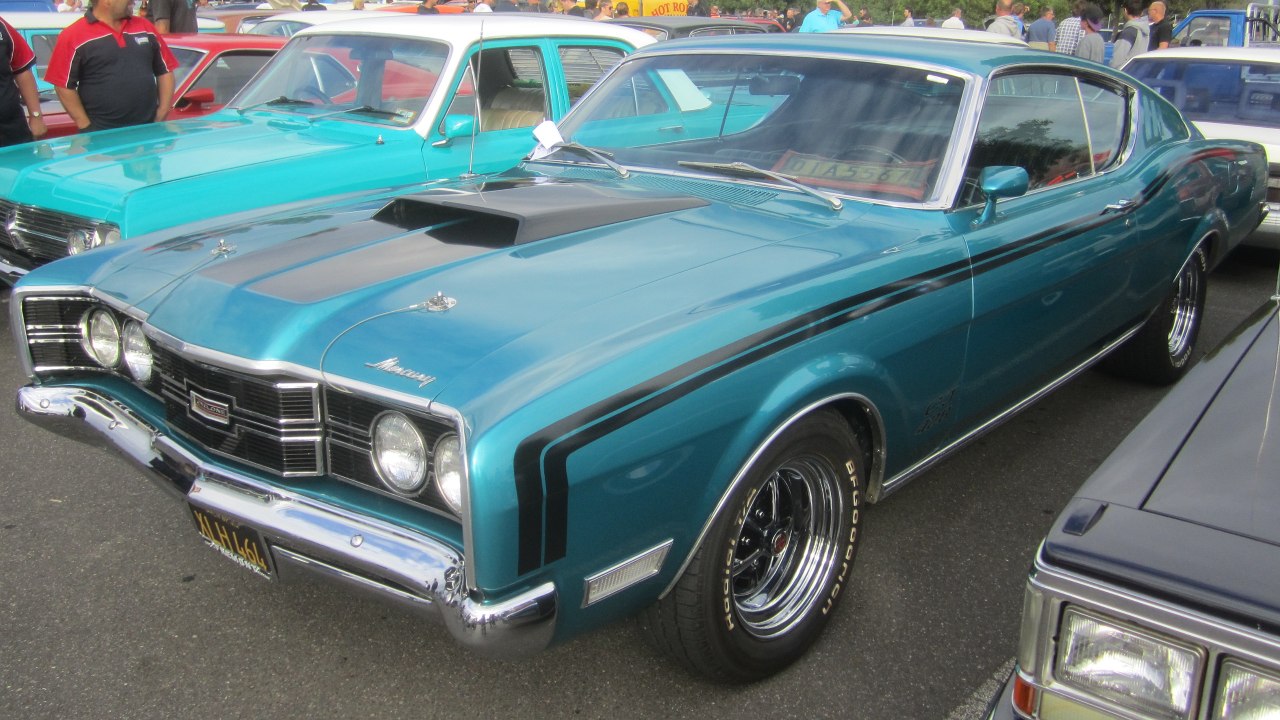
The Cyclone CJ did more than look the part, it was built with the kind of durability and specification that made sense for stock car racing. Reporting on a 1969 Mercury Cyclone CJ sold through a dealership in North Carolina points out that the car was delivered in the heart of NASCAR country, and notes there is a strong possibility it was ordered with competition in mind. That same account stresses that the 1969 Mercury Cyclone series was already associated with racing, and that the CJ’s heavy duty components and big block power made it a natural candidate for track duty in North Carolina NASCAR circles.
On the track, the Cyclone based aero cars would eventually become part of the so-called “aero warrior” battles, and the CJ’s existence helped justify Mercury’s investment in that fight. Later overviews of the Mercury Cyclone Spoiler II describe it as very successful in NASCAR competition and note that it was closely related to Ford’s Torino Talladega, another purpose built aero car. Those same summaries explain that once the Mercury Cyclone Spoiler II and its rivals had their day, the aero wars were essentially over, which underscores how brief and intense that period was. The CJ’s role, as I see it, was to prove that Mercury could sell a serious performance Cyclone to the public, giving the brand cover to homologate the more extreme Ford linked Torino Talladega based aero specials that followed.
Comfort, Spoiler flair, and the road-going payoff
While the Cyclone CJ leaned hard into performance, Mercury also understood that buyers wanted some comfort and style to go with their speed, a balance that became even clearer in the related Spoiler models. Detailed descriptions of the 1969 Mercury Cyclone Spoiler highlight how the car blended performance oriented design elements with a reasonably comfortable cabin, including supportive seats and comprehensive instrumentation. That reporting argues that this mix made the Spoiler a well rounded muscle car that appealed to drivers who wanted power, speed, and excitement without giving up everyday usability, a point that helps explain why the Spoiler name still resonates with enthusiasts.
The Cyclone CJ sat close to that same intersection of comfort and aggression, even if its mission skewed more toward the drag strip and the superspeedway. Later retrospectives on the 1969 Mercury Cyclone Cobra Jet describe it as a bold and powerful contender in the muscle car wars, representing Mercury’s push to be seen as a serious performance player rather than a purely upscale alternative. Those accounts, which frame the Mercury Cyclone Cobra Jet as a one-year statement car, reinforce how the CJ and its Spoiler relatives worked together to move Mercury’s image, giving the brand both a hardcore halo and a more livable performance option under the broader Mercury Cyclone Cobra Jet and Spoiler banners.
Why the CJ still matters in Mercury’s aero legacy
Looking back now, I see the 1969 Cyclone CJ as the hinge between Mercury’s traditional muscle era and its brief but intense aero phase. The car combined a serious big block engine, competition friendly gearing, and a fastback body that already hinted at wind tunnel thinking, then backed that up with real NASCAR involvement. Period and retrospective coverage alike describe the Cyclone CJ as every bit the aero warrior on track, even before the extended nose and refined surfaces of the Spoiler II arrived, a characterization that ties the CJ directly to the later See All aero specials.
The fact that the CJ was offered for only one year also concentrates its importance. Reports that call it “perhaps lesser known” within Mercury’s pantheon still acknowledge that it opened many eyes to what the brand could do, and that it helped set the stage for the Mercury Cyclone Spoiler II and its Ford Torino Talladega counterpart. In that sense, the Cyclone CJ mattered not just as a quick 1969 muscle car, but as the proof point that allowed Mercury to chase the aero edge in NASCAR and on the street, a legacy preserved in the way enthusiasts and historians continue to connect the Mercury name to both brute power and slippery speed.


Leave a Reply