
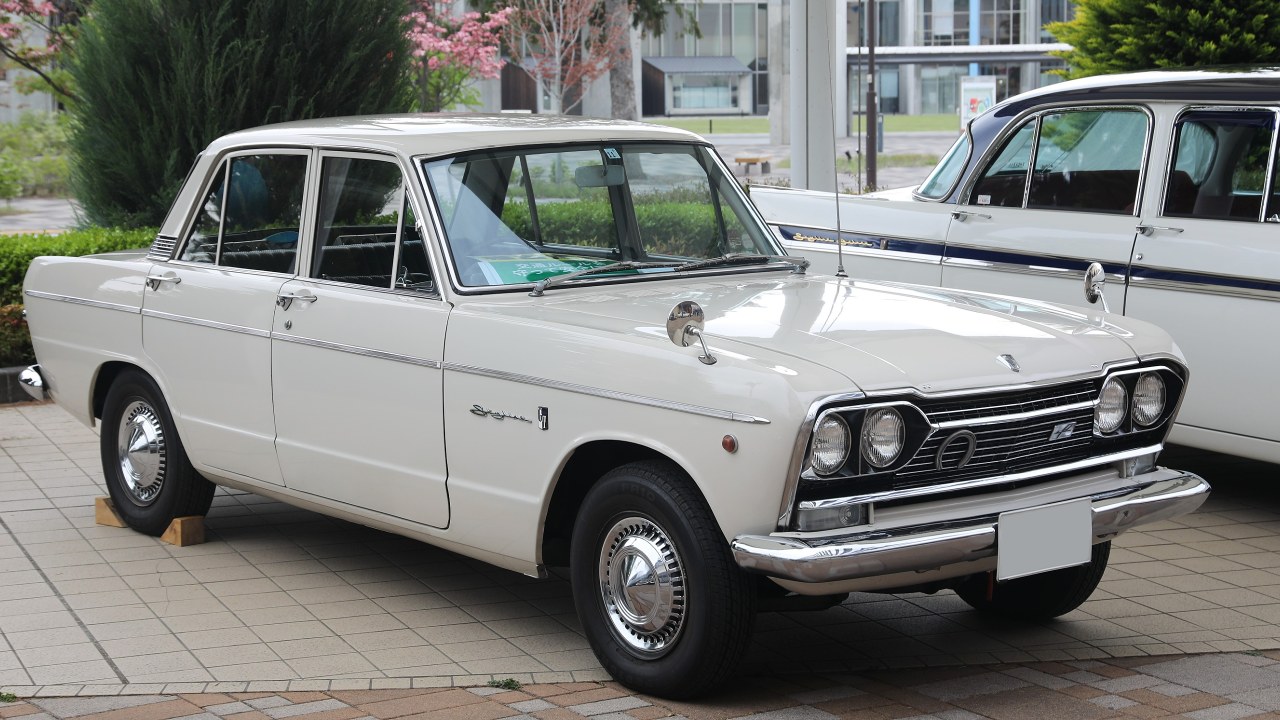
For decades, American buyers largely shrugged at a wave of foreign cars that did not fit domestic tastes, regulations, or dealer priorities. Many of those machines are now coveted by enthusiasts who pore over auction listings, import rules, and build sheets to secure the very models that once seemed too odd, too slow, or too niche for the United States.
What changed is not just the 25‑year import rule but a broader shift in what drivers value: character, engineering quirks, and analog feel have become selling points rather than liabilities. I see that pattern clearly in the way once‑ignored imports now command serious money, dedicated fan clubs, and long waitlists at specialist shops.
How the 25‑year rule turned forbidden fruit into fan favorites
The single biggest structural reason so many once‑ignored imports are suddenly desirable is the federal rule that lets vehicles at least 25 years old bypass modern crash and emissions standards. For years, that regulation kept a long list of Japanese and European models effectively off limits, which meant American buyers never had the chance to reject them in the showroom. Once the clock ran out, enthusiasts discovered that these cars offered a mix of compact size, high‑revving engines, and analog driving feel that had largely disappeared from new‑car lots, and demand surged accordingly as more models aged into eligibility.
That legal shift did not happen in a vacuum. It intersected with the rise of online marketplaces and specialist importers that could surface clean examples from Japan, Europe, and Australia, then walk buyers through the paperwork. As more of those cars landed on U.S. soil, their presence on social media and at track days created a feedback loop, turning obscure chassis codes into recognizable badges of honor and pushing prices up on everything from right‑hand‑drive kei trucks to homologation specials that had never been federalized when new.
Japanese performance icons that America underestimated
Some of the most dramatic reversals involve Japanese performance cars that were either never sold here or arrived in watered‑down form. High‑spec versions of models like the Nissan Skyline, Toyota Chaser, and Mitsubishi Lancer Evolution were engineered for markets with different fuel, tax, and insurance regimes, so U.S. product planners often assumed there was no viable business case. Once enthusiasts could import the exact variants they had seen in period motorsport coverage and video games, those assumptions unraveled, and the cars that had been written off as too niche suddenly looked like blue‑chip collectibles.
That shift is especially visible in the way tuners and track‑day drivers now treat these cars as platforms rather than curiosities. Strong factory drivetrains, robust aftermarket support, and relatively simple electronics make them easier to modify than many newer turbocharged models, which are more tightly integrated with complex stability systems. As a result, the same attributes that once made these imports seem out of step with mainstream American tastes now read as advantages for drivers who want a direct connection between mechanical inputs and on‑road response.

Kei cars and micro‑trucks: from regulatory oddities to lifestyle toys
At the other end of the spectrum, Japanese kei cars and micro‑trucks illustrate how a vehicle designed for one country’s tax code can find a second life as a lifestyle accessory somewhere else. Built to meet strict limits on size and displacement, these tiny vans and pickups were never intended for American interstates, and for years they were dismissed as too slow and too small for U.S. buyers. Once older examples became import‑eligible, however, enthusiasts discovered that their compact footprints, low running costs, and quirky styling made them ideal for city errands, campsite duty, and shop‑truck roles that did not require highway speeds.
Specialist dealers now routinely bring in right‑hand‑drive kei trucks with fold‑down beds, high‑roof vans with modular interiors, and boxy hatchbacks that blur the line between car and appliance. Owners often customize them with lift kits, roof racks, and vinyl wraps, leaning into their toy‑like proportions rather than trying to disguise them. What began as a workaround for Japanese parking and tax rules has become a canvas for American hobbyists who value personality and utility over conventional notions of size and power.
European diesels and wagons that finally found their crowd
Europe has long embraced diesel engines and station wagons in a way the United States never fully did, which left a gap between what manufacturers built and what American dealers were willing to stock. Many efficient, long‑legged diesel sedans and wagons stayed overseas or arrived here in limited numbers, overshadowed by crossovers and gasoline SUVs. As those models aged into import eligibility, enthusiasts who wanted long‑range touring cars with understated styling and high‑mileage durability began seeking them out, treating them as an antidote to the bulk and complexity of newer utility vehicles.
The appeal is not purely nostalgic. Older European diesels often combine relatively simple mechanical injection systems with comfortable highway manners and practical cargo space, a mix that suits drivers who log serious miles or tow small trailers. Likewise, performance‑oriented wagons that never made it to U.S. showrooms now attract buyers who want sports‑sedan dynamics without giving up the ability to haul bikes, tools, or family gear. In both cases, the very body styles and powertrains that once seemed like non‑starters for American marketing departments have become selling points for a more informed, more patient slice of the market.
Why overlooked imports resonate in today’s car culture
The common thread running through these stories is a shift in what a certain group of American drivers values. As new vehicles have grown heavier, more automated, and more similar across brands, older imports that feel distinct have gained cultural capital. I see enthusiasts gravitating toward cars that demand some adaptation, whether that means learning to live with right‑hand drive, sourcing parts from overseas, or accepting slower acceleration in exchange for character and simplicity.
That does not mean every obscure foreign model is destined for cult status, or that mainstream buyers will suddenly abandon crossovers for kei vans and diesel wagons. It does suggest, however, that the American market is no longer as monolithic as it once appeared. The imports that were ignored when new now serve as rolling reminders that taste can change, regulations can loosen, and yesterday’s misfit can become tomorrow’s must‑have for drivers who are willing to look beyond the official product plan.


Leave a Reply