

Performance SUVs were once treated as disposable toys, bought for pace and presence rather than staying power. Yet a handful of fast, high-riding models have quietly matured into long-haul workhorses that keep their edge long after the novelty should have worn off. I want to look at the rare performance SUVs that have aged better than expected, not just in straight-line speed, but in reliability, longevity and resale strength.
Why some performance SUVs outlast their reputation
On paper, performance and longevity rarely mix. Extra power usually means more stress on components, higher running costs and a shorter window before the car feels dated. In practice, a few SUVs have bucked that pattern by starting from robust platforms and layering performance on top of proven hardware. When a fast SUV is built on a chassis and drivetrain already known for durability, the result can be a family hauler that still feels tight and trustworthy long after the first owner moves on.
That pattern shows up clearly in long-term reliability data for family SUVs. Independent reliability rankings of mainstream high-riding models highlight brands that consistently deliver dependable crossovers and 4x4s, even as they add more power and equipment. In those lists, models from manufacturers with a track record for solid engineering and conservative powertrains tend to dominate the upper tiers, which helps explain why some of their more powerful trims age so gracefully. When a performance variant shares its core mechanicals with a highly rated family SUV, the odds of it staying strong into six-figure mileage improve dramatically, as recent reliability survey data makes clear.
Toyota 4Runner: old-school hardware, surprisingly strong value
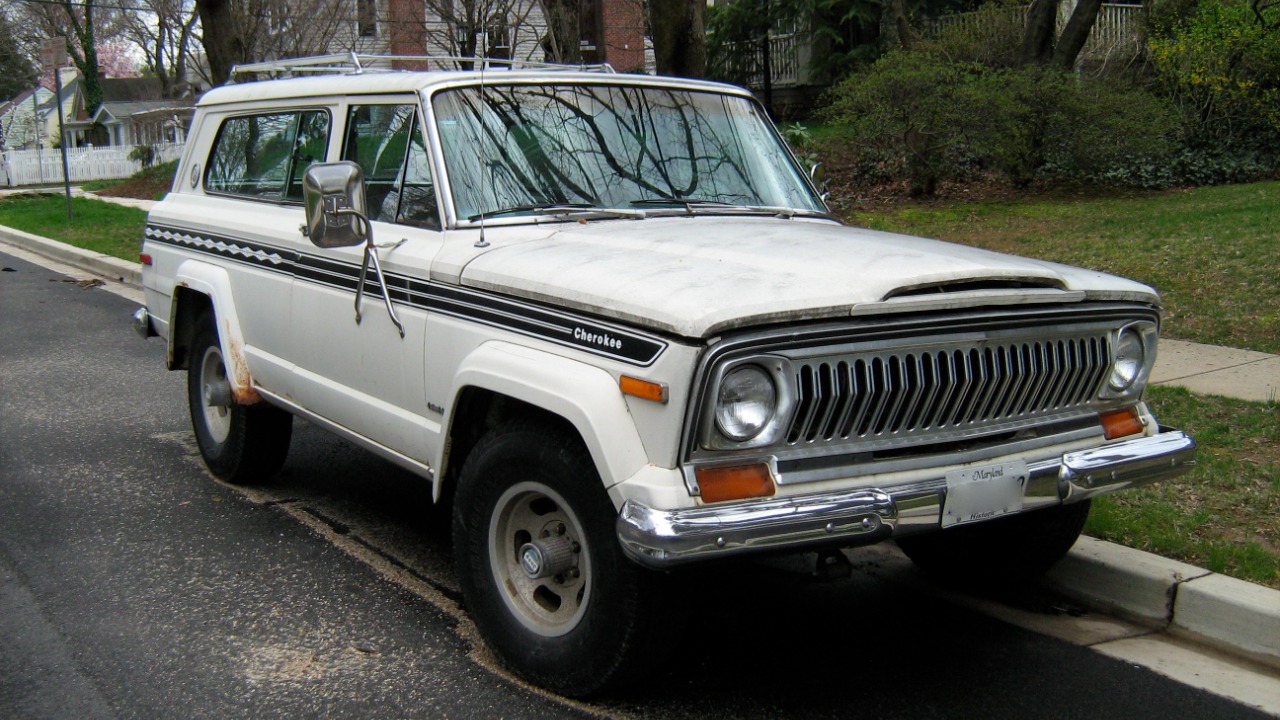
The Toyota 4Runner is not marketed as a traditional performance SUV, yet its combination of a torquey engine, body-on-frame construction and serious off-road ability gives it a very specific kind of performance that owners actually use. What makes it stand out is how well that package holds up over time. Instead of chasing every new tech trend, Toyota has refined a relatively simple formula, and that restraint has paid off in both durability and demand on the used market.
Evidence for that staying power is unusually clear. A detailed resale study published on Aug 12, 2025, singled out the Toyota 4Runner as the SUV with the best resale value over 5 years, noting how it retains a larger share of its original price than rivals despite its age. Separate longevity research from Mar 13, 2025, ranked the Toyota 4Runner at the top of a list of SUVs likely to last 250,000 Miles, highlighting owners who routinely see odometer readings in excess of that figure. That study stressed that while not every model year is perfect, the underlying engineering and conservative tuning mean the 4Runner’s performance character does not fade quickly, even when used hard.
Toyota’s broader SUV lineup: performance trims built on longevity

Zooming out from a single model, Toyota’s wider SUV range shows how a brand’s reliability culture can support more focused performance variants. When a manufacturer is known for building crossovers and 4x4s that run for decades, adding a stronger engine or sportier suspension does not automatically compromise that core strength. Instead, it can create a fast family SUV that still feels like a safe long-term bet, which is exactly what many buyers want when they stretch for a higher-spec trim.
Owner and expert discussions about long-lived SUVs consistently place Toyota near the top of the pack. A widely cited reliability breakdown from Oct 11, 2025, groups Toyota, Honda, Subaru and Nissan together as the brands with the best longevity and reliability ratings, while also noting that Hyundai and Kia are rapidly improving. Within that context, Toyota’s performance-leaning SUVs, from off-road focused models to sportier trims of family crossovers, benefit from the same conservative engineering choices that keep the 4Runner running. The result is a group of SUVs that can deliver brisk acceleration or serious off-road pace without turning into liabilities once the warranty expires.
BMW X5: premium performance that still feels current
At the other end of the spectrum from rugged ladder-frame trucks, the BMW X5 shows how a premium performance SUV can age gracefully when it starts from a strong base. The X5 has long been pitched as a driver’s SUV, with sharp handling and powerful engines that make it feel closer to a sports sedan than a family hauler. That kind of focus can date quickly if the underlying platform is fragile or the tech ages badly, yet the X5 has managed to stay relevant across multiple generations.
Recent buyer guides that rank the best SUVs to buy in 2025 still place the BMW X5 near the top, describing it as both Powerful and classy. That combination matters for long-term appeal. A performance SUV that still feels refined and contemporary inside, even after several years, is far less likely to be written off as a dated relic. While detailed long-term reliability statistics for every X5 variant are not fully verified based on available sources, the model’s continued presence in current “best SUV” shortlists suggests that earlier performance versions have not poisoned its reputation. Instead, the X5 has evolved in a way that keeps older examples desirable, especially when they have been maintained properly.
How reliability rankings quietly shape performance SUV reputations
Underneath the headlines about horsepower and 0 to 60 times, reliability rankings for family SUVs quietly shape which performance models hold their value and which ones fade. When a brand’s mainstream crossovers score well in owner surveys, that halo tends to extend to its faster, more expensive trims. Buyers shopping used performance SUVs often start by asking which badges they can trust, and they lean heavily on those broad reliability scores when they cannot verify every detail of a specific car’s history.
Recent survey data on most reliable family SUVs illustrates how this works. Models from brands already praised for durability cluster near the top, reinforcing the idea that their platforms are a safe bet. When those same platforms underpin performance-oriented versions, such as sport packages or off-road performance trims, the positive perception carries over. That is one reason why SUVs like the Toyota 4Runner, and performance-leaning models from brands such as BMW, can command strong money years down the line. Their reputations are not built solely on speed, but on a track record of surviving hard use without constant trips to the workshop.

Leave a Reply