
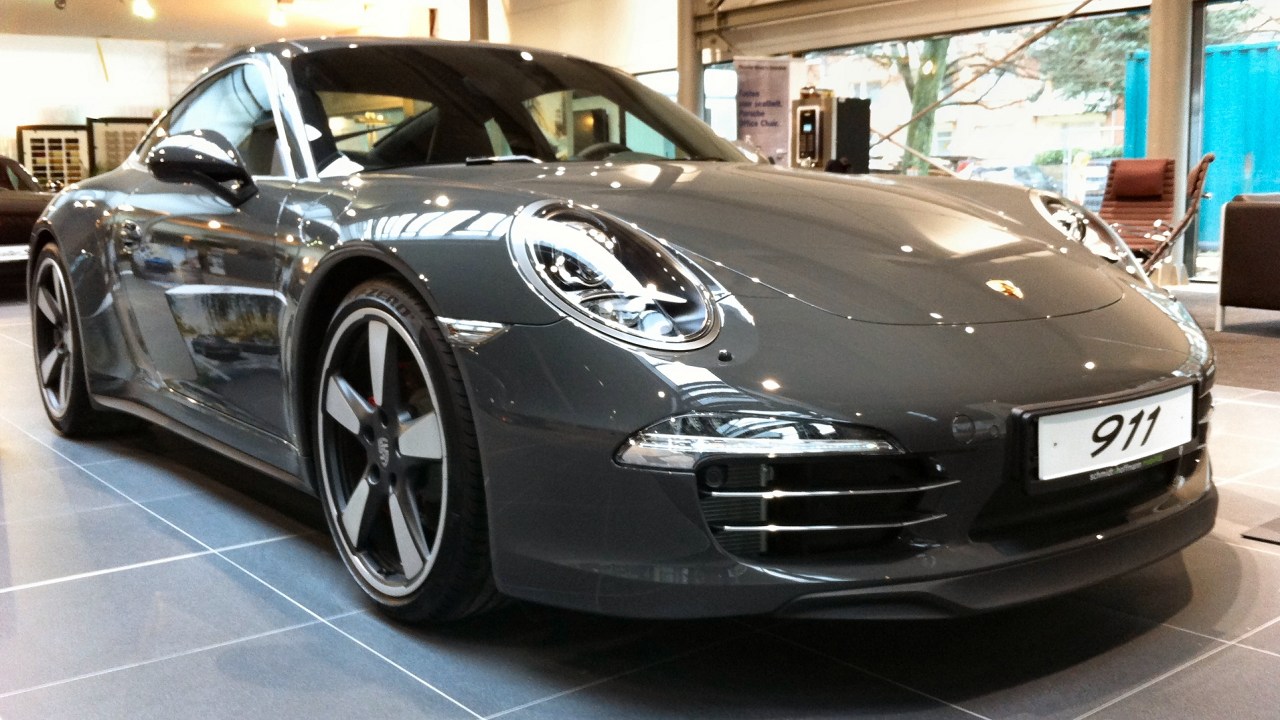
Automakers love a headline-grabbing halo car, but some of the most interesting limited runs slip quietly through showrooms with barely a ripple. The most intriguing special editions tend to be the ones that did not get the big-budget ad campaigns, yet still captured a moment in design, technology, or brand strategy.
When I look back at recent years, a pattern emerges: low-volume variants that either arrived at awkward times, were overshadowed by louder siblings, or were aimed so precisely at niche buyers that the wider market never noticed. Those are the models worth revisiting, because they often hint at where a brand was trying to go long before the mainstream products caught up.
Heritage throwbacks that never hit the spotlight
Some of the most overlooked special editions are the ones that tried to bottle nostalgia without the marketing muscle of a full retro reboot. Brands quietly revived historic badges or paint schemes, then moved on before most buyers realized what they were seeing. In several cases, these cars were built in tightly controlled numbers, with production capped in the low thousands or even hundreds, which meant they were effectively invisible in everyday traffic even when new.
That dynamic shows up clearly in limited “anniversary” and “heritage” trims that layered period-correct colors, wheels, and interior details onto otherwise standard platforms. Automakers used these runs to test how far they could lean into retro branding without committing to a full redesign, often tying them to specific milestones or motorsport achievements documented in their own heritage materials. Because the underlying hardware was familiar, dealers tended to treat them like option packages rather than headline products, which kept transaction prices close to the core model but also kept awareness low.
Track-focused specials hiding in plain sight
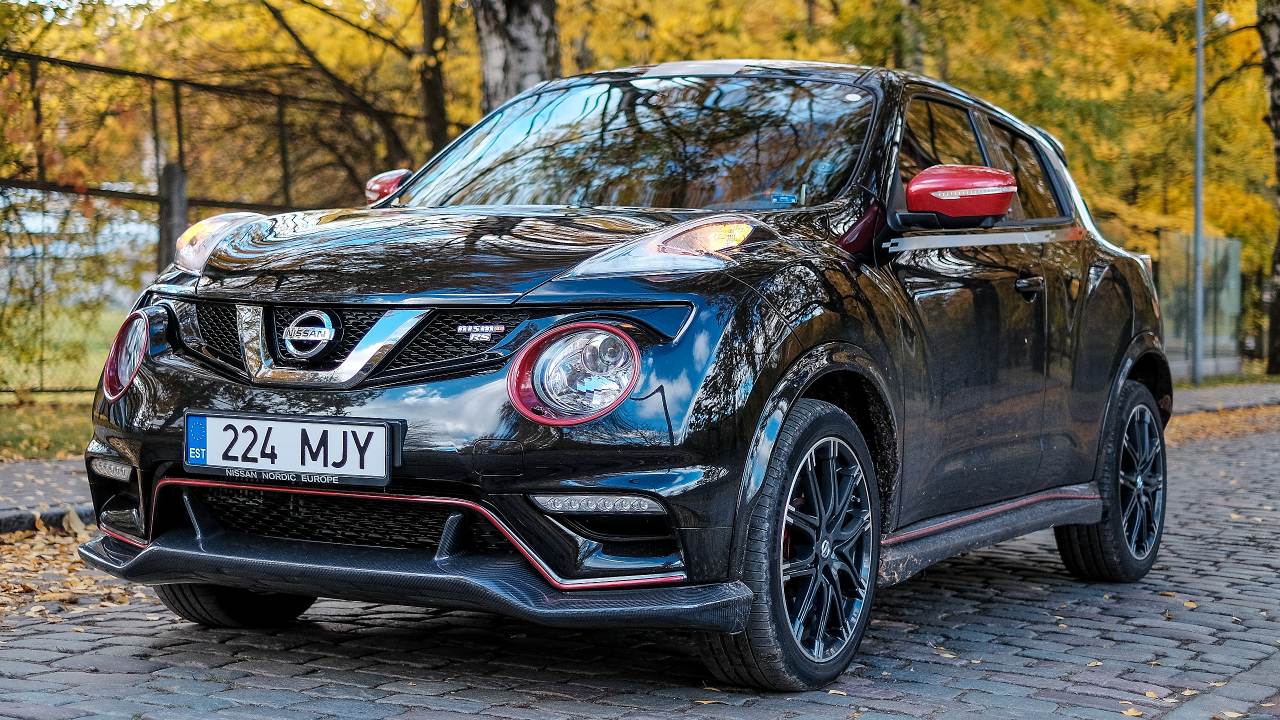
At the other end of the spectrum are the track-biased specials that quietly turned mainstream cars into weekend-club weapons. These editions typically added stiffer suspensions, upgraded brakes, and stickier tires, sometimes paired with modest power bumps that did not change official output figures but did sharpen response. Manufacturers often validated these tweaks through internal testing and customer racing programs, then folded the lessons into limited “club sport” or “performance pack” variants that were sold in small batches.
Because these cars were still road legal and shared bodywork with standard trims, they rarely got the visual drama of full homologation specials. Instead, the meaningful changes were buried in spec sheets and engineering notes, such as recalibrated stability control, shorter final-drive ratios, or additional cooling hardware referenced in technical product documentation. For buyers who did not read beyond the brochure headline, they looked like marginally pricier versions of the same car, which kept demand modest and ensured that only a small circle of enthusiasts understood what they offered.
Tech and powertrain experiments that came and went
Some special editions were less about styling or performance and more about quietly trialing new technology. Limited-run hybrids, plug-in variants, or alternative-fuel trims often appeared in select markets with constrained allocations, giving engineers real-world data without forcing the entire lineup to pivot at once. Automakers documented these experiments in regulatory filings and technical compliance records, but they rarely promoted them as halo products, which meant many shoppers never realized they were looking at early previews of future drivetrains.
In several cases, these tech-led specials arrived just ahead of major regulatory shifts, serving as bridge products between outgoing engines and stricter emissions or efficiency standards. Limited-volume plug-in hybrids and low-volume battery-electric variants, described in internal efficiency data, allowed brands to test charging behavior, software strategies, and customer tolerance for range trade-offs. Because they were often priced higher than comparable combustion models and sold in small numbers, they slipped under the radar at launch, only to look far more significant in hindsight once the same technologies became mainstream across the range.

Leave a Reply