
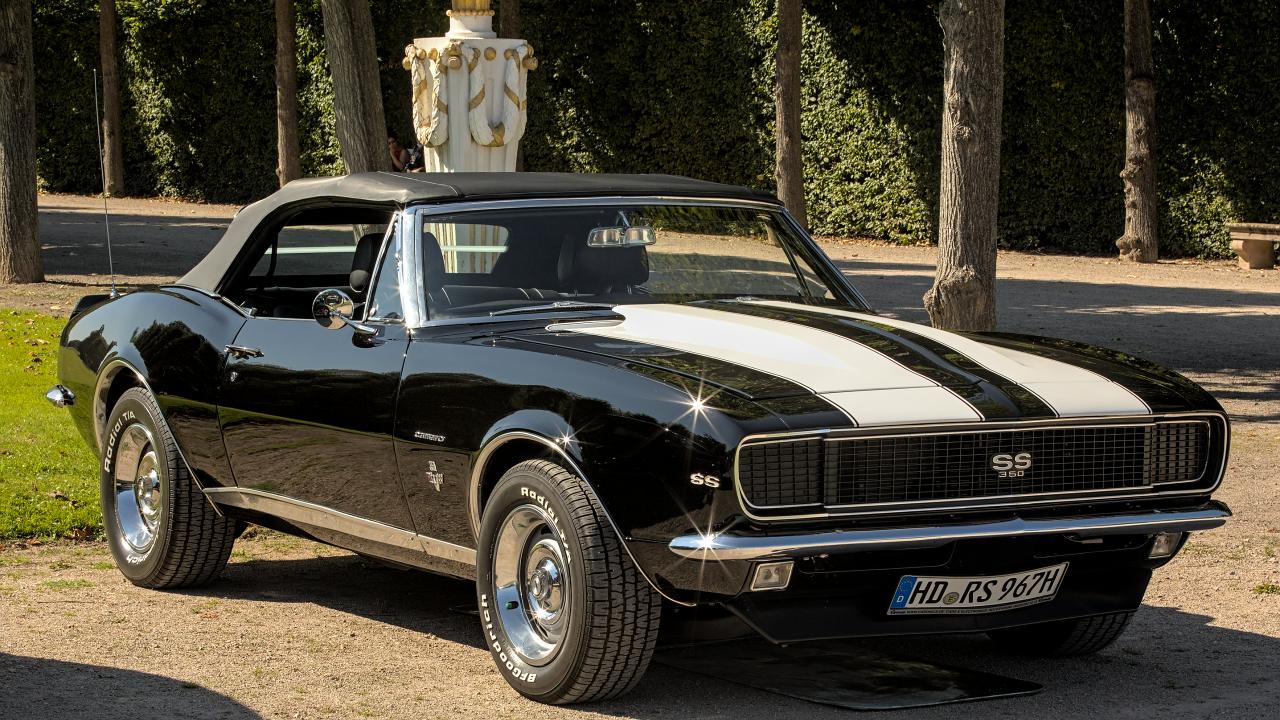
General Motors has built some of the most recognizable cars in American history, but a surprising number of its best efforts never escaped lukewarm reputations. Overshadowed by marketing missteps, timing, or badge snobbery, these models quietly delivered serious performance and engineering while the spotlight fell elsewhere. Looking back with a cooler eye, I see several GM cars that deserved far more respect than they ever received on the showroom floor.
Reputation in the car world tends to calcify around a few loud narratives, especially for a giant like GM, yet the product story is far more nuanced. When I sift through enthusiast reporting and long-term impressions, a pattern emerges: some of GM’s most complete driver’s cars were either misunderstood at launch or dismissed because they did not fit a fashionable image. Those are the models worth revisiting now.
The fourth-generation Camaro that enthusiasts quietly loved
Among GM’s modern performance cars, the Fourth Generation Chevrolet Camaro is a textbook case of a model that drove better than its reputation suggested. In period, it was often reduced to stereotypes about straight-line speed and crude interiors, but the underlying hardware told a different story. With a rear-drive layout, stout V8 power, and a chassis that responded well to even basic suspension upgrades, it offered genuine sports-car pace for used compact money, which is why enthusiast lists of underrated GM cars have consistently highlighted the Fourth Generation Chevrolet as a must-own driver’s car.
The gap between image and reality came down to context. By the time the fourth-gen Camaro matured, the market had shifted toward SUVs and front-drive compacts, and GM’s own marketing energy was spread thin. Yet for drivers who cared more about steering feel than showroom buzz, the car’s long hood, low seating position, and strong small-block V8 created an experience that rivaled far pricier imports. When I look at how often this generation appears in enthusiast rankings of underrated GM models, especially in reporting from Aug 8, 2020 that singled it out as a car every gearhead should try at least once, it is clear the reputation lagged far behind the actual capability.
The Chevy SS, a world-class sedan hiding in plain sight
If there is a single GM product that proves how branding can bury brilliance, it is the Chevy SS. On paper, this was exactly what enthusiasts had begged for: a rear-wheel-drive sedan with a big V8, balanced chassis, and understated styling that did not scream for attention. In practice, the car arrived with almost no advertising, a generic name, and a price that nudged it into German luxury territory, which meant many buyers never realized GM was quietly selling a four-door performance car with genuine track credentials. Later analysis of overlooked Chevrolets has repeatedly argued that the Chevy SS is the most underrated Chevrolet of the modern era, a verdict that matches what I hear from owners who use them as daily drivers and weekend track tools.
The reporting from Dec 8, 2024, which examined why the SS never caught on despite its strengths, points to a mix of low-volume import economics and a badge that did not signal “premium” to shoppers cross-shopping European sedans. Yet the fundamentals were there: strong naturally aspirated power, rear-drive balance, and a cabin that, while not flashy, was comfortable enough for long commutes. When I weigh that against the car’s modest sales and near-invisibility in mainstream conversation, it is hard not to see the SS as a case study in how a great product can be kneecapped by quiet marketing and a cautious brand strategy rather than any real flaw in the car itself.
GM’s performance trucks before the segment was fashionable
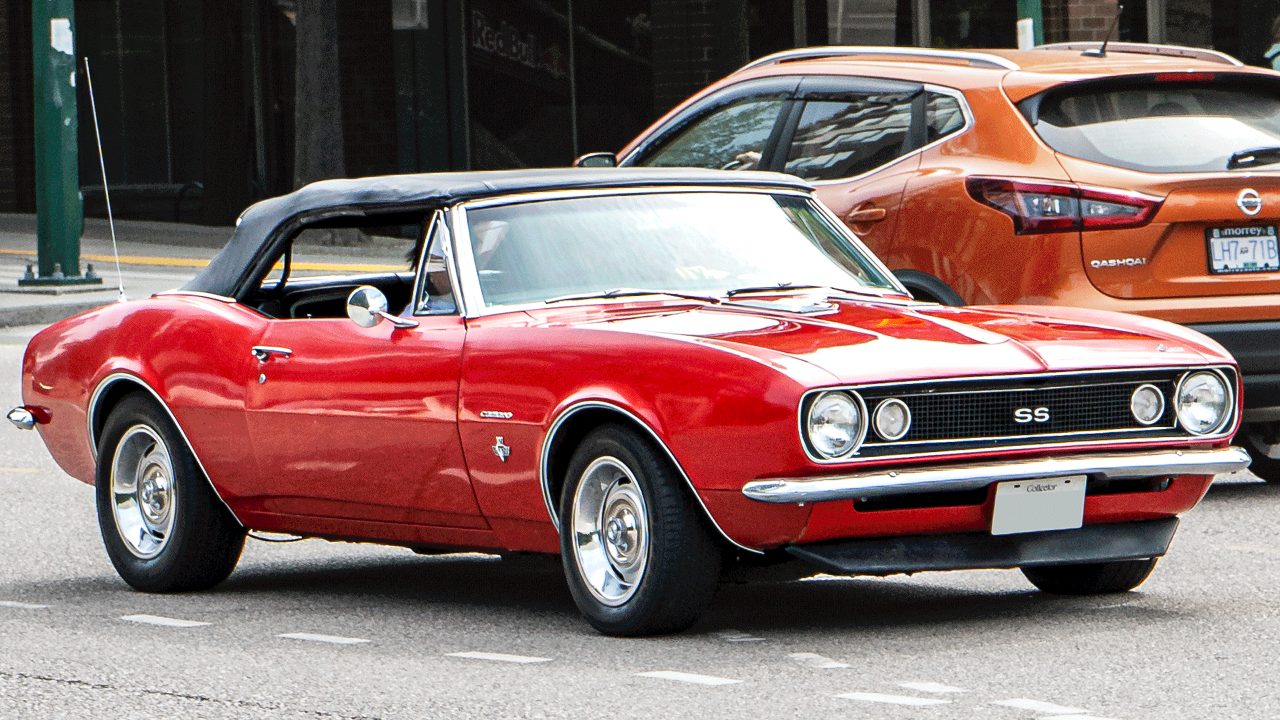
Long before high-horsepower pickups became status symbols, GM experimented with performance-oriented trucks that enthusiasts now regard as cult favorites. These early efforts combined work-truck practicality with uprated engines and chassis tuning, but they landed in a market that had not yet embraced the idea of a fast pickup as a lifestyle object. Later coverage of underrated GM vehicles has noted that, before performance pickup trucks were a mainstream category, GM was already building versions that delivered surprising speed and handling, a point underscored in the Aug 8, 2020 analysis of underrated GM cars.
What held these trucks back was not a lack of engineering ambition but timing. Buyers still saw pickups primarily as tools, and the idea of paying extra for performance hardware on a vehicle that might spend its life hauling and towing felt indulgent. In hindsight, that conservatism looks short-sighted, because the formula GM tested has since become a profit center for multiple brands. When I compare the early GM performance trucks described in enthusiast reporting with today’s high-output pickups, the lineage is obvious, yet the originals remain relatively affordable and underappreciated, a sign that their reputations never caught up with the role they played in shaping the segment.
How enthusiast culture rescued GM’s “sleepers”
One reason these GM models are being reevaluated is the way enthusiast culture has shifted over the past decade. As social media, forums, and track-day communities have matured, word-of-mouth has become more powerful than traditional advertising, and cars that deliver strong performance per dollar have gained new status. Lists compiled by gearhead writers in Aug 2020 that urge drivers to experience specific underrated GM cars, including the Fourth Generation Chevrolet, reflect that grassroots reassessment. Instead of chasing the newest badge, more buyers are hunting for “sleepers” that look ordinary but drive like serious performance machines.
That same dynamic has helped the Chevy SS find a second life in the used market. When a Dec 8, 2024 feature singled it out as the most underrated Chevrolet, the argument leaned heavily on how the car’s understated styling and low production numbers have turned it into a connoisseur’s choice rather than a mainstream status symbol. I see the same pattern across GM’s overlooked models: once the initial marketing cycle fades, the cars are judged on how they feel on a back road or a highway commute, not on how loudly they were promoted. In that environment, the gap between reputation and reality narrows, and GM’s quiet overachievers finally get the recognition they missed when new.
What GM’s underrated cars reveal about the company
Looking across these examples, a consistent theme emerges about GM’s strengths and blind spots. The company has repeatedly engineered cars and trucks that satisfy enthusiasts, from the Fourth Generation Chevrolet Camaro to the Chevy SS and early performance pickups, yet it has not always framed them in a way that resonates with the broader market. Reporting that highlights these models as underrated, whether in Aug 2020 roundups of must-own GM cars or in Dec 2024 deep dives into the most overlooked Chevrolets, underscores how often the product outpaced the narrative. As I weigh those accounts, I see a manufacturer capable of world-class dynamics that sometimes struggles to tell its own story.
For buyers, that disconnect has created an opportunity. The same lack of hype that kept these cars from becoming sales hits has also kept prices relatively sane on the used market, especially compared with more heavily marketed rivals. Enthusiast writers like Magdan, who was profiled chatting with JDM owners at local shows in the Dec 8, 2024 coverage of the Chevy SS, have helped bridge the gap between niche appreciation and wider awareness, but the core lesson remains: GM’s reputation, good or bad, does not always map neatly onto the quality of its individual models. For drivers willing to look past the badge hierarchy and the old jokes, some of the most rewarding cars in the company’s history are the ones that were quietly better than almost anyone gave them credit for at the time.

Leave a Reply