
Muscle cars have always traded on big numbers, from quarter-mile times to production totals, yet some of the most fascinating trims were built in quantities so tiny they barely registered in the sales charts. I see those low-volume packages not as footnotes but as pressure points where regulation, marketing and engineering briefly collided to create something strange, clever or commercially doomed. They may not have moved the market, but they reveal what Detroit was willing to try when the stakes were high and the window for old-school performance was closing.
Homologation specials that barely existed
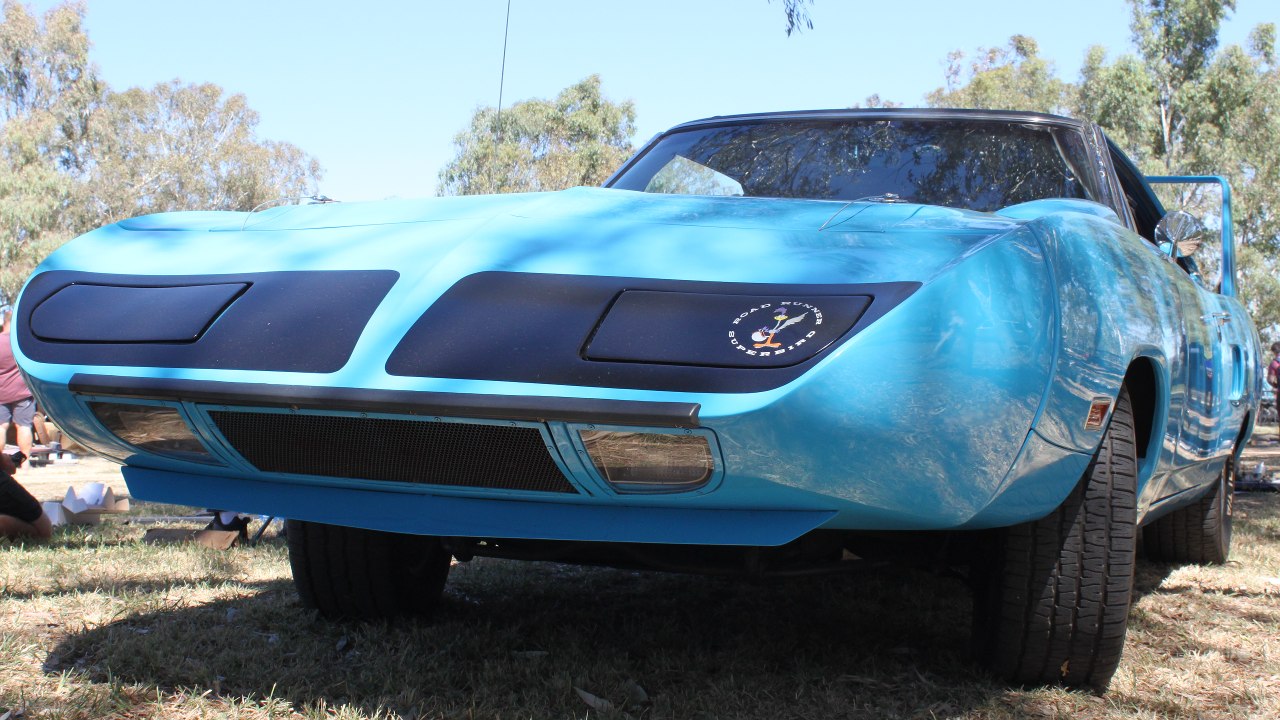
Some of the rarest muscle-era trims were never meant to be mainstream, they were built just long enough to satisfy racing rulebooks. I look at cars like the Plymouth Superbird and Dodge Charger Daytona as rolling loopholes, created so that aerodynamic tricks could be legalized for NASCAR even if only a few hundred buyers ever drove them on public roads. Those towering rear wings and wind-tunnel noses were not designed for showroom appeal, they were engineered to keep race teams competitive when sanctioning bodies demanded that race hardware be sold to the public in at least limited numbers.
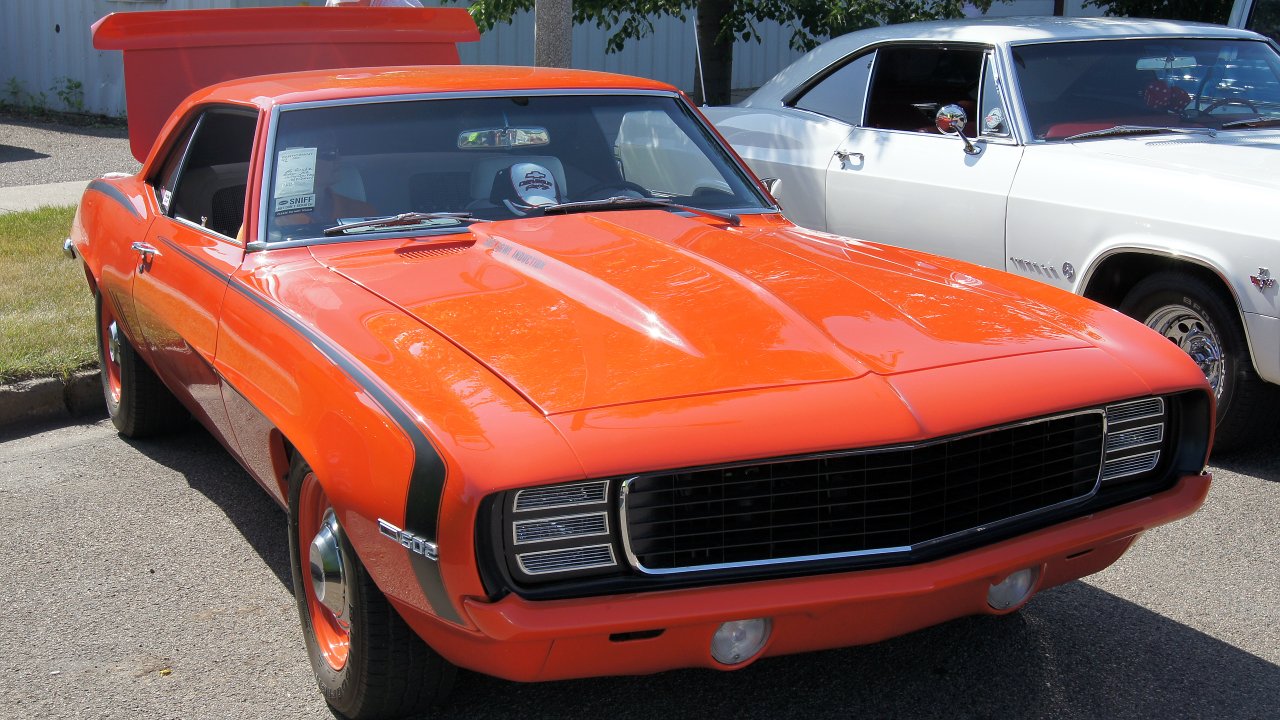
That logic produced production runs that were tiny by Detroit standards, with the Superbird widely reported at roughly 1,920 units and the Charger Daytona at about 503 cars. Those figures were enough to clear homologation thresholds but insignificant next to the hundreds of thousands of standard intermediates that shared their basic shells. The same pattern shows up in other competition-minded packages, such as the Chevrolet Camaro Z/28 that was originally configured to meet Trans-Am displacement limits, or the Pontiac Firebird Trans Am that launched with just 697 examples in its first year. These trims were never about volume, they were about unlocking race grids and, in the process, creating some of the most coveted muscle machines of their era.
Insurance, emissions and the retreat from peak power
As the original muscle wave crested, the market for extreme performance trims shrank under pressure from insurers and regulators, which is why some of the wildest packages were built in vanishingly small numbers. I see the early 1970s as a pivot from open horsepower escalation to quiet retreat, with high-compression big blocks suddenly becoming liabilities on dealer lots. Buyers who might have ordered a 426 Hemi or LS6 454 a few years earlier were now staring at surcharges and fuel worries, so the most aggressive options turned into rare checkboxes that only a handful of customers selected.
The numbers tell the story. The 1970 Plymouth Hemi ’Cuda hardtop is documented at just 652 units, with the convertible version limited to 14 cars, a figure that reflects how quickly the market cooled on ultra-high-output engines. Chevrolet’s 1970 Chevelle SS 454 LS6, rated at 450 horsepower, is estimated at 4,475 examples, a fraction of overall Chevelle production. As compression ratios dropped and net horsepower ratings replaced gross figures, later performance badges like the 1973 Pontiac GTO or 1974 Dodge Charger Rallye carried far milder outputs and sold in modest volumes, a sign that the appetite for peak-spec trims had been blunted by rising premiums and tightening emissions rules.
Dealer-built and COPO oddities that slipped through the cracks
Beyond factory order sheets, some of the most obscure muscle trims came from back-channel programs and dealer-built specials that were never meant to be mass products. I view these cars as experiments that exploited gaps in corporate policy, often by pairing big engines with smaller bodies in ways the official lineup did not advertise. Because they relied on special ordering systems or individual dealer initiative, their production totals were tiny and sometimes poorly documented, which only adds to their mystique today.
Chevrolet’s Central Office Production Order (COPO) system is the clearest example, allowing fleet-style requests to create cars like the 1969 Camaro COPO 9560 with the all-aluminum ZL1 427. Contemporary research places total ZL1 Camaro output at 69 units, a number that underscores how far this trim sat from mainstream Camaro production. Dealer-driven packages followed a similar pattern, such as the Yenko-modified Camaros and Novas that combined 427-cubic-inch engines with otherwise ordinary bodies, or the Royal Pontiac-tuned GTOs that quietly upgraded performance beyond factory specs. Even when these cars used off-the-shelf components, their reliance on special channels kept volumes low enough that they barely registered in corporate sales data, yet they now define an entire subculture of muscle-era collecting.
Modern halo packages that sell in token numbers
The pattern of ultra-low-volume performance trims did not end with the original muscle era, it resurfaced in the modern age as automakers used limited runs to generate halo buzz. I see contemporary examples like the Dodge Challenger SRT Demon and Chevrolet Camaro ZL1 1LE as spiritual successors to the old homologation specials, even when they are not built for a specific racing series. Their mission is to push performance boundaries, grab headlines and draw shoppers into showrooms, even if only a few thousand buyers actually take one home.
Dodge capped the original Challenger SRT Demon at 3,300 units, with 3,000 allocated to the United States and 300 to Canada, a deliberate choice that kept the drag-focused trim rare while still visible. Chevrolet’s track-oriented Camaro ZL1 1LE has been produced in low annual volumes relative to the broader Camaro line, with the package aimed at a narrow slice of buyers willing to trade comfort for lap times. Ford has followed a similar path with cars like the Shelby GT350R and GT500 track packages, which layer expensive hardware on top of already specialized models. In each case, the trims are built in numbers that barely affect corporate averages, yet they shape brand identity and keep the muscle narrative alive in an era dominated by crossovers and electrification.
Why tiny production runs still matter
On paper, trims built in a few dozen or a few thousand units look irrelevant next to the millions of cars Detroit has sold over the decades, but I see them as crucial to understanding how muscle culture evolved. These low-volume packages often served as test beds for technology, from aerodynamic bodywork to reinforced drivetrains and advanced suspensions, that later filtered into more accessible models. They also captured the imagination of enthusiasts, who treated them as proof that manufacturers were still willing to chase performance even when regulations, fuel costs and corporate risk aversion pushed in the opposite direction.
The long tail of that influence is visible in today’s collector market, where cars like the 1970 Hemi ’Cuda convertible, 1969 Camaro ZL1 and early Trans Am models command prices far out of proportion to their original showroom impact. Modern limited runs like the Challenger SRT Demon follow the same script, selling in constrained numbers while generating disproportionate attention and long-term brand equity. In that sense, muscle car trims built in numbers too small to matter on a balance sheet have ended up mattering quite a lot to the story enthusiasts tell about American performance, from the first homologation specials to the last gas-powered halo coupes.




Leave a Reply