
Sports coupes once defined accessible performance, yet many of the nameplates that filled posters and parking lots have quietly disappeared. As buyers shifted toward taller, more practical vehicles and regulators tightened emissions and safety rules, some of the most characterful two-doors slipped out of showrooms and off the roads. I want to trace how that happened, and why a few survivors now feel like the last of a nearly extinct breed.
From hero cars to historical footnotes
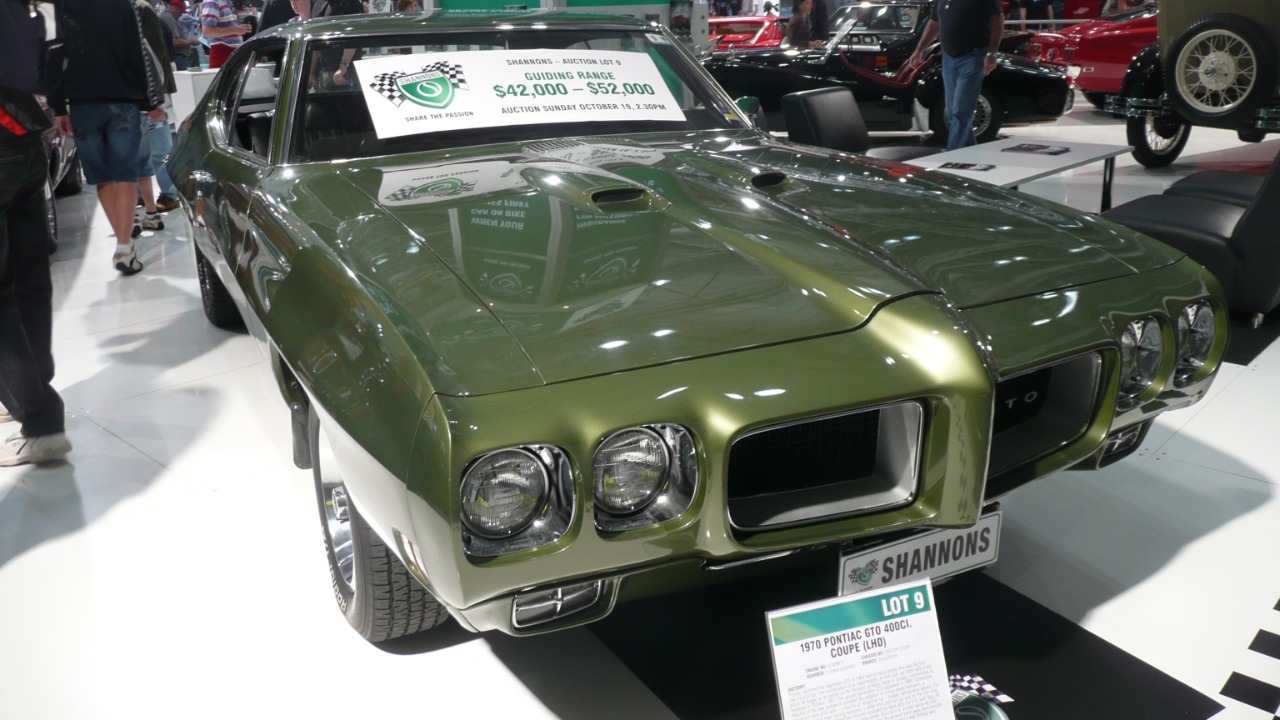
For decades, the classic sports coupe formula was simple: a low roofline, two doors, rear or front-wheel drive, and just enough practicality to live with every day. That template produced icons that shaped enthusiast culture, from compact Japanese coupes to muscular American two-doors. As crossovers and trucks surged, however, many of those once-common silhouettes faded, leaving only scattered examples at cars and coffee meets and in online classifieds.
The shift did not happen overnight. Automakers spent years stretching the definition of a coupe, adding rear doors or raising ride heights to chase broader appeal, while traditional low-slung models aged without full replacements. By the time some brands finally pulled the plug on their long-running coupes, the market had already pivoted to vehicles that promised similar performance in a more upright, family-friendly package. What had been mainstream hardware became niche, then rare, and in some cases effectively vanished from daily traffic.
Japanese icons that lost their everyday presence
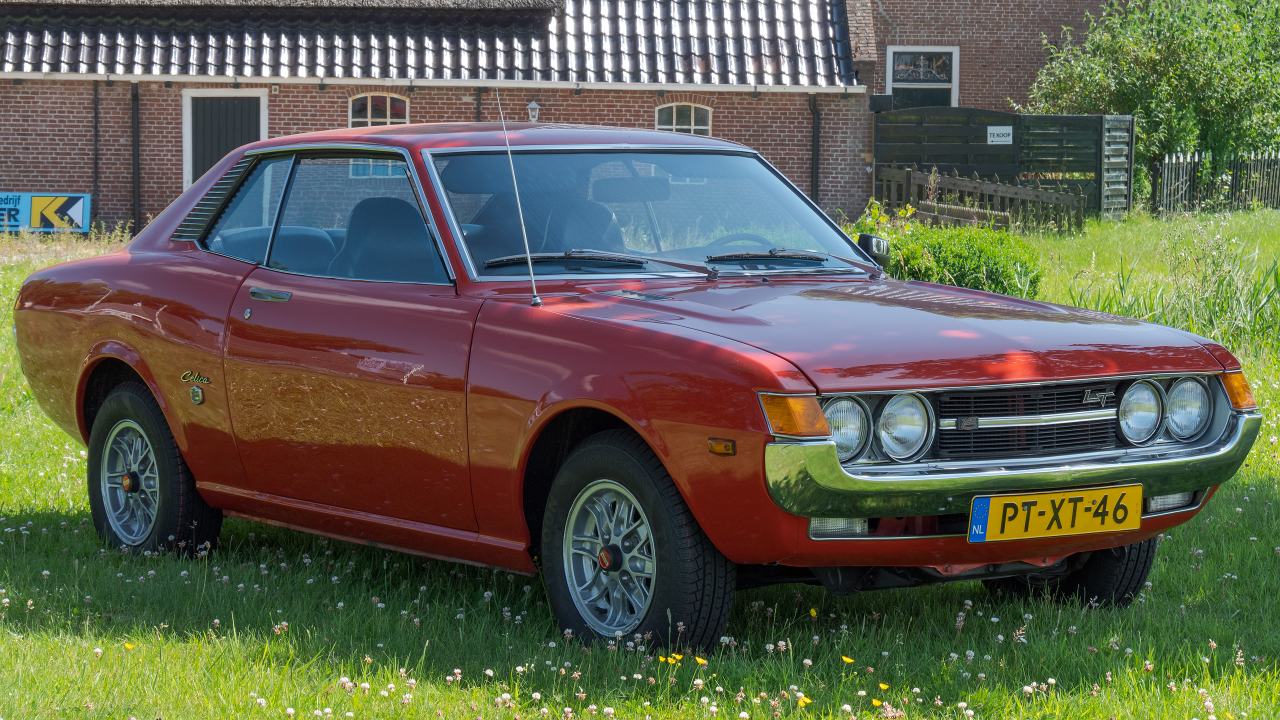
Japanese manufacturers once dominated the affordable sports coupe space, building cars that balanced reliability with sharp handling and distinctive styling. Over time, many of those models either transformed into very different vehicles or left the market entirely, which is why I now see far fewer of them in regular use. The Toyota Celica, for example, evolved through seven generations as a front-wheel-drive liftback before production ended, leaving its role to be partially filled by the smaller, rear-drive Toyota 86 and GR86 twins that arrived later as a separate line.
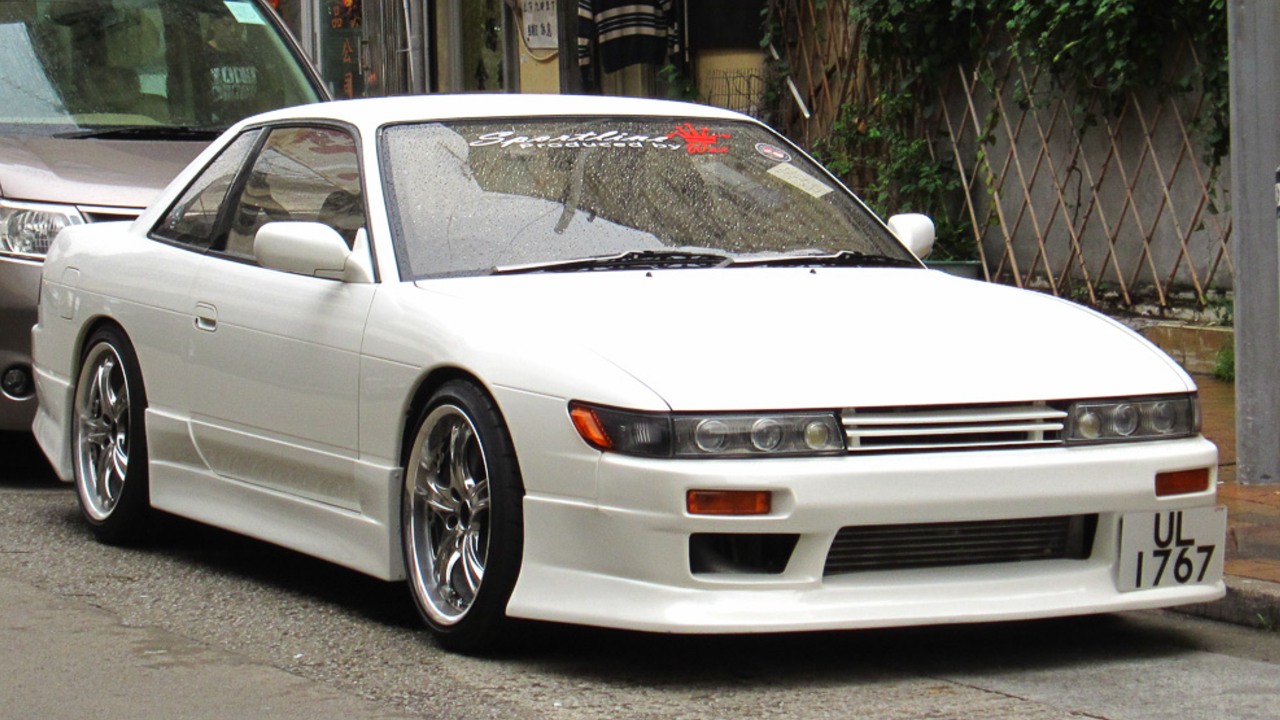
Honda followed a similar path when it retired the Prelude and focused enthusiast attention on high-performance Civic variants instead of a dedicated two-door coupe. Nissan’s Silvia and 240SX lineage, once a staple of tuner culture, disappeared from North American showrooms, with the brand’s performance halo shifting to the 350Z and 370Z and then to the latest Z. As these cars aged and rust, modifications, and accidents took their toll, the number of clean, running examples on public roads dropped sharply, turning what were once common commuter coupes into occasional sightings that stand out amid a sea of crossovers.
American muscle coupes under pressure
American brands kept the traditional two-door performance flame alive longer than most, but even here the landscape has changed so quickly that some of the most recognizable coupes are already scarce in daily traffic. The Dodge Challenger, which revived a classic nameplate with retro styling and big-displacement V8s, ended its long run as a pure two-door coupe before the company pivoted to a new Charger that blends sedan practicality with coupe-like cues. That shift reflects a broader move toward multi-door performance cars that can justify their existence in a market dominated by family duty and fleet sales.
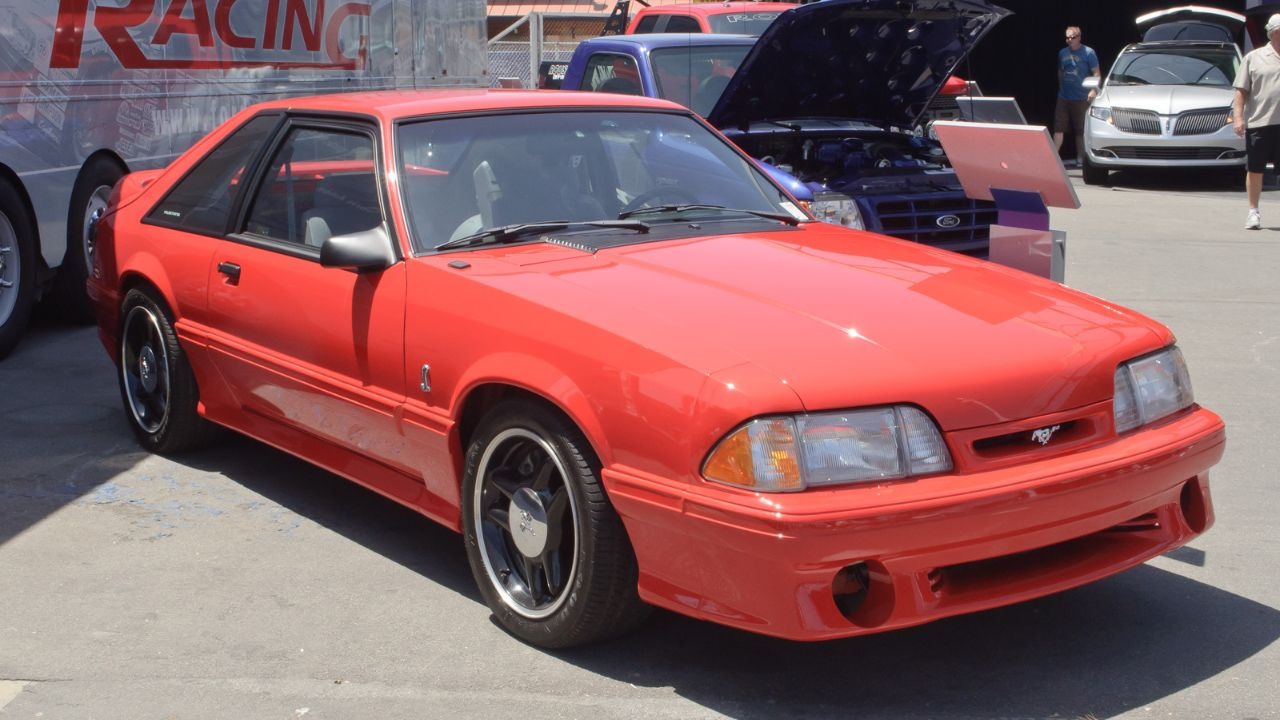
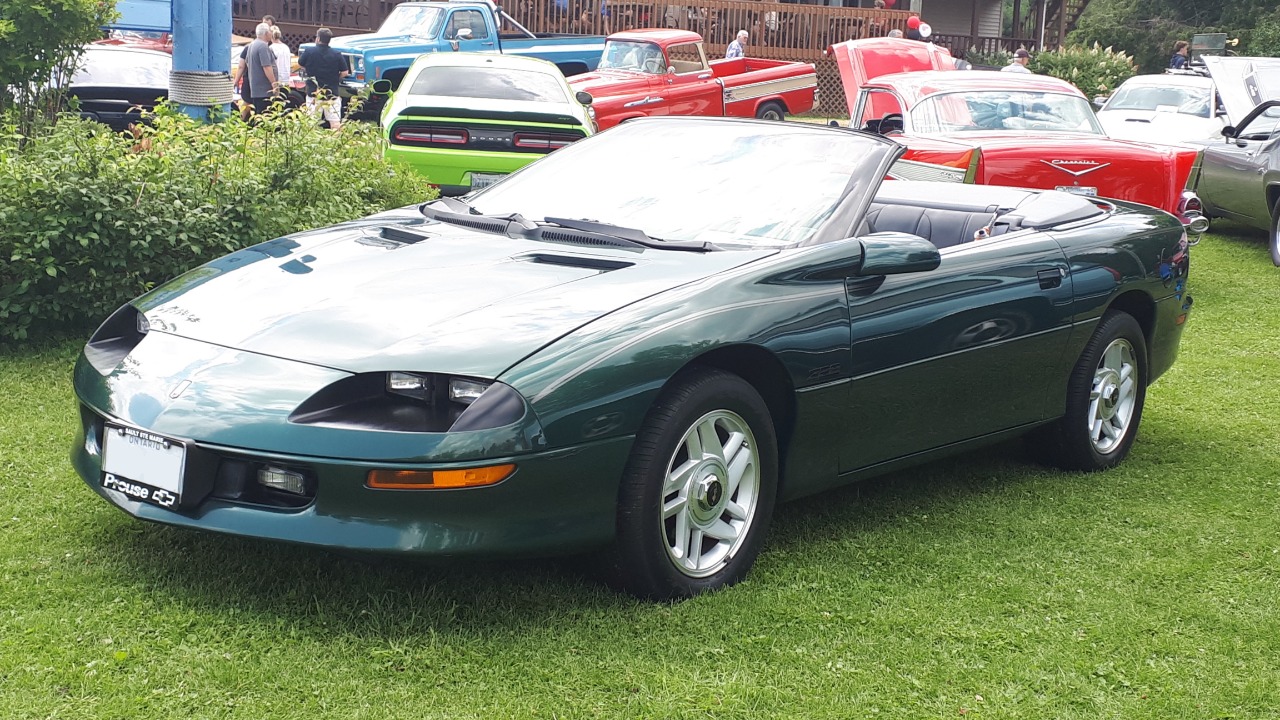
Ford and Chevrolet have also had to rethink how their muscle coupes fit into a portfolio increasingly shaped by trucks and SUVs. While the Ford Mustang continues as a two-door, it now shares showroom space with the Mustang Mach-E, an electric crossover that borrows the badge and some styling cues but not the traditional coupe layout. Chevrolet, meanwhile, has wound down the Camaro, leaving the Corvette as a more expensive, mid-engine sports car rather than an everyday coupe alternative. As older generations of these cars age out of reliable daily use, their visibility on the road shrinks, even if they remain beloved in enthusiast circles and weekend gatherings.
European two-doors squeezed by regulation and repositioning
European manufacturers once treated compact and midsize coupes as essential parts of their lineups, but regulatory pressure and changing buyer expectations have pushed many of those models to the margins. BMW’s 3 Series Coupe, for instance, was spun off into the 4 Series line, and the brand has increasingly emphasized four-door “Gran Coupe” variants that offer a similar roofline with more practicality. Audi and Mercedes-Benz have followed comparable strategies, prioritizing sleek sedans and fastbacks over traditional two-door coupes in key segments.
At the same time, stricter emissions and safety standards have made it harder to justify low-volume, two-door body styles that do not significantly expand a model’s customer base. Some coupes have survived only as high-priced performance flagships, such as limited-run AMG or M models, while more attainable versions quietly disappeared from order guides. The result is that many European coupes that once served as aspirational yet realistic purchases for young professionals have either become rare premium toys or have been replaced by crossovers with coupe-inspired styling but very different proportions and driving dynamics.
Crossovers, EVs, and the future of the coupe idea
The rise of crossovers and electric vehicles has not just reduced the number of traditional sports coupes on the road, it has also blurred what the term “coupe” even means. Automakers now apply the label to high-riding models with sloping rooflines, such as coupe-style SUVs and electric fastbacks, which borrow the visual drama of classic two-doors while keeping four doors and a hatch. That marketing shift reflects how strongly the coupe image still resonates, even as the underlying hardware moves further from the low, lightweight cars that defined the segment for decades.
Electric performance cars add another twist. Battery packaging favors longer wheelbases and higher floors, which makes a conventional low-roof, two-door layout more challenging without sacrificing range or interior space. Some brands have responded with sleek four-door EVs that deliver sports-coupe acceleration and handling, even if they do not match the old silhouette. As these vehicles proliferate and older gasoline coupes retire from daily duty, I expect the classic sports coupe to become even more of a rarity on public roads, surviving mainly in enthusiast garages and specialized track events while its design language lives on in very different forms.


Leave a Reply