
In the space of a generation, the kind of luxury car that once signaled boardroom power or lottery luck has slipped into the realm of impulse purchases. In many used markets, a well kept executive sedan from the 1990s now sells for less than a new flagship smartphone, even as the phone is designed to be obsolete within a few years while the car was engineered to last decades. I see that reversal not as a quirky marketplace glitch but as a window into how technology, regulation, and shifting tastes have quietly rewritten what “luxury” means.
That shift is especially stark when I compare the sticker prices of today’s premium phones with the auction and classifieds data on aging high end cars. Top tier devices like the Apple iPhone 16 Pro Max and Samsung Galaxy S25 Ultra routinely launch above four figures, while 1990s icons from BMW, Mercedes-Benz, Lexus, and Jaguar often change hands for three digit sums, even when they are running and inspected. The numbers show a world where a pocket computer depreciates more slowly than a V12 limousine.
How 1990s status symbols fell below smartphone money
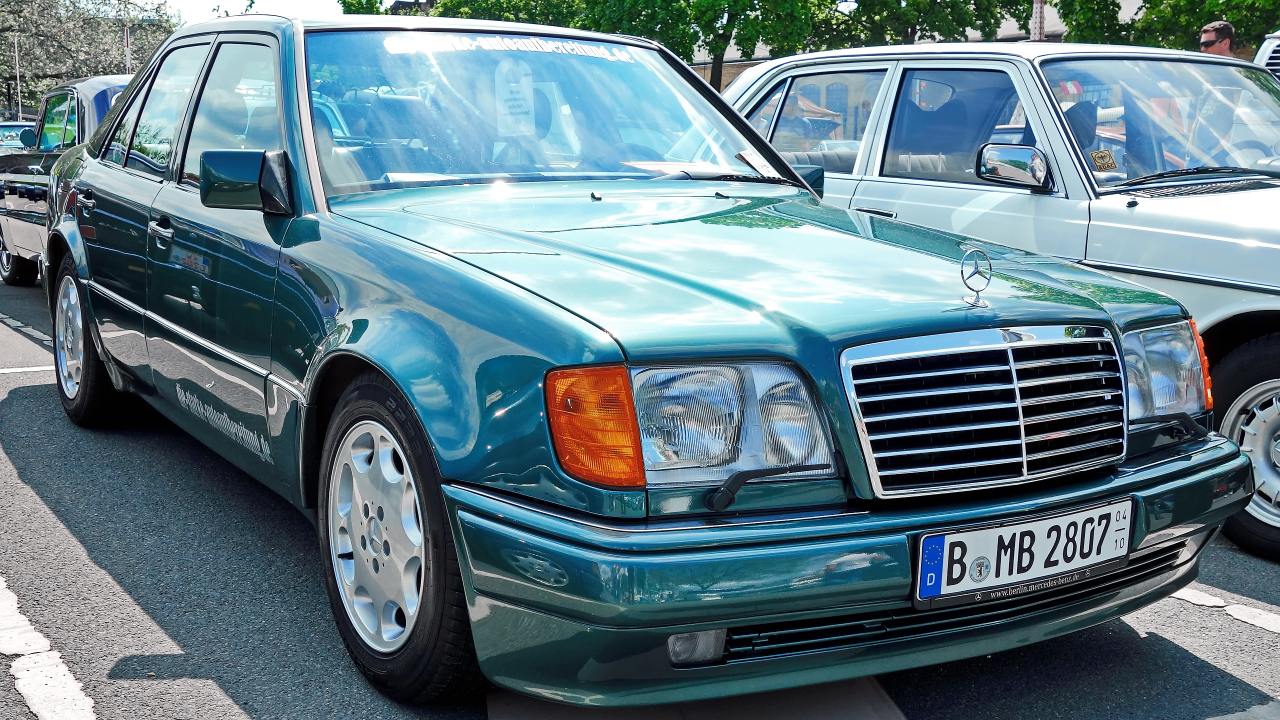
The first step in understanding this reversal is to look at what those 1990s luxury cars represented when they were new. Flagship sedans such as the Mercedes-Benz S-Class W140, the BMW 7 Series E38, and the Lexus LS 400 were priced to match their status, with well optioned examples routinely exceeding the equivalent of tens of thousands of dollars in today’s money. They were loaded with then cutting edge features like multi zone climate control, early navigation systems, and extensive sound insulation, and they were marketed as the pinnacle of comfort and engineering for executives and heads of state. Auction records and period price lists for models like the Mercedes-Benz S 600 and BMW 750iL confirm how far above mainstream cars they once sat.
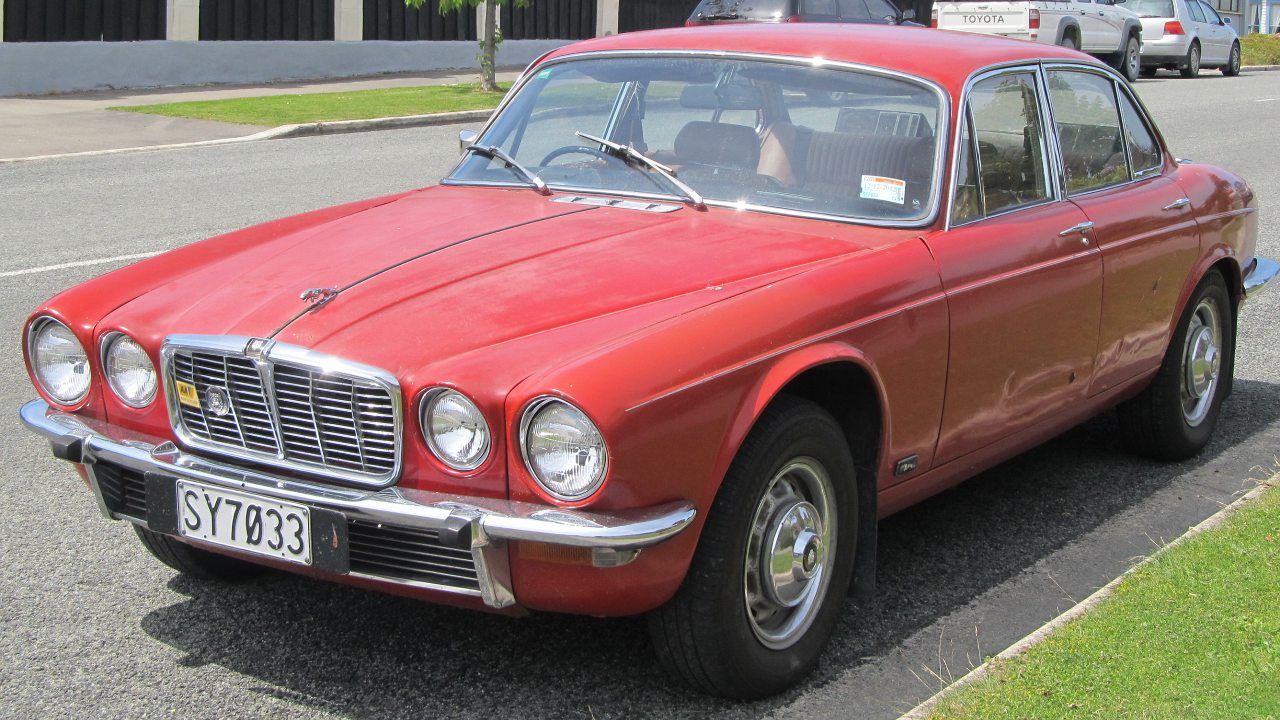
Three decades later, those same cars often sell for less than a mid range phone upgrade. Classified listings and recent sales show running, inspected examples of the W140 S-Class and E38 7 Series trading in the low four figures, with high mileage or cosmetically tired cars dipping into the hundreds. On platforms that track historic sales, it is common to see a usable 1990s Lexus LS or Jaguar XJ change hands for under the launch price of an iPhone 16 Pro Max, which starts above USD 1,000 depending on storage. In other words, the depreciation curve has taken cars that once cost as much as a house deposit and pushed them below the price of a two year carrier contract.
Why depreciation hits old luxury harder than new tech
Part of the explanation lies in how the market values complexity over time. A 1990s luxury car is full of bespoke parts, from self leveling suspensions to early electronic control modules, that were expensive to develop and are now costly to repair. As those systems age, buyers factor in the risk of a four figure workshop bill, which drags down resale values even when the car is still running well. Data from used car guides and repair cost surveys for models like the 1999 Mercedes-Benz S-Class and 1998 BMW 7 Series consistently highlight high maintenance and parts costs compared with simpler, newer vehicles.
Smartphones, by contrast, compress their value into a shorter, more predictable window. A flagship device is expected to receive software updates for several years, and its resale value is supported by a global secondary market that prizes working screens and intact batteries more than perfection. Even after two or three generations, a used iPhone or Galaxy can command a few hundred dollars, helped by trade in programs and refurbishers that standardize grading and pricing. Industry reports on the refurbished smartphone market show steady demand and relatively slow price erosion for premium models, a stark contrast to the steep depreciation curves plotted for aging luxury sedans.
The smartphone price ladder that overtook old limousines
The other half of the story is how far up the price ladder phones have climbed. When early smartphones appeared, they were often subsidized by carriers and rarely crossed the psychological four figure barrier. Today, top tier devices like the iPhone 16 Pro Max and Galaxy S25 Ultra are marketed as professional tools with advanced cameras, AI features, and high refresh displays, and their pricing reflects that positioning. Official product pages show the iPhone 16 Pro Max and Galaxy S25 Ultra starting above USD 1,000, with higher storage options pushing well beyond that figure.
Those prices are no longer outliers. Foldable phones such as the Galaxy Z Fold6 and premium gaming devices from brands like ASUS ROG routinely occupy the same price band, and in some cases exceed it. Market analysis from firms tracking average selling prices shows a clear upward trend in the premium segment, with consumers increasingly willing to finance phones over 24 or 36 months in the same way they once financed cars. When a monthly phone payment rivals a used car loan, it becomes easier to see how a 1990s S-Class can slip beneath the cost of a pocket computer without anyone blinking.
Enthusiast bargains and the hidden costs of “cheap” luxury
For enthusiasts, this pricing mismatch creates a tempting opportunity. It is now possible to buy a 1990s Lexus LS 400, BMW 5 Series E39, or Mercedes-Benz E-Class W124 for less than the cost of a new flagship phone, and enjoy a level of ride comfort and interior quality that many modern mass market cars struggle to match. Listings on enthusiast marketplaces and auction platforms show numerous examples of Lexus LS 400 and Mercedes-Benz W124 models selling in the low four figures, often with detailed maintenance histories and relatively modest mileage for their age.
The catch is that the purchase price is only the beginning. Insurance, fuel, and especially maintenance can quickly erase the initial savings compared with a newer, more efficient car. Owners of 1990s German luxury models frequently report four figure invoices for suspension overhauls, transmission work, or electrical troubleshooting, costs that dwarf the one time outlay for a phone. Reliability data and ownership surveys for vehicles like the 1998 Lexus LS and 1997 Mercedes-Benz S-Class underline the divide between brands that prioritized long term durability and those that leaned heavily on complex, failure prone technology. A cheap purchase can still be an expensive hobby.
What this says about how we value tech, status, and longevity
When I step back from the price charts, the deeper story is about how we assign value to objects that serve different roles in our lives. A 1990s luxury car was built to project status in the physical world, with size, chrome, and leather as its vocabulary. A modern flagship phone projects status in the digital world, through camera quality, screen brightness, and the latest software features. Surveys of consumer spending patterns show that younger buyers are more willing to allocate significant budgets to personal electronics and subscriptions than to car ownership, especially in cities where ride hailing and public transport reduce the need for a private vehicle. Reports on smartphone dependence and changing mobility habits both point to a cultural shift that favors digital connectivity over traditional automotive status symbols.
There is also a psychological element in how we accept rapid obsolescence in phones but punish it in cars. Consumers expect to replace a handset every few years, so a high initial price is rationalized as the cost of staying current. Cars, on the other hand, are still judged on their ability to deliver a decade or more of relatively trouble free service, and any hint that a model will age badly is quickly reflected in resale values. Studies of vehicle dependability and resale performance show that brands perceived as durable retain value far better than those associated with costly failures, even when the original purchase prices were similar. In that light, the fact that a 1990s limousine can now be cheaper than a smartphone is less a market oddity and more a reflection of how ruthlessly buyers discount anything that no longer fits their expectations of reliability, efficiency, or digital integration.


Leave a Reply