
Classic convertibles have always promised a mix of style, sound and sky that hardtops cannot match, yet some of the most engaging open cars of the last century still sit in the shadow of their coupes and sedans. The market keeps rewarding a narrow group of headline-grabbing roadsters while a deeper bench of drop-tops remains relatively affordable and oddly underappreciated. I want to look at a handful of those overlooked classics, the ones that deserve more attention from enthusiasts before values and visibility finally catch up.
Why some convertibles stayed in the shadows
For decades, carmakers treated the act of cutting the roof off a popular model as a simple styling exercise, which is one reason so many open versions ended up overshadowed by their hardtop siblings. Enthusiast coverage has often focused on the coupes that won races or defined design eras, while the convertibles were dismissed as softer, heavier or less rigid, even when they shared the same engines and basic chassis. A detailed gallery of 20 overlooked classic drop-tops shows how frequently the open cars were treated as second-class citizens, even when the underlying engineering was nearly identical.
That bias helped create a split market in which a coupe can command serious collector money while the equivalent convertible remains attainable and lightly used. The same reporting on open-tops living in the shadow of their fixed-roof counterparts notes that removing the roof from a car to make it a convertible is usually seen as a compromise rather than an upgrade. I see that perception as the core reason so many classic convertibles still trade for modest sums, even as they deliver the analog driving feel and visual drama that collectors say they want.
The Triumph TR6: a purist’s roadster hiding in plain sight
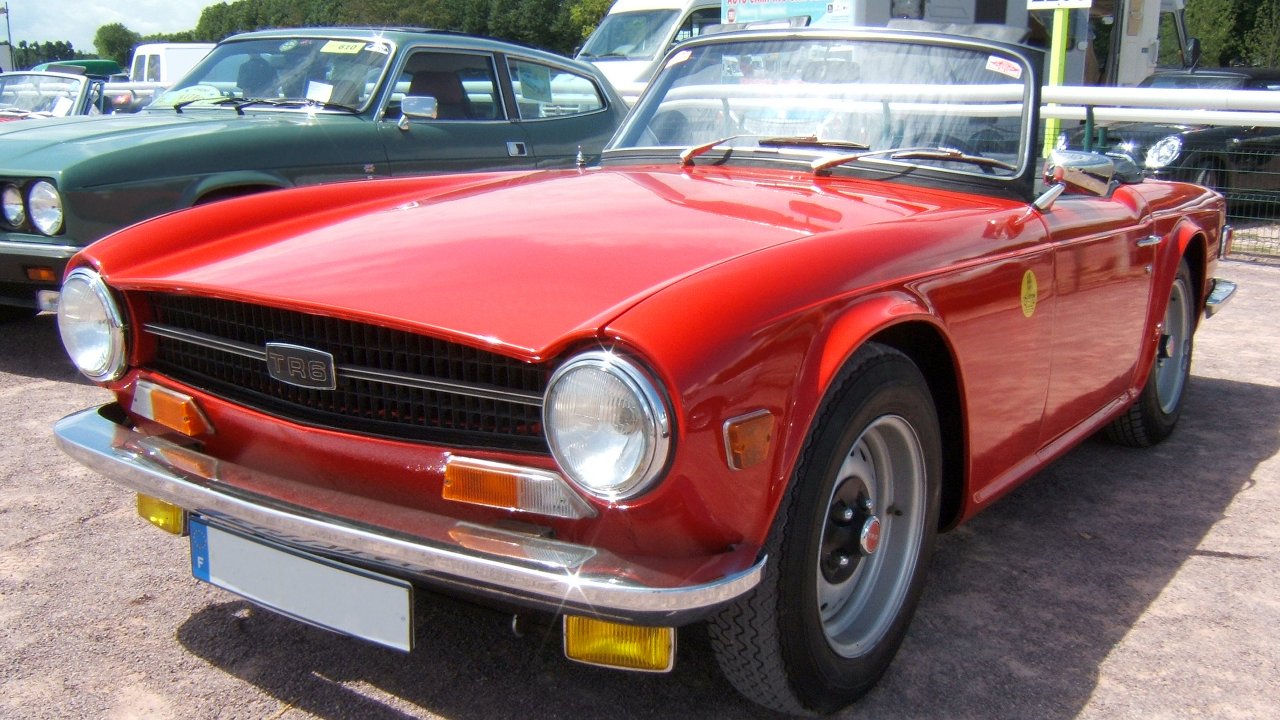
Among traditional British sports cars, The Triumph TR6 is a textbook case of a convertible that should be more celebrated than it is. Its long-hood, short-deck proportions and upright windshield give it the classic roadster stance that enthusiasts romanticize, yet it rarely commands the same attention as more famous contemporaries. A detailed description of a 1975 example notes that Its combination of classic design, hearty 2.5L inline-six engine and analog driving experience make it a favorite choice for drivers who want a weekend car or addition to an existing stable, which underlines how well it fits the brief for a usable classic rather than a fragile museum piece.
What keeps The Triumph TR6 underrated is not a lack of character but a surplus of competition in the nostalgia market. When collectors talk about open British sports cars, they tend to jump straight to the Jaguar E-Type or earlier icons, leaving the TR6 to enthusiasts who know how satisfying a torquey inline-six and simple chassis can be on a back road. The same listing that praises Its analog driving experience also highlights how approachable the car is to maintain, a trait that should matter more in a world where many high-profile classics require specialist care. In my view, that mix of mechanical honesty and genuine style is exactly what makes this convertible deserving of more love.
Affordable icons: Mustangs and Cobras that are not just posters
American convertibles often get reduced to a few poster cars, yet some of the most recognizable names still offer relatively accessible ways into classic open-air motoring. The 1966 Ford Mustang Convertible is a prime example, a car that helped define the pony car era but remains within reach for many buyers. A recent rundown of Gorgeous Vintage Convertibles That Are Still Cheap lists the 1966 Ford Mustang Convertible with a Starting Used Price of $18,000, a figure that would be unthinkable for many European sports cars of similar vintage. That pricing reflects how plentiful Mustangs are, but it also shows how the convertible version has not yet been fully repriced for its cultural weight.
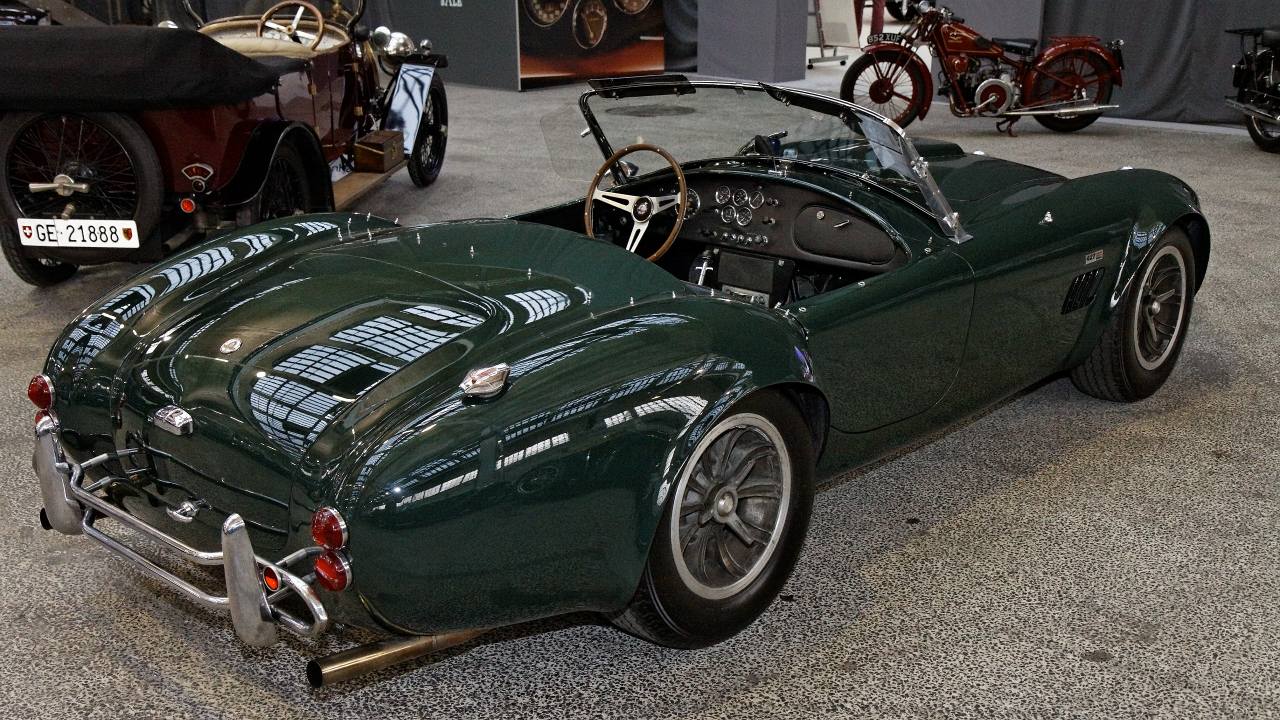
At the more muscular end of the spectrum, the Cobra story is dominated by track legends and replica debates, which can obscure how compelling the open cars are to actually drive. A feature on Classic Convertibles We Love To Drive highlights the 1966 AC Cobra 427, noting that The AC Cobra, or Shelby Cobra as it is often called, delivered a Top Speed of 165 m thanks to its 427 cubic inch V8. That kind of performance figure has helped push original cars into the stratosphere, but it has also overshadowed more attainable open variants and tributes that still capture the raw, wind-in-your-face experience. I see both the Mustang and the Cobra lineage as reminders that even famous names can hide undervalued convertibles once you look past the auction headlines.
Forgotten exotica: when ultra-luxury goes open air
Not every underappreciated convertible is affordable, and some of the most intriguing examples sit at the very top of the market, where rarity and complexity can actually limit enthusiasm. The Maybach Landaulet is a case in point, a chauffeur-driven limousine with a partially retractable rear roof that turned an already extravagant sedan into a rolling terrace. A survey of 10 cool convertibles you probably forgot existed lists the Maybach Landaulet with a price of $1,350,000, describing it as the Maybach Landaulet Via Maybach and linking it to the Maybach 62 platform. The same piece notes the figure as $1,350,000 M, underscoring just how far this car sits from mainstream collector budgets.
Yet even at that level, the Landaulet illustrates how quickly a convertible can fade from public memory when it does not fit the usual sports car narrative. The Maybach brand itself has had a stop-start modern history, and The Maybach Landaulet, with its focus on rear-seat luxury rather than driver engagement, never slotted neatly into the enthusiast canon. The same list of forgotten convertibles that resurrects its name shows how easily such ultra-luxury projects can slip through the cracks once production ends and marketing budgets move on. I see that as a reminder that obscurity is not always tied to price, and that some of the most interesting open cars are hiding at both extremes of the market.
Collectibility, status and the convertibles that missed the spotlight
Collectors often talk about convertibles as status symbols and emotional investments, yet the market tends to reward a narrow set of models that already enjoy strong reputations. A recent overview of the most collectible open cars notes that for many buyers, convertibles are not just vehicles but expressions of identity, with names like Jaguar E-Type held up as benchmarks. That same discussion of Jaguar and Type level icons helps explain why lesser-known drop-tops struggle to break through, even when they offer similar sensations at a fraction of the cost. When attention and money concentrate on a few halo cars, everything around them can look like a compromise, even if the driving experience tells a different story.
At the same time, lists of Gorgeous Vintage Convertibles That Are Still Cheap and overlooked classic drop-tops show that the gap between perceived status and actual enjoyment remains wide. Many of the cars highlighted there share the same core traits that collectors say they value, from distinctive styling to mechanical simplicity and open-air theater. I see that disconnect as an opportunity for enthusiasts willing to look beyond the usual suspects, whether that means seeking out a well-kept Ford Mustang Convertible at a Starting Used Price of $18,000 or tracking down a sorted example of The Triumph TR6 whose analog driving experience still feels refreshingly direct. In a market increasingly driven by nostalgia and scarcity, the convertibles that deserved more love may finally be poised to get it, once more drivers realize how much they offer for the money.


Leave a Reply