
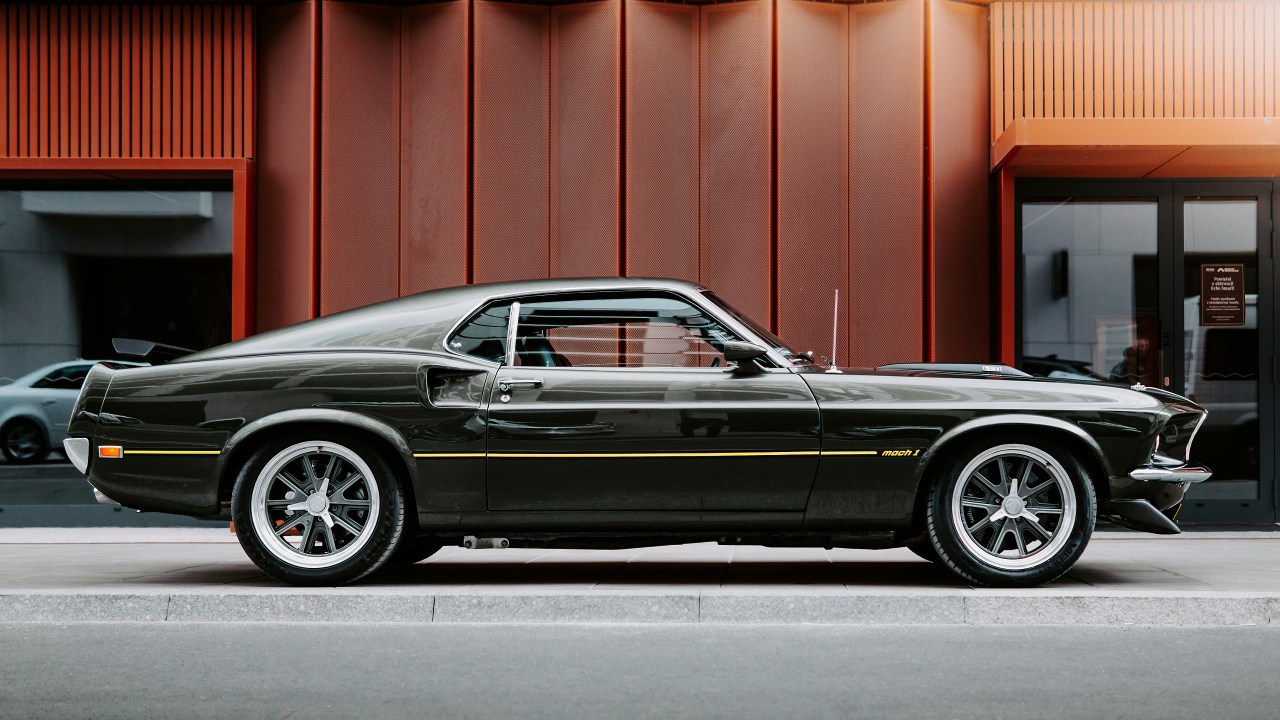
The Ford Mustang has become such a dominant symbol of American performance that it often eclipses the rest of the company’s back catalog. Its mix of style, price and cultural visibility turned it into a shorthand for the brand itself, leaving other Ford models that once sold strongly or broke ground in their own right largely forgotten. To understand how that happened, I need to look at how the Mustang’s formula reshaped the market and how several worthy Fords were pushed into the shadows.
The Mustang’s formula that rewrote Ford’s hierarchy
The Mustang did not just join Ford’s lineup, it reordered it. From the start, the car was engineered as a relatively low risk project that could be sold at scale, using existing components to keep costs down while delivering a fresh shape and image. One detailed history describes how the company leaned on the idea of “Small Car, Small Price, Huge Demand,” noting that the Mustang shared parts with other Ford models to save development time and production costs, yet still arrived as something that felt entirely new to buyers. That combination of familiar hardware and a distinct body allowed Ford to price the car aggressively and still make money, which in turn encouraged the company to prioritize it over slower moving nameplates.
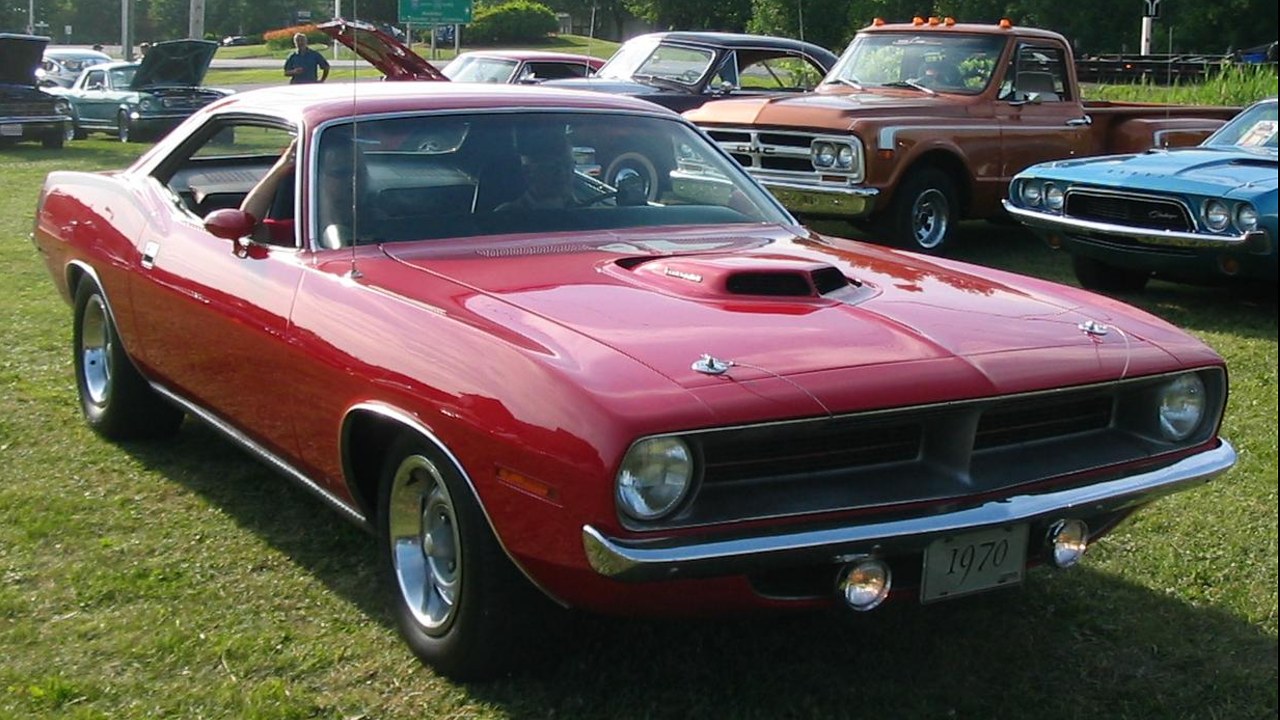
Once the Mustang proved the “Small Car, Small Price, Huge Demand” equation in the showroom, it quickly became the internal benchmark for what a successful Ford should look like. Analysts of the period point out that the car’s immediate popularity forced rivals to respond, with the Plymouth Barracuda and later competitors scrambling to match the Mustang’s mix of style and affordability. Reporting on the model’s early years notes that it competed directly with the Plymouth Barracuda and that its success influenced the design of other sporty coupes that followed. Inside Ford, that kind of market impact made it much harder for more conventional sedans and coupes to command attention or investment, even when they sold in respectable numbers.
How a forgotten Ford once outsold the Mustang
One of the clearest examples of a model overshadowed by the Mustang is a Ford that, for a time, actually outsold it. Coverage from Mar 23, 2025 describes how, although the Mustang gets most of the spotlight when people talk about classic Ford performance vehicles, another car in the lineup managed to post stronger sales than its more famous stablemate. The reporting notes that, although the Mustang dominated the cultural conversation, this other Ford quietly moved more units in certain years, helped by practical packaging and broader appeal beyond enthusiasts.
Yet sales alone were not enough to secure that car a lasting place in the public imagination. The same Mar 23, 2025 analysis explains that, although the Mustang captured the emotional side of performance, the overlooked model was marketed more as a sensible choice, which made it easier to forget once it left showrooms. I see a pattern here that repeats across Ford’s history: when the company had to decide which story to tell about its performance heritage, it leaned into the romance of the Mustang and allowed more versatile or family oriented models, even those that briefly outsold the pony car, to fade from view.
Entertainment and the cultural halo that left other Fords behind
The Mustang’s dominance is not only about engineering or sales, it is about screen time. When the car appeared in major films and television, it gained a cultural halo that other Ford models never matched. One account of the Mustang’s entertainment impact notes that the car made a splash in its early movie roles, highlighting how its appearance in the James Bond film Goldfinger, released in the U.K. in Septem of the mid 1960s, helped cement its image as a glamorous, slightly rebellious choice. The writer sums up that early impact with a simple “Suffice it to say, the Mustang made an impact in its entertainment debut,” a line that captures how quickly the car became a visual shorthand for cool.
That kind of exposure matters because it shapes which cars enthusiasts and casual viewers remember decades later. When audiences saw a Mustang sliding across the screen, they were not thinking about the Ford sedans or wagons that actually paid the bills for the company. Later analysis of the model’s broader cultural role notes that The Mustang, with its distinctive styling and affordable price, offered a much needed boost to American sales at a time when imports were gaining ground. By the time those images had circulated through movies, television and advertising, the Mustang was no longer just a product, it was a character, and other Fords that never got that kind of role were left to age quietly in the background.
How the Mustang reshaped Ford’s own product playbook
The Mustang’s internal impact at Ford is just as important as its public image. Commentators looking back on the original car argue that it was an immediate hit for Ford and that its innovations and rebellious spirit reshaped the way performance cars are developed and sold. One detailed retrospective notes that, indeed, the Mustang was an immediate hit for Ford and, more importantly, its approach to packaging performance in an accessible, youth oriented wrapper changed how the company thought about future projects. Once that template existed, it became the reference point for new sporty models, which had to justify their existence relative to the Mustang’s proven formula.
That shift had consequences for other nameplates. If a proposed coupe or sedan could not promise the same kind of buzz or margin as the Mustang, it was more likely to be trimmed, delayed or quietly discontinued. A later analysis of the car’s broader industry impact points out that The Mustang, with its distinctive styling and affordable price, forced rivals to adapt to changing consumer tastes and pushed American manufacturers to rethink their lineups. Inside Ford, that pressure translated into a focus on derivatives and special editions of the Mustang itself, while more conservative or experimental models without a clear marketing hook struggled to secure the same level of support.
The Mustang as an icon, and the cost to Ford’s wider legacy
Over time, the Mustang stopped being just a successful model and became a kind of shorthand for American automotive style. One exploration of its status notes that The Mustang’s sleek lines, long hood and short rear deck were seen as a futuristic shape when it debuted, and that Attendees at early public showings responded strongly enough to make the car an immediate cultural phenomenon. That reaction helped fix the Mustang in the public mind as the definitive Ford, the car that represented the brand’s aspirations even when other models were more advanced or more profitable in a given year.
Another historical overview of the car’s launch explains how the combination of a compact footprint, an accessible sticker price and a wide range of options created a sense that buyers could tailor the car to their own identity. The same source that describes “Small Car, Small Price, Huge Demand” also notes that this strategy allowed Ford to reach younger customers who might otherwise have turned to imports or competitors. Once those buyers formed an emotional attachment to the Mustang, they tended to remember it as their gateway into the brand, while more utilitarian Fords they may have owned later did not inspire the same loyalty.
By the time enthusiasts and historians began to look back on the 1960s and 1970s, the narrative was already set. Analyses of the period argue that, indeed, the Mustang was an immediate hit for Ford and that its rebellious spirit reshaped expectations for performance cars. When people now talk about classic Ford performance, they often start and end with the Mustang, even though reporting from Mar 23, 2025 reminds us that at least one other Ford once outsold it and then disappeared from popular memory. The result is a skewed legacy in which a single model carries almost all of the brand’s nostalgic weight, while a host of once significant Fords sit in the shadows, waiting for their own stories to be rediscovered.


Leave a Reply