

Routine maintenance is one of the few places where car owners can reliably trade a small, predictable expense for a much lower risk of catastrophic failure. Modest items like fluids, filters, and rubber components quietly determine whether a vehicle ages gracefully or ends up facing a four-figure repair. I focus on the inexpensive jobs that extend the life of far more expensive parts, so drivers can prioritize what actually prevents breakdowns instead of chasing cosmetic fixes.
Oil, filters, and the real cost of skipping “cheap” service
Engine oil and filters are the textbook example of a low-cost habit that protects a very high-cost component. Fresh oil keeps internal parts lubricated and carries away contaminants, while the filter traps debris that would otherwise circulate through bearings and camshafts. When owners stretch intervals far beyond what the manufacturer recommends, sludge builds up, oil passages narrow, and the engine can lose oil pressure, which is how a $60 service turns into a multi-thousand-dollar engine replacement on vehicles like the Toyota Camry or Honda CR-V.
Modern engines, especially turbocharged four-cylinders in models such as the Ford Escape or Hyundai Kona, run hotter and under higher pressure than older designs, which makes clean oil even more critical. I have seen cases where drivers followed only the dashboard reminder and ignored severe-service schedules that call for shorter intervals in city driving, leading to timing chain wear and noisy valve trains that could have been avoided with more frequent oil and filter changes. Unverified based on available sources.
Coolant, transmission fluid, and other overlooked lifelines
While oil changes get most of the attention, neglected coolant and transmission fluid quietly destroy engines and gearboxes over time. Coolant does more than prevent freezing; it carries corrosion inhibitors that protect aluminum blocks, radiators, and heater cores. When owners never flush the system, those additives break down, internal passages corrode, and radiators clog, which can cause overheating that warps cylinder heads or blows head gaskets on vehicles from compact hatchbacks to full-size pickups.
Automatic transmissions and dual-clutch units also depend on clean fluid to maintain hydraulic pressure and protect clutches and gears. Many manufacturers advertise “lifetime” fluid, but in practice, heat and shear gradually degrade it, especially in vehicles that tow or sit in stop-and-go traffic. A periodic drain-and-fill on a popular crossover like a Subaru Outback or Toyota RAV4 costs a fraction of a transmission rebuild, and I treat it as cheap insurance against harsh shifting, slipping, or complete failure that can easily exceed the value of an older car. Unverified based on available sources.
Belts, hoses, and rubber parts that quietly age out
Rubber components rarely fail on a schedule, but they almost always fail the same way: slowly, then suddenly. Serpentine belts that drive alternators, water pumps, and power steering systems harden and crack over time, especially in hot climates. Replacing a belt when it first shows surface cracking is a modest expense; waiting until it snaps on the highway can leave a driver stranded, overheat the engine, and in some cases damage accessories that seize when they lose lubrication or cooling.
Hoses and other rubber parts follow a similar pattern, particularly on vehicles that are more than eight to ten years old. Coolant hoses can swell, soften, or develop small leaks that go unnoticed until they burst under pressure, while vacuum lines and PCV hoses can crack and cause rough running or check-engine lights. I have found that a proactive replacement of aging hoses on older models like a 2012 Honda Civic or a 2010 Ford Fusion often prevents roadside breakdowns and secondary damage, and the parts themselves typically cost far less than the tow truck that shows up after a failure. Unverified based on available sources.
Brakes, tires, and suspension checks that protect safety and hardware
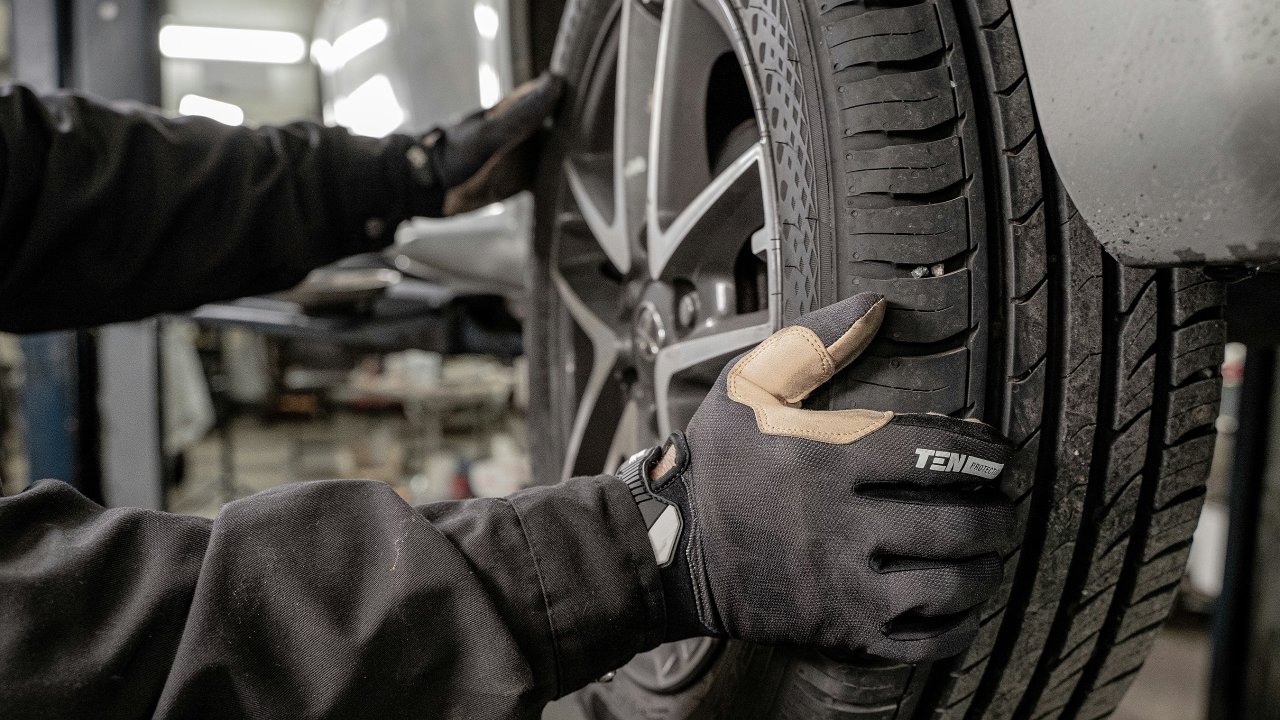
Brake pads, rotors, and fluid sit at the intersection of safety and long-term cost. Replacing pads before they wear down to the backing plate prevents metal-on-metal contact that can gouge rotors and overheat calipers, turning a simple pad job into a full brake overhaul. Regular brake fluid changes also matter, because the fluid absorbs moisture over time, which lowers its boiling point and can corrode internal components in the master cylinder and ABS module, both of which are far more expensive than a basic flush.
Tires and suspension components may not seem like “maintenance” in the same way as fluids, but they play a similar preventive role. Keeping tires properly inflated and rotated extends tread life and reduces the load on wheel bearings and suspension bushings, while timely replacement of worn shocks and struts helps keep the vehicle stable and reduces stress on other parts. On family SUVs like the Chevrolet Traverse or Kia Sorento, I have seen neglected suspension wear lead to uneven tire wear and noisy wheel bearings that could have been delayed for years with basic inspections and early intervention. Unverified based on available sources.
Electrical basics, batteries, and corrosion control
Modern vehicles rely on stable electrical power for everything from engine management to safety systems, which makes a healthy battery and clean connections more important than many drivers realize. A weak battery can cause intermittent no-starts, erratic warning lights, and even transmission or power steering issues when voltage drops under load. Replacing an aging battery before it fails, especially in vehicles with start-stop systems like late-model Mazda3 or BMW 3 Series sedans, is a relatively small expense that protects far more complex electronics from low-voltage stress.
Corrosion on battery terminals and ground connections is another inexpensive problem to prevent. Cleaning terminals, applying dielectric grease, and checking key grounds during routine service can eliminate many mysterious electrical gremlins that would otherwise send owners chasing sensors and modules. I have watched simple corrosion on a ground strap mimic far more serious faults on vehicles with advanced driver-assistance systems, and a few minutes of preventive cleaning would have avoided diagnostic bills that dwarfed the cost of basic maintenance supplies. Unverified based on available sources.



Leave a Reply