
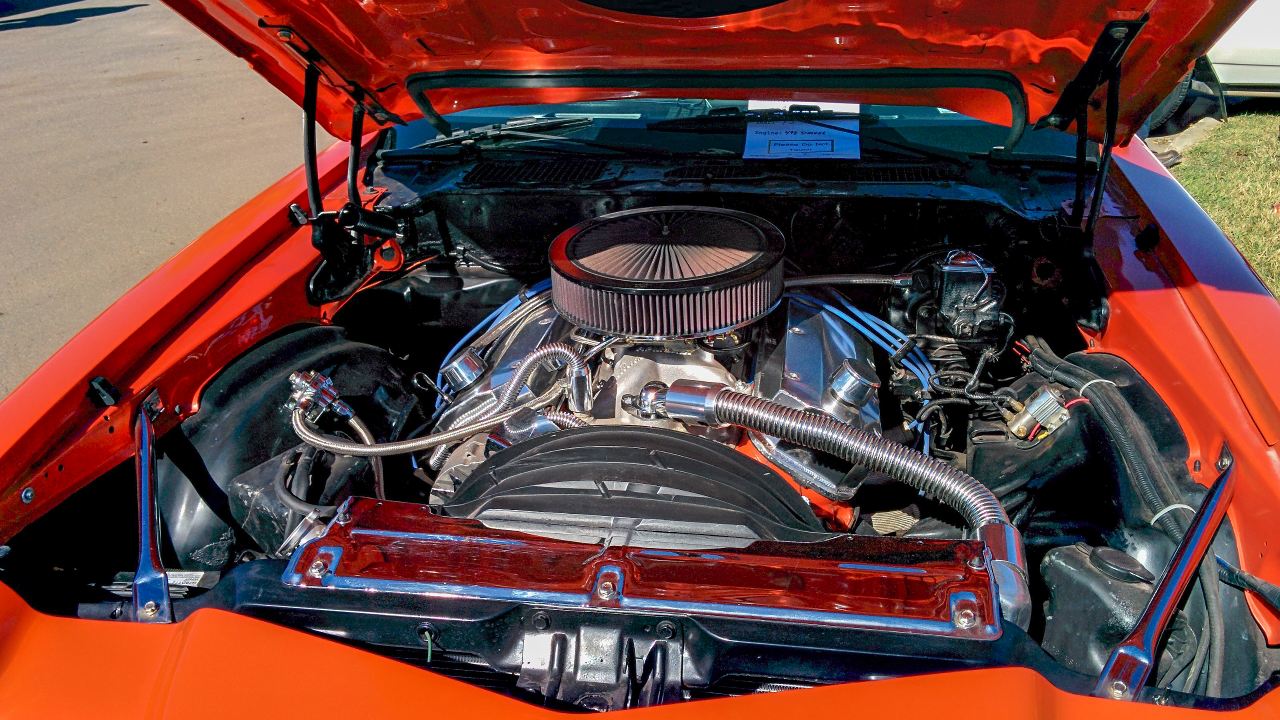
Skipping routine checks does not just risk an inconvenient breakdown, it quietly shortens the life of some of the most expensive parts on a modern car. When basic inspections are ignored, wear that could have been caught early spreads through connected systems, turning a cheap fix into a major component failure long before its expected lifespan.
From engines and brakes to suspension and electronics, the parts that fail first are often the ones most dependent on regular fluid checks, visual inspections, and software updates. I focus here on the components that tend to suffer early damage when those simple routines fall by the wayside, and how small habits can keep them from failing years ahead of schedule.
Engine internals and timing components
The heart of the car is usually the first victim when owners skip basic under-hood checks. Engine oil that is not monitored for level and condition loses its ability to lubricate, which accelerates wear on bearings, piston rings, and camshafts. Once oil breaks down or runs low, friction and heat climb, and what should be a high-mileage engine can start burning oil, knocking, or losing compression far earlier than its design life.
Timing belts and chains are especially vulnerable when routine inspections are ignored. A belt that is never checked for cracks or contamination can snap without warning, and in interference engines that often means bent valves and damaged pistons. Chains are more durable, but they rely on clean oil and proper tension; when oil changes are stretched and tensioners are never inspected, chains can stretch, skip teeth, and trigger misfires or no-start conditions long before the odometer suggests they should.
Cooling system, head gaskets, and turbochargers
Cooling systems are designed to be low drama, but they are not maintenance free. When coolant levels are never checked and leaks go unnoticed, engines run hotter than intended, which stresses head gaskets and aluminum cylinder heads. A simple top-off or hose replacement caught during a routine inspection can prevent the kind of overheating that warps metal and forces an early head gasket job or full engine replacement.
Modern turbocharged engines add another layer of risk when inspections are skipped. Turbos depend on clean oil and stable operating temperatures; if coolant is low or oil is dirty, the turbo’s bearings and seals can fail prematurely. Once that happens, drivers may see blue smoke, power loss, and metal debris circulating through the intake and exhaust, which can damage catalytic converters and oxygen sensors as well as the turbo itself.
Brakes, wheel bearings, and tires
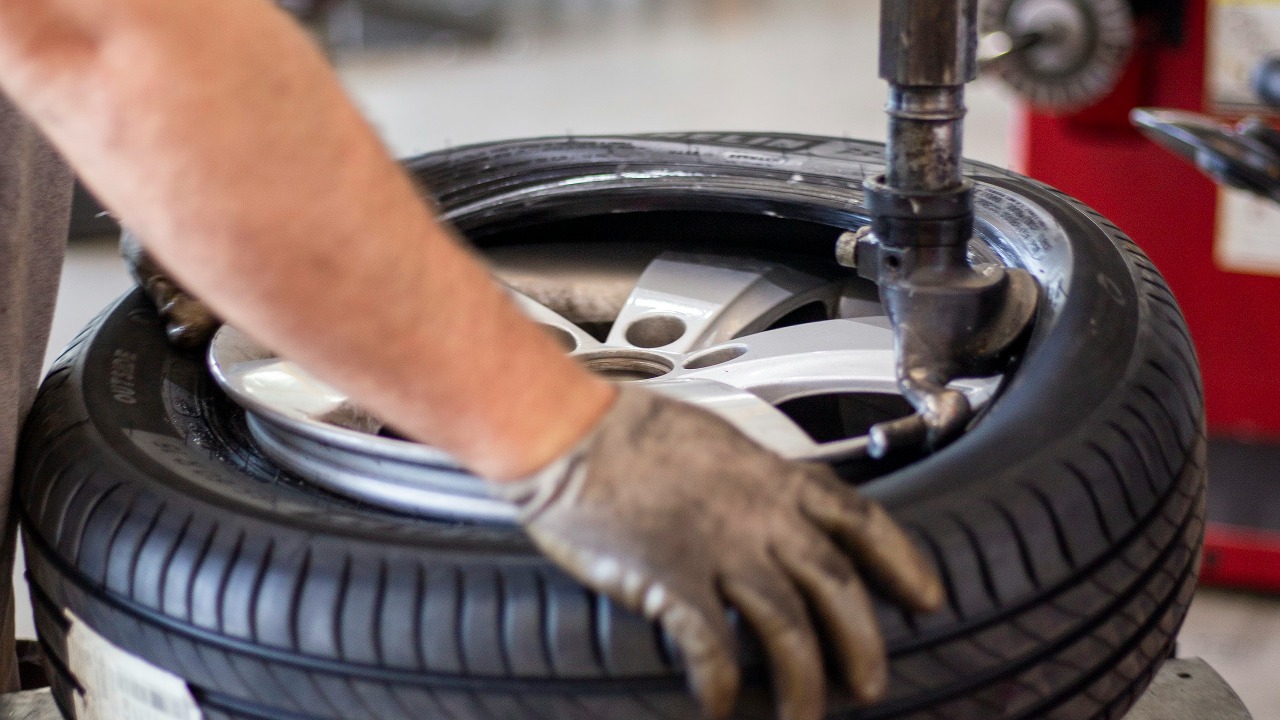
Brake components are among the most safety critical parts that fail early when no one is looking at them between major services. Pads that are never inspected can wear down to the backing plates, which then grind into rotors and overheat calipers. What could have been a simple pad replacement becomes a full brake job with new rotors, hardware, and sometimes calipers that have seized from excessive heat and corrosion.
Wheel bearings and tires also pay the price when routine checks are skipped. Bearings that are never listened to for growling noises or checked for play can fail suddenly, damaging hubs and sometimes ABS sensors. Tires that are not inspected for uneven wear, proper inflation, and sidewall damage can develop weak spots and blowouts, and chronic underinflation generates extra heat that shortens tire life and strains suspension components.
Suspension, steering, and alignment-sensitive parts
Suspension and steering parts rarely fail overnight; they wear slowly, and regular inspections are what keep that wear from turning into early failure. Ball joints, tie rod ends, and control arm bushings that are never checked for play or torn boots can deteriorate until they cause clunks, wandering steering, and uneven tire wear. Once rubber bushings split and grease escapes, metal-on-metal contact accelerates wear and can lead to sudden loss of control if a joint separates.
Alignment-sensitive parts are especially vulnerable when no one is watching. A car that never gets its alignment checked after pothole hits or curb strikes will often chew through inner or outer tread, which in turn forces early tire replacement and puts extra load on struts, shocks, and steering racks. Catching a minor pull or steering wheel off-center during a routine inspection and correcting it with an alignment can easily add tens of thousands of miles to the life of both tires and suspension hardware.
Batteries, charging systems, and electronic modules
Modern vehicles rely on a dense network of electronics, and skipping basic electrical checks can shorten the life of both the battery and the modules it supports. A battery that is never tested for state of charge or inspected for corrosion can weaken gradually, forcing the alternator to work harder and run hotter. Over time, that extra strain can cause early alternator failure, and repeated low-voltage events can corrupt data in control modules or trigger erratic behavior from systems like stability control and infotainment.
Loose grounds, frayed wiring, and outdated software also become more damaging when inspections are ignored. A simple visual check can catch chafed harnesses or water intrusion before they short out sensors or immobilize the car. Likewise, skipping recommended software updates can leave modules running outdated calibration that stresses components such as automatic transmissions or battery management systems, shortening their service life even if the hardware itself is sound.



Leave a Reply