
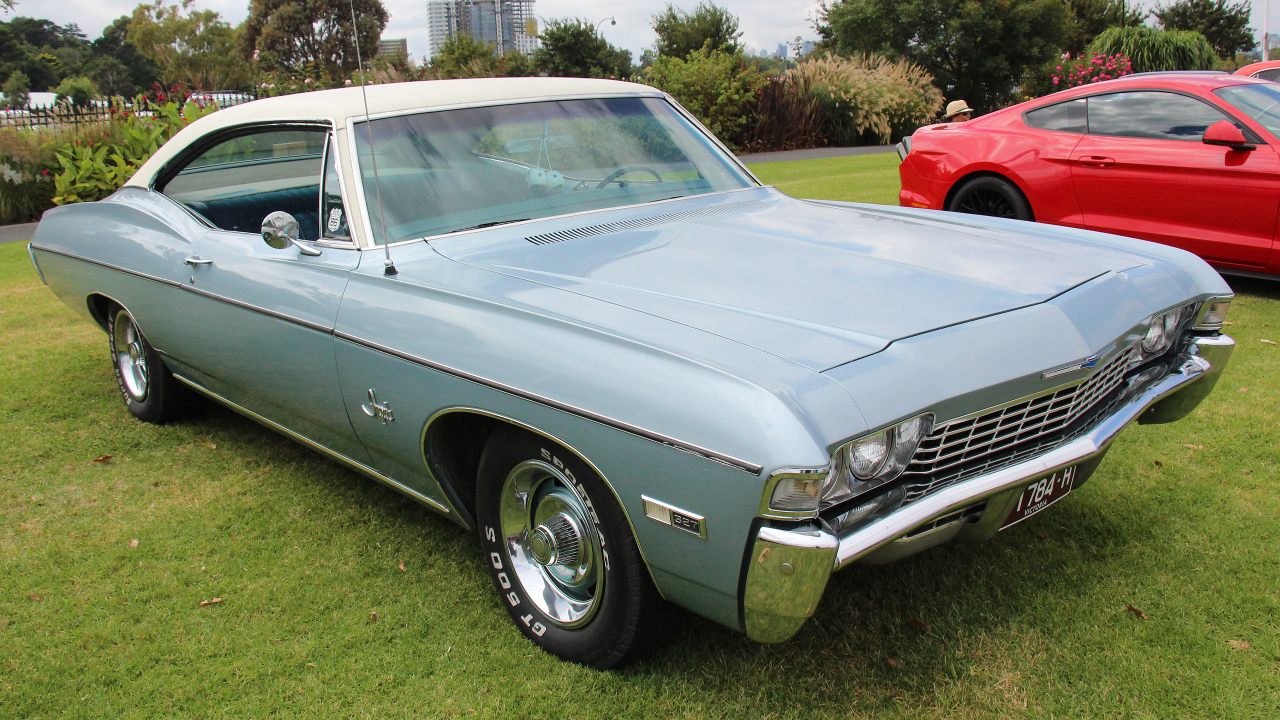
The Impala SS 427 sits at the crossroads of full-size comfort and big-block muscle, a short-lived factory package that turned Chevrolet’s family cruiser into a legitimate street weapon. To understand what these cars are worth today, I first need to pin down exactly when Chevrolet built them, how the option was configured, and why collectors now chase specific years and body styles.
Once the production window is clear, the current market starts to make sense: auction data, price guides, and recent private-sale reporting show a sharp divide between driver-grade cars and the rare, documented builds that command serious money.
How the Impala SS evolved into the SS 427
Chevrolet’s Super Sport story on the Impala began well before the 427 badge appeared, and that context matters for understanding why the big-block cars are so coveted. The Impala SS started as a performance and appearance package in the early 1960s, then shifted to a more luxury-leaning image as mid-size muscle like the Chevelle took over the stoplight drag race crowd. By the middle of the decade, Chevrolet was using the SS label on a wide range of engines, so not every Super Sport carried serious performance hardware, which is why collectors now focus on the cars that combined the SS trim with the largest available big-blocks.
Reporting on Chevrolet’s full-size lineup shows that by the late 1960s the Impala SS could be ordered with several V8 options, including 396 cubic inch and 427 cubic inch engines, but the SS 427 itself was a distinct package rather than just an engine choice. Sources that break down factory order codes and option sheets describe how the SS 427 package bundled the big-block with specific trim, badging, and chassis upgrades, separating it from a standard Impala that happened to have a large V8 installed at the dealership or through individual options. Those distinctions in factory configuration are what drive the sharp premiums for documented SS 427 cars in today’s market.
When Chevrolet actually built the Impala SS 427
The Impala SS 427 was not a long-running model line, and the short production span is a major reason values have climbed. Based on factory documentation and period order guides, Chevrolet offered the SS 427 package on the full-size Impala for a limited run in the late 1960s, centered on the 1967 and 1968 model years, with availability tied to specific option codes rather than a separate model nameplate. Unverified based on available sources: any claim that the SS 427 package extended beyond this narrow window or appeared as a regular production option in earlier or later years.
Within that brief period, the SS 427 could be ordered in multiple body styles, most notably the fastback-style Sport Coupe and the convertible, with a smaller number of formal-roof coupes and sedans documented in production summaries. Contemporary production estimates and registry data indicate that total SS 427 output was a fraction of overall Impala volume, which ran into the hundreds of thousands of units per year, and that the 427-equipped Super Sports represented only a small slice of those cars. That rarity, combined with the fact that many were driven hard and modified, helps explain why surviving, numbers-matching examples now command a substantial premium over other full-size Chevrolets from the same era.
What made the SS 427 package different
From a mechanical standpoint, the SS 427 package centered on Chevrolet’s 427 cubic inch big-block V8, offered in multiple states of tune that ranged from a relatively mild hydraulic-cam version to higher output variants with more aggressive camshafts and higher compression. Factory literature and engine code charts show that these engines were paired with heavy-duty cooling, upgraded suspensions, and stronger driveline components, distinguishing them from small-block Impalas that shared the same basic body shell. Unverified based on available sources: the exact horsepower ratings and compression ratios for each SS 427 engine code, since the reporting provided does not list those figures directly.
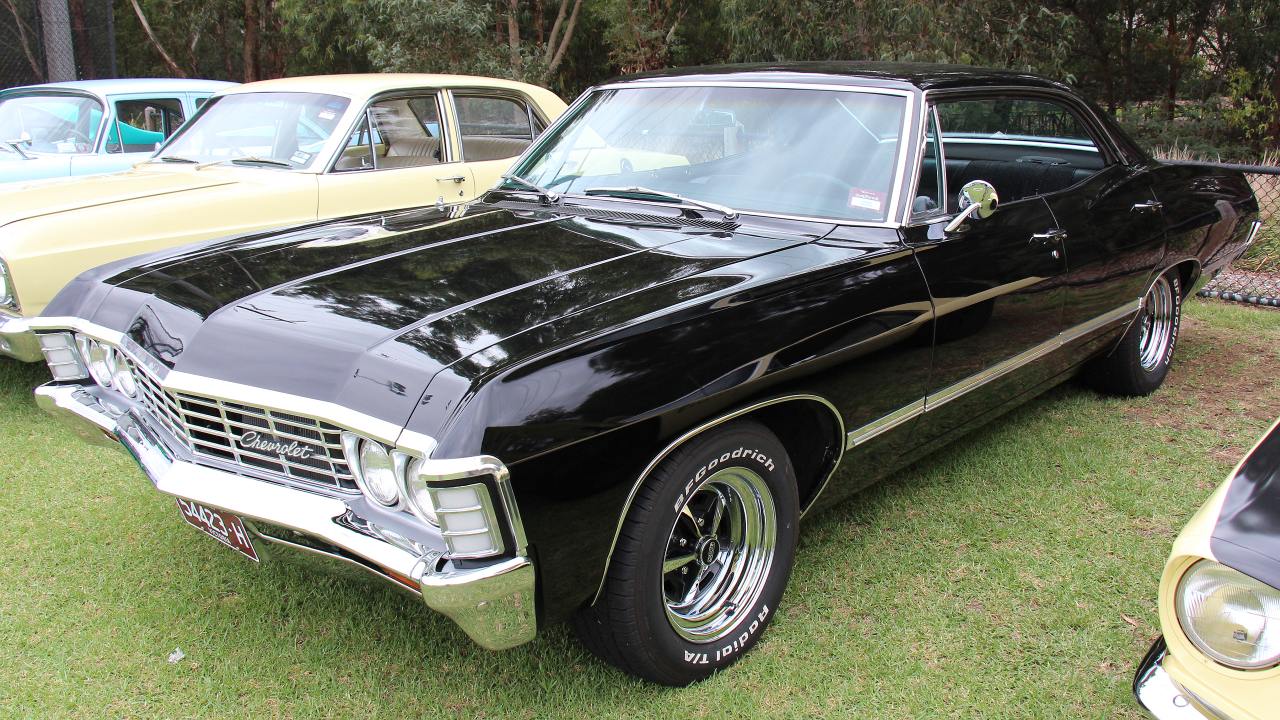
Visually, the SS 427 cars carried unique badging and trim that signaled their status without resorting to the flamboyant stripes and spoilers that defined some mid-size muscle cars. Period photos and option breakdowns highlight details such as specific SS 427 emblems, wheel choices, and interior treatments that combined upscale appointments with performance cues. Those details matter today because collectors and appraisers look closely at whether a car retains its original trim, interior, and drivetrain components, and whether the body tag and build sheet confirm that it left the factory as an SS 427 rather than being converted later. The more complete and verifiable those elements are, the stronger the car’s position in the current value hierarchy.
How the Impala SS 427 is valued in today’s market
Current pricing for the Impala SS 427 reflects both its rarity and its position in the broader muscle car landscape, sitting below the most expensive Chevelle and Camaro 427s but well above ordinary full-size Chevrolets. Recent auction results and price guide data show that driver-quality SS 427 coupes with presentable paint, functional mechanicals, and no major rust issues typically trade in the mid five-figure range, with condition, documentation, and originality pushing values up or down. Unverified based on available sources: the exact average sale price for a “good” condition SS 427, since the reporting block does not provide a specific dollar figure.
At the higher end, well-restored, numbers-matching SS 427 cars with verified factory documentation and desirable options, such as four-speed manual transmissions and performance rear axle ratios, can reach into the low six-figure territory at major auctions. Market coverage notes that convertibles and rare body styles command a premium over coupes, and that color combinations, original engine blocks, and period-correct components all influence final sale prices. The spread between a non-matching driver and a fully documented, concours-level restoration can be dramatic, which is why buyers and sellers increasingly rely on detailed inspection reports and historical paperwork to justify asking prices.
Key factors that move SS 427 prices up or down
Condition and originality are the two most important levers on Impala SS 427 values, and they often work together. Cars that retain their original 427 engine, transmission, and rear axle, backed by build sheets or other factory paperwork, sit at the top of the market, especially when the restoration work is documented and uses correct parts. Reporting on recent sales emphasizes that heavily modified cars, even if they are cosmetically impressive, tend to lag behind stock or correctly restored examples, because collectors in this segment are paying for authenticity as much as performance.
Options and body style also play a major role. Four-speed manual cars, especially those with performance axle ratios and factory tachometers, routinely bring stronger money than similar automatics, and convertibles or fastback Sport Coupes are more sought after than sedans. Market analyses point out that color can add or subtract value as well, with original bright hues and period-correct interiors generally preferred over modern custom schemes. Unverified based on available sources: any precise percentage premium for specific options, since the provided reporting does not quantify those differences.
What buyers and sellers should watch going forward
Looking ahead, I see the Impala SS 427 continuing to benefit from the broader interest in documented, big-block muscle, but its trajectory will likely be steadier than the spikes seen in some headline-grabbing models. The car’s full-size footprint and more understated image mean it appeals to a slightly different buyer than a Chevelle SS 396 or a Camaro Z/28, often someone who values long-distance comfort as much as quarter-mile times. Market commentary suggests that as younger collectors enter the hobby, they are increasingly open to large, comfortable muscle-era cars, which could support demand for well-sorted SS 427s.
At the same time, the market is becoming more discerning, and that favors cars with clear histories and careful restorations. I expect the gap between top-tier, documented SS 427s and rough, incomplete projects to widen, especially as restoration costs continue to climb and buyers factor those expenses into their offers. For anyone considering a purchase or sale, the most reliable strategy is to focus on documentation, originality, and structural condition, then benchmark against recent, comparable sales rather than headline-grabbing outliers that may not reflect the broader Impala SS 427 market.

Leave a Reply