
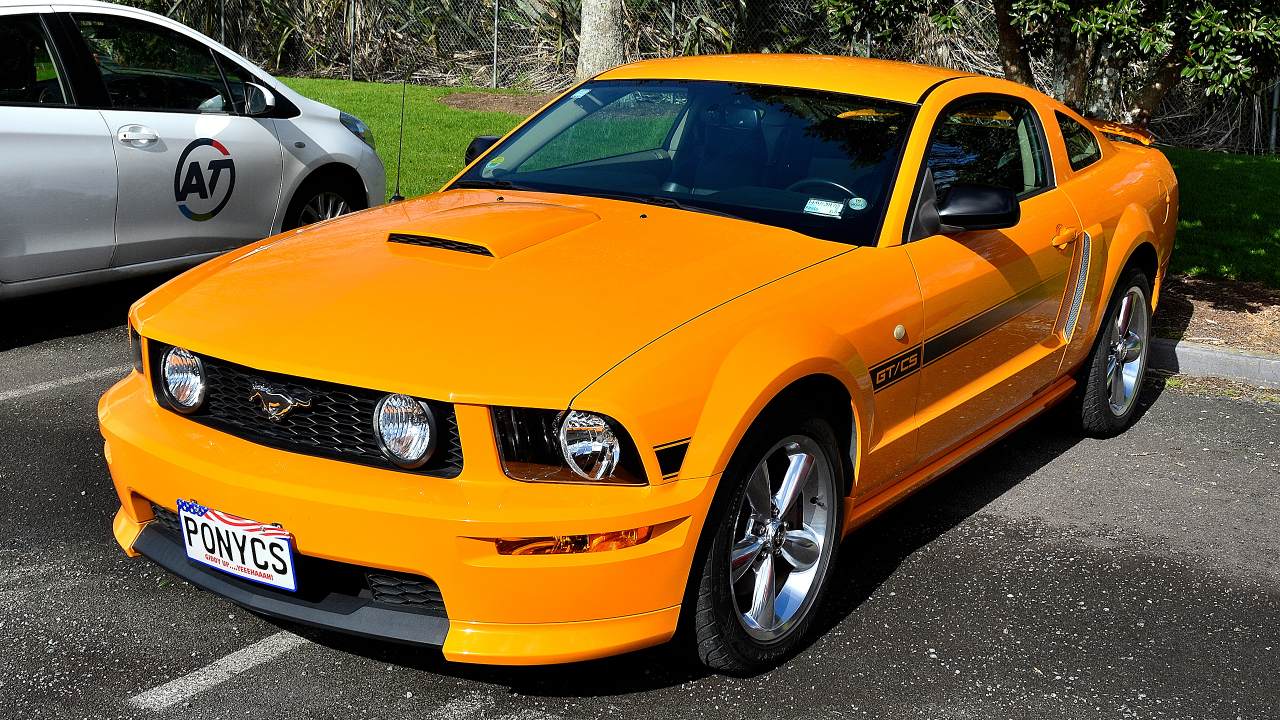
The Mustang GT/CS California Special and its Rocky Mountain sibling, the High Country Special, sit at the intersection of regional marketing and factory performance, which makes their production years and current values especially important to collectors. Both packages were short‑run, dealer‑focused variants, and the limited build numbers now translate into a meaningful premium over standard 1968 Mustangs when condition and originality line up.
Understanding exactly when Ford built these cars, how many were produced, and what they trade for today helps separate genuine limited editions from look‑alike clones. It also gives buyers and sellers a realistic benchmark before they lean on specialist valuation tools or recent auction results.
When Ford built the High Country Special and GT/CS
The High Country Special was not a one‑year curiosity but a three‑year regional program that ran from 1966 through 1968, centered on Colorado and neighboring states. One detailed model guide notes that it was Produced “from 1966 through 1968,” and another period overview describes it as being Offered during the “66–68 m” model years at dealers in Colorado, Wyoming, and Western Nebrask. That timeline means the High Country Special predates the California Special and helps explain why enthusiasts often call it Ford’s first limited‑edition Mustang.
The GT/CS California Special, by contrast, is a 1968‑only package built on the standard Mustang hardtop. Contemporary production breakdowns emphasize that all California Specials were based on the 1968 coupe, with styling cues inspired by Shelby and regional dealer input, while the High Country Special continued in parallel as a Rocky Mountain counterpart. One enthusiast registry notes that of the 4,118 units produced for the combined program, “4,118 units” included “251” High Country Specials, tying the 1968 High Country run directly to the same basic body and trim set used on the GT/CS. That shared foundation is why collectors often discuss the two cars together even though only the California Special carried the GT/CS script from the factory.
How many High Country Specials were built, and what made them different
Production numbers for the High Country Special are small by any Mustang standard, and the breakdown underscores just how regional the program was. A dedicated history site reports that “Of the 4,118 units produced 251 were High Country Specials. * 1966 High Country Special. In the summer of ’66, exactly 333 ‘High C…” which confirms both the total 1968 High Country count and the early 1966 launch. Another enthusiast summary focused on the 1968 cars states that “Only 333 were produced, divided between 274 hardtops, 20 fastbacks and 39 convertibles,” with “333,” “274,” and “39” cited verbatim, although that figure appears to describe a specific subset of cars rather than the broader 251‑unit 1968 High Country tally. With the available sources, the precise reconciliation between those two sets of numbers is Unverified based on available sources, but both agree that output was in the low hundreds.
Visually, the High Country Special borrowed heavily from the California Special but swapped out the coastal branding for mountain‑market identity. One detailed feature notes that “Instead of the” GT/CS lettering on the side scoops, there was a crest‑style emblem carrying the words “High Country Special and the” stylized Mustang, a small change that now has a big impact on authenticity and value. The High Country package also leaned on unique paint choices and dealer‑specific touches in Colorado and surrounding states, and a later valuation listing for a “Ford Mustang High Country Special” in Englewood, Colorado, describes a “Modified” example with automatic transmission and LHD, reinforcing how many of these cars lived their lives in the region where they were first sold.
What set the 1968 GT/CS California Special apart
The GT/CS California Special took the basic 1968 Mustang hardtop and overlaid a Shelby‑inspired appearance package that was meant to stand out on West Coast dealer lots. Period‑correct build information shows that all California Specials were based on the coupe body, with side scoops, a unique rear treatment, and GT/CS script on the quarter‑panel intakes. A European fact sheet on these cars notes that where the High Country version carried a crest badge, the California Special kept the GT/CS lettering, which is one of the quickest ways to distinguish a genuine GT/CS from a High Country Special clone or a standard Mustang with bolt‑on parts.
Mechanically, the GT/CS could be ordered with a range of drivetrains, so the package’s value today hinges more on originality and specification than on a single engine code. A modern inspection report on a “Ford Mustang GT” “California Special” highlights how appraisers now scrutinize casting numbers, trim tags, and period documentation to confirm that a car left the factory as a GT/CS rather than being converted later. That same inspection underscores that buyers are willing to pay a premium for a documented California Special in strong condition, especially when the car retains its original color combination and key appearance parts.
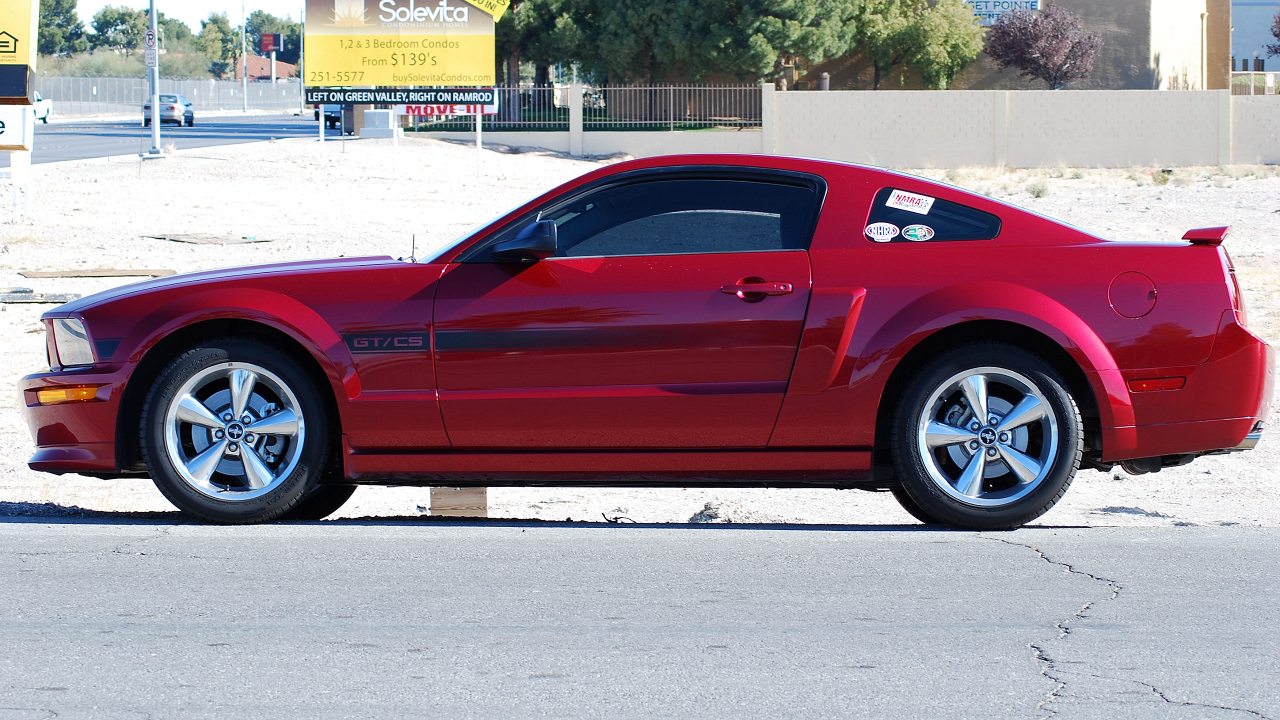
Current market values for GT/CS and High Country Special Mustangs
Valuation data for the 1968 GT/CS California Special shows a clear premium over a standard 1968 Mustang coupe, particularly in higher conditions. A specialist price guide for the “1968 Ford Mustang California Special” lists detailed condition ranges and recent sales, including a reference to a “Ford Mustang GT” sold in “Europe” for “$73,500” through “Collecting Cars” on “Nov 24, 2025,” which helps anchor the top end of what serious collectors will pay for a well‑presented example. That same tool pegs a #3 Condition driver‑quality California Special at “$40,700,” a useful benchmark for buyers who are weighing a GT/CS against a more common 1968 Mustang.
For the High Country Special, the market is thinner but still well documented through individual sales and broader 1968 Mustang averages. A recent “Comps” listing for a “Ford Mustang High Country Special” shows a “Modified” car with “TMU,” “Automatic,” and “LHD” selling in Englewood, Colorado, for “$51,000” on “Jan 11,” which is a strong result for a non‑stock example. Broader 1968 Mustang data compiled across many sales reports an “Average Sale Value” of “$42,122” and a “Current Year Average” of “$82,871,” figures that frame how far above or below the general market a specific GT/CS or High Country car might sit. When I compare those averages with the documented California Special and High Country transactions, the limited‑edition packages tend to land at or above the upper end of the standard Mustang range when condition and originality are comparable.
How collectors should approach buying and valuing these limited editions
For anyone shopping a GT/CS or High Country Special, the first step is to treat them like any other first‑generation Mustang and “Determine Your Budget The” market can support. A buyer’s guide for classic “Mustang” models stresses that prices vary widely with model, rarity, and condition, and that advice applies even more sharply to these regional specials. Because the GT/CS and High Country packages can be cosmetically replicated, I put a premium on documentation, including original invoices, build sheets, and period photos, before I let the presence of side scoops or badges influence my view of value.
On the pricing side, modern tools make it easier to benchmark a specific car against the broader market. A general appraisal resource notes that in the case of a classic Mustang, “you’d need to find a specialized classic car guide, such as Hagerty, to determine its fair market value,” and a separate video reminder from “Haggerty” emphasizes that “valuations change over time” and should be checked against up‑to‑date valuation tools. I find that combining those structured guides with recent auction data, such as the $51,000 High Country sale and the $73,500 California Special result, gives a more realistic picture than relying on asking prices alone. For buyers and sellers of these short‑run 1968 variants, that mix of documentation, condition assessment, and current market data is what ultimately separates a fair deal from an expensive lesson.


Leave a Reply