
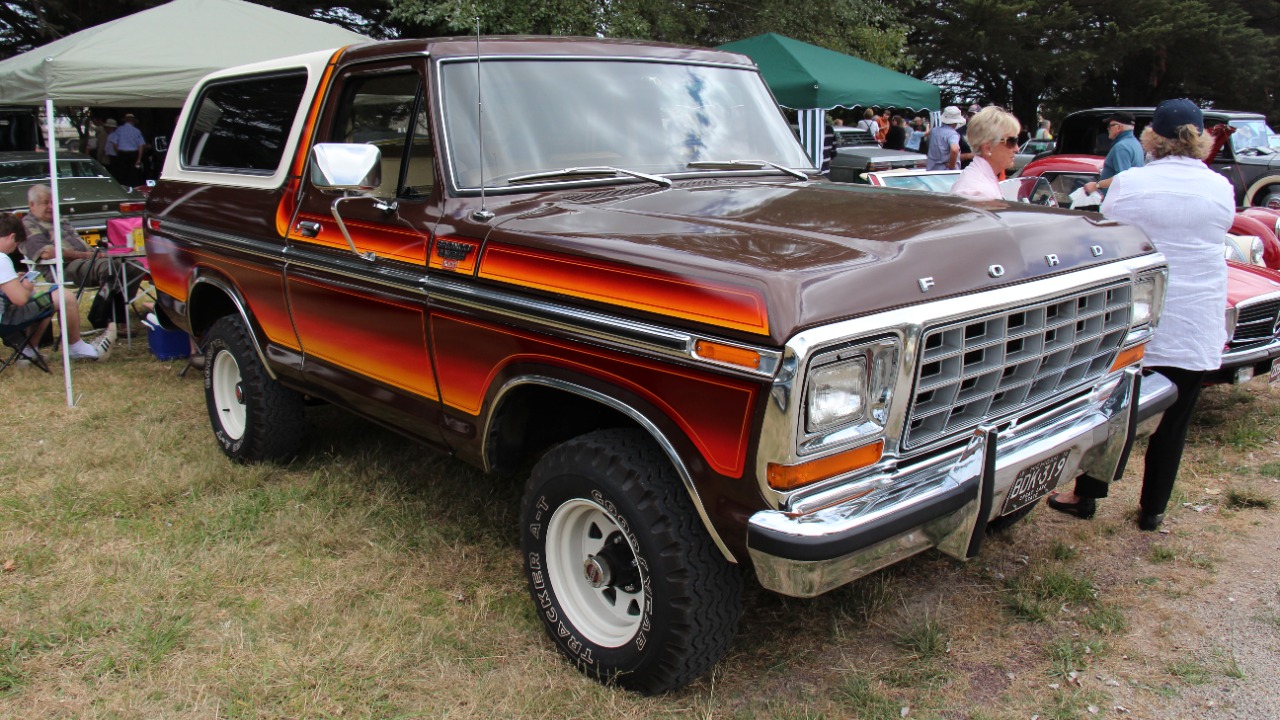
The Bronco Free Wheeling models sit at the crossroads of 1970s graphics, truck culture, and today’s collector market, where nostalgia now carries a clear price tag. To understand when Ford released the Bronco Freewheelin’ Edition and what these rigs are worth today, I need to trace the original Free Wheeling package across the late 1970s and then follow its revival on modern Broncos.
That story starts with Ford’s pivot away from pure performance toward lifestyle trucks, runs through the second generation Bronco, and now stretches into new Bronco Sport and Big Bend variants that borrow the same sunset stripes and attitude while commanding very different money on the used market.
How the Free Wheeling package set the stage for the Bronco
Ford’s Free Wheeling concept emerged as the company shifted from muscle cars to lifestyle 4x4s, using bold graphics and trim to sell attitude as much as capability. Reporting on the classic truck program notes that as the market moved away from performance focused models, Ford rolled out a coordinated Free Wheeling Package that emphasized an energetic, forward moving appearance on its pickups. That same design language, with multi color stripes and blacked out details, would soon migrate to the Bronco line and define some of the most recognizable late 1970s sport utilities.
From the late 1970s into the early 1980s, the Free Wheeling treatment was not limited to one body style, it was a family of special editions. Contemporary accounts describe the package being offered on the Ford F 100, F 150, Bronco, and even vans, creating a consistent visual identity across the lineup. By 1979, the Free Wheeling branding had become closely associated with off road ready F series trucks and Broncos, setting up the specific Bronco Free Wheeling editions that collectors chase today.
When the Bronco Free Wheeling editions arrived
The Bronco specific Free Wheeling editions landed in the heart of the second generation, when Ford was applying the package across its truck range. Evidence from period focused coverage shows that by 1979 the Free Wheeling Package was firmly established on Ford trucks, including the F 150, and extended to the Bronco with matching striping, trim, and wheel treatments. A social media archive focused on vintage Ford 4x4s reinforces that from the late 1970s to the early 1980s, the Free Wheeling package was available on the Bronco alongside those F series trucks and vans, which places the Bronco Free Wheeling editions squarely in that late 1970s launch window.
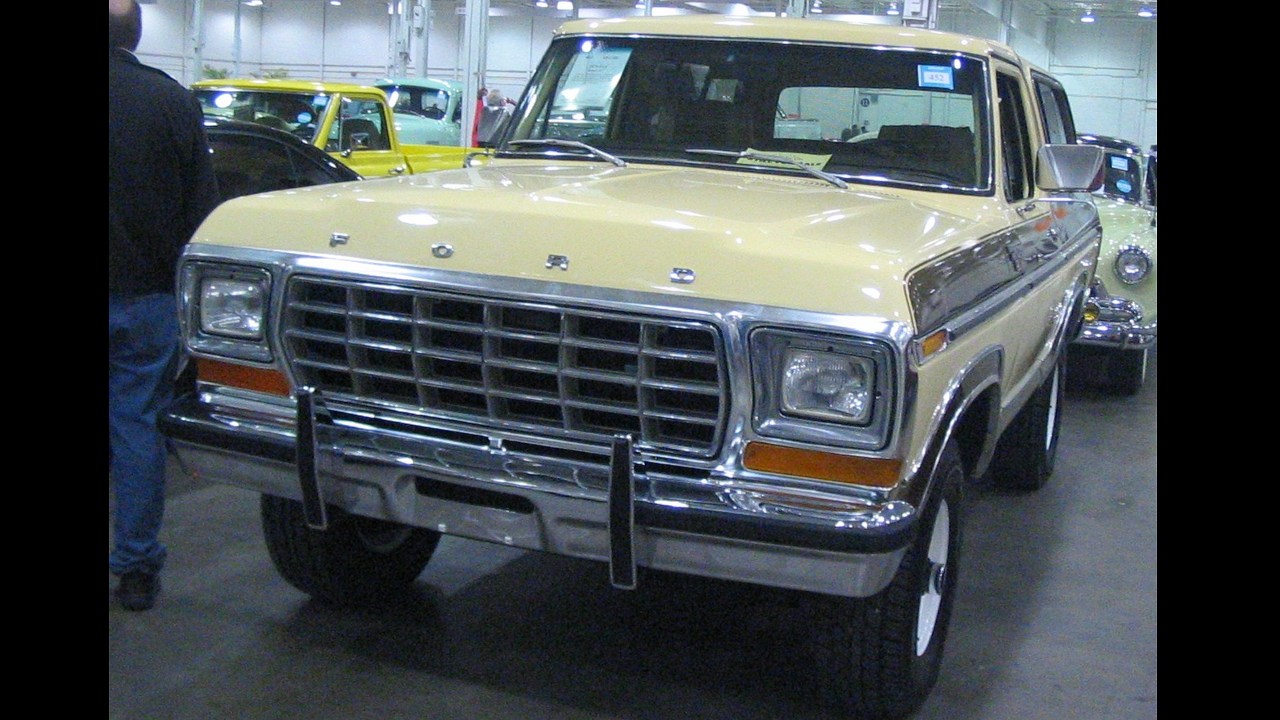
Period style breakdowns of Ford’s special trucks help fill in what made the Bronco Free Wheeling stand out once it arrived. A detailed overview of Ford Free Wheeling Trucks explains that these models offered a blacked out grille, custom interior, “trick wheels,” and very obvious 1970s paint schemes, elements that carried over to the Bronco versions. The same analysis notes that the exterior treatment included reflective stripes and color keyed accents that matched the wheels and interior, so when Ford released the Bronco Free Wheeling editions in that period, they were instantly recognizable as part of a broader Free Wheeling family rather than a one off appearance package.
What defined a classic Bronco Free Wheeling on the road
On the street and trail, the original Bronco Free Wheeling editions were as much about image as hardware, but the visual package was carefully coordinated. The classic truck history notes that the Free Wheeling Package used sweeping stripes, bright colors, and matching trim to create an energetic, forward moving appearance that made even a stock height truck look more aggressive. When applied to the Bronco, that meant a blacked out grille, bold side graphics, and wheels that echoed the stripe colors, details that are echoed in later descriptions of Ford Free Wheeling Trucks with similar 1970s paint schemes and ad ready visuals.
Inside, the Bronco Free Wheeling editions followed the same playbook as the trucks, pairing exterior graphics with custom interior touches. Coverage of the Free Wheeling trucks highlights special upholstery patterns and trim that matched the exterior stripes, along with “trick wheels” and blacked out brightwork that tied the whole package together. That coordinated approach is consistent with the way the Free Wheeling Package is described by restorers, who emphasize how the graphics, wheels, and interior details reinforced a customized feel straight from the factory, a key reason these Broncos stand out in today’s market.
Today’s market values for vintage Bronco Free Wheeling models
Four decades later, the Bronco Free Wheeling editions have moved from showroom curiosities to tracked assets with documented sales ranges. One recent valuation snapshot for a 1979 Ford Bronco Free Wheeling Edition notes that there are 30 comps indicating a price range from $21,000 – $41, a spread that reflects variations in originality, condition, and modifications. That same dataset underscores that these are second generation Broncos, which already carry a premium over some later models, and that the Free Wheeling branding adds another layer of desirability for buyers who want period correct graphics.
A separate listing focused on a 1979 Ford Bronco Ranger XLT Free Wheeling shows how trim level and specification can push values higher still. That report, which also tracks 30 comparable sales, cites a price range that includes a figure of $38,995, suggesting that well optioned or tastefully modified examples can command a significant premium over driver grade trucks. Taken together, these valuation snapshots show that when Ford released the Bronco Free Wheeling editions in the late 1970s, it inadvertently created a subset of Broncos that now trade in a clearly defined collector band rather than as generic old SUVs.
How Ford has revived the Free Wheeling idea on modern Broncos
Ford has not left the Free Wheeling legacy in the past, instead it has revived the look on modern Bronco based models that explicitly reference the original trucks and Broncos. In the Bronco Sport lineup, a report dated Jul 30, 2023 describes a Bronco Sport Free Wheeling Edition as a fresh addition inspired by the iconic Ford Free Wheeling trucks, vans, and Broncos from that late 1970s era. The modern package uses bright exterior accents and retro inspired graphics to bring that same boldness to the vehicle’s exterior, effectively translating the original stripes into a contemporary crossover format.
The full size Bronco has received a similar treatment, with Ford introducing a new Bronco Free Wheeling package for the 2025 model year. Company materials dated Oct 7, 2024 explain that the 2025 Bronco Free Wheeling is available as an optional appearance package for the Big Bend trim, adding reflective retro graphics, unique wheels, and interior accents that echo the original Free Wheeling trucks. By explicitly tying the new package to the late 1970s program, Ford is not only selling a look, it is reinforcing the collectability of the original Bronco Free Wheeling editions that inspired it.
Why the Free Wheeling name still matters for collectors
The persistence of the Free Wheeling name on new Broncos helps explain why the original editions have held and even grown in value. When modern marketing materials for the Bronco Sport and Big Bend trims reference the historic Ford Free Wheeling trucks and Bronco models, they effectively validate those late 1970s trucks as design icons worth revisiting. That feedback loop, where new products celebrate old ones, tends to support collector interest and pricing, which is visible in the tracked ranges for the 1979 Ford Bronco Free Wheeling Edition and the 1979 Ford Bronco Ranger XLT Free Wheeling.
For buyers and owners, that means the question is no longer whether the Bronco Free Wheeling editions are special, but how their specific configuration fits into a market that now has clear benchmarks. With comps showing figures from $21,000 on the lower end to numbers like $38,995 and $41 at the upper reaches, the Bronco Free Wheeling name now signals a defined slice of the classic 4×4 market. When Ford first released these Broncos in the late 1970s, the goal was to capture a lifestyle trend; today, that same branding helps define a collectible niche that bridges vintage trucks and the latest retro themed SUVs.

Leave a Reply