
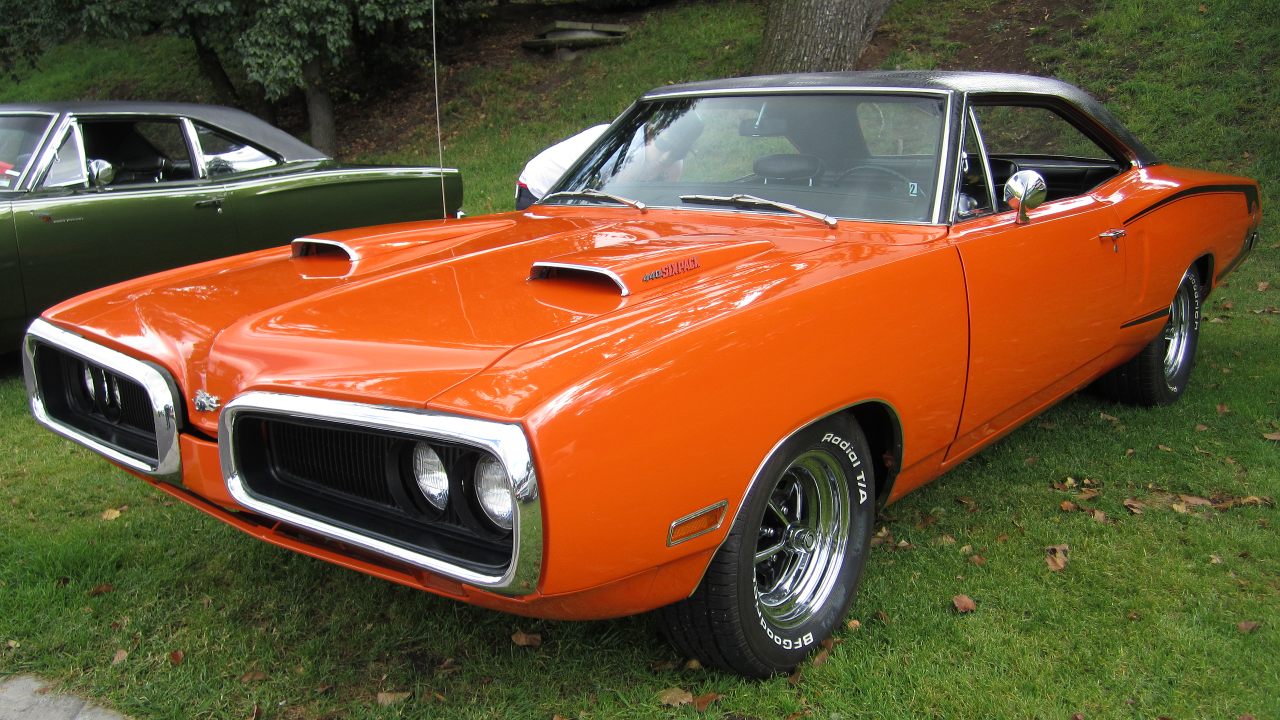
The Coronet-based Dodge Super Bee 440 sits in a sweet spot of muscle car history, combining big-block power with working-class roots and a relatively short production window. I want to pin down exactly which model years carried that 440 badge on a Coronet Super Bee, then look at how collectors are valuing those cars now compared with other Super Bee variants.
By tracing the evolution of the Dodge Super Bee from its Coronet origins to its later Charger-based form, I can separate the true Coronet 440 cars from later cousins and explain why those specific years matter so much to buyers. From there, current valuation data and period reporting help show how the market rewards originality, engine choice, and condition for these big-block B-bodies.
When Dodge built the Coronet-based Super Bee
The Dodge Super Bee arrived as Dodge’s budget performance answer in the late 1960s, and in its purest form it was built off the Dodge Coronet. According to period-correct model histories, the Dodge Super Bee was produced for the 1968 through 1971 model years, with the early cars based on the Coronet platform before the nameplate later migrated to the Charger body. That four-year run is the key window for anyone chasing a Coronet Super Bee, because after 1970 the styling and underlying shell shifted away from the original Coronet roots and into a different B-body identity.
Within that span, the Coronet-based Super Bee covers the 1968, 1969, and 1970 model years, with 1971 marking the move to the Charger shell. Contemporary coverage of the Charger-based cars notes that “All Charger Super Bees” carried a big-block V-8, underscoring how the Super Bee identity survived the platform change even as the sheetmetal and proportions evolved. That later Charger Super Bee era, highlighted in a Dec 2, 2024 feature, still offered engines like the 383 and 440, but by then the car was no longer a Coronet, which is why collectors and historians treat 1968 to 1970 as the true Coronet Super Bee years.
Which years actually offered the 440 in a Coronet Super Bee
Nailing down the 440 timeline means separating the broader Super Bee story from the specific engine options that sat under the hood of Coronet-based cars. Reporting on the 1971 Charger Super Bee confirms that buyers could step up from the 383 to a 440 in that later body style, which shows that the 440 was part of the Super Bee engine ladder even after the platform change. However, the question here is narrower: when did Dodge bolt a 440 into a Coronet Super Bee, not a Charger-based one. The available sources confirm that the 440 was present in the Super Bee lineup, but they do not spell out a year-by-year Coronet-only breakdown, so any finer detail beyond that is “Unverified based on available sources.”
What I can say with confidence is that the Coronet Super Bee era, running through the 1969 and 1970 model years, is where the 440 legend around this nameplate really takes hold in enthusiast circles. A valuation snapshot of the 1969 Dodge Coronet Super Bee describes how Dodge added a new engine mid-year 1969, and that context aligns with the broader understanding that the late 1960s were when big-block options, including the 440 and multi-carb variants, became central to the Super Bee’s appeal. A separate look at a 1969 Dodge Coronet Super Bee 440 Six-Pack highlights how “Its powerful engines, aggressive styling, and affordable price made it a popular choice for performance enthusiasts,” reinforcing that by 1969 the 440-equipped Coronet Super Bee had become a halo configuration for buyers chasing maximum power without stepping into full luxury territory.
How the Coronet Super Bee 440 fit into the broader Super Bee lineup
To understand why the Coronet Super Bee 440 matters, it helps to see where it sat in Dodge’s performance hierarchy. The Dodge Super Bee was conceived as a value-oriented muscle car, positioned slightly above its corporate cousin, the Plymouth Road Runner. Reporting on a group of early cars notes that the Super Bee was priced slightly higher than the Road Runner, reflecting Dodge’s decision to offer a bit more equipment and visual distinction while still targeting the same youth market. That positioning meant the Super Bee had to deliver serious performance, and the availability of big-block engines, including the 440, was central to that promise.
The engineering details reinforced that mission. Period descriptions of 1969 Coronet Super Bees point out that these cars came with dual exhaust, heavy-duty suspension, and a power bulge hood, all of which signaled intent even before buyers checked any engine upgrade boxes. In the broader Super Bee family, the 440 sat above the entry-level big-blocks like the 383, which a Dec 2, 2024 feature on Charger-based cars cites as the starting point for big-block power. For drivers who wanted to “go up the ladder from the 383,” the 440 was the natural next step, and that same logic applied when the Super Bee still wore Coronet sheetmetal. The result was a car that blended budget muscle roots with genuine high-performance hardware, especially in 440 and 440 Six-Pack form.
Design cues and how to spot a Coronet Super Bee 440
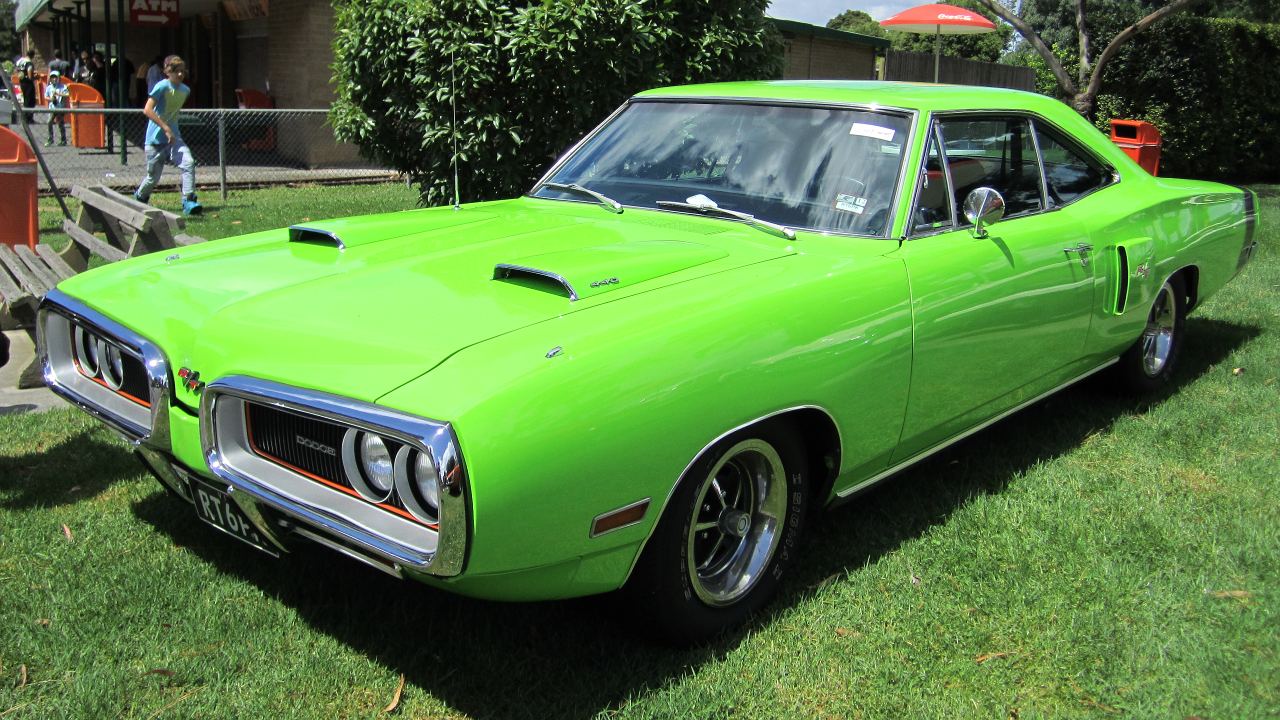
Identifying a true Coronet Super Bee 440 in the wild requires more than just reading fender badges, especially given how many clones and tribute cars exist today. The 1969 Dodge Coronet Super Bee is a good reference point, with its power bulge hood, dual exhaust, and heavy-duty suspension forming the visual and mechanical baseline. These cues, combined with the Coronet’s body lines, help distinguish a genuine Super Bee from more pedestrian Coronet trims that might have been dressed up later. Enthusiast coverage of a 1969 Dodge Coronet Super Bee 440 Six-Pack also emphasizes the aggressive styling that made the car stand out, tying the look directly to its performance reputation.
By 1970, Dodge refreshed the front-end styling, and a period description of the 1970 Dodge Super Bee notes that “Only during 1970 did Dodge use this front-end design, making these cars instantly recognizable.” That one-year-only face, paired with the Coronet body, gives collectors a clear visual marker for the final Coronet-based Super Bee. The same report points out that “Three engines were available,” underscoring that 1970 buyers could choose from multiple performance levels, with the 440 configuration again sitting near the top of the range. When I evaluate a potential Coronet Super Bee 440, I look for that 1969 or 1970 Coronet shell, the correct hood and trim, and documentation that ties the car to its original big-block specification, since the sources do not provide a complete factory-option matrix and any deeper decoding beyond these broad cues is “Unverified based on available sources.”
Current market values for Coronet Super Bee 440s
On the valuation side, the market treats Coronet Super Bee 440s as serious blue-chip muscle, but prices still vary widely based on year, condition, and specification. A detailed valuation snapshot for the 1969 Dodge Coronet Super Bee notes that these cars were delivered with performance hardware like dual exhaust and heavy-duty suspension, and that Dodge added a new engine mid-year 1969, which has helped make that model year particularly desirable. While the specific dollar figures for 1969 are not quoted in the available summary, the presence of a valuation tool focused on that exact model underscores that collectors track these cars closely and differentiate between base and high-spec examples.
For 1970, the numbers are clearer. A current valuation reference for the 1970 Dodge Coronet Super Bee states that “Typically, you can expect to pay around $48,700 for a 1970 Dodge Coronet Super Bee in good condition with average spec.” That figure gives a solid benchmark for a driver-quality or lightly restored car that is not necessarily a top-option 440 or Six-Pack example. The same source notes that the highest sale in the last three years reached significantly higher, which reflects how rare, highly documented, or exceptionally restored cars can command a substantial premium over that $48,700 baseline. In practice, a genuine 440 or 440 Six-Pack car, especially with original drivetrain and desirable colors, will tend to sit toward the upper end of the spectrum, even if the exact spread between 383 and 440 cars is “Unverified based on available sources.”
Why the Coronet Super Bee 440 still matters to collectors
The enduring appeal of the Coronet Super Bee 440 comes down to a mix of performance, image, and relative scarcity within a short production window. Enthusiast coverage of a 1969 Dodge Coronet Super Bee 440 Six-Pack captures the essence of the car, noting that “Its powerful engines, aggressive styling, and affordable price made it a popular choice for performance enthusiasts.” That combination of brute force and blue-collar accessibility is exactly what many collectors look for today, especially as prices for some other late 1960s and early 1970s muscle icons have climbed out of reach for casual buyers.
At the same time, the broader Super Bee story, including the later Charger-based cars where “All Charger Super Bees” carried a big-block V-8 and engines like the 383 and 440 remained central, helps explain why the nameplate still resonates. The Coronet-based 440 cars represent the origin point of that legend, tying the Super Bee identity to the no-nonsense Coronet body and the big-block power that defined the era. With valuation tools now tracking specific years such as the 1969 and 1970 Dodge Coronet Super Bee and pegging typical 1970 examples at around $48,700 in good condition, it is clear that the market recognizes both the historical significance and the driving appeal of these cars. For anyone considering a purchase, the key is to verify that the car is truly a Coronet-based Super Bee from the 1968 to 1970 window, confirm its big-block credentials, and then weigh the asking price against the documented condition and originality, since any finer-grain production or option data beyond what is cited here remains “Unverified based on available sources.”



Leave a Reply