
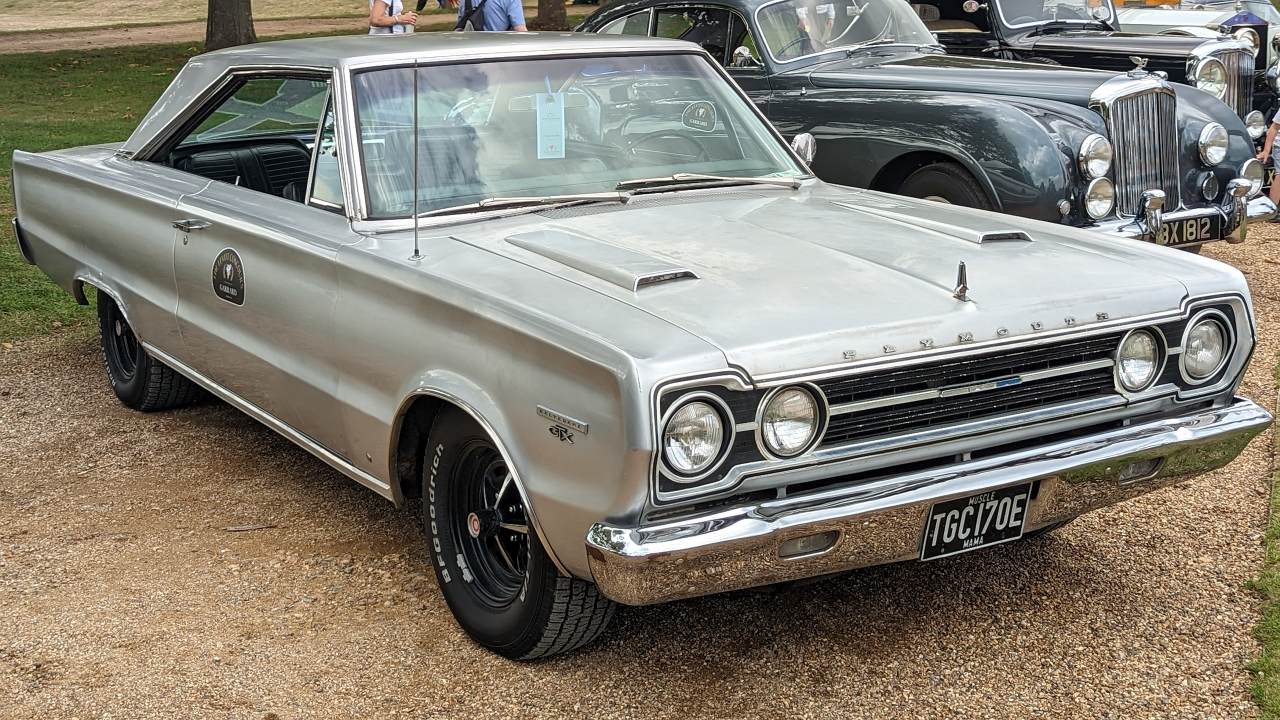
The Plymouth Belvedere GTX 426 arrived at the height of Detroit’s horsepower wars, combining a midsize body with one of the most feared V8s of its era. I want to trace when that car hit the market, how it fit into Plymouth’s performance strategy, and why collectors now pay a premium for the right examples.
How the Belvedere became the GTX
Plymouth’s move into the serious muscle-car arena started with the Belvedere, a mainstream midsize that provided the basic platform for what would become the GTX. The company needed a performance flagship that could sit above the budget-minded Road Runner and appeal to buyers who wanted both speed and a more upscale feel. That strategy led to the Belvedere-based GTX, which arrived as a distinct high-performance model with unique trim, heavy-duty suspension and a standard big-block V8, positioning it as a “gentleman’s hot rod” rather than a stripped street racer, as period specifications for the early GTX models make clear in contemporary GTX coverage.
From the outset, Plymouth treated the GTX as a separate identity rather than just an option package on the Belvedere, even though the two shared most of their sheetmetal. The car carried its own badging, interior upgrades and performance-focused equipment, including higher-rate springs, stronger driveline components and standard front disc brakes in later years, details that are documented in factory-style breakdowns of the 1967 through 1969 GTX specifications. That separation in the lineup is important when looking back at values today, because collectors tend to reward models that were marketed as halo cars rather than simply optioned-up versions of family sedans.
When Plymouth offered the Belvedere GTX with the 426 Hemi
The Belvedere GTX’s legend rests heavily on the availability of the 426 cubic inch Hemi V8, a race-bred engine that had already made its name in NASCAR and drag racing before Plymouth dropped it into the midsize body. The GTX debuted for the 1967 model year with a 440 cubic inch Super Commando V8 as standard equipment, and the 426 Hemi was offered as an extra-cost option right from that first season, according to detailed model-year breakdowns of the 1967 Plymouth GTX lineup. That means the Belvedere-based GTX with the 426 Hemi was on sale starting in the late 1960s, at the peak of the factory horsepower race.
Production numbers underline how rare those Hemi-equipped cars were even when new. For 1967, records show that only a small fraction of GTX buyers chose the 426 Hemi instead of the standard 440, with totals measured in the hundreds rather than thousands, a pattern that continued into the 1968 and 1969 model years as documented in period-correct Hemi GTX production summaries. That scarcity, combined with the engine’s reputation and the car’s role as Plymouth’s top performance offering, is a major reason collectors now separate Hemi GTX values from those of more common big-block versions.
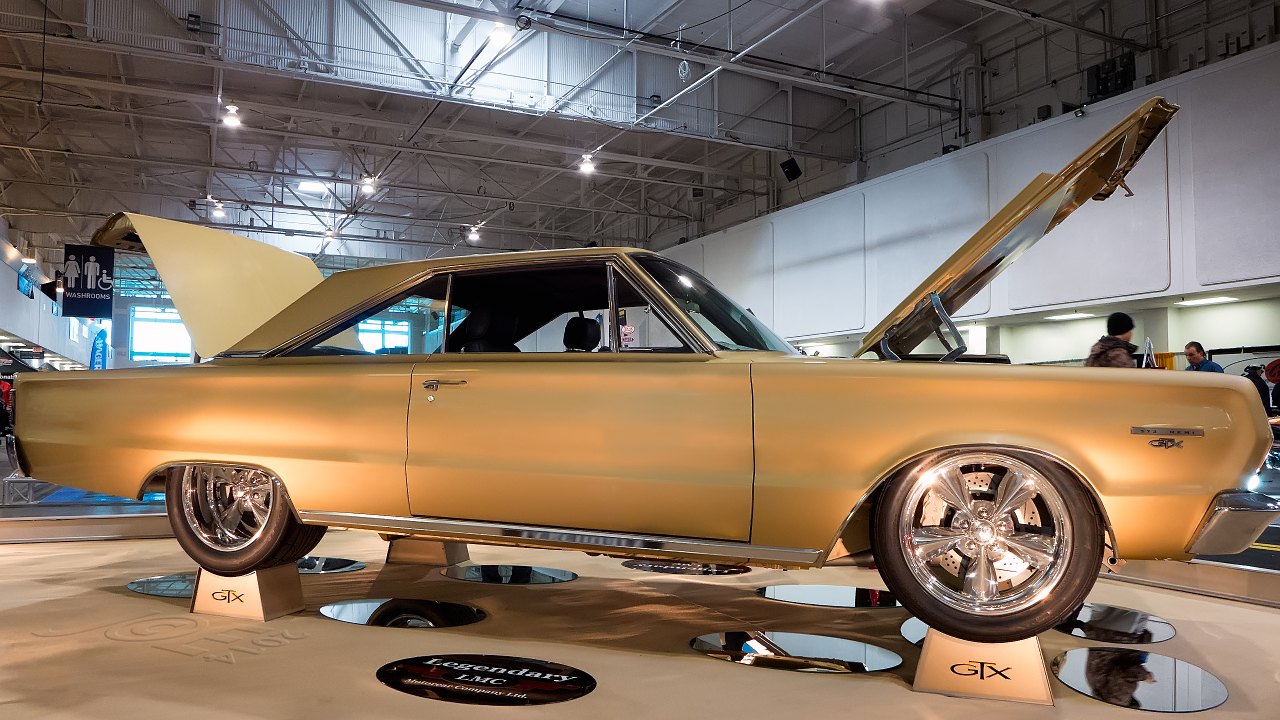
What made the 426 Hemi Belvedere GTX special
The 426 Hemi transformed the Belvedere GTX from a strong performer into a street-legal version of Plymouth’s racing hardware. The engine used hemispherical combustion chambers, large valves and a cross-bolted bottom end, features that were designed for durability at high rpm and that gave the car a factory rating of 425 horsepower and 490 lb-ft of torque, figures that appear consistently in period-correct Hemi GTX specifications. In practice, those numbers were conservative, and contemporary road tests showed the Hemi GTX running quarter-mile times that put it among the quickest factory muscle cars of its day.
Beyond raw power, the Hemi option brought supporting hardware that further distinguishes these cars in the collector market. Buyers could pair the engine with either a heavy-duty four-speed manual or a robust TorqueFlite automatic, and the cars typically received upgraded cooling, stronger rear axles and performance-oriented gearing, details that are laid out in factory-style option charts for 1967 through 1969 Hemi-equipped GTX models. That combination of race-derived engineering, limited production and a well-balanced chassis is why the 426 Hemi GTX is often treated as the pinnacle of Plymouth’s Belvedere-based performance cars.
How the Belvedere GTX 426 compares with other Mopar muscle
Within Chrysler’s broader muscle-car family, the Belvedere GTX with the 426 Hemi occupies a different niche than the more famous Dodge Charger and Plymouth Road Runner. The Charger leaned on dramatic styling and a larger body, while the Road Runner focused on low price and stripped-down fun, leaving the GTX to serve buyers who wanted luxury touches with their performance. Contemporary comparisons of late-1960s Mopar models show that the GTX carried higher base prices, more standard equipment and a more restrained appearance than its siblings, a positioning that is reflected in period GTX versus Road Runner analyses.
From a performance standpoint, a Hemi GTX could run with or ahead of most rivals from within the Mopar stable and from competing brands. Quarter-mile test data from the era places Hemi GTX times in the same league as Hemi Road Runners and 440 Six Pack cars, while offering a quieter, more refined ride and better-appointed interiors, as summarized in contemporary GTX performance comparisons. That blend of speed and civility is part of what makes the Belvedere-based GTX stand out today, because it offers the full Hemi experience without the bare-bones feel of some other muscle icons.
Collector values for the Belvedere GTX 426 today
In today’s market, the Belvedere GTX with the 426 Hemi sits near the top of the Plymouth value hierarchy, with prices that reflect both its rarity and its performance credentials. Auction data and price guides consistently show that genuine Hemi GTX cars command a significant premium over 440-powered examples, with well-documented, numbers-matching coupes trading for six-figure sums when they retain original drivetrains and factory-correct details, as summarized in recent GTX valuation guides. Convertibles, where they exist, are even more sought after, with production numbers so low that each surviving car becomes a headline sale.
Condition, originality and documentation are the main drivers of value, and I see a clear hierarchy emerging in the data. At the top sit unrestored, low-mileage Hemi GTX cars with full paperwork, followed by high-quality restorations that use correct parts and finishes, while modified or non-original examples lag behind even if they share the same basic specifications, a pattern that is evident in recent Hemi GTX auction results. For collectors who want the look and feel of the Belvedere-based GTX without paying Hemi money, 440-powered cars remain more accessible, but the market gap between those and true Hemi models underlines just how much weight the 426 badge still carries.



Leave a Reply