
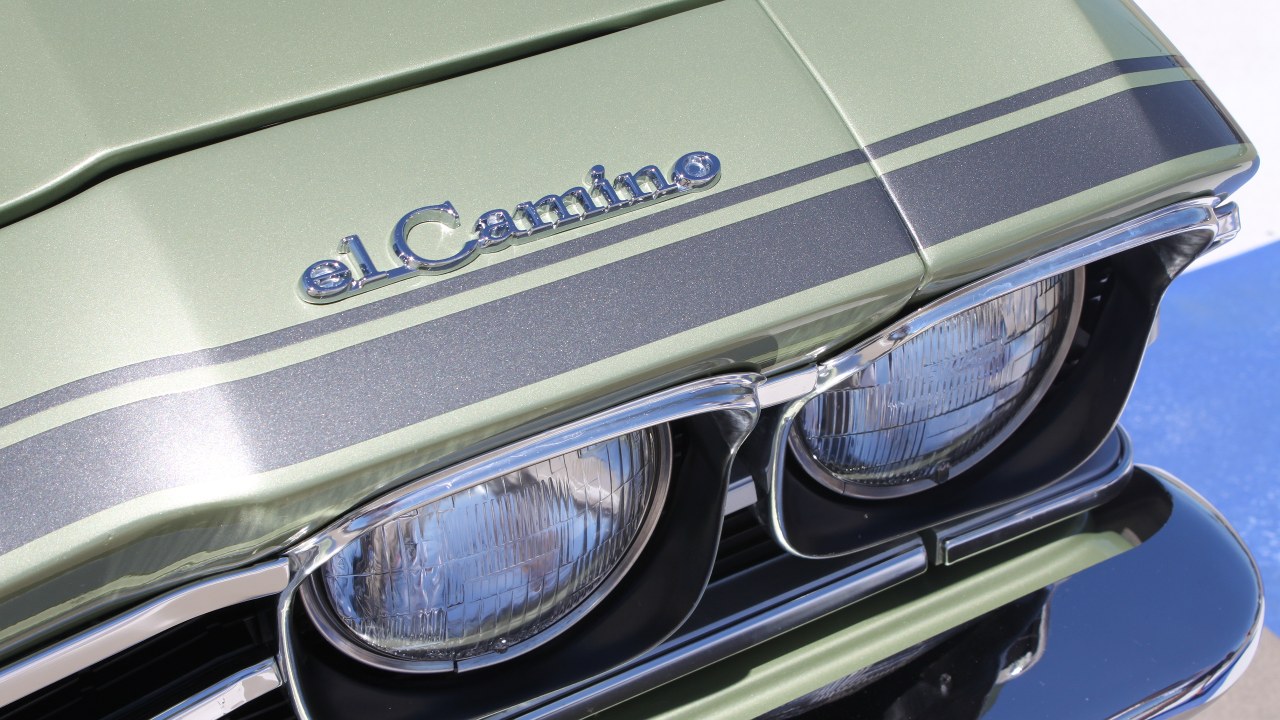
The El Camino SS 396 sits at the crossroads of muscle car and work truck, a short list of model years that now command serious attention from collectors. I want to walk through exactly which years Chevrolet built a factory SS 396 version, how those trucks fit into the broader El Camino story, and what current market data says they are worth today.
By focusing on the specific production window for the SS 396 and pairing it with recent valuation tools and auction results, I can show how these once utilitarian “car‑trucks” have become blue chip pieces of the late‑1960s and early‑1970s performance market. The goal is simple: clarify the timeline, highlight what makes the SS 396 distinct, and give realistic price expectations for buyers and sellers right now.
How the El Camino evolved into a muscle truck
The El Camino did not start life as a full‑bore muscle machine. Early versions leaned more toward stylish utility, but by the mid‑1960s Chevrolet was steadily adding performance hardware that mirrored its intermediate cars. One account of the model’s development notes that by the 1964 to 1967 period, often described as “The El Camino Comes of Age,” the truck shared the smaller 115-inch wheelbase and much of the running gear with the Chevelle. That close relationship set the stage for the El Camino to inherit the same big block engines and SS identity that were turning Chevrolet’s midsize cars into icons.
Performance options multiplied quickly. A period overview of the five El Camino generations points out that there were “Numerous V8 versions” available, including a tri‑power “three two barrel 348” rated at “335” horsepower, a clear signal that Chevrolet was comfortable selling serious power in a vehicle that still had a pickup bed. By the time the late 1960s arrived, the groundwork was in place for a dedicated Super Sport package and the now‑legendary 396 cubic inch big block to become central to the El Camino’s identity.
The exact years Chevrolet built the El Camino SS 396
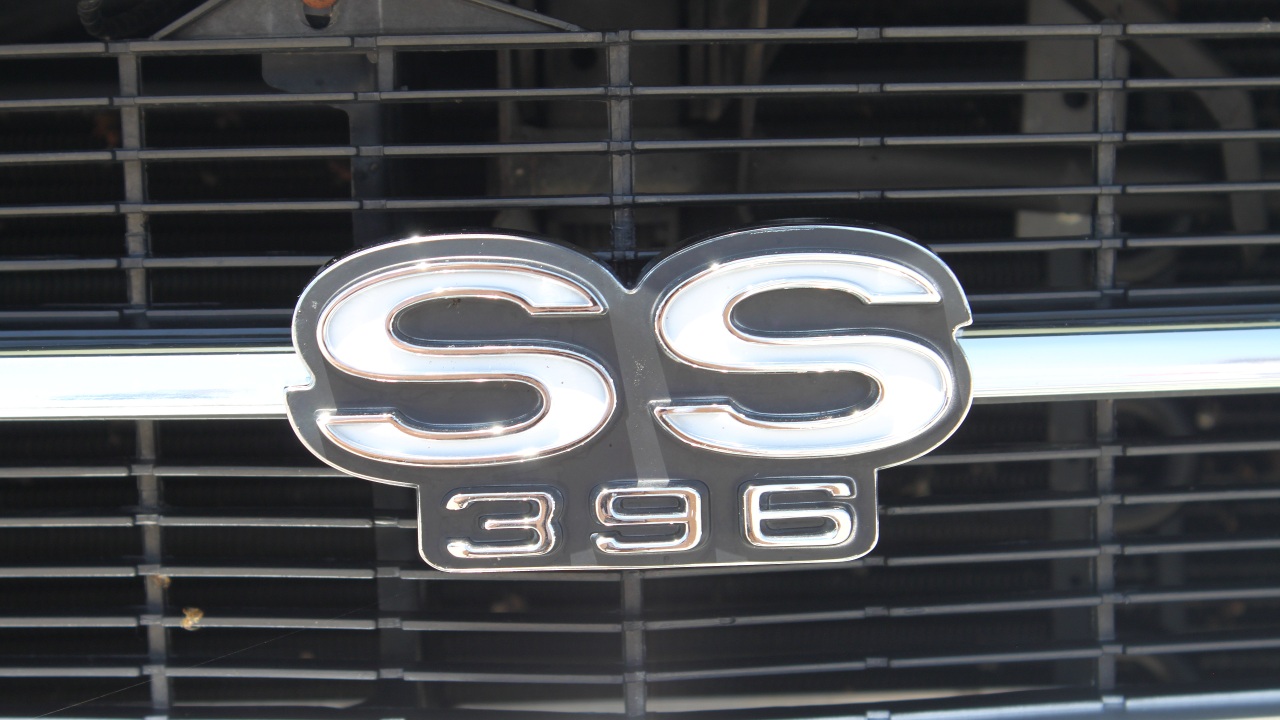
When enthusiasts talk about the El Camino SS 396, they are really talking about a tight run of late‑1960s and 1970 model years. The SS package and 396 engine were tied to the third‑generation body that arrived for 1968, and contemporary histories of the truck’s evolution describe 1968 to 1972 as a “Modern Classic” era with a new high performance Super Sport option. Within that span, detailed valuation data confirms that Chevrolet offered a factory Chevrolet El Camino SS equipped with a “396” for 1968, 1969 and 1970.
Those three years are backed up by separate valuation entries that list a 1969 Chevrolet El Camino SS with a “396” and a 1970 Chevrolet El Camino SS also carrying a “396.” Broader model histories note that General Motors added big block power to the Chevrolet El Camino in the mid‑1960s, but the specific SS 396 badging and configuration that collectors chase today is concentrated in those 1968, 1969 and 1970 trucks. Later El Caminos used different displacements and naming, so when I refer to “SS 396” in this piece, I am talking about that three‑year window.
Why 1969 and 1970 are the performance sweet spot
Not all SS 396 El Caminos are viewed equally in the market. Analysts who track late‑1960s and early‑1970s values describe a clear performance and desirability peak in the middle of the third generation. One recent market review of 1968 to 1972 trucks calls out “the magic years” for maximum performance as “69 and 1970,” when the El Camino could be ordered with the same high output big blocks as its Chevelle siblings. That context helps explain why buyers often pay a premium for 1969 and 1970 SS 396 trucks compared with the first year of the body style.
There is also a hierarchy within the broader El Camino world that shapes how the SS 396 is perceived. The same market analysis notes that “There’s a clearly defined hierarchy of values” for the El Camino, with high specification SS models sitting near the top but still generally trailing equivalent Chevelles. That gap can make SS 396 trucks relatively attractive to buyers who want big block performance and period styling without paying Chevelle SS money, especially in those favored 1969 and 1970 configurations.
Current market values for 1968–1970 El Camino SS 396
Recent valuation tools give a detailed picture of what SS 396 El Caminos are worth right now, and the numbers show a mix of attainable entry points and headline‑grabbing outliers. For 1968, a pricing guide for the Chevrolet El Camino SS “2dr Pickup” with an “8‑cyl. 396cid/325hp 4bbl L35” lists a representative figure of “$29,600.” Forecast charts attached to that entry extend through “Oct 2025,” suggesting that the market for these early SS 396 trucks is stable but not overheated.
The 1969 SS 396 sits slightly lower on the same valuation scale, which can surprise buyers who assume later is always more valuable. The guide for the 1969 Chevrolet El Camino SS “2dr Pickup” with a “396cid/325hp 4bbl L35” shows a representative value of “$24,900,” again with projections running through “Oct.” That spread between 1968 and 1969 can reflect condition, options and the specific assumptions baked into the valuation model, but it also shows that buyers who are flexible on year can sometimes find a better deal without sacrificing the SS 396 badge.
For 1970, the data splits into two useful views: a general expectation for a driver‑quality truck and a more detailed forecast for specific configurations. One valuation entry notes that “Typically, you can expect to pay around $32,200 for a 1970 Chevrolet El Camino SS 396 in good condition with average spec.” A separate forecast for the 1970 SS 396 “2dr Pickup” with an “8‑cyl. 396cid/350hp 4bbl L34” lists a representative value of “$31,100” with a “6.1%” change and projections extending to “Oct 2.” Taken together, those figures suggest that a solid 1970 SS 396 typically commands a modest premium over earlier years, reflecting both its performance reputation and its place at the tail end of the big block era.
Top‑end sales and the importance of real SS documentation
While price guides focus on representative examples, the very best SS 396 El Caminos can sell for far more when rare options, top‑tier restorations or special provenance are involved. A broad market snapshot of the Chevrolet El Camino notes that the highest recorded sale is “$275,000” for a 1970 “CHEVROLET EL CAMINO,” a figure that shows how far the very top of the market can stretch. That same snapshot also reports an average sale price of just over thirty thousand dollars for the broader Chevrolet El Camino category, which lines up closely with the valuation tools’ estimates for SS 396 trucks in good condition.
As values climb, verifying that a given truck is a genuine SS 396 rather than a clone becomes critical. A detailed guide to “SS VERIFICATION” for 1969 El Caminos points out that “Consequently, there is no code in a 1969+ VIN to indicate the vehicle came from the factory as an SS,” and that “Therefor” buyers must rely on build sheets, component codes and other documentation. That lack of a simple VIN marker means that paperwork and expert inspection are essential when a seller is asking SS 396 money, especially at the upper end of the market where a small detail can swing the price by tens of thousands of dollars.
Where the SS 396 fits in the broader El Camino landscape
Within the full production run of the El Camino, the SS 396 occupies a relatively small but influential slice. A general overview of the model’s history notes that the Chevrolet El Camino spanned multiple generations and body styles, and that editors have even flagged the entry with a request that readers “Please help improve this article by adding citations,” a reminder that enthusiasts are still refining the historical record. Against that long timeline, the 1968 to 1970 SS 396 trucks stand out as the moment when Chevrolet fully embraced the idea of a muscle pickup, pairing big block power with the practicality that had always defined the nameplate.
Market analysts who look across all 1968 to 1972 El Caminos emphasize that, even with recent appreciation, many examples remain relatively affordable compared with better known muscle cars. A recent review of those years notes that values for most trucks are still accessible and that the El Camino tends to lag its Chevelle counterparts in price. For buyers, that gap can make the SS 396 an appealing way to experience late‑1960s big block performance without paying top Chevelle SS money. For sellers, it underscores the importance of accurate documentation and realistic pricing that reflects where the SS 396 sits in that broader hierarchy rather than assuming every truck is a six‑figure outlier.



Leave a Reply