
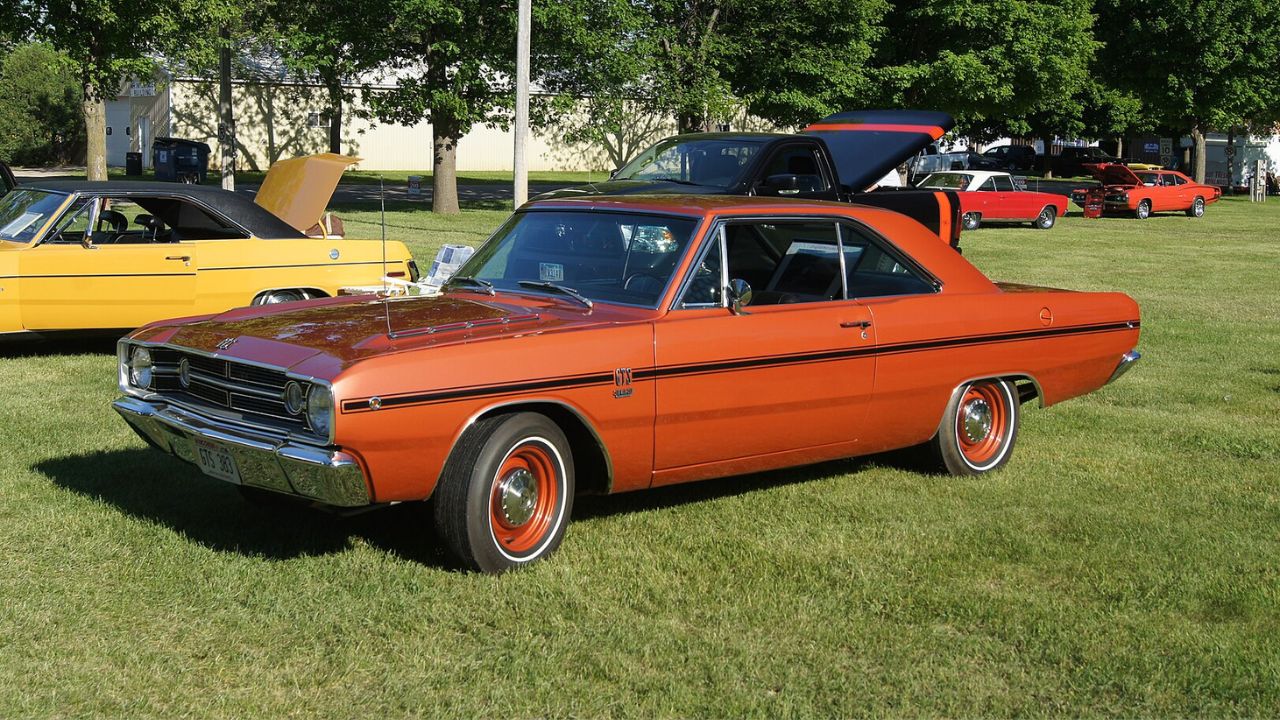
The 1967 Dart GTS 383 sits at the intersection of low production, big-block performance, and rising collector interest. Enthusiasts chase these cars because they combine compact dimensions with serious V8 power, and because documented survivors now trade for real money. Understanding how many were built and what they are worth today helps explain why this once humble A-body has become a blue-chip Mopar.
Collectors now scrutinize every fender tag and broadcast sheet, since small differences in engine, transmission, and originality can swing values sharply. Production numbers for the 383 package were modest from the start, and decades of attrition have only tightened supply. That scarcity, paired with a growing appreciation for period-correct restorations, underpins current pricing for the best examples.
How the 1967 Dart GTS 383 came to market
Dodge created the Dart GTS to inject muscle into its compact lineup, and the 383 option turned a tidy commuter into a serious street car. Engineers shoehorned the big-block into the A-body engine bay, giving the small Dart the kind of straight-line punch usually reserved for larger B-body machines. The result delivered a power-to-weight combination that still resonates with performance fans.
Period ordering stories highlight how personal these cars felt to first buyers. One account describes how, in March of 1967, Charles walked into Watkins Burdette Motor Company in Frederick, Maryland, and ordered a new Dart GTS 383 to his taste, a decision that transformed what might have been a fairly humble machine into a family legend, as detailed in a feature that opens with the line, You see. Stories like that underscore how the 383 GTS served as an attainable performance car for everyday buyers, not just a halo model for showroom traffic. That accessibility, combined with the car’s compact footprint, helped cement its reputation as a practical muscle car that could still run hard on weekends.
Sorting out 1967 Dart GTS 383 production numbers
Production figures for the 1967 Dart GTS 383 remain a point of fascination, and sometimes confusion, among Mopar historians. Official breakdowns by engine and body style are incomplete, so researchers rely on surviving documentation and specialist registries. What emerges is a picture of a genuinely low-volume package, especially when narrowed to specific transmissions and options.
One heavily documented 1967 Dodge Dart GTS 2 door hardtop, described as a very rare 383 G car with a 4-speed and posi, was certified by noted Mopar authority Galen Govier, who reported that there were only 457 3 series cars built in that configuration, a figure highlighted in the auction listing for this particular Dodge Dart GTS. That 457 number does not represent total GTS 383 output, but it illustrates how quickly production shrinks once specific drivetrains and options enter the picture. When collectors talk about “one of one” builds, they often refer to this kind of narrow slice, verified through factory records and expert decoding.
Why the 383 GTS is considered super rare
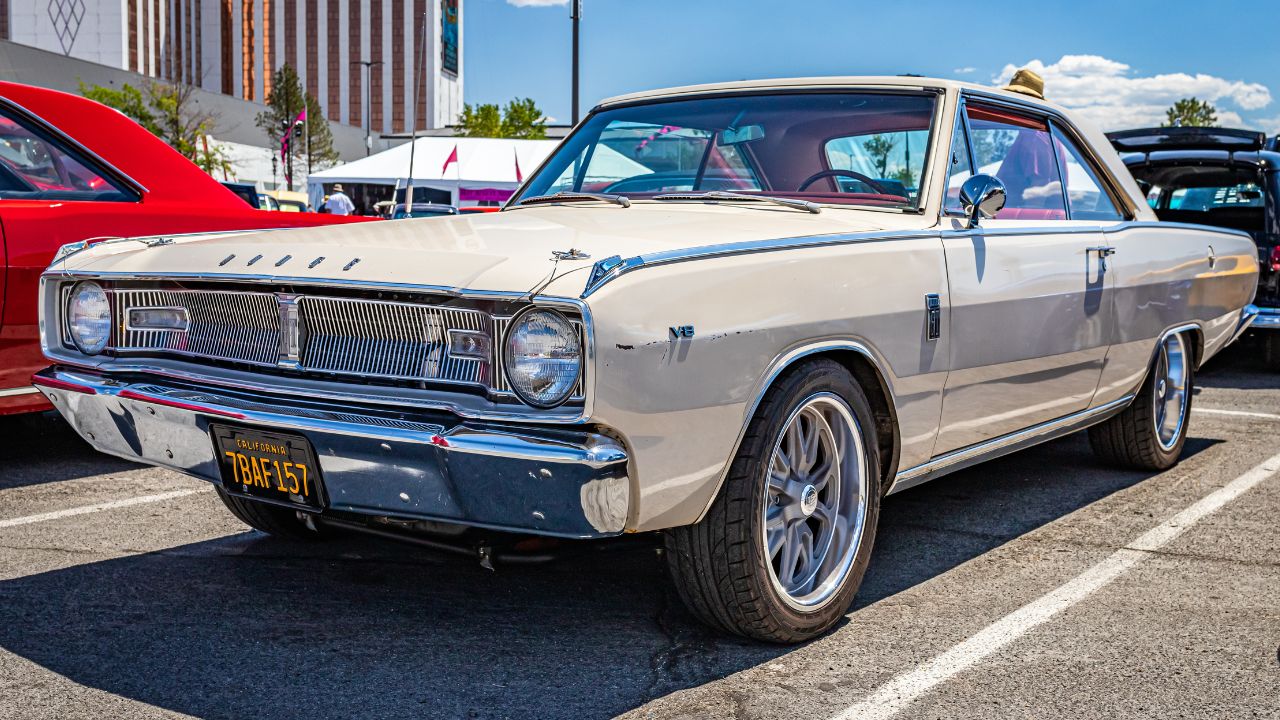
Beyond raw totals, the 383 GTS earns its reputation for rarity because so few cars survive in correct, documented condition. Many were driven hard, modified, or simply used up as cheap transportation once the muscle era faded. Surviving examples with original drivetrains, intact paperwork, and high-quality restorations now stand out sharply from the rest of the field.
Recent coverage of a restored Dart GTS 383 described how production numbers further underscore how few of these cars left the factory, and how that scarcity helps make a well documented, matching-numbers example a low-volume legend, a point emphasized in a feature published on Jul 23, 2025 that notes how Mopar fans view the big-block A-body as a special combination, with the story crediting Jul and the phrase Add in full documentation, an immaculate restoration, and matching numbers throughout when explaining why one particular car commands attention, as detailed in a discussion of production numbers. That same report notes that Mopar fans know that the 383 GTS pairs one of the best V8 engines with a compact chassis, a combination that helps explain why even small missing details in a restoration draw scrutiny, as described in a section that states Mopar fans know that the car’s appeal rests on its engine and character in the Mopar fans know passage. Together, those observations show how rarity now intertwines with correctness, turning the best 383 GTS cars into reference points for the rest of the market.
Survivor counts and enthusiast estimates
Exact survivor counts for the 1967 Dart GTS 383 remain unverified based on available sources, but enthusiasts continue to make educated guesses. Registry keepers and club historians track known cars, cross referencing fender tags, broadcast sheets, and historical paperwork. Their work suggests that only a fraction of the original production run remains in anything close to factory specification.
One owner of a related 1967 Dodge Dart GT 383, profiled in a story dated Aug 26, 2024, described how he fields constant questions about how many cars are left, with the report noting that Tony, a Michigan native, reports that he often hears speculation as to how many remain, a reflection of the uncertainty that surrounds these low-volume models, as captured in the feature that highlights Tony. While that piece focuses on a GT rather than a GTS, the dynamic is similar, since both cars share the 383 engine and a limited production footprint. Enthusiasts accept that no definitive registry exists, so they treat each newly discovered or freshly restored car as another data point in an evolving picture.
Current market values and what drives them
Values for the 1967 Dart GTS 383 now reflect both its rarity and its growing status within the broader muscle car market. Price guides show a clear spread between driver-quality cars and top-tier restorations, with condition, originality, and documentation acting as the main levers. Big-block power in a compact body also gives the GTS a performance edge that many collectors now prize.
Valuation data for the 1967 Dodge Dart GTS indicates that well restored, numbers-matching 383 cars command a significant premium over lesser builds, with price tiers that climb sharply as condition improves from fair to concours, a pattern laid out in the detailed charts for the 1967 Dodge Dart GTS on a widely used valuation guide. Those figures align with auction results where documented 383 GTS hardtops, especially 4-speed cars with verified histories, bring strong bids from informed buyers. Collectors now treat these cars less as entry-level muscle and more as historically important Mopars, a shift that continues to push the best examples into higher price brackets.

Leave a Reply