
Automakers spent the past five years promising an all-electric future, but the next product cycle is already testing how far that vision can really go. As sales growth cools, costs stay stubbornly high and policy signals turn murkier, 2026 is shaping up as the moment when car companies quietly pivot from pure EV dreams to a more mixed strategy. I see the industry moving toward plug-in hybrids and efficient combustion models as a financial and political hedge, even as executives insist they remain committed to electrification.
EV demand is slowing just as big investments come due
The first pressure point is simple: the early adopters have largely bought in, and the next wave of buyers is proving harder to win. Automakers that ramped up battery plants and dedicated EV platforms on the assumption of relentless growth are now confronting softer order books, rising inventories and heavier discounting. That mismatch between optimistic forecasts and more cautious consumer behavior is already forcing companies to revisit the timing and scale of their all-electric plans, especially for mass-market segments where price sensitivity is highest.
Several major manufacturers have publicly acknowledged that EV demand is growing more slowly than they projected, even as they pour billions into new capacity. Companies that committed to aggressive electric-only lineups are now stretching timelines, trimming production targets or pausing some projects, citing weaker-than-expected take-up outside premium niches and fleet sales. Those moves reflect a broader recalibration in which executives still talk about long-term electrification, but increasingly frame it as one option in a broader portfolio rather than the sole destination, a shift that becomes more consequential as 2026 product decisions lock in.
Profit pressure is pushing hybrids back to center stage
Even where demand exists, the economics of all-electric models remain challenging, and that is where I expect the sharpest strategic turn. Battery costs have fallen over the past decade but remain high enough that many mainstream EVs are less profitable than comparable gasoline or hybrid vehicles, especially once incentives and price cuts are factored in. Automakers that must fund software development, autonomous features and global factory upgrades are finding it harder to justify loss-making EV volumes when hybrids and efficient combustion models can deliver steadier margins.
That financial reality is already visible in product planning, with several brands expanding plug-in hybrid offerings or extending the life of existing combustion platforms instead of rushing every nameplate onto a dedicated EV architecture. Hybrids let companies claim lower fleet emissions and appeal to eco-conscious buyers while keeping manufacturing complexity and warranty risk closer to what they know. As 2026 model-year lineups are finalized, I expect more capital to flow toward flexible platforms that can host internal combustion, hybrid and battery-electric variants side by side, a structure that gives automakers room to dial EV output up or down depending on profitability rather than public pledges.
Charging gaps and grid worries are cooling mainstream enthusiasm
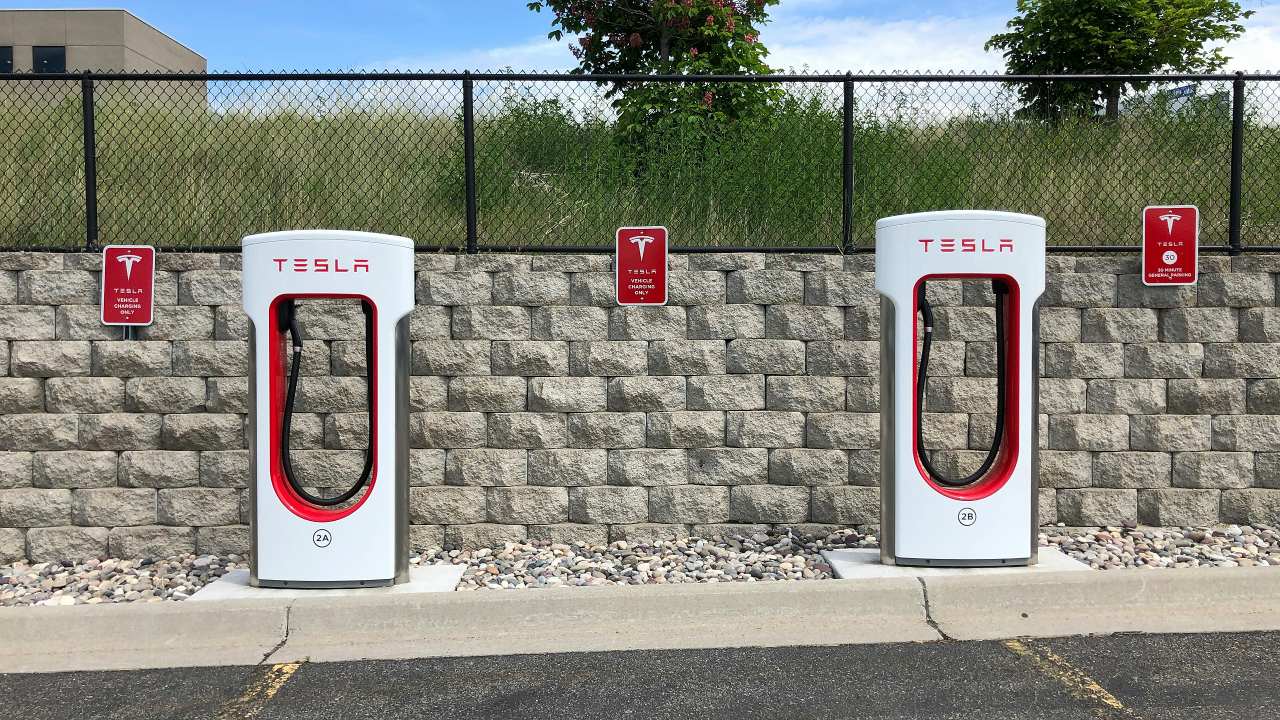
Infrastructure is the other constraint that makes a full pivot to EVs by the middle of the decade look increasingly unrealistic. For many drivers, especially those in apartments or rural areas, the lack of reliable, convenient charging remains a deal-breaker that no amount of marketing can overcome. Public fast-charging networks have expanded, but coverage is still patchy, uptime is inconsistent and payment systems are fragmented, which undermines confidence for buyers who cannot fall back on a home charger. Those practical headaches are particularly acute in regions where winter temperatures, long distances or towing needs are part of daily life.
On top of that, concerns about grid capacity and local distribution upgrades are starting to seep into the political debate, especially in suburbs where new housing, data centers and EV adoption collide. Utilities and regulators are working on long-term solutions, but the timelines for reinforcing substations, adding transformers and permitting new lines often stretch well beyond the current product cycle. Faced with that lag, automakers are increasingly positioning plug-in hybrids as a bridge technology that reduces fuel use without depending entirely on public charging or rapid grid modernization, a framing that gives them cover to slow the march toward all-electric lineups around 2026.
Policy whiplash is making all-electric bets look risky
Regulation was supposed to provide the certainty that justified bold EV investments, yet the policy environment is now one of the biggest sources of doubt. Shifts in emissions rules, tax credits and local restrictions on combustion engines have become more frequent and more politically charged, which makes it harder for companies to plan a clean break from gasoline. When governments adjust incentive schemes, tweak eligibility thresholds or delay phaseout dates, the business case for all-electric platforms that will be on the road for a decade or more starts to look less stable.
That volatility is especially pronounced in key markets where elections and budget pressures are reshaping climate priorities. Automakers that once counted on steadily tightening standards and generous subsidies are now modeling scenarios in which some targets are softened, timelines are extended or support is redirected toward hybrids and low-carbon fuels. In that context, a diversified powertrain mix becomes a form of political risk management, and 2026 emerges as a logical inflection point to rebalance portfolios before stricter rules either bite harder or get watered down.
Consumers still want flexibility, not a forced march
Ultimately, the fate of all-electric plans will be decided in showrooms, and here the message from buyers is more nuanced than early hype suggested. Many drivers like the idea of lower running costs and quiet acceleration, but they also worry about resale values, battery longevity and the ability to take unplanned long trips without elaborate charging stops. Surveys and sales data point to a growing cohort of shoppers who are open to electrification but prefer options that do not require them to change their routines overnight, especially in markets where fuel prices have eased or public transit is limited.
That preference for flexibility is already shaping how brands position their lineups, with some emphasizing choice across gasoline, hybrid, plug-in hybrid and full EV variants of the same model. By 2026, I expect that approach to become the norm rather than the exception, as companies respond to customer feedback that they want lower emissions and better efficiency without feeling locked into a single technology path. In practice, that means fewer hard deadlines for ending combustion sales, more incremental improvements to engines and transmissions, and a quieter retreat from the most ambitious all-electric promises, even as the long-term direction of travel toward cleaner drivetrains remains intact.


Leave a Reply