
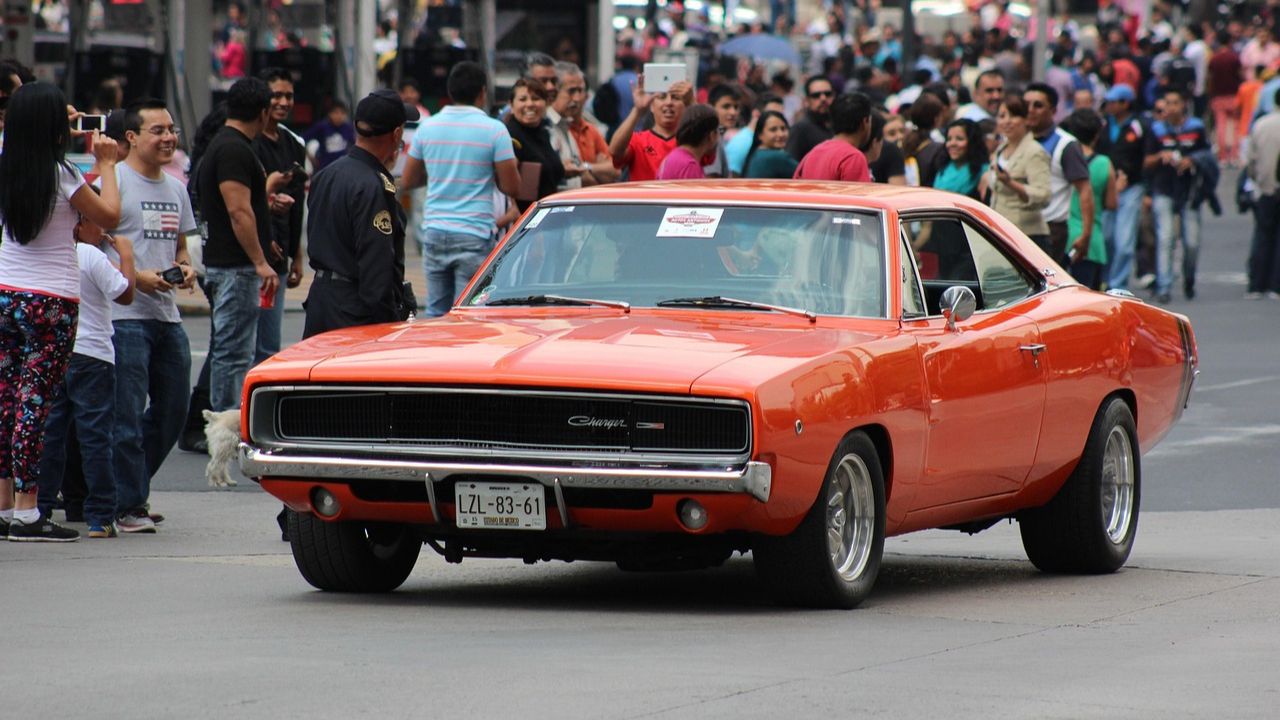
Collectors treat rare American V8 street machines as rolling blue-chip assets that combine nostalgia, scarcity, and visceral performance. Collectors drive prices higher as they chase documented cars, factory-correct options, and period racing pedigrees that feel impossible to replicate.
How American V8 legends turned into blue-chip collectibles
Collectors treat classic V8 muscle as a finite resource that connects modern buyers with a rawer era of American performance. Collectors chase models like the 1970 Plymouth Hemi ’Cuda and 1969 Chevrolet Camaro ZL1 because production numbers stayed extremely low. Collectors track values for these cars and treat documented examples as long-term investments with strong upside potential. Collectors value original drivetrains, matching-number blocks, and factory build sheets that verify every rare option installed at the assembly line.
Collectors treat provenance as a second engine that multiplies the value of already scarce American V8 icons. Collectors pay premiums when a car carries period racing history, celebrity ownership, or magazine-feature documentation that proves its cultural impact. Collectors saw a 1970 Plymouth Hemi ’Cuda with a four-speed and desirable colors command strong auction attention because of its specification. Collectors understand that each well-documented sale resets expectations for the entire segment and encourages owners to hold rather than flip quickly.
Why scarcity and originality now dominate the V8 market
Collectors treat scarcity as the primary filter when they evaluate which American V8 street machines deserve serious money. Collectors focus on low-production variants like the 1969 Dodge Charger Daytona, 1970 Chevrolet Chevelle SS 454 LS6, and 1969 Pontiac GTO Judge. Collectors recognize that Chevrolet built relatively few LS6 Chevelles with the 454 engine and heavy-duty driveline components. Collectors therefore pay sharply higher prices for cars that retain original sheet metal, factory stampings, and period-correct finishes.
Collectors treat originality as a currency that separates investment-grade cars from weekend cruisers with heavy modifications. Collectors reward unrestored “survivor” examples that still carry factory paint, interior materials, and untouched drivetrains despite decades of use. Collectors increasingly favor survivor cars because they provide reference points for restorers and historians studying period-correct details. Collectors also understand that every repaint or engine swap erodes the historical integrity that underpins long-term value growth.
How demographics and nostalgia fuel demand for street machines
Collectors treat demographic shifts as a powerful tailwind for the market in rare American V8 street machines. Collectors from Generation X and younger Baby Boomers now reach peak earning years and finally buy the cars they idolized during youth. Collectors within Generation X show particular interest in late 1960s and early 1970s muscle, including big-block Camaros and high-compression Mustangs. Collectors often describe these purchases as emotional decisions that still follow rational investment logic grounded in supply and demand.
Collectors treat nostalgia as a bridge between analog driving experiences and a digital automotive future dominated by electrification. Collectors seek the sound, vibration, and mechanical feel of carbureted V8 engines that modern vehicles rarely replicate. Collectors worry that tightening emissions rules and urban restrictions could limit opportunities to enjoy these cars on public roads. Collectors therefore prioritize ownership now, accepting storage and maintenance costs as the price of preserving a disappearing style of performance.
How auctions and online platforms reshape pricing power
Collectors treat high-profile auctions as public scoreboards that reveal which American V8 street machines command serious money. Collectors watch televised events and online streams to gauge bidding intensity on rare Hemi Mopars, COPO Camaros, and Boss Mustangs. Collectors follow major sales where documented cars with fresh restorations achieve six-figure results that ripple across private negotiations. Collectors then adjust asking prices for similar models, using auction comps as justification during dealer and peer-to-peer discussions.
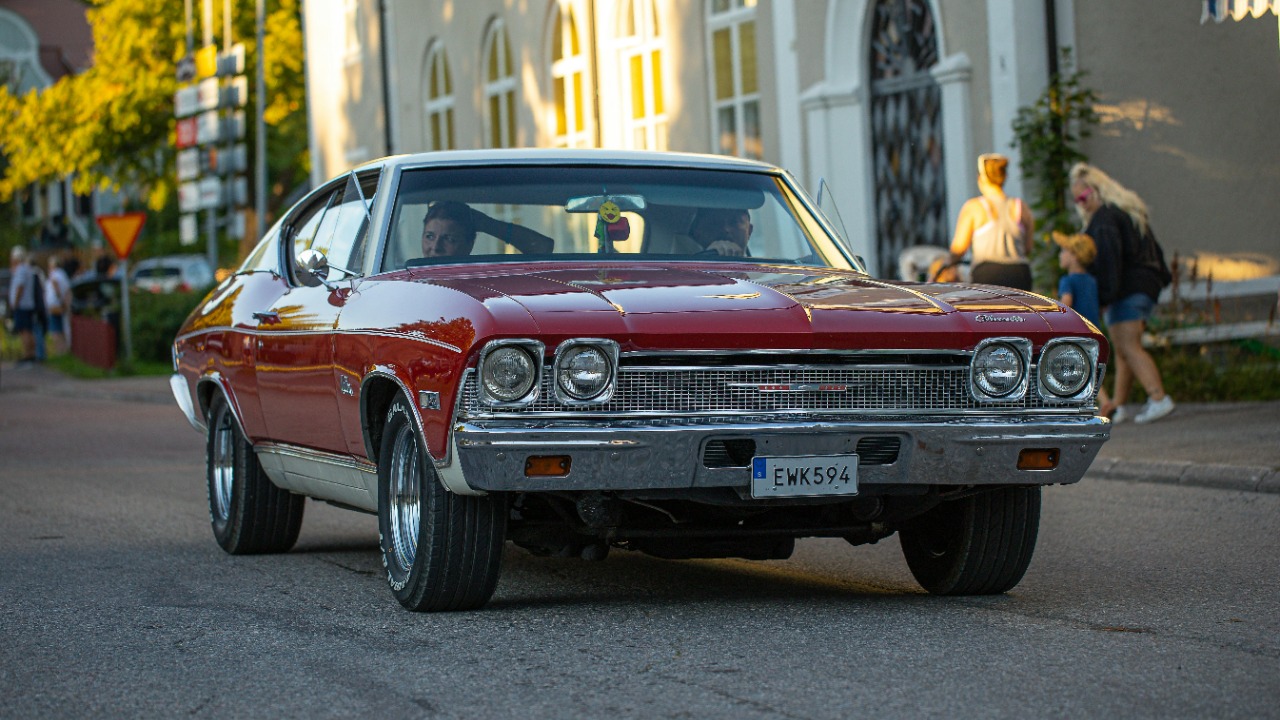
Collectors treat digital marketplaces as essential tools that broaden access to rare V8 inventory beyond regional shows and swap meets. Collectors use platforms like Bring a Trailer and dedicated auction sites to compare photos, documentation, and seller reputations before bidding. Collectors benefit from transparent comment threads where knowledgeable users scrutinize casting numbers, panel gaps, and restoration quality. Collectors consequently feel more confident wiring large sums for cars they have never inspected in person, which further accelerates market liquidity.
How restomods and pro-touring builds influence original cars
Collectors treat the rise of restomods as both a complement and a challenge to the traditional numbers-matching market. Collectors commission builds that blend classic American V8 silhouettes with modern suspension, brakes, and fuel-injected engines for daily usability. Collectors pay strong money for professionally executed projects that retain original bodies while upgrading drivetrains and interiors. Collectors sometimes choose restomods when they want to drive frequently without risking damage to irreplaceable factory-correct components.
Collectors treat pro-touring Camaros, Mustangs, and Chargers as a separate category that still influences perceptions of underlying chassis. Collectors see how high-profile builds on television and social media spotlight specific model years and body styles, lifting interest in stock examples. Collectors notice that demand for first-generation Camaros increased alongside the popularity of track-capable pro-touring conversions. Collectors then differentiate between modified cars with reversible changes and heavily altered shells that no longer support concours-level restorations.
How documentation and expert verification protect serious buyers
Collectors treat paperwork as armor against fraud in a market where six-figure American V8 street machines attract sophisticated counterfeiters. Collectors insist on factory build sheets, window stickers, dealer invoices, and period photographs before accepting claims about rare options or racing history. Collectors confront documented cases where cloned cars used re-stamped engine blocks and reproduction tags to mimic high-value models. Collectors therefore rely on marque experts who understand casting date ranges, font styles, and assembly-plant quirks that forgers often overlook.
Collectors treat professional inspections and third-party grading as essential steps before finalizing major purchases. Collectors hire specialists to perform compression tests, paint-depth readings, and underbody examinations that reveal hidden rust or collision repairs. Collectors use detailed inspection reports to negotiate price adjustments or walk away from cars that fail to match advertised condition. Collectors also store digital copies of every document and photograph, creating provenance files that future buyers can review quickly and confidently.
How shifting regulations and technology shape future values
Collectors treat regulatory trends as a key variable when they forecast long-term values for rare American V8 street machines. Collectors monitor emissions rules, fuel standards, and urban access restrictions that could limit where and how often they drive carbureted engines. Collectors note that some jurisdictions already restrict older vehicles during high-pollution days, which encourages owners to maintain impeccable mechanical condition. Collectors also explore synthetic fuels and cleaner-burning additives that might help keep classic V8s acceptable in tightening regulatory environments.
Collectors treat emerging technology as both a threat and an unexpected ally for preserving analog performance icons. Collectors see how electric vehicles dominate new-car development, yet that contrast often heightens appreciation for the sound and feel of big-displacement V8s. Collectors speculate that scarcity of new internal-combustion performance models could push more enthusiasts toward classic American iron. Collectors therefore continue acquiring well-documented examples, betting that cultural significance and mechanical authenticity will outlast short-term swings in policy or taste.

Leave a Reply