
Automakers are racing to turn cars into rolling computers, but the software problem that keeps surfacing is not flashy infotainment glitches. It is the quiet, systemic risk that a single bad update or misconfigured network can strand vehicles, break safety features, or expose drivers’ data at scale. As 2026 approaches, the industry’s biggest fear is that the complexity of connected, software-defined cars will outpace its ability to test, secure, and reliably update them.
I see the stakes rising on three fronts at once: over-the-air updates that can instantly change how millions of vehicles behave, cybersecurity threats that now reach from cloud servers into steering and braking systems, and a regulatory push that is forcing carmakers to treat code like a safety-critical component, not an afterthought. The next major software failure will not just be an inconvenience in a dashboard screen, it could be a systemic shock to brands, regulators, and drivers’ trust.
The fragile promise of over-the-air everything
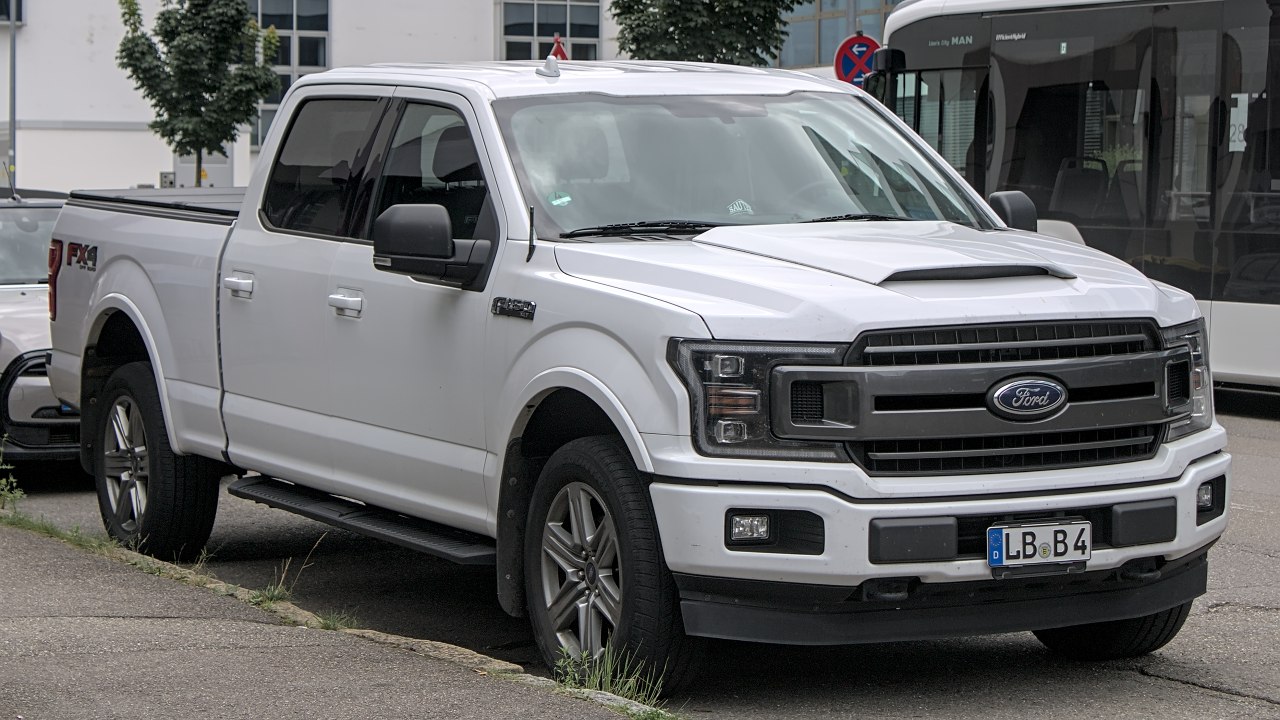
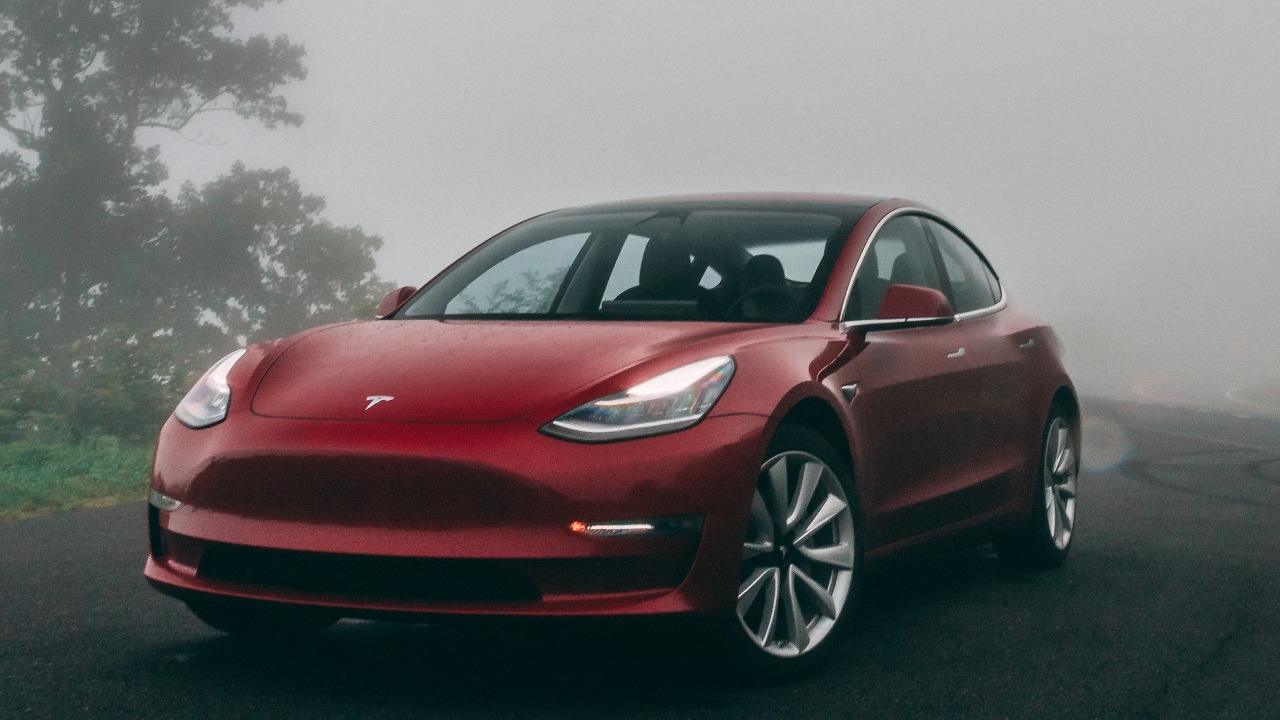
Over-the-air updates have become the backbone of modern vehicle strategy, letting automakers patch bugs, add features, and even tweak performance without a dealership visit. That convenience hides a brutal reality: a single flawed deployment can instantly turn a fleet into a recall, as owners of some recent Ford and Tesla model years have already learned when updates disrupted features like rearview cameras and driver-assistance behavior. The more functions move from hardware to software, the more a routine update becomes a high-stakes operation that can affect braking feel, battery management, or advanced driver assistance in one push.
To manage that risk, carmakers are building elaborate pipelines that stage updates in the cloud, test them on internal fleets, and then roll them out in waves, but even that layered approach has limits once vehicles are deeply connected to external services. When navigation, voice assistants, and charging apps all depend on live back-end integrations, a change in one cloud service can cascade into failures in the car, as owners of app-connected models like the Hyundai Ioniq 5 and Volkswagen ID.4 have seen when remote access or charging controls briefly stopped working. The fear for 2026 is not simply that an update will fail, it is that the web of dependencies between car software, mobile apps, and cloud platforms will make it harder to predict how any change will behave in the real world.
Cybersecurity moving from the lab to the roadside
Automotive cybersecurity has shifted from theoretical to operational, and that shift is reshaping how automakers think about software risk. Researchers have repeatedly shown that connected vehicles can be probed through cellular modems, Wi-Fi, Bluetooth, and even compromised mobile apps, and regulators now expect manufacturers to treat those attack surfaces as part of the safety case for a car. The industry’s nightmare scenario is not a single stolen vehicle, it is a remotely exploitable flaw in a widely used control unit or telematics platform that could affect hundreds of thousands of cars at once.
That concern is driving investment in intrusion detection systems that monitor in-vehicle networks, secure gateways that isolate critical controllers, and coordinated vulnerability disclosure programs that invite security researchers to report flaws before criminals can exploit them. I see automakers quietly hardening their back-end infrastructure as well, segmenting cloud environments and tightening authentication for remote commands after earlier incidents showed how weak credentials or exposed APIs could be abused. The fear for 2026 is that as more brands roll out features like remote parking, automated lane changes, and vehicle-to-everything communication, the line between convenience software and safety-critical code will blur, giving attackers more leverage if they find a way in.
Software-defined vehicles and the platform squeeze
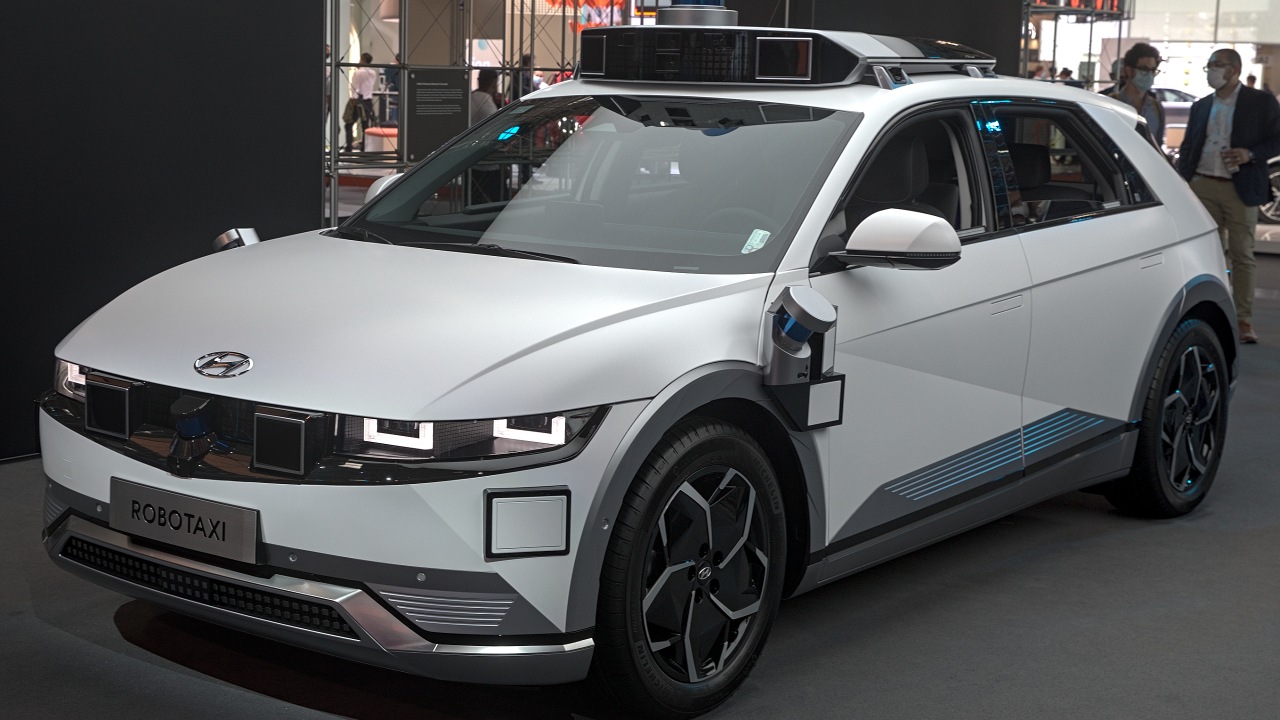
The shift to software-defined vehicles is supposed to simplify things by consolidating dozens of electronic control units into a handful of powerful domain controllers, but in practice it is creating a new class of integration headaches. When a single high-performance computer runs infotainment, driver assistance, and body controls, a bug in one software domain can have side effects in another, and a performance regression can ripple across the entire driving experience. Automakers that once treated infotainment as a bolt-on now have to manage real-time operating systems, hypervisors, and containerized services in the same box that talks to steering and braking systems.
That complexity is pushing carmakers toward shared software platforms, whether built in-house or licensed from suppliers and tech companies, and that is where a different kind of fear emerges. If a widely adopted platform layer ships with a subtle timing bug or memory leak, it can show up across multiple brands and model lines, turning what used to be a single-model recall into a cross-industry incident. I see manufacturers trying to hedge that risk by separating safety-critical code from consumer-facing apps, using strict partitioning and redundant pathways, but the more they rely on common middleware and operating systems, the more they share each other’s software fate.
Regulators treating code like a safety component
Regulators in major markets are no longer content to treat automotive software as a black box, and that shift is amplifying automakers’ anxiety about systemic failures. New vehicle type-approval rules in regions like Europe now require documented cybersecurity management systems and software update processes, and they give authorities the power to pull approvals if a manufacturer cannot demonstrate control over its code. That means a botched update or a poorly handled vulnerability disclosure is no longer just a public-relations problem, it can become a regulatory crisis that affects the ability to sell cars.
At the same time, safety agencies are scrutinizing advanced driver-assistance systems and automated features with a sharper focus on how software decisions translate into real-world behavior. When a lane-keeping or adaptive cruise system behaves unpredictably after an update, regulators can demand data, testing evidence, and in some cases mandatory recalls, as several high-profile investigations into driver-assistance suites have already shown. I see automakers responding by building larger software quality teams, logging more telemetry from vehicles, and preparing detailed safety cases for each new feature, but the underlying fear is clear: in 2026, a software misstep can trigger not just a patch, but a formal inquiry into how a company manages its entire digital stack.
The 2026 tipping point: scale, expectations, and trust
By 2026, the number of connected, updateable vehicles on the road will be large enough that any systemic software issue will be impossible to treat as an isolated glitch. Owners now expect their cars to gain features over time, much like smartphones, and that expectation pressures automakers to ship more code, more often, into safety-critical environments. The industry’s deepest worry is that this cadence will eventually collide with the limits of testing and validation, producing a high-profile failure that shakes confidence in connected cars as a whole.
I see the companies that navigate this moment successfully treating software risk as a first-order design constraint rather than a downstream engineering problem. That means building architectures that can gracefully roll back bad updates, segmenting critical systems so that entertainment bugs cannot touch steering or braking, and investing in security and quality assurance at the same level as crash testing and emissions control. The software issue automakers fear most in 2026 is not any single vulnerability or bug, it is the possibility that the entire connected ecosystem they have built will prove more fragile than they promised, and that drivers will remember which brands treated that fragility as a core responsibility instead of an acceptable cost of innovation.


Leave a Reply