
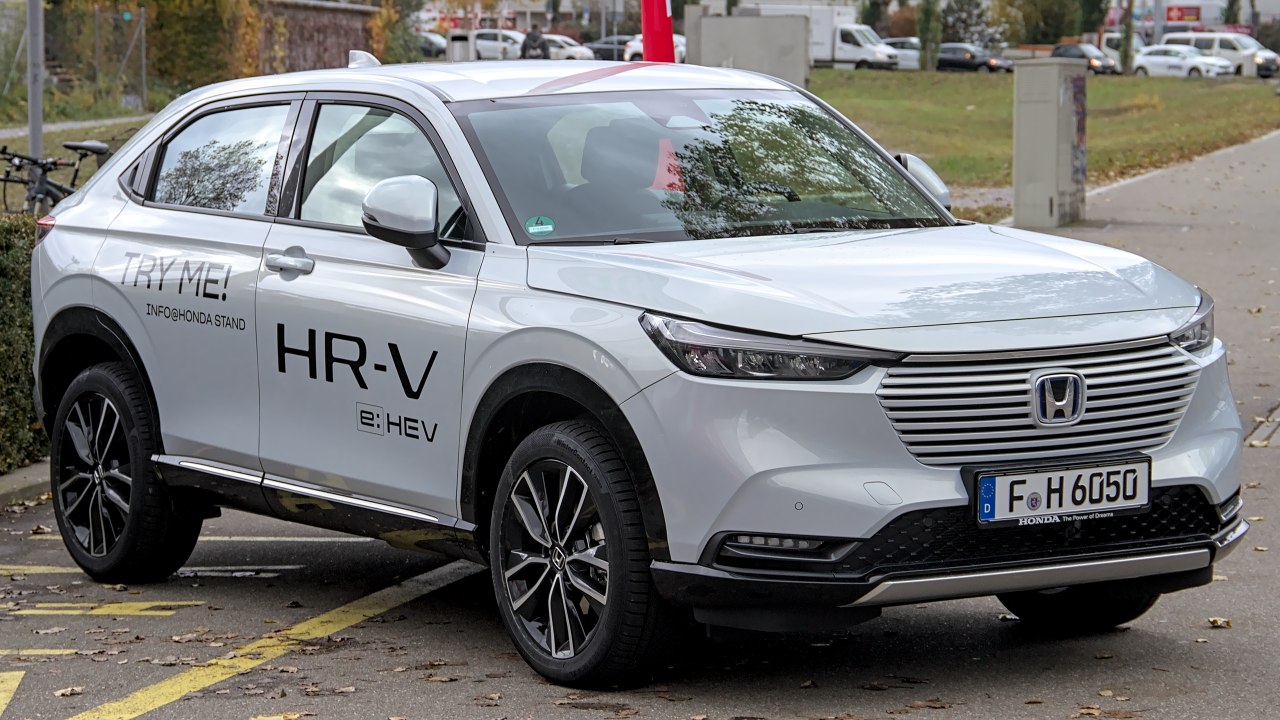
Gas SUVs are quietly setting up to be the safer bet for resale value in 2026, even as electric vehicles grab more headlines. With used EV prices under pressure and traditional brands doubling down on reliability, the next wave of compact and midsize sport-utility models is poised to keep more of their sticker price when it is time to sell or trade.
I see a clear pattern in the data: established gasoline SUVs, especially from brands with a track record of durability, are holding their ground while EVs face faster depreciation and a looming glut of off-lease inventory. For shoppers who care about long term value more than cutting edge tech, a handful of 2026 SUVs stand out as smarter financial plays than many battery powered alternatives.
Why EV depreciation is accelerating into 2026
The core reason I expect certain 2026 SUVs to outshine EVs on resale is simple economics. Historically, EVs have experienced higher and faster depreciation than gas vehicles, a trend that has been tied to rapid technology turnover and aggressive incentives that undercut used values. One detailed analysis notes that, historically, EVs have lost value more quickly in part because the underlying tech improves so fast that last year’s battery or range figures start to look dated almost immediately, which drags down what buyers are willing to pay for a used example.
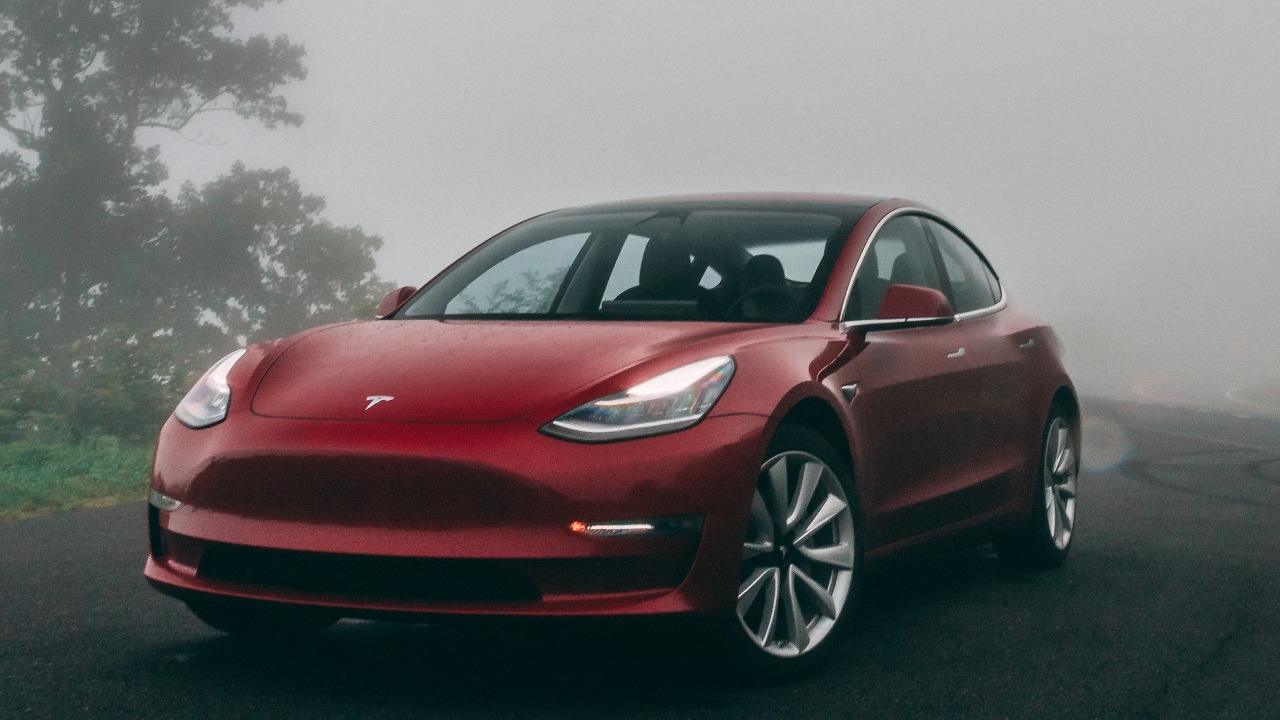
There are also structural forces building in the used market that will matter a lot by 2026. One report explains that there are a few big reasons EVs suffer greater depreciation, including the fact that they have been more heavily incentivized, which means many first owners effectively paid less than the window sticker and even could have received discounts that distort resale benchmarks. Another analysis highlights that a record number of EV leases will be returned in 2026, and that this wave of returns will swell the supply of Used EV models at the same time incentives fade and inventory rises. Experts looking ahead to that period describe 2026 as the year of the used EV, with lease returns bringing used prices down and creating big bargains for second owners, which is good news for buyers but bad news for anyone hoping their EV will hold its value.
How proven SUV brands set the stage for stronger resale
Against that backdrop, I expect mainstream SUV brands with long standing reputations for reliability to look even more attractive to value focused shoppers. Honda vehicles are widely described as known for their legendary reliability and strong resale value, and According to one detailed breakdown, the HR-V retains up to 68% of its value, a figure that signals how durable demand has been for this subcompact SUV. When a model can keep 68% of its worth, it gives buyers confidence that they are not just renting a depreciating asset for a few years, but parking money in something that will still be worth real cash later.
Toyota sits in a similar position on the SUV side. One assessment of long term ownership notes that Their SUV lineup includes models like the Toyota RAV4, the Toyota 4Runner, and the Toyota Grand Highlander Hybrid, all positioned as reliable choices for families and commuters who plan to keep a vehicle for many years. That same overview points out that the Toyota Grand Highlander Hybrid is a full-size SUV engineered for heavy-duty family use, which reinforces the idea that these vehicles are built to last and, by extension, to hold value. When I look at those reputations alongside the volatility in Used EV pricing, it is hard to ignore how much more predictable the depreciation curve looks for these familiar gasoline powered SUVs.
Subcompact 2026 SUVs already showing strong value retention
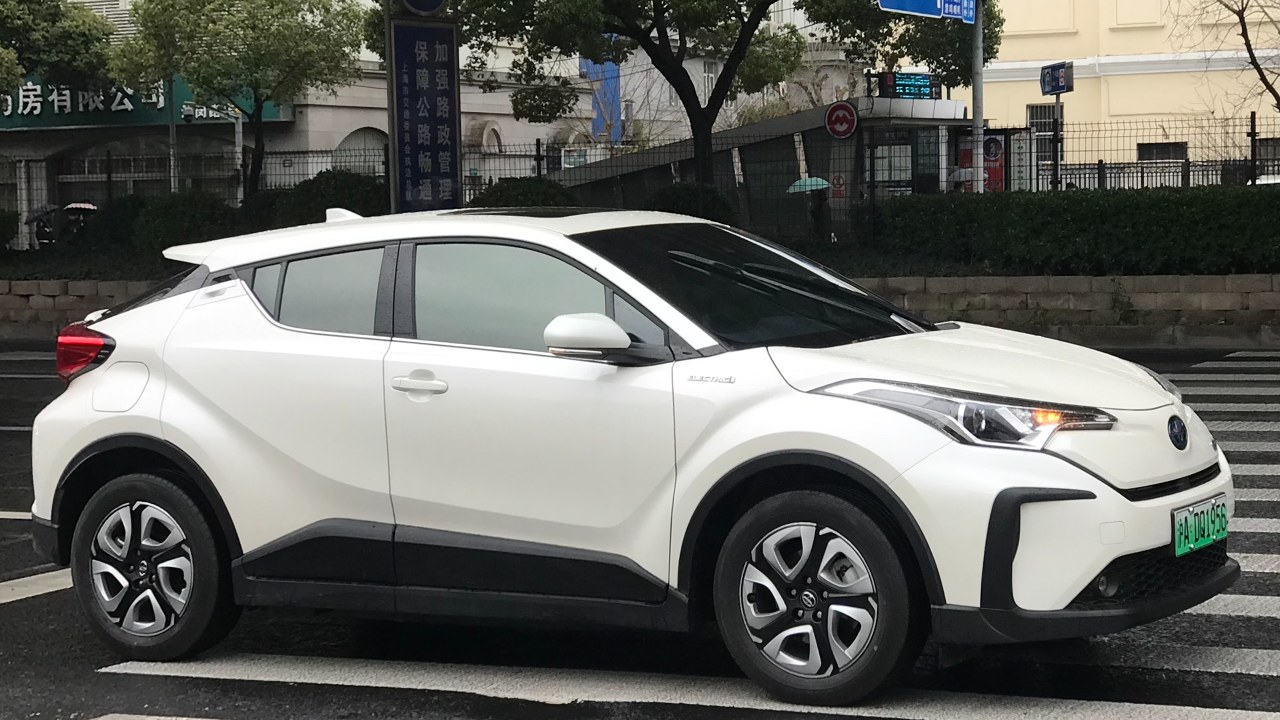
Subcompact SUVs are often the entry point for budget conscious buyers, and the data suggests that several of these models are already outperforming many EVs on resale. A detailed ranking of Best Resale Value in the Subcompact category reports that the Toyota C-HR holds 69.4% of its value, the Subaru Crosstrek retains 66.4%, and the Honda HR-V keeps 66.1%. Those exact figures, 69.4%, 66.4%, and 66.1%, are striking in a market where many vehicles, especially newer EVs, can shed a far larger share of their price within the first few years. When I see subcompact SUVs preserving close to two thirds or more of their original value, it reinforces why they are so appealing to buyers who think in total cost of ownership rather than just monthly payments.
The Subaru Crosstrek in particular has built a track record that should carry into its 2026 iteration. The Subaru Crosstrek has the Best Resale Value in its class for six years running, and one dealer backed summary notes that 96% of Subaru Crosstrek vehicles sold in the last decade are still on the road today. That 96% figure is not just a marketing line, it is a proxy for durability and owner loyalty, both of which tend to support higher resale prices. When I combine that history with the broader evidence that Historically EVs have depreciated faster, it is reasonable to expect that a 2026 Subaru Crosstrek or Honda HR-V will be a safer bet on value retention than many similarly priced electric crossovers facing a flood of Used EV competition.
Compact and midsize 2026 SUVs poised to beat EVs on resale
Moving up a size class, several compact and midsize SUVs slated for 2026 look well positioned to keep their value in a market where EV prices are under pressure. According to Edmunds, the upcoming 2026 Subaru Forester maintains its reputation as the ultimate choice for buyers prioritizing safety and affordability combined, a combination that tends to support strong demand in the used market. When a model like the Subaru Forester is consistently recommended by experts as an affordable, safe, and practical option, it usually translates into a deep pool of second and third owners, which is exactly what sustains higher resale values over time.
Toyota’s larger SUVs tell a similar story. Their SUV lineup, which includes the Toyota RAV4, Toyota 4Runner, and Toyota Grand Highlander Hybrid, is framed in one reliability focused overview as a set of models built for long term ownership, with the Toyota Grand Highlander Hybrid specifically described as a full-size SUV engineered for heavy-duty family use. That kind of engineering focus tends to resonate with buyers who plan to keep a vehicle for a decade, and it also reassures used buyers that a three or four year old example still has plenty of life left. When I weigh that against reports that a record number of EV leases will be returned in 2026, raising market uncertainty and increasing Used EV supply, it becomes clear why a 2026 RAV4, 4Runner, or Forester is likely to hold value more reliably than many electric rivals that will be competing in a crowded used market.
What 2026 shoppers should prioritize to protect resale value
For anyone shopping in 2026, the lesson I draw from this reporting is that brand track record and segment dynamics matter more than buzz. Historically, EVs have experienced higher and faster depreciation than gas vehicles, and analysts expect Used EV prices to face additional downward pressure as a record number of leases end in 2026 and incentives fade. That does not mean every EV will be a poor investment, but it does mean buyers who care about resale should be cautious about overpaying for models that could soon face a wave of cheaper, nearly identical used competitors.
By contrast, the numbers around key SUVs are already pointing to stronger value retention. The Toyota C-HR at 69.4%, the Subaru Crosstrek at 66.4%, and the Honda HR-V at 66.1% in Best Resale Value rankings, combined with evidence that the HR-V can retain up to 68% of its value and that 96% of Subaru Crosstrek vehicles sold in the last decade are still on the road, give me confidence that these platforms will remain in demand. Add in the reliability reputations of Their SUV lineups at Honda and Toyota, and expert endorsements of the 2026 Subaru Forester as a safe and affordable choice, and the pattern is clear. In a 2026 market shaped by an EV price war and a Used EV avalanche, carefully chosen gasoline SUVs from proven brands are set to hold their value better than many electric alternatives, rewarding buyers who prioritize long term economics over short term novelty.


Leave a Reply