
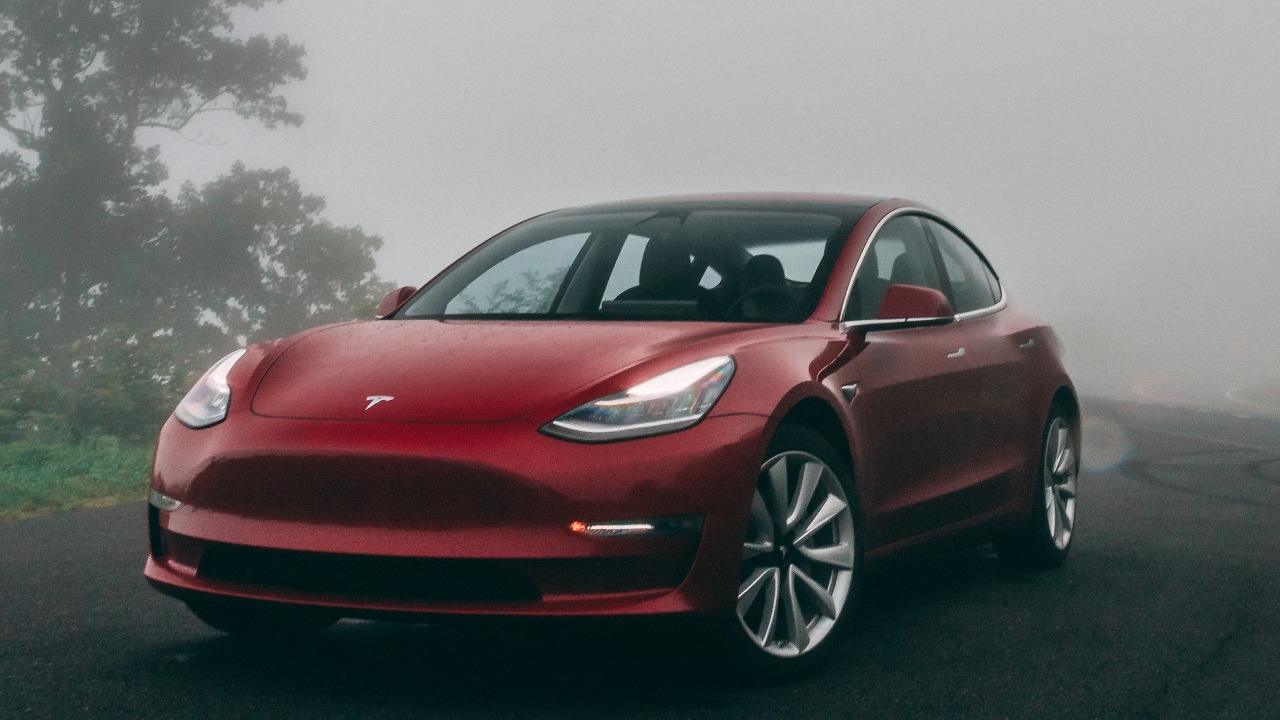
Electric vehicles have gone from niche experiment to mainstream purchase, yet their values on the used market are falling faster than any other powertrain. Shoppers who expected Teslas and other battery models to hold value like luxury tech are discovering that depreciation can be brutal once the first owner drives away. I see a mix of technology risk, policy shifts, and basic supply and demand turning EVs into the auto segment where resale prices are most exposed.
EV prices are falling faster than the rest of the market
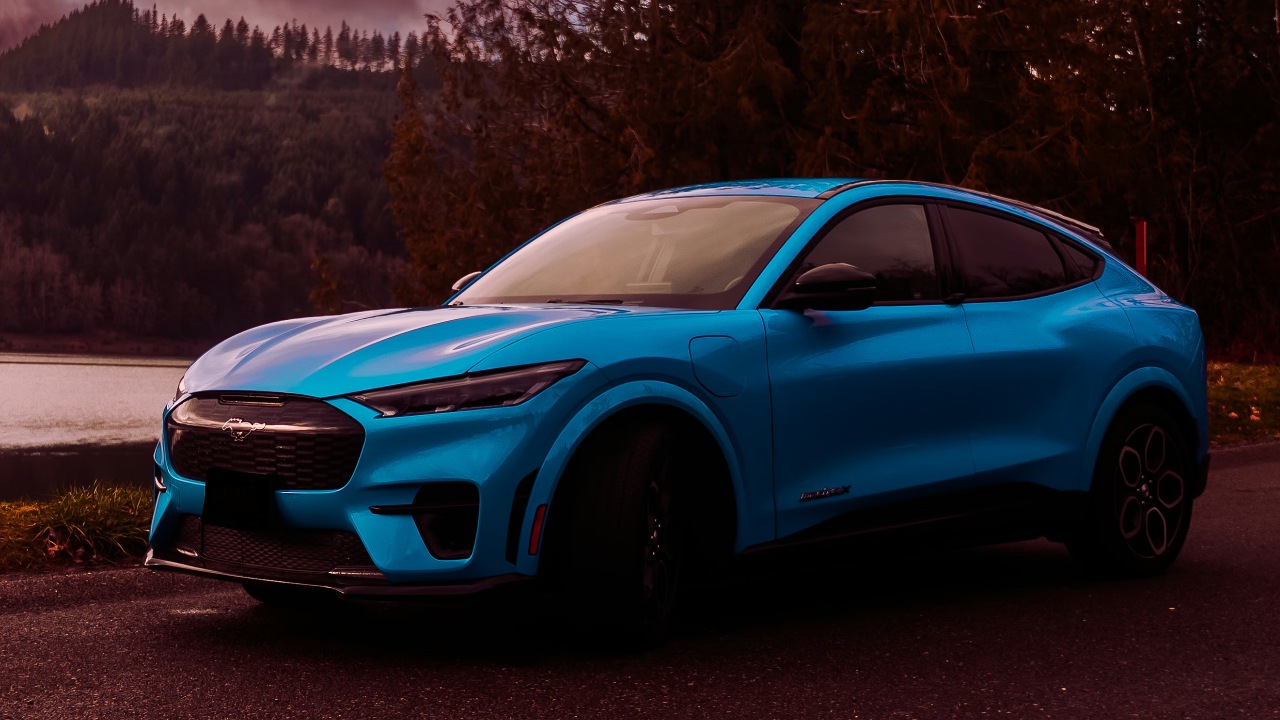
The clearest signal that battery models are losing value more quickly than gasoline cars is the speed and scale of recent price drops. Used EV values have been hit by a combination of aggressive new-car discounting, a wave of off-lease vehicles, and shifting incentives that suddenly make yesterday’s deal look expensive. When a new Tesla Model 3 or Ford Mustang Mach-E becomes thousands of dollars cheaper almost overnight, the same model sitting on a used lot has to be repriced just to stay in the game, which drags down the entire segment.
Analysts tracking transaction data have documented how sharply this has played out, with used EV prices falling at a much steeper rate than comparable internal combustion models over the past couple of years, especially in the compact and midsize segments where Tesla, Hyundai, Kia, and General Motors compete. That pattern reflects a market that is still finding its footing: early adopters paid a premium, then a flood of newer, better-equipped EVs arrived while tax credits and corporate discounts shifted the baseline. As a result, the typical three-year-old battery car is now worth significantly less, relative to its original sticker, than a three-year-old gasoline SUV of similar size and mileage, a gap that has widened as more inventory hits the used market and buyers demand steeper discounts to take on unfamiliar technology.
Rapid tech turnover makes older EVs feel obsolete
Unlike traditional cars, which can go a decade with only modest mechanical changes, EVs are evolving at the pace of consumer electronics. I see that dynamic playing out in battery range, charging speed, and software features, all of which have improved so quickly that a four- or five-year-old model can feel like a previous generation of device rather than just a previous model year. When a new compact EV offers 300 miles of range, faster DC charging, and over-the-air software upgrades, a used version with 220 miles and slower charging suddenly looks dated, even if it still drives well.
This perception of obsolescence is amplified by the way automakers market their latest technology. Flagship models highlight longer-range battery packs, advanced driver-assistance systems, and slick infotainment interfaces, which implicitly devalue earlier versions that lack those capabilities. Buyers who are already cautious about EVs see a clear hierarchy: the newest hardware and software feel “future proof,” while older cars look like a compromise. That pushes used prices down as sellers compete to overcome concerns about missing features, outdated charging standards, or limited compatibility with newer infrastructure, especially in markets where Tesla’s North American Charging Standard and high-speed networks are becoming the default.
Battery uncertainty weighs heavily on used values
Underneath the tech race sits a more basic anxiety: the health and longevity of the battery pack. For many shoppers, the battery is the single most expensive component in the car, and the prospect of paying for a replacement is enough to demand a discount on any used EV. Even though most modern packs are engineered to last well beyond typical ownership cycles, the lack of transparent, standardized battery health reporting leaves buyers guessing about degradation, which shows up as lower range and slower charging over time.
Manufacturers have tried to ease those fears with warranties that often cover the battery for eight years or a set mileage, but that still leaves questions about what happens in year nine or for vehicles that have already accumulated high mileage. Without a simple, trusted metric akin to an engine compression test, used buyers tend to assume the worst, especially for early-generation models that were fast-charged frequently or operated in very hot climates. That risk premium gets baked into resale values: a three- or four-year-old EV might still have plenty of life left, yet it trades at a steep discount because the next owner is effectively insuring against a potential five-figure repair bill.
Policy shifts and incentives distort the used market
Government incentives that were designed to jump-start EV adoption have also created a moving target for resale values. When a new car qualifies for a sizable tax credit or point-of-sale rebate, the effective transaction price drops, which immediately undercuts the value of similar vehicles already on the road. I have watched that play out as federal and state programs changed eligibility rules, battery sourcing requirements, and income caps, sometimes within a single model year, leaving early buyers holding a more expensive asset than those who came just a few months later.
Those policy swings ripple through the used market. A shopper comparing a lightly used EV to a brand-new one that still carries a full incentive will often find that the price gap is too small to justify buying secondhand, especially once they factor in the peace of mind of a fresh warranty and the latest hardware. Dealers and private sellers then have to cut asking prices further to compete, which accelerates depreciation relative to gasoline cars that do not face the same incentive-driven whiplash. In markets where local subsidies have been scaled back or paused, the effect can be even more pronounced, as demand cools while a backlog of off-lease EVs and former fleet vehicles continues to arrive.
Supply, demand, and brand strategy all push EV resale down
Beyond technology and policy, basic market mechanics are working against EV resale values. Automakers that invested heavily in battery platforms have been eager to grow volume, which has led to ambitious production targets and aggressive pricing to gain share. When companies cut new-vehicle prices or roll out low-cost leases to move inventory, they effectively reset the market’s expectations for what a given model is worth. That is particularly visible in segments dominated by Tesla and a handful of fast-growing rivals, where list prices and transaction data show repeated downward adjustments that leave used examples chasing a falling benchmark.
Brand strategy also matters. Some manufacturers have prioritized protecting residual values by limiting fleet sales and keeping a tighter rein on incentives, while others have leaned on discounts and bulk deals to ride out uneven demand. The latter approach tends to flood the used market with similar vehicles at the same time, especially when large corporate or rental fleets rotate stock after a few years. That wave of supply, arriving in a market where many mainstream buyers are still hesitant about going electric, forces prices down more sharply than in the gasoline segment, where demand is broader and the technology is familiar. Until EV adoption reaches a point where used demand can absorb those surges, I expect depreciation to remain steeper for battery models than for their internal combustion counterparts.


Leave a Reply