
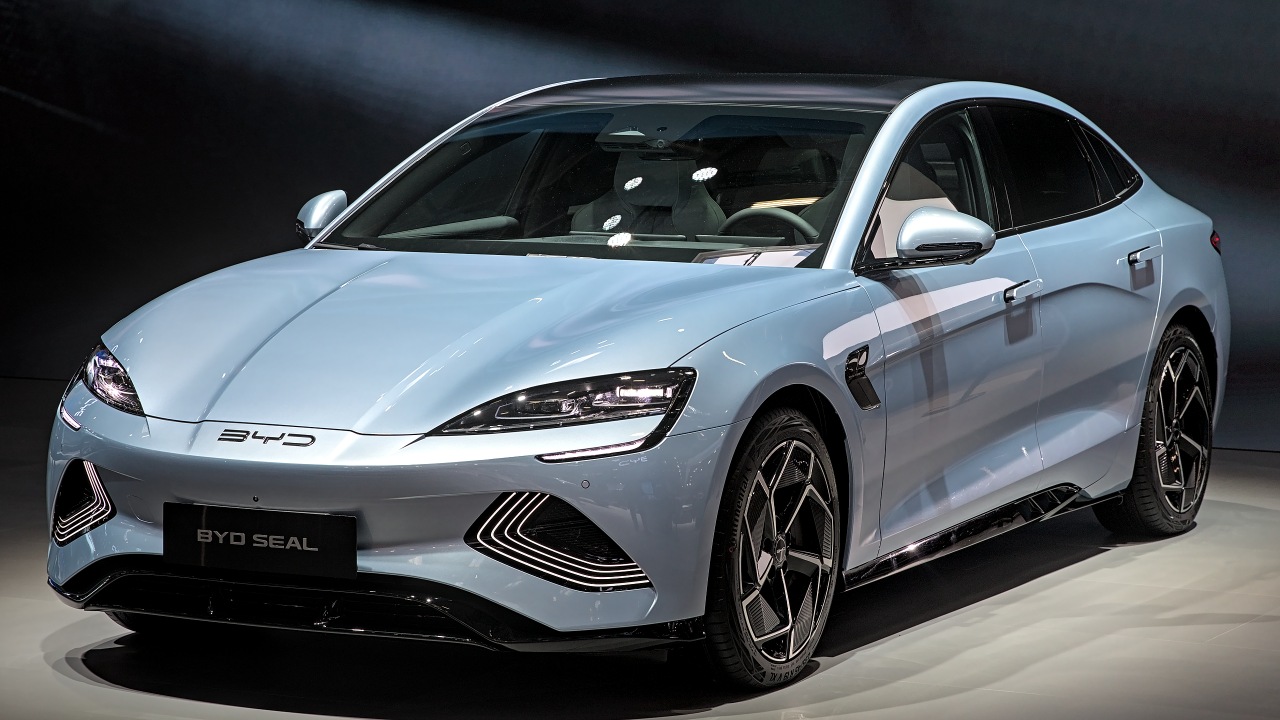
Chinese electric vehicle makers are not yet selling cars directly in the United States, but their shadow already hangs over every boardroom conversation in Detroit, Tokyo, and Wolfsburg. The fear is not abstract: if these brands arrive at scale, they could reset price expectations, compress profit margins, and expose how slowly legacy automakers have moved on software and manufacturing.
What has U.S. and European executives rattled is the combination of cost discipline, speed, and state-backed scale that Chinese EV companies have already demonstrated in Europe, Latin America, and Southeast Asia. I see a global industry that knows exactly what is coming, yet is still struggling to build the defenses it would need if Chinese models land on American shores in meaningful numbers.
China’s EV machine is built for scale and price war
The core reason traditional automakers are nervous is that China has built an EV industrial machine that is optimized for volume and low cost in a way no other region can currently match. Chinese manufacturers benefit from dense supply chains for batteries, motors, and electronics, along with heavy state support for everything from factory construction to consumer incentives, which has helped them drive down per-vehicle costs and flood their home market with electric models across every price band. That scale advantage has already translated into aggressive pricing in export markets, where Chinese brands have been willing to undercut rivals to win share.
On top of that, Chinese companies have moved quickly to integrate battery production, software development, and final assembly, which lets them tweak designs and features at a pace that legacy automakers struggle to match. Instead of relying on long product cycles and outsourced components, they can iterate rapidly and pass efficiency gains directly into lower sticker prices or richer equipment levels. For U.S. and European brands that still depend on higher-margin trucks and SUVs to subsidize their EV programs, the prospect of going head-to-head with a fully scaled Chinese cost base is a direct threat to their business model.
Tariffs and politics are buying time, not safety
For now, U.S. automakers are shielded by a political wall rather than a technological one. High tariffs on vehicles imported from China, along with broader tensions between Washington and Beijing, have made it uneconomical for Chinese brands to ship finished cars directly into the American market. Policymakers have also raised national security concerns about connected vehicles that send data back to Chinese servers, adding another layer of scrutiny that would complicate any straightforward entry plan.
That protection, however, is more of a delay than a solution. Chinese automakers have already shown they can route around trade barriers by building plants in countries that enjoy better access to target markets, or by partnering with local companies that can assemble vehicles from imported components. If similar strategies are applied to North America, the current tariff shield could erode quickly, leaving U.S. brands facing the same competition that European and Latin American markets are already experiencing. The political calculus can also shift with changes in administration or broader trade negotiations, so no executive can assume today’s barriers will hold indefinitely.
Legacy cost structures are a dangerous weakness
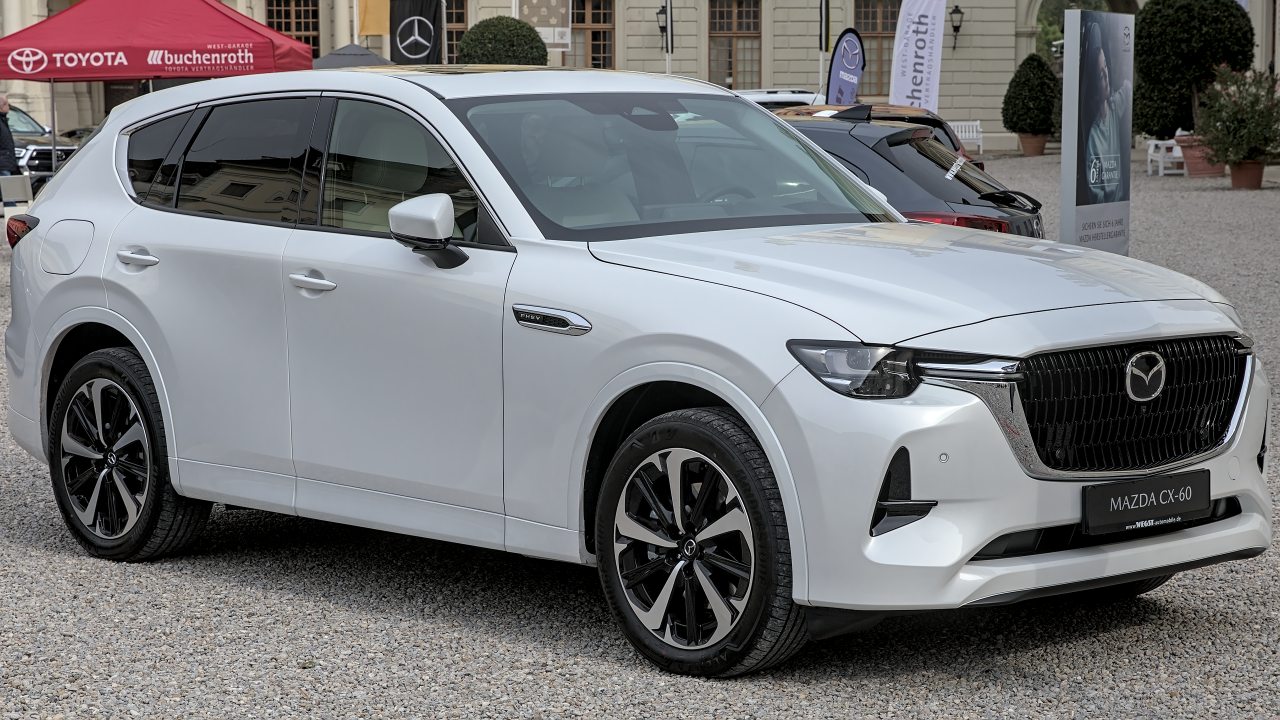
Even if Chinese EVs never arrive in large numbers, the fear they inspire exposes how vulnerable traditional automakers are to a sustained price war. Established companies carry heavy fixed costs tied to unionized labor, pension obligations, and sprawling dealer networks, all built around the economics of internal combustion vehicles. Those structures make it harder to slash prices on electric models without bleeding cash, especially when many of those EVs are still built on platforms originally designed for gasoline engines.
Chinese manufacturers, by contrast, have designed their businesses around EVs from the start, with factories, supply contracts, and workforce arrangements tailored to battery-powered drivetrains. That gives them more room to maneuver on pricing and product mix, particularly in entry-level and mid-market segments where every dollar matters. If they were to bring that discipline into the United States, I would expect them to target the very price points where American and European brands are already struggling to make EVs profitable, forcing difficult choices about whether to match discounts or retreat to higher-end niches.
Software, connectivity, and consumer expectations
Price is only part of the story. Chinese EV brands have also leaned hard into software, connectivity, and in-car entertainment, which has raised the bar for what buyers expect from an electric car. Many of the models they export feature large touchscreens, advanced driver-assistance systems, and over-the-air update capabilities that keep adding functions long after the vehicle leaves the factory. That approach treats the car as a rolling smart device, with frequent software refreshes and app-like services that can generate ongoing revenue.
Legacy automakers have talked about similar ambitions, but their execution has often lagged, hampered by fragmented software stacks and supplier dependencies that slow development. If Chinese brands enter the U.S. with vehicles that feel more like smartphones on wheels, packed with polished interfaces and subscription-ready features, they could quickly reset consumer expectations around what an EV should offer at a given price. The risk for incumbents is not just losing sales, but losing the narrative about who leads on technology, which can erode brand equity even among customers who never buy a Chinese car.
Global market pressure is already reshaping strategy
Even without a direct presence in the United States, Chinese EV makers are already influencing how American and European companies allocate capital and design products. As Chinese brands expand in Europe and other regions, they are forcing incumbents there to cut prices, delay or cancel some models, and rethink their timelines for phasing out combustion engines. Those pressures feed back into global product planning, because the same platforms and technologies underpin vehicles sold across multiple continents.
I see that dynamic pushing legacy automakers to accelerate cost-cutting, deepen partnerships on batteries and software, and lobby harder for industrial policies that mirror the support Chinese companies receive at home. It is also encouraging some to explore their own lower-cost EV architectures, including stripped-back models aimed at price-sensitive buyers who might otherwise be tempted by Chinese imports. In that sense, the fear of Chinese competition is already doing what direct market entry has not yet done: forcing a reckoning with the economics and technology of the electric future, before the cars themselves ever roll into U.S. showrooms.




Leave a Reply