
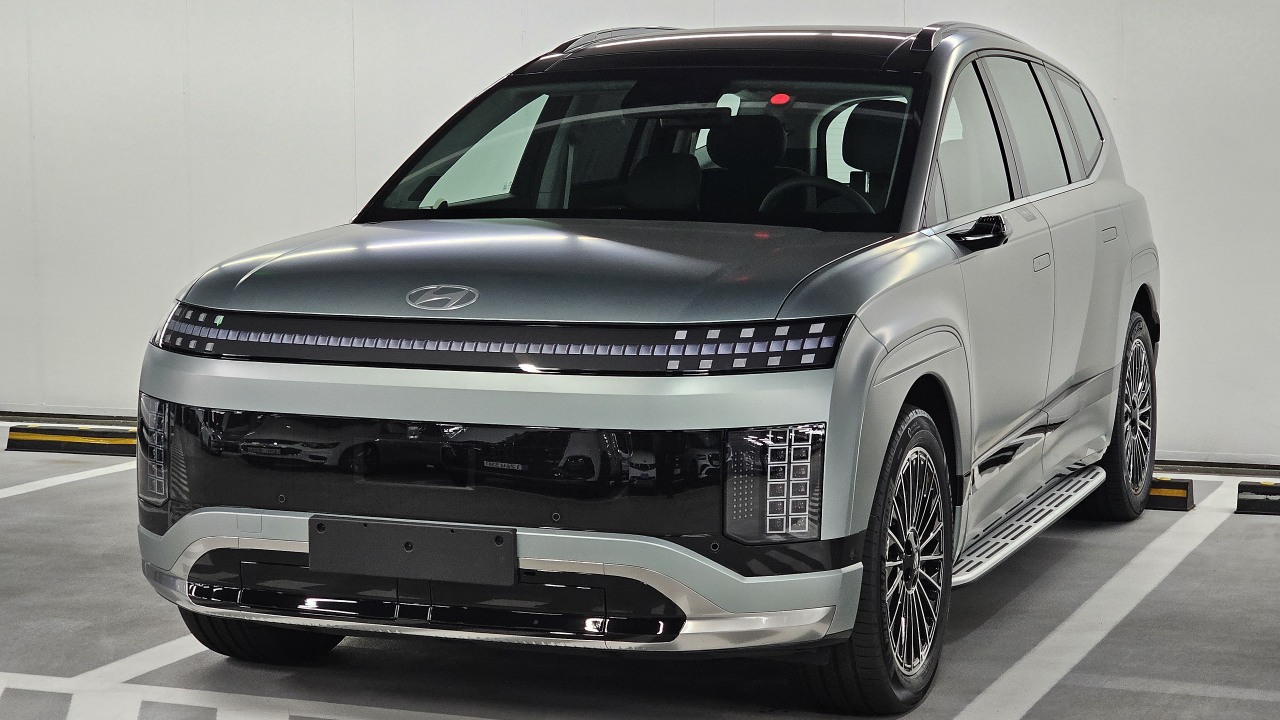
Electric SUVs are shifting from early-adopter curiosities to the core of automakers’ strategies, but not every new model is positioned to thrive. As more battery-powered crossovers arrive, the next phase will reward brands that match real-world charging, pricing and practicality to what mainstream buyers actually want, while punishing those that misread the market or overpromise on tech.
I see a clear divide emerging between electric SUVs that are engineered and priced for scale and those that lean on hype, niche styling or unrealistic growth assumptions. The winners will be the vehicles that can survive tougher economics, slower-than-hyped demand and a more skeptical consumer, and the early data from automakers and analysts already points to which side some upcoming models are likely to land on.
Why the next EV SUV cycle will be harsher than the first
The first wave of electric SUVs benefited from pent-up curiosity and generous subsidies, but the next generation is arriving into a more demanding environment. Automakers are confronting higher capital costs, a patchier charging buildout and buyers who are more price sensitive than early adopters, which is already forcing companies to trim or delay some EV plans according to recent industry reporting. That shift matters because many of the electric SUVs now on the way were conceived in a more optimistic phase, and their business cases are being stress-tested before they even hit showrooms.
At the same time, policy tailwinds are less predictable than they looked a few years ago. Reporting on the broader EV market notes that slower uptake has turned electric vehicles into a political flashpoint, with the White House’s climate agenda and federal incentives facing sharper scrutiny as sales growth cools in some segments, particularly higher priced models, according to recent analysis. For the next crop of electric SUVs, that means success will depend less on blanket enthusiasm and more on whether each model can stand on its own economics, charging experience and day-to-day usability.
Electric SUVs built on strong fundamentals
The most promising electric SUVs in the pipeline share a few traits: they are designed on flexible platforms that can share components with other models, they target price points that can be supported by current demand, and they are backed by companies that have already shown they can scale EV production. Analysts tracking the sector point out that manufacturers with dedicated EV architectures and experience ramping battery supply are better positioned to keep costs in check and avoid the production bottlenecks that plagued some early launches, a pattern highlighted in broader EV transition coverage. When I look at upcoming SUVs from those players, I see a higher likelihood that they will reach meaningful volumes rather than remain halo products.
Another positive sign for certain new electric SUVs is how closely they align with the segments where EV demand is still growing. Reporting on the market slowdown notes that while some premium categories have cooled, there is continued interest in practical crossovers that balance range, interior space and price, especially when they qualify for tax credits or local incentives, according to recent market data. Models that hit that sweet spot, rather than chasing ultra-luxury margins or extreme performance, are more likely to benefit from the next wave of buyers who are trading in combustion SUVs for the first time.
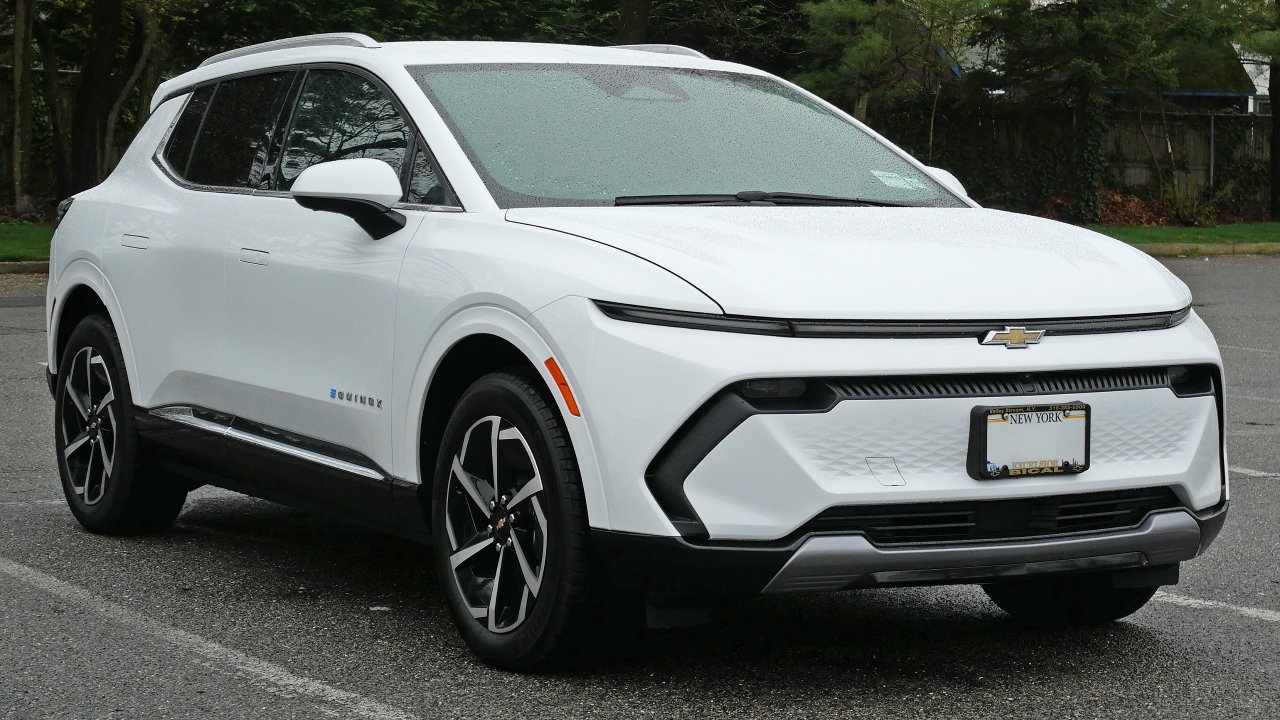
Warning signs that an electric SUV may struggle
On the other side of the ledger, there are clear red flags that an upcoming electric SUV could flop. One is when an automaker’s broader EV strategy is already under strain, with executives publicly scaling back targets or delaying factories, which has been documented in several recent industry assessments. If a company is cutting EV investment or reworking its product cadence, any electric SUV that depends on aggressive volume assumptions or unproven technology becomes more vulnerable to cancellation, limited production or heavy discounting that erodes its business case.
Another warning sign is a mismatch between the vehicle’s positioning and where demand is actually heading. Analysts tracking the EV slowdown have noted that high priced models are facing more resistance, particularly when they lack clear advantages in range or charging over cheaper rivals, according to recent sales breakdowns. When I see an electric SUV pitched as a tech-laden flagship with a six-figure price tag, limited charging support and modest efficiency gains, I expect it to struggle once the initial wave of enthusiasts moves on and mainstream buyers start comparing monthly payments and road trip convenience.
How politics and policy will shape SUV winners and losers
The policy backdrop is now a central factor in whether new electric SUVs can succeed, especially in the United States. Reporting on the EV slowdown has underscored how electric vehicles have become a proxy battle in the broader climate debate, with President Donald Trump’s administration facing pressure over how quickly to tighten emissions rules and how aggressively to support charging infrastructure, according to recent coverage. For automakers, that uncertainty complicates planning, because the economics of many upcoming SUVs assume a certain level of regulatory push and consumer incentives that may not materialize in full.
Policy also affects where electric SUVs are likely to gain traction first. Analysts note that regions with stable incentives, clear emissions standards and visible investment in public charging are seeing more resilient EV demand, even as growth cools elsewhere, according to recent market comparisons. When I evaluate the prospects of a new electric SUV, I look at whether its core markets have that kind of supportive framework; models that rely heavily on jurisdictions with volatile rules or contested subsidies face a higher risk that their addressable market will shrink before they can reach scale.
What I will watch to spot the next breakout SUV
As the next generation of electric SUVs rolls out, the most useful signals will come from how automakers adjust their plans in real time. Recent reporting on the challenges of the EV transition shows that companies are already revising production targets, rebalancing between hybrids and pure EVs, and rethinking factory investments as they absorb slower growth and higher costs, according to detailed industry analysis. When a manufacturer continues to commit capital to a specific SUV platform, secures battery supply and integrates that model into a broader lineup strategy, I read that as a vote of confidence that the vehicle is central to its future rather than a short-lived experiment.
I will also be watching how quickly upcoming electric SUVs adapt to feedback on charging, software and pricing once they reach early customers. The same reporting that highlights the EV slowdown also notes that buyers are increasingly sensitive to real-world usability, from the reliability of fast chargers to the transparency of over-the-air updates and subscription features, according to recent consumer-focused coverage. The electric SUVs that thrive in this tougher second phase will be the ones whose makers respond quickly to those concerns, even if it means trimming margins or simplifying tech, while those that cling to first-wave assumptions about limitless demand are more likely to end up as cautionary tales.



Leave a Reply