
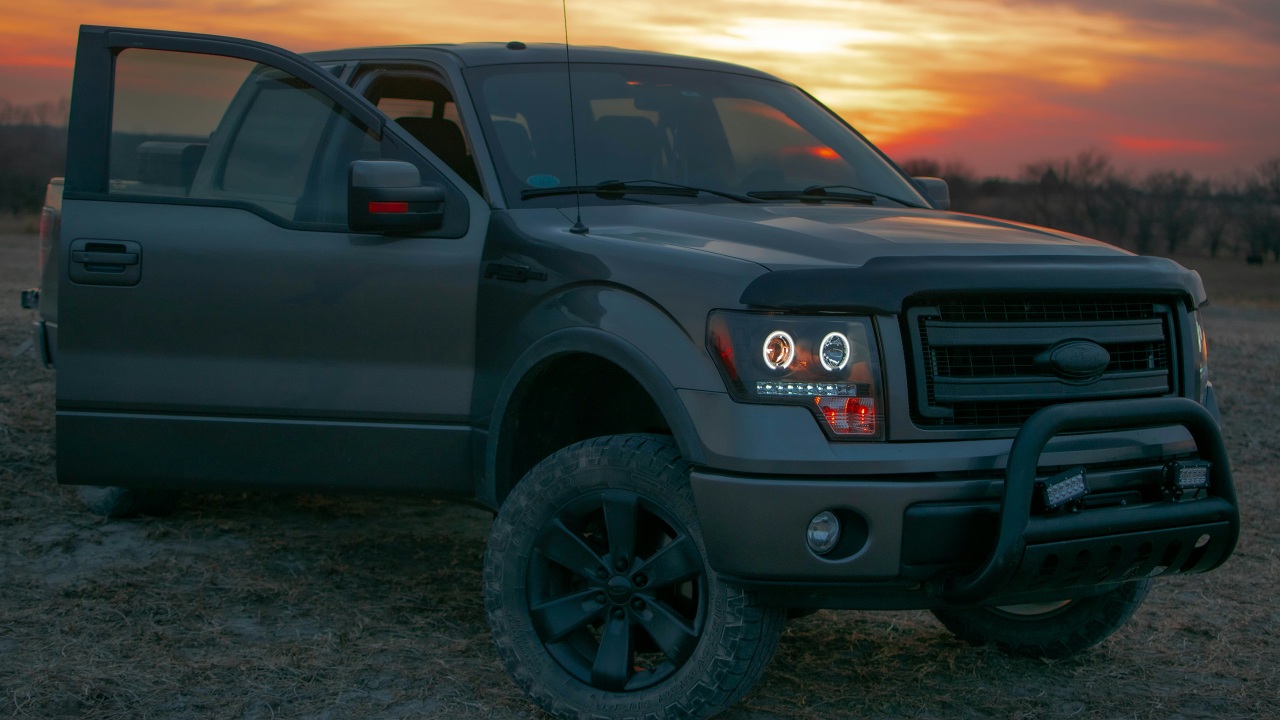
Gas-powered pickups are still moving off dealer lots at a pace most electric trucks can only envy, even as automakers pour billions into battery plants and charging networks. The hottest sellers are not futuristic tech showcases but familiar nameplates refined for towing, payload and price, and they are exposing how far the market still has to go before electric trucks become a mainstream default.
I see a widening gap between the rhetoric of an all-electric future and the reality of what truck buyers are actually signing for, especially in the heartland. The new internal-combustion models that are selling fastest are not ignoring efficiency or technology, but they are doubling down on the core jobs truck owners expect, which is where many current EV pickups still struggle.
Truck buyers are chasing capability and value, not just new tech
When I look at the sales charts, the first thing that stands out is how consistently full-size gas pickups dominate the U.S. market. The Ford F-Series, Chevrolet Silverado and Ram 1500 families routinely occupy the top spots in annual sales, with combined volumes in the hundreds of thousands of units per year, while electric pickups remain a fraction of that scale according to recent EV sales data. Even as electric truck options expand, the bulk of buyers still gravitate to gasoline and diesel models that offer familiar performance, quick refueling and a wide range of trims that start well below the price of most EV rivals.
Price and practicality are doing more to shape this trend than any cultural resistance to electrification. A well-equipped gas half-ton can still be had in the mid-$40,000 range, while many electric pickups launch closer to luxury territory once destination fees and options are counted, a gap highlighted in pricing analyses that compare transaction prices across segments. For buyers who need a truck as a daily work tool, the ability to tow long distances, refuel in minutes and avoid the upfront premium of a large battery pack often outweighs the appeal of instant torque or over-the-air software updates.
The new gas models outpacing electric pickups on dealer lots
Among the latest internal-combustion trucks, the strongest momentum is clustered around updated versions of familiar nameplates rather than clean-sheet designs. Recent redesigns of the Ford F-150 and Chevrolet Silverado 1500, for example, have focused on incremental gains in towing, payload and cabin comfort while keeping a broad spread of engines that range from efficient turbocharged V6 units to high-output V8s, a strategy reflected in current sales rankings. These trucks are not standing still technologically, but their core pitch is that buyers can get more capability and refinement without having to rethink how they fuel or use their vehicles.
That formula is translating into faster turnover on dealer lots than many electric competitors. Inventory data compiled in days-to-turn reports shows that popular trims of gas half-ton pickups often sell in well under two months, while several electric pickups sit significantly longer as dealers work through early-adopter demand and confront range and charging questions from mainstream shoppers. Even newer gas-powered midsize trucks, such as the latest Toyota Tacoma and Chevrolet Colorado, are seeing brisk sales that outpace electric alternatives in the same price band, reinforcing how strong the pull of conventional powertrains remains when the purchase decision is tied to work and family needs.
Why electric trucks are struggling to match that momentum
Electric pickups are not failing because they are bad vehicles; they are struggling because their strengths do not yet line up with the most common use cases for truck buyers. Range ratings that look competitive on paper can drop sharply when towing or hauling, a reality documented in independent towing tests and highlighted in comparisons of EV range under load. For a contractor who might tow a trailer across rural counties or a family planning a long-distance road trip with a camper, the uncertainty around charging access and trip time can be a deal-breaker, even if the truck performs brilliantly in city driving.
Charging infrastructure and charging speed remain another drag on adoption. While fast-charging networks are expanding, coverage is still uneven outside major corridors, and real-world charging times for large battery packs can stretch well beyond a quick fuel stop, especially when stations are crowded or limited to lower power levels, as documented in grid and infrastructure assessments. I see that friction reflected in surveys where potential EV truck buyers cite concerns about charging access, towing range and purchase price as top reasons they hesitate, a pattern backed up by recent polling on EV attitudes.
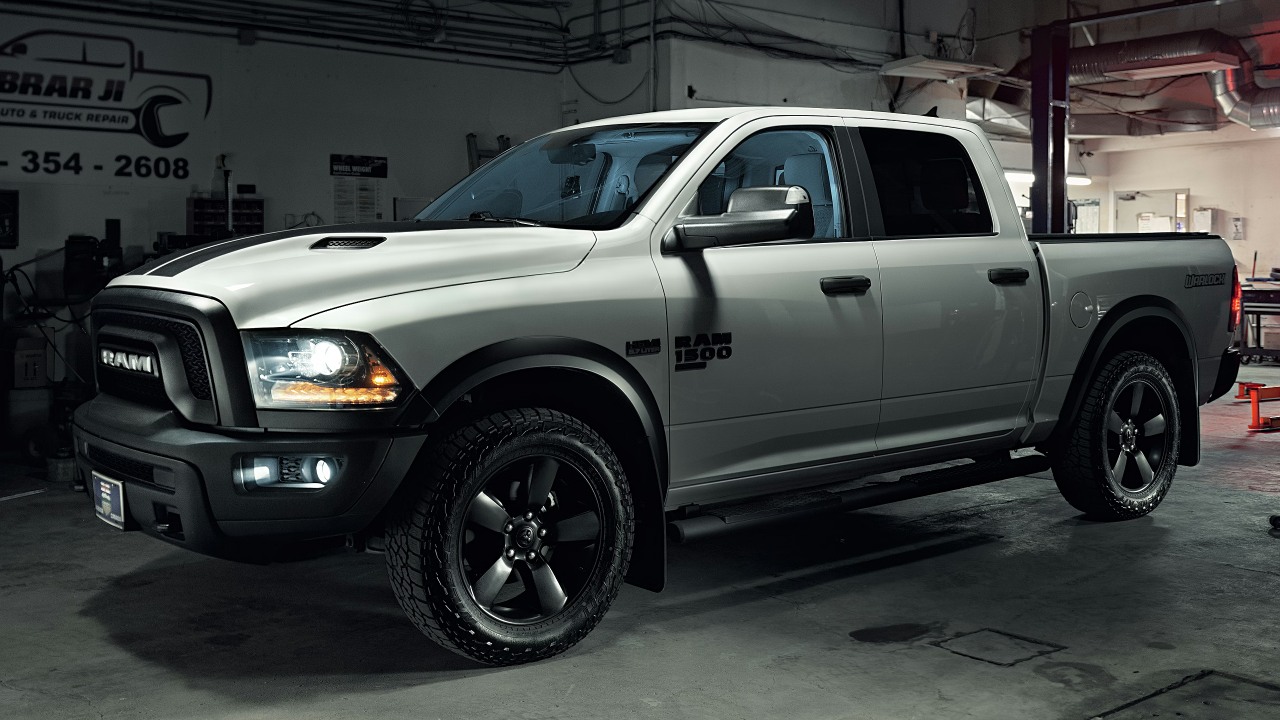
Policy, fuel prices and the slow pivot away from combustion
Federal and state policy is steadily nudging the market toward lower emissions, but the rules are written in a way that still leaves room for efficient gas trucks to thrive for years. Tougher fuel economy and emissions standards are pushing automakers to add features like cylinder deactivation, turbocharged downsized engines and mild-hybrid systems to their pickups, rather than forcing an immediate switch to full battery-electric power, a trajectory outlined in recent emissions regulations. That regulatory path helps explain why so many new gas trucks now tout improved mileage and lower emissions per mile while still relying on internal combustion as the primary power source.
Fuel prices also shape buyer behavior, but not always in the way EV advocates expect. When gasoline spikes, interest in electric vehicles tends to rise, yet truck buyers often respond by shifting to more efficient gas or hybrid trims rather than abandoning combustion entirely, a pattern visible in fuel price data and corresponding shifts in truck mix reported in sales and inventory reports. As long as gasoline remains widely available and relatively affordable on a per-mile basis, I expect many buyers to view efficient gas trucks as a pragmatic middle ground between older, thirstier models and higher-priced EVs that still require lifestyle adjustments.
How automakers are hedging with hybrids and flexible platforms
Automakers are not betting solely on pure gasoline or pure electric powertrains; they are increasingly using hybrid systems and flexible platforms to bridge the gap. Ford’s F-150 PowerBoost hybrid, for example, pairs a twin-turbo V6 with an electric motor to deliver strong towing and payload while improving fuel economy and adding features like onboard power generation, a combination that has helped it carve out a niche in the broader F-150 lineup according to recent F-Series sales updates. Similar strategies are emerging in other truck families, where mild-hybrid systems smooth stop-start operation and add low-speed torque without requiring owners to plug in.
Under the skin, many new truck platforms are being engineered to support multiple powertrains, which lets manufacturers adjust the mix of gas, hybrid and electric models as demand shifts. That flexibility is evident in product plans and capital spending disclosures that describe shared architectures for combustion and battery-electric variants, such as the investments detailed in recent manufacturing announcements. I see this as a hedge: companies can keep rolling out new gas-powered trucks that sell quickly today while preserving the option to ramp up EV production if and when charging infrastructure, battery costs and consumer preferences catch up.
What the sales gap really says about the road to electric trucks
The fact that new gas-powered trucks are selling faster than most electric pickups is not a verdict against electrification, but it is a reality check on timing and priorities. Buyers are signaling that they will embrace new technology when it fits seamlessly into the way they already use their trucks, not when it asks them to compromise on range, towing or price. The strongest-selling gas models are succeeding because they improve on those fundamentals while layering in just enough tech and efficiency to feel modern, a balance that comes through clearly when I compare their specs and sales performance with the EV trucks profiled in current EV truck roundups.
For policymakers and automakers, the message is that the transition will be gradual and uneven, with hybrids, efficient gas engines and flexible platforms playing a central role for longer than some early forecasts assumed. Electric trucks will keep improving, especially as charging networks expand and battery technology advances, but for now the market is rewarding vehicles that solve today’s practical problems first and climate goals second. Until EV pickups can match or beat their combustion rivals on total cost of ownership, convenience and capability in real-world use, I expect the newest gas-powered trucks to keep leaving the lot faster, even as the industry talks up an electric future.



Leave a Reply