
After a decade of record-setting auction results and breathless bidding wars, the muscle car market is finally showing signs of fatigue. Values are not collapsing across the board, but prices are softening in ways that catch many owners off guard, especially those who assumed anything with stripes and a big V8 would only ever move in one direction.
What I see now is a market that is still passionate but far more selective, where originality, documentation, and demographics matter as much as horsepower ratings. Some of the most hyped models are drifting down from their pandemic-era peaks, while less glamorous but more usable cars are quietly holding their own or even gaining ground.
From pandemic surge to selective slowdown
The first shift I notice is that the broad, rising tide that lifted nearly every collectible car during the pandemic has receded, leaving a more uneven shoreline. During the lockdown years, cheap money, stimulus cash, and boredom pushed buyers toward nostalgia, and muscle cars were prime beneficiaries, with auction prices for 1960s and 1970s icons jumping sharply in a short span. As interest rates climbed and financial markets turned choppy, that speculative energy cooled, and the muscle segment began to separate into clear winners and laggards, a pattern reflected in recent price guide updates.
Instead of blanket appreciation, I now see a market where top-tier examples of the most coveted models still command strong money, while average cars that rode the wave are slipping back toward more rational levels. Data from collector-car indices shows that some previously hot categories, including certain American performance cars, have flattened or dipped even as other segments, such as modern exotics, continue to rise, underscoring how the post-pandemic adjustment is hitting muscle cars differently than the broader collector landscape documented in recent market-trend analysis.
Why some classic muscle is losing heat
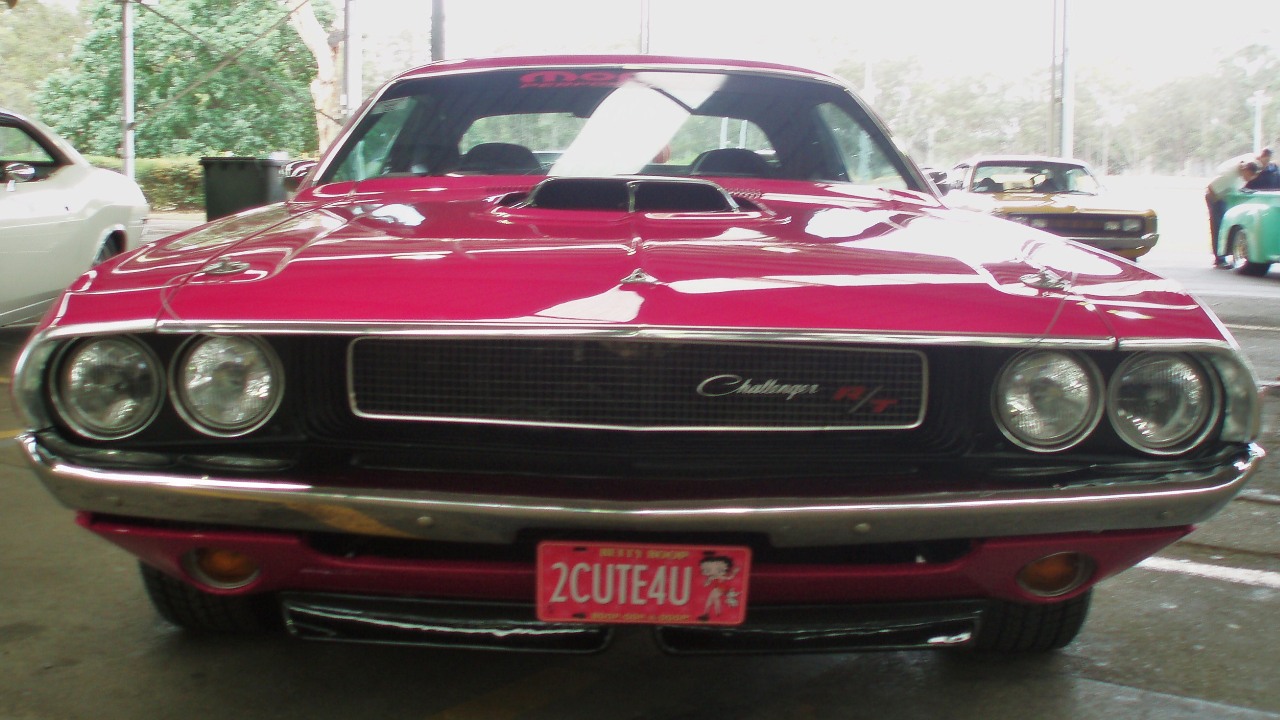
The softening is most visible in cars that were already priced for perfection, especially high-production models that surged on hype rather than true scarcity. When a driver-quality 1969 Chevrolet Camaro SS or 1970 Dodge Challenger R/T suddenly doubled in value during the pandemic, it pulled a lot of speculative money into the market. Now that financing costs are higher and discretionary spending is tighter, those buyers are more cautious, and prices for mid-grade examples have eased, a trend that aligns with recent muscle-car value reports showing declines for some condition-3 cars even as the best examples hold steady.
Condition and documentation are also drawing a sharper line between cars that keep their value and those that do not. A numbers-matching 1970 Pontiac GTO Judge with original paint and a full paper trail still attracts serious collectors, while a similar-looking car with a replacement engine or color change is more likely to sit or sell below its asking price. Auction data cited in recent auction insights highlights this divergence, with premium results concentrated around low-mileage, highly original cars and more ordinary examples either missing their reserves or trading under their pandemic highs.
Modern muscle and the EV overhang
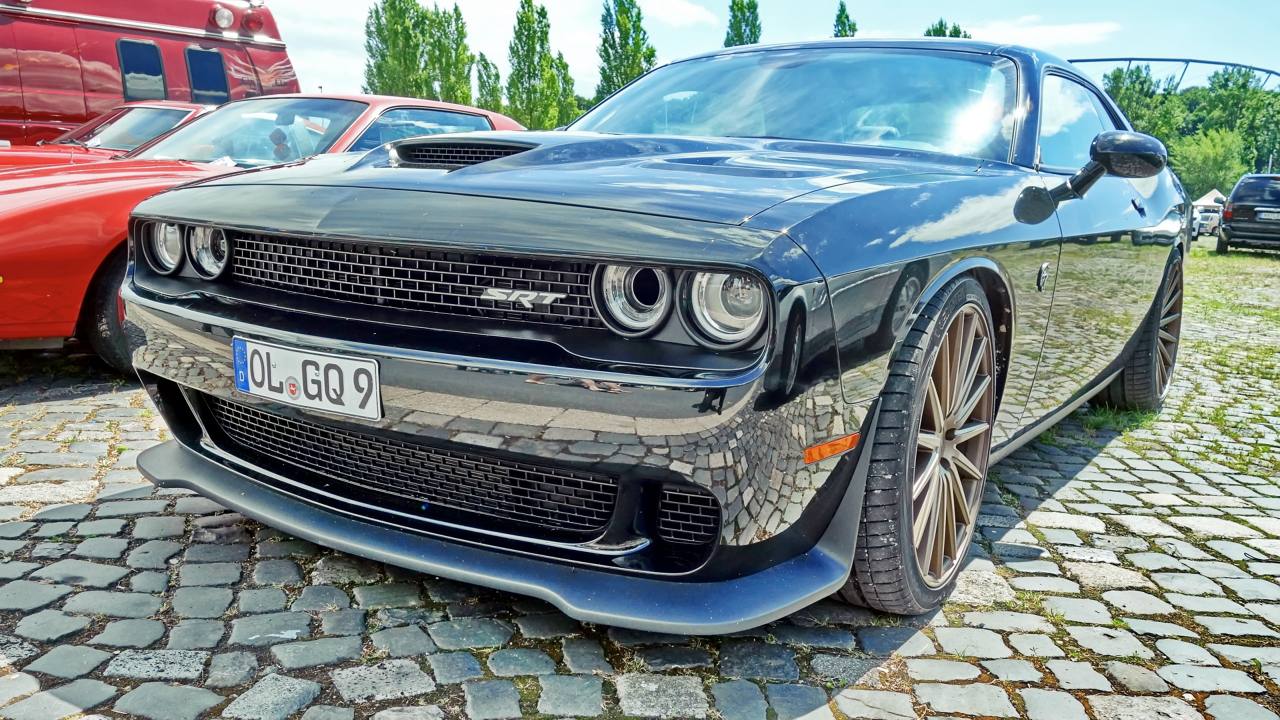
Late-model muscle, especially supercharged halo cars from Detroit’s recent horsepower wars, is facing its own set of pressures. Owners who paid top dollar for low-mileage 2015–2020 Dodge Challenger SRT Hellcats, Chevrolet Camaro ZL1s, or Ford Mustang Shelby GT350s often assumed they were buying instant collectibles. Instead, I see a market where plentiful supply, rising insurance and maintenance costs, and the steady release of even quicker performance models have kept a lid on values, a pattern echoed in recent modern-performance analyses that show many of these cars tracking closer to normal depreciation curves than to blue-chip collectibles.
The looming shift toward electrification is also reshaping expectations. As automakers pivot to EVs and hybrid performance, some enthusiasts expected the “last of the V8s” to spike in value overnight. Instead, the market appears to be taking a wait-and-see approach, with only the rarest variants, such as limited-run track packages or manual-transmission specials, showing meaningful resilience. Reporting on the transition to electric performance and its impact on collector sentiment, including recent EV-focused market coverage, suggests that while long-term scarcity may eventually help certain modern muscle cars, short-term price action is still governed by basic factors like mileage, condition, and overall demand.
Demographics, nostalgia, and shifting tastes
Underneath the price charts, demographics are quietly rewriting the rules of what counts as desirable muscle. The buyers who grew up idolizing big-block Chevelles and Hemi-powered Mopars are aging, and some are beginning to thin their collections, increasing supply just as younger enthusiasts gravitate toward different kinds of performance cars. Surveys and registration data highlighted in recent generational market studies show that Gen X and millennial buyers are more likely to chase 1980s and 1990s performance models, Japanese sports cars, and analog European coupes than the carbureted Detroit iron their parents loved.
This shift does not mean traditional muscle is doomed, but it does mean the buyer pool is changing, and with it, the hierarchy of what commands a premium. I see younger collectors placing a higher value on drivability, safety, and technology, which helps cars like the 2003–2004 Ford Mustang SVT Cobra or 2008–2014 Dodge Challenger SRT8, while leaving some older, less refined models behind. Recent bull-market lists that spotlight Radwood-era performance cars and early tuner icons underscore how nostalgia is moving forward in time, subtly pulling attention and money away from certain 1960s and 1970s staples.
Where value is holding up, and what owners can do
Even as some prices soften, there are clear pockets of strength that show how nuanced this market has become. Rare, well-documented cars with compelling stories, such as low-production COPO Camaros, genuine Shelby Mustangs, or early Hemi-powered Plymouths, continue to draw aggressive bidding when they appear, especially if they retain original drivetrains and finishes. Auction and private-sale data compiled in recent blue-chip collector reports indicate that these top-tier examples have either held their value or posted modest gains, even as more common variants of the same models have slipped.
For current owners, the lesson is less about panic and more about positioning. I advise treating a muscle car less like a stock to be timed and more like a long-term asset whose value depends on documentation, maintenance, and smart upgrades. Keeping original parts, preserving factory finishes where possible, and maintaining a thorough paper trail can help a car stand out when buyers become choosier, a point reinforced in recent guides to preserving value that emphasize originality and records as key differentiators in a cooling but still passionate market.



Leave a Reply