
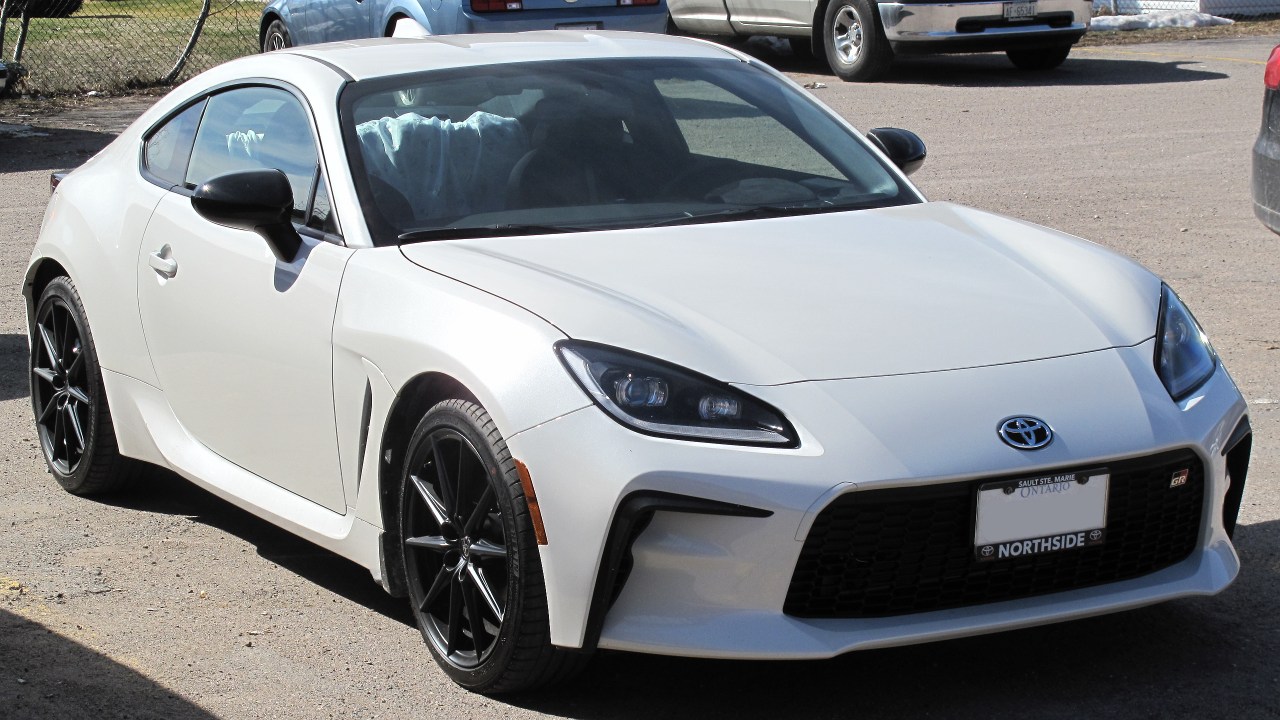
Sports cars with modest price tags are quietly delivering performance that used to belong only to exotic badges and six-figure invoices. I see a widening gap between what some of these machines cost and how fast, capable, and livable they have become, especially as manufacturers chase enthusiasts with turbocharged powertrains and track-ready chassis tuning. The result is a group of relatively attainable coupes and roadsters that can embarrass far pricier machinery on a back road or circuit while still fitting into a real-world budget.
Why value-focused performance cars are having a moment
Performance is getting cheaper because the hardware that once separated supercars from everyday models has filtered down the price ladder. Turbocharging, adaptive dampers, electronically controlled differentials, and sticky factory tires now appear on cars that sit closer to family sedans than to hand-built exotics on the pricing chart. I see that dynamic most clearly in compact rear-drive coupes and hot hatches that post acceleration and lap times on par with older halo models, yet carry list prices that keep them within reach of committed enthusiasts rather than lottery winners.
At the same time, manufacturers are under pressure to keep enthusiast nameplates relevant as crossovers dominate showrooms, which has led to aggressive performance tuning and generous standard equipment on the remaining sports cars. That is why models like the latest turbocharged four-cylinder coupes and high-output hatchbacks deliver power figures that would have looked outrageous in their segments a decade ago, while still offering usable rear seats, modern safety tech, and warranty coverage that make them viable daily drivers. The best of these cars feel like they are priced as if they were still modest weekend toys, even though their performance data now overlaps with far more expensive machinery.
Rear-drive coupes that punch above their sticker
Among the clearest examples of budget-friendly performance are the compact rear-wheel-drive coupes that blend relatively simple layouts with serious pace. Lightweight construction, low seating positions, and balanced chassis tuning let these cars carry speed through corners in a way that flatters skilled drivers and rewards learning, even when outright horsepower figures look modest on paper. When I compare their real-world pace and driver engagement to the price of entry, they often feel closer to classic sports cars in spirit while delivering performance that can keep up with modern turbocharged rivals.
Turbocharged four-cylinder variants have sharpened that equation by adding meaningful straight-line speed without dramatically increasing cost or weight. Strong midrange torque lets these coupes surge out of bends and overtake with confidence, while still returning reasonable fuel economy in everyday use. Paired with manual gearboxes or quick-shifting automatics, and supported by factory performance packages that add stickier tires and upgraded brakes, they deliver lap times and acceleration that overlap with older six-cylinder performance icons yet remain positioned as attainable options in the new-car market.
Hot hatches and compact sedans delivering track-grade pace

Front-drive and all-wheel-drive hot hatches have become some of the most efficient ways to buy real performance, particularly for drivers who need four doors and usable cargo space. High-output turbocharged engines, sophisticated traction control systems, and carefully tuned suspensions let these cars put power down cleanly on imperfect roads, which means they can be driven hard more of the time than some rear-drive rivals that rely on ideal conditions. When I look at their acceleration and handling benchmarks, many of these hatchbacks and compact sedans now sit in territory once reserved for dedicated sports coupes.
What makes them especially compelling is how much equipment is bundled into the base price. Performance-oriented tires, large brake packages, supportive sport seats, and configurable drive modes often come standard, so buyers do not need to spend heavily on options to unlock the full capability. That value equation extends to ownership, since these cars share platforms and components with high-volume mainstream models, which helps keep running costs and parts availability more manageable than on low-production sports cars that cost far more to buy in the first place.
Used performance bargains hiding in plain sight
The pre-owned market is where performance per dollar can become almost absurd, particularly for sports cars that depreciated quickly when new. I see several modern-era coupes and roadsters that now trade hands for family-car money while still offering powerful engines, rear- or all-wheel drive, and sophisticated chassis hardware. Because many of these cars were bought as weekend toys, it is possible to find examples with relatively low mileage and full service histories, which makes them especially attractive to buyers willing to accept older infotainment and safety tech in exchange for serious pace.
Depreciation hits luxury-branded performance models hardest, which is why used versions of certain German and Japanese sports coupes can now be cross-shopped with new economy cars. Twin-turbo six-cylinder engines, dual-clutch transmissions, and adaptive suspensions that once commanded premium pricing are now accessible on the secondhand market at a fraction of their original cost. For drivers who prioritize mechanical sophistication and outright speed over the latest driver-assistance features, these used performance cars can deliver an experience that still feels special, even if the purchase price no longer reflects the engineering investment that went into them.
How to shop smart for maximum performance per dollar
Extracting the most performance from a limited budget starts with being honest about how and where the car will be driven. I recommend focusing on models that balance power with chassis tuning and braking capability, rather than chasing the highest horsepower figure at the expense of control and reliability. Test drives on varied roads, and where possible on track days or autocross events, reveal how a car behaves at the limit and whether its performance feels accessible or intimidating, which matters more in daily use than a headline acceleration number.
It is also crucial to factor in total cost of ownership, including insurance, maintenance, and consumables like tires and brake pads, which can be expensive on high-performance models even if the purchase price looks reasonable. Cars that share components with mainstream siblings often have an advantage here, since parts and service expertise are more widely available. By weighing running costs alongside performance and practicality, I find that a handful of modern sports cars and hot hatches deliver an unusually rich mix of speed, usability, and long-term affordability, making them standouts for enthusiasts who want their money to translate directly into driving enjoyment.



Leave a Reply