
Used SUV shoppers are not just chasing low prices anymore, they are hunting for models that have already proved they can survive a decade of commuting, road trips, and family duty with minimal drama. Reliability data, long-term owner surveys, and repair-cost studies now make it much easier to see which older sport-utility vehicles keep earning expert praise and which ones quietly drain a budget.
When I look across those rankings, a clear pattern emerges: a handful of mainstream and luxury SUVs repeatedly surface as safe bets, combining durable drivetrains with relatively predictable maintenance costs. The models below are the ones reliability analysts keep circling back to, and they are the ones I would prioritize first when building a used SUV shortlist.
How reliability experts actually judge used SUVs
Before singling out specific models, it helps to understand how reliability specialists decide which used SUVs deserve a recommendation. The most trusted rankings lean on large data sets that track how often vehicles break, how serious those failures are, and what it costs to fix them. That typically includes owner-reported problems over several years, shop repair records, and projected maintenance expenses over a vehicle’s life, which together paint a clearer picture than any single anecdote from a satisfied or frustrated driver.
Analysts then layer in factors like powertrain design, parts availability, and known trouble spots for each generation. A model that has a simple, well-proven engine and transmission, widely available components, and few systemic issues tends to score higher than one that relies on complex, failure-prone hardware. When the same SUV keeps landing near the top of long-term dependability and low-cost-of-ownership charts across multiple model years, that is usually the signal that reliability experts are comfortable recommending it again and again.
Toyota’s midsize SUVs that dominate long-term rankings
When reliability specialists talk about used SUVs that are hard to kill, Toyota’s midsize models are usually the first to come up. The Toyota 4Runner, especially in the 2010s model years, is built on a truck-style frame with a naturally aspirated V6 and a conventional automatic transmission, a combination that tends to age gracefully. Its reputation for crossing 200,000 miles with only routine maintenance is why it frequently appears near the top of long-term dependability lists, and why used prices stay stubbornly high compared with rivals that were more technologically ambitious but less durable.
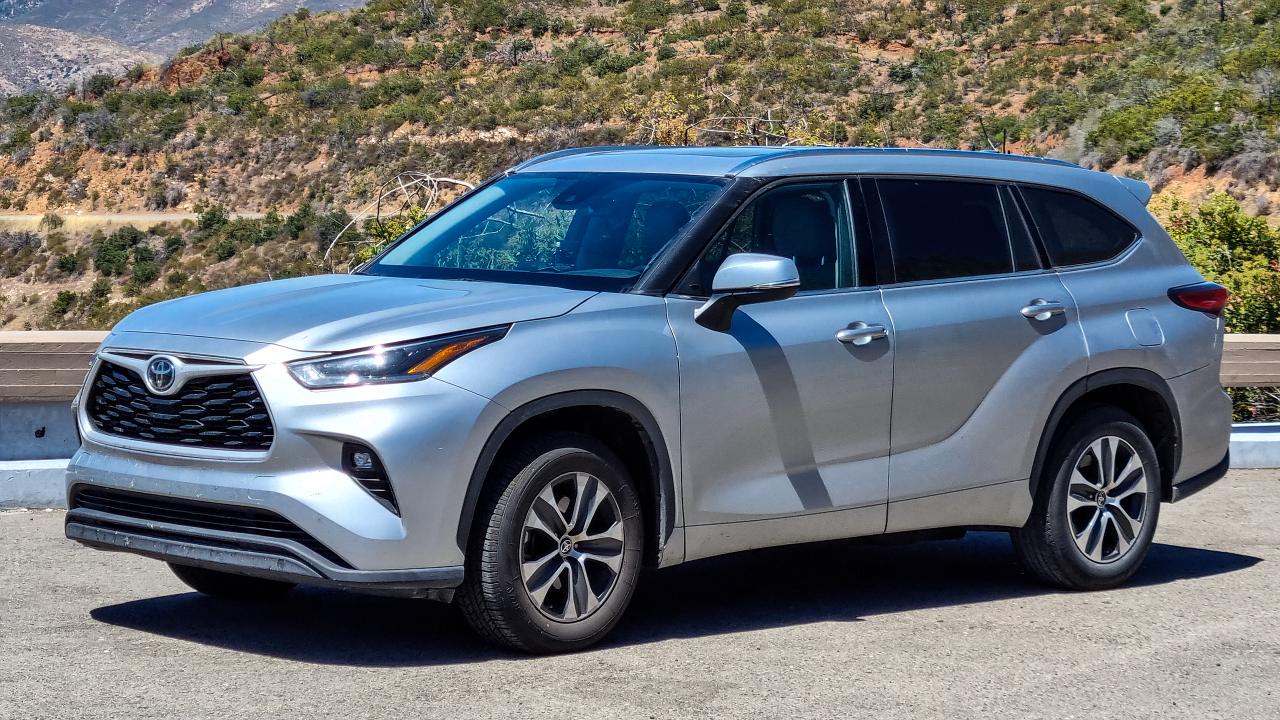
The Toyota Highlander, which shares some components with the brand’s sedans, offers a different flavor of reliability that experts also like to highlight. Instead of off-road toughness, it focuses on family-hauling comfort, yet it still posts strong scores for low repair frequency and reasonable ownership costs in its first decade on the road. Analysts often point to the Highlander’s relatively conservative engineering choices, such as proven V6 engines and straightforward all-wheel-drive systems in many model years, as key reasons it keeps earning repeat recommendations from reliability-focused guides.
Honda’s CR-V and Pilot as practical, low-drama choices
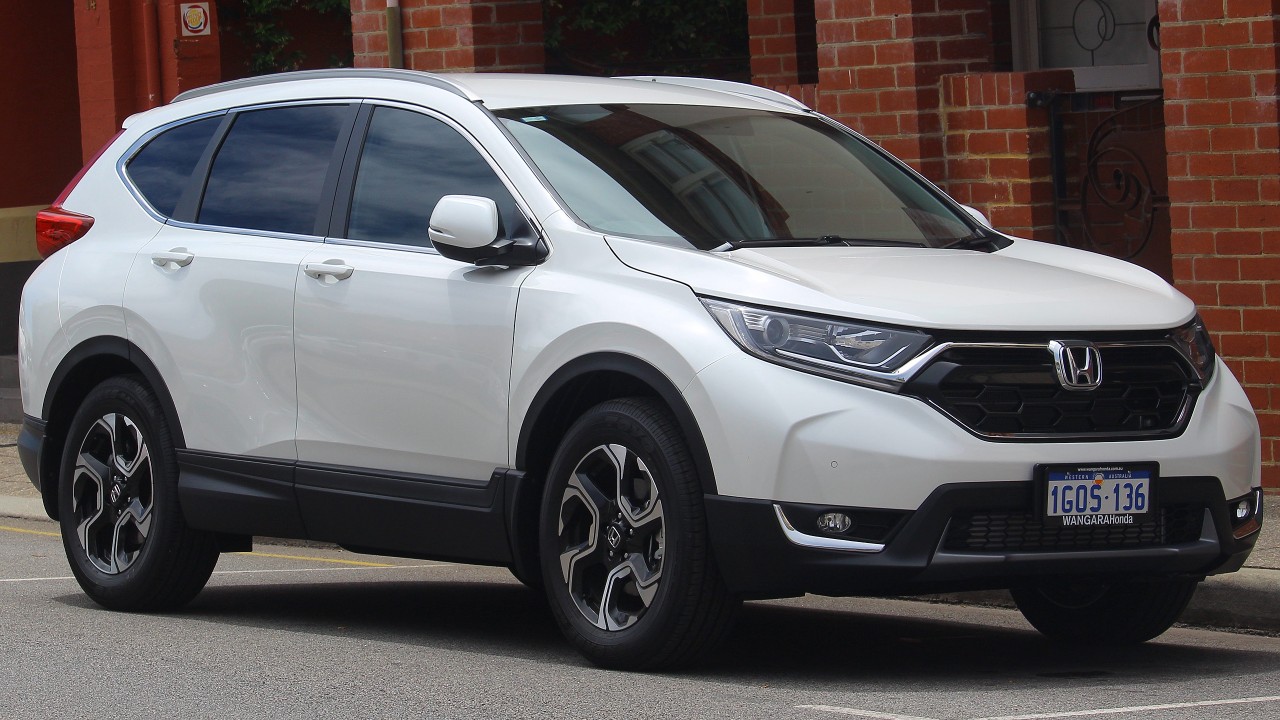
Honda’s compact and midsize SUVs have long been staples of reliability rankings, and that pattern has continued as earlier 2010s models move deeper into the used market. The Honda CR-V is frequently cited by experts as a smart buy for drivers who want carlike fuel economy and space without sacrificing long-term dependability. Its four-cylinder engines and simple drivetrains in many model years help keep major mechanical failures relatively rare, which is why owner surveys often show high satisfaction with repair frequency and cost.
The Honda Pilot, which shares much of its hardware with the brand’s minivans and sedans, tends to attract families who need three rows but do not want the bulk of a full-size SUV. Reliability analysts often recommend specific Pilot generations that avoided early transmission issues and benefited from incremental engineering updates. In those favored years, the Pilot combines a strong record of surviving high mileage with interior practicality, which is why it regularly appears on lists of used SUVs that experts would buy themselves when balancing budget, space, and peace of mind.
Compact crossovers that quietly rack up miles
Not every reliable SUV is a body-on-frame bruiser or a three-row family hauler. A cluster of compact crossovers has built a quieter reputation for durability, often by sticking to modest power outputs and avoiding overly complex technology. Models like the Toyota RAV4 and Subaru Forester are often singled out by reliability experts for their ability to handle daily commuting, light towing, and bad weather without generating a long list of expensive repairs as they age.
In many owner surveys and long-term reliability studies, these compact SUVs benefit from naturally aspirated engines, simple all-wheel-drive systems, and conservative tuning that puts longevity ahead of outright performance. Analysts also note that parts availability and a large pool of independent mechanics familiar with these vehicles help keep repair bills in check. For used buyers who prioritize low operating costs over luxury features, these crossovers frequently land on the shortlist of models that can be bought at 80,000 or 100,000 miles with reasonable confidence that they still have a long service life ahead.
Luxury SUVs that still earn a reliability nod
Luxury SUVs have a tougher time impressing reliability experts, largely because added features and complex electronics create more opportunities for things to go wrong. Even so, a few models consistently stand out as safer bets in the premium space. The Lexus RX is the most prominent example, often recommended by analysts who want to steer buyers toward a luxury SUV that behaves more like a Toyota in long-term ownership. Its V6 engines, conservative tuning, and shared components with other Lexus and Toyota products help it post strong dependability scores even as the odometer climbs.
Some reliability guides also highlight specific years of the Acura MDX as relatively dependable options for shoppers who want three rows and a more upscale interior without taking on the repair risks associated with many European luxury SUVs. In those recommended model years, the MDX pairs a robust V6 with a chassis that has been refined over multiple generations, which helps keep major mechanical issues in check. Experts still caution buyers to budget for higher maintenance costs than a mainstream SUV, but within the luxury segment, these models are the ones that tend to earn repeat endorsements from analysts focused on long-term reliability.



Leave a Reply