
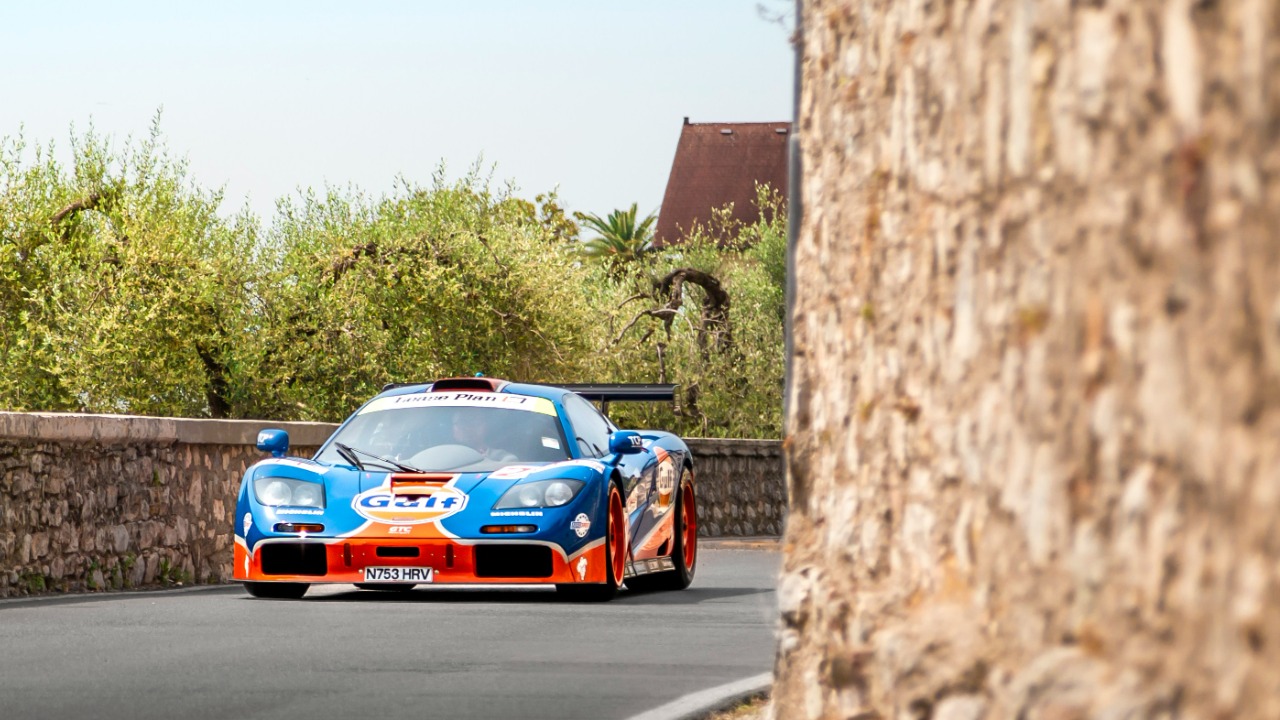
McLaren built its reputation on radical early models that fused racing technology with road car usability and everyday drama. Those formative cars now sit at the center of a quiet shift, as the company retools its future strategy around design cues and philosophies that first made its name.
Collectors, investors, and loyal owners increasingly view those early McLarens as reference points rather than relics, which positions them for renewed cultural and financial attention. The brand itself appears to recognize that heritage as a strategic asset, and it is starting to lean back into the ideas that defined its first icons.
Racing roots that shaped the first road legends
McLaren grounded its earliest road cars in a competition mindset that treated every component as a route to lap time. Engineers created the McLAREN F1 as a technological masterpiece, using a carbon fibre structure and a naturally aspirated engine to deliver what the company still calls the fastest production aspirated road car ever built. That single model established a template where low weight, advanced materials, and obsessive packaging mattered more than headline power figures or luxury excess.
Brand historians describe The Birth of a Supercar Brand While the McLaren F1 marked a beginning rather than a one off, because the company later launched a modern road division in 2010 that built a portfolio deeply rooted in racing. Analysts note that this evolution from pure motorsport to a broader Supercar Brand While the competition DNA stayed intact, it also created tension between track focus and road car comfort. That tension now gives the earliest models a special clarity, because they expressed the racing side with fewer compromises than some later, more crowded lineups.
Design confusion that pushes enthusiasts back to the classics
Recent criticism of McLaren’s overlapping model range highlights how clearly the early cars stood apart from each other. Commentators argue that current two seaters share similar mid engine layouts, carbon tubs, and styling cues, which blurs distinctions between models and leaves buyers wondering whether incremental upgrades justify the price gaps. One analysis bluntly states, “But I am not sure how distinct those segments truly are,” before describing how every car feels like a variation on the same But formula.
Enthusiasts on forums echo that frustration and often contrast it with the clarity of the earliest road models. A widely shared thread titled McLaren’s Post-Pandemic Rebirth Is Off to a Rocky Start includes a comment from Jun that reads, “Not to say all those brands do not have their problems too but I feel like Mclaren does not really have an identity to me anymore,” capturing a sentiment that the brand lost some of its sharpness. That same discussion, hosted by Mclaren fans, often circles back to the F1 and early Super Series cars as benchmarks, which naturally increases attention on those older designs.
Future styling that deliberately echoes early icons
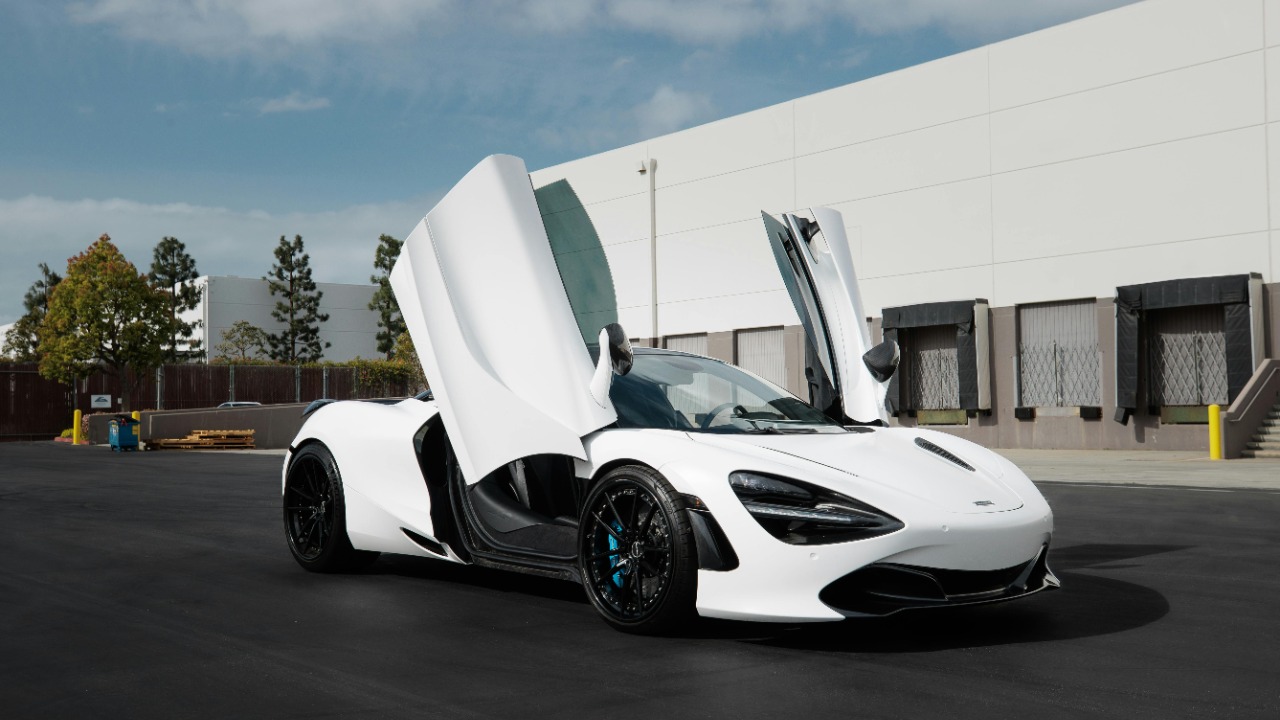
McLaren’s design leadership now speaks openly about reconnecting future models with the brand’s earliest visual language. Executives stress that they come from racing and must look into the whole brand, including its first road icons, when shaping new cars, and they describe a renewed focus on purity, functional surfaces, and clear aerodynamic intent. That philosophy underpins a new approach where designers treat the company’s heritage as a living toolkit rather than a museum piece, a shift detailed in plans for how designs will change while still serving modern performance targets.
Styling leaders also describe a “Performance Line” that runs along the side profile of future cars, inspired by Can Am racers, the McLaren F1, and the P1. They emphasize short front and rear overhangs, clean bodywork, and a strong cab forward stance that recalls the earliest halo models without copying them outright. That approach, outlined in a vision for Future styling direction, effectively turns those early cars into design anchors for the next generation, which naturally boosts their relevance and perceived importance.
Concept sketches and interiors that revive 1990s F1 spirit
Recent design sketches show how deeply McLaren intends to mine its early era for inspiration while still moving forward. One set of proposals divides future cars into themes such as “Athletic,” which will combine efficient packaging with expressive surfacing, and “Technical,” which keeps engineering clarity at the heart of it, echoing the stripped back logic of the first road models. Observers note that these drawings preview a shift toward bolder silhouettes and more characterful details, as described in a feature asking whether these sketches preview the future of McLaren design.
Interior plans lean even more heavily on the 1990s F1 legacy, particularly its driver centric layout and sense of occasion. Designers talk about a “wrap around” cockpit that promises a spacious, horizon like field of view, with controls oriented toward the driver in a way that recalls the F1’s famous central seating philosophy without directly replicating it. Company leaders frame this as an attempt to echo 1990s F1 glory in new supercars that still meet modern usability expectations, a goal described in detail in reporting on how future supercars will connect road and racetrack experiences around the globe.
Strategic reset that favors fewer, more distinctive models
Corporate strategy now appears to support this design led return to first principles, which could further elevate early models. McLaren’s new CEO, Nick Collins, reportedly plans to cut production, simplify the range, and focus on fewer cars with clearer roles, rather than a crowded lineup of similar mid engine variants. Analysts describe this as McLaren’s recipe for revival, with fewer cars, fresh design, and maybe something else, and they highlight how Collins wants each model to avoid overlapping engine layout and similar styling cues that previously muddied the strategy.
That shift naturally pushes collectors and enthusiasts to reassess the earliest cars that defined clear segments before the range expanded. If future models become more distinct and more explicitly tied to specific heritage references, then the original F1 and first generation Super Series cars will look like pure expressions of those themes. Market watchers already see early signs of this dynamic, as attention moves from short lived variants to the foundational designs that now guide McLaren’s next chapter, a trend that positions those early models for a sustained revival in both cultural relevance and long term value.



Leave a Reply