
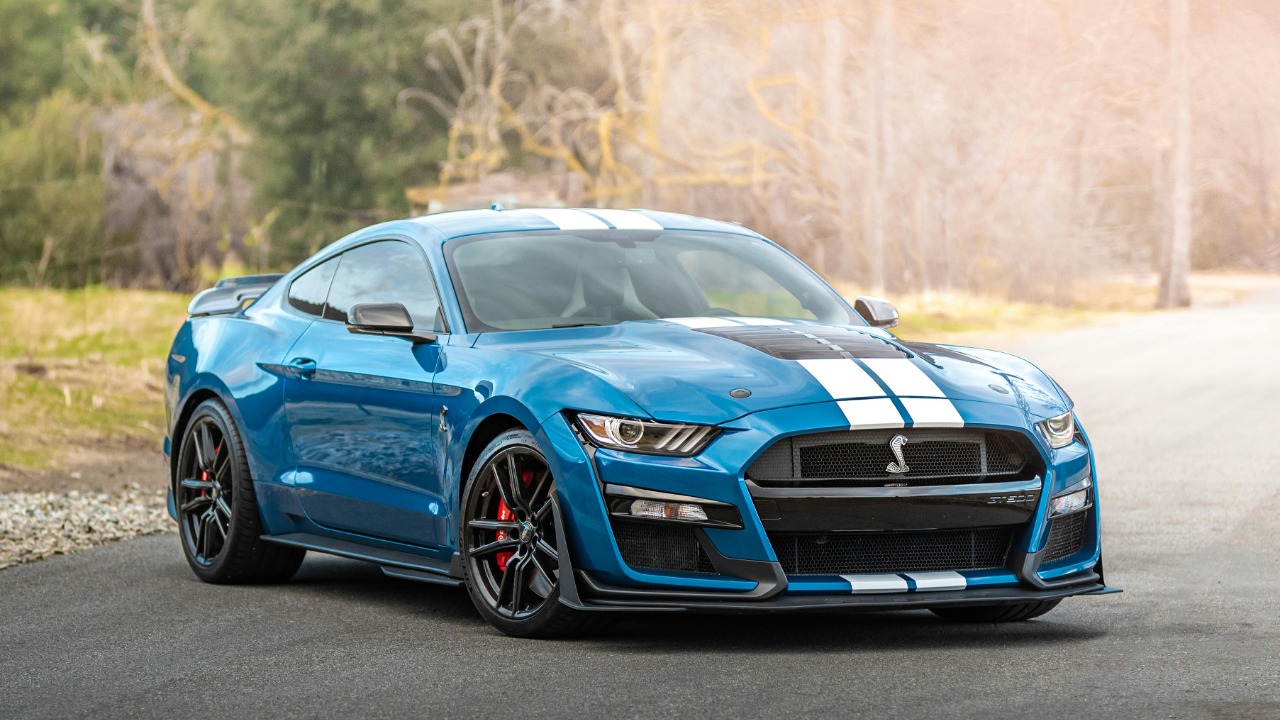
Ford uses the next generation Mustang to signal how its performance portfolio will evolve through a turbulent, electrifying decade. The car anchors traditional muscle values while quietly previewing how future Ford performance models might blend combustion, electrification, and track technology.
Design and hardware: how the new Mustang sets the template
Designers treat the latest Mustang as a rolling manifesto for how Ford intends to balance heritage and modern performance expectations. The exterior keeps the long hood and short deck proportions that define Mustang, while sharper surfacing and lighting telegraph a more technical attitude. Inside, the cockpit pivots toward digital immersion, with screens and software now shaping how drivers experience performance rather than simply displaying gauges. Engineers use this generation to refine aerodynamics, chassis stiffness, and driver interfaces so future performance models can share a common toolkit.
Product planners in COLOGNE, Germany describe how the all new Mustang upshifts its style, performance, and digital experience to transform the world’s best selling sports car into a more connected machine. Ford states that engineers took the all new Mustang and tuned every component, from steering to the engine, for maximum performance, which signals how future performance cars will prioritize integrated hardware and software tuning rather than isolated upgrades. The company positions the latest Mustang as a bridge between analog muscle and connected performance, and that positioning appears deliberate rather than cosmetic.
V8 commitment and the future of American muscle
Executives inside Ford treat the V8 Mustang as a strategic asset rather than a nostalgic indulgence, and that stance matters. The company understands that a large share of its performance credibility rests on keeping a naturally aspirated V8 alive while rivals retreat to downsized turbo engines or full electrification. Engineers therefore continue refining combustion efficiency, emissions control, and drivability so the engine can survive tightening regulations without losing character. This approach turns the Mustang into a laboratory for how long traditional American muscle can coexist with global environmental pressure.
Analysts tracking the Next Gen Ford Mustang Secures Its Future With GT500 Revival and Power note that rumors about the Mustang’s demise have persisted for years, yet Ford keeps doubling down on V8 performance instead. Enthusiast forums summarizing the Mustang relevant portion of recent strategy discussions report that Ford CEO Jim Farley shapes a broader future where the Mustang lineup stays gas powered well into the 2030s, which underscores how seriously leadership treats the car’s combustion identity. That commitment suggests future performance Fords may use hybridization selectively, preserving emotional engines where they matter most while electrifying elsewhere in the portfolio.
GTD and track tech: performance as a halo strategy
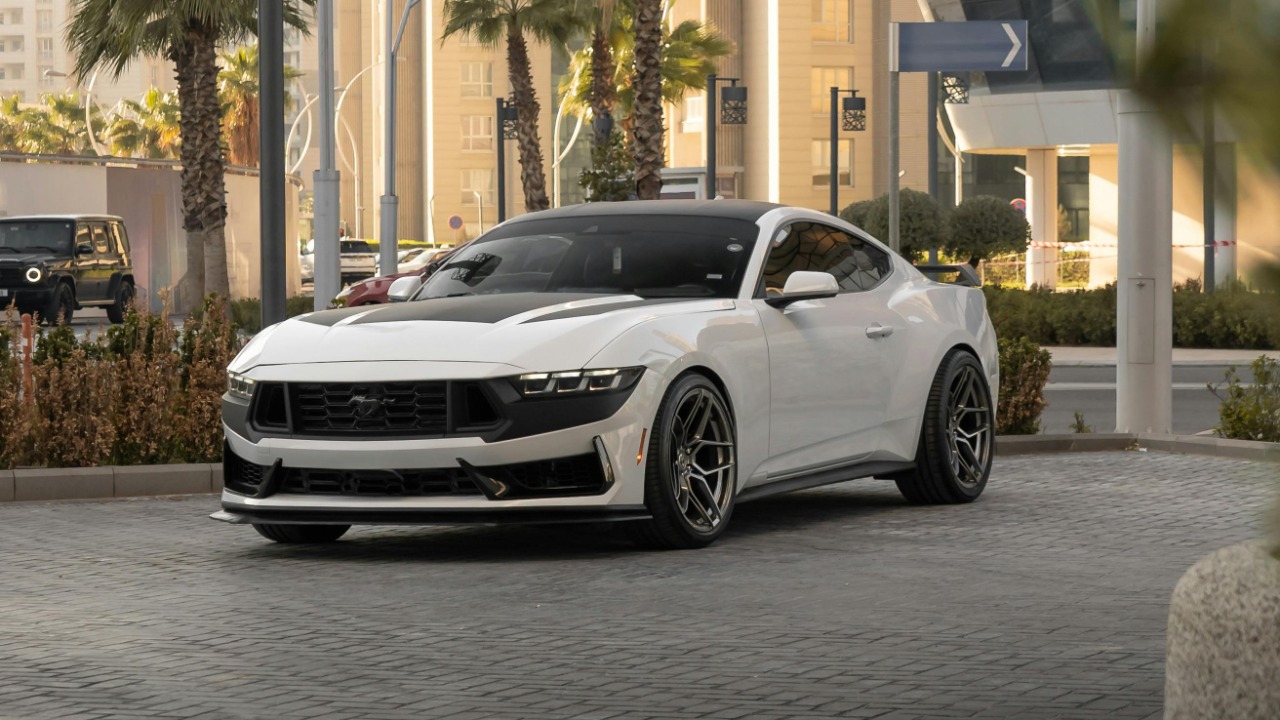
Strategists at Ford increasingly treat halo projects as technology accelerators that influence everything from suspension tuning to software control strategies. The Mustang GTD concept shows how far the brand is willing to push a road legal car toward race car territory while still wearing a familiar badge. Engineers use advanced aerodynamics, aggressive weight distribution, and motorsport inspired hardware to create a supercar level Mustang that can shape perceptions of the entire performance range. This halo effect helps justify investment in cutting edge components that might later filter into more attainable models.
Marketing materials for The Journey Begins and Performance Art describe the Mustang GTD as unlike any Mustang drivers have experienced, boldly engineered and brilliantly advanced to deliver relentless track capability. Dealers highlighting the Ford Mustang GTD emphasize that the 2025 Ford Mustang GTD stands as a testament to Ford pushing performance and innovation boundaries, preparing the brand for an exhilarating future of automotive excellence that extends beyond one model. Together, these projects indicate that Ford will keep using extreme Mustangs as rolling showcases for aerodynamics, materials, and control systems that can eventually influence broader Ford Performance Cars.
Electric Mustangs and the SUV performance pivot
Product planners inside Ford recognize that performance now stretches beyond coupes and track specials into high riding electric SUVs. The decision to attach the Mustang name to an electric SUV reflects a calculated attempt to transfer decades of performance equity into a new segment. Engineers tune the electric powertrain, chassis, and software of the SUV to deliver acceleration and handling that feel worthy of the Mustang badge. This strategy allows Ford to court new buyers who want practicality and zero tailpipe emissions without abandoning the emotional pull of the Mustang identity.
Corporate communications explain that Ford carefully considered the decision to badge an electric SUV with the Mustang name, recognizing the risk and potential reward for the Ford Mustang brand. Analysts describing the Ford Mustang Mach note that Marking Ford bold appearance in the EV market niche, The Ford Mustang helps the company leverage its iconic brand image of Mustang to generate excitement for its electric vehicle program. These moves suggest that future Ford performance products may increasingly blur lines between body styles, with SUVs and crossovers carrying as much performance significance as traditional coupes.
How the Mustang shapes Ford’s wider performance roadmap
Observers of Ford’s broader strategy see the Mustang as the organizing principle for how the company defines performance across its lineup. The car’s mix of combustion power, digital interfaces, and motorsport influence sets expectations for everything from hot hatchbacks to performance trucks. Dealers presenting The Ultimate Guide to Ford Performance Cars in 2025 describe the Ford Mustang as an Iconic Muscle Car and note that few vehicles carry as much heritage within Ford’s performance story. That heritage gives Ford permission to experiment with formats and technologies while still reassuring loyalists that the core performance promise remains intact.
Commentators covering Ford secret Mustang plans unveiled within broader News and Today sections suggest that internal roadmaps treat Mustang as both a product line and a development platform. Video creators on channels like Carcrafted the describe a 2026 Ford Mustang GT as more powerful and more elegant, framing it as the future of American muscle that integrates modern refinement with traditional aggression. These narratives indicate that future Ford performance models will likely follow the Mustang playbook, combining expressive design, strong engines, and advanced driver technology rather than choosing between heritage and innovation.
Global reach and the next decade of Mustang performance
Ford increasingly positions the Mustang as a global performance ambassador that can adapt to different markets without losing its core identity. Engineers tune variants to meet regional regulations and preferences while preserving the essential character that enthusiasts expect. Marketing teams highlight the car’s presence in Europe, Asia, and emerging markets to reinforce its status as a world sports car rather than a niche American curiosity. This global footprint gives Ford a larger canvas for testing performance technologies and business models that might later influence other vehicles.
Corporate statements from COLOGNE, Germany describe how Ford revealed the all new Mustang in Sep, presenting it as a transformed global sports car that still honors its roots. Enthusiast guides note that for decades Ford has been synonymous with performance, and The Ultimate Guide frames Ford Mustang as central to understanding Ford Performance Cars in 2025 and beyond. Electric market overviews that list the Ford Mustang Mach E among top upcoming models in India describe how Marking Ford bold appearance in the EV niche helps extend Mustang influence into new geographies. Analysts therefore expect the Mustang to remain Ford’s primary performance signal, whether through V8 coupes, GTD track specials, or high riding electric SUVs that reinterpret what a muscle car can be.


Leave a Reply