
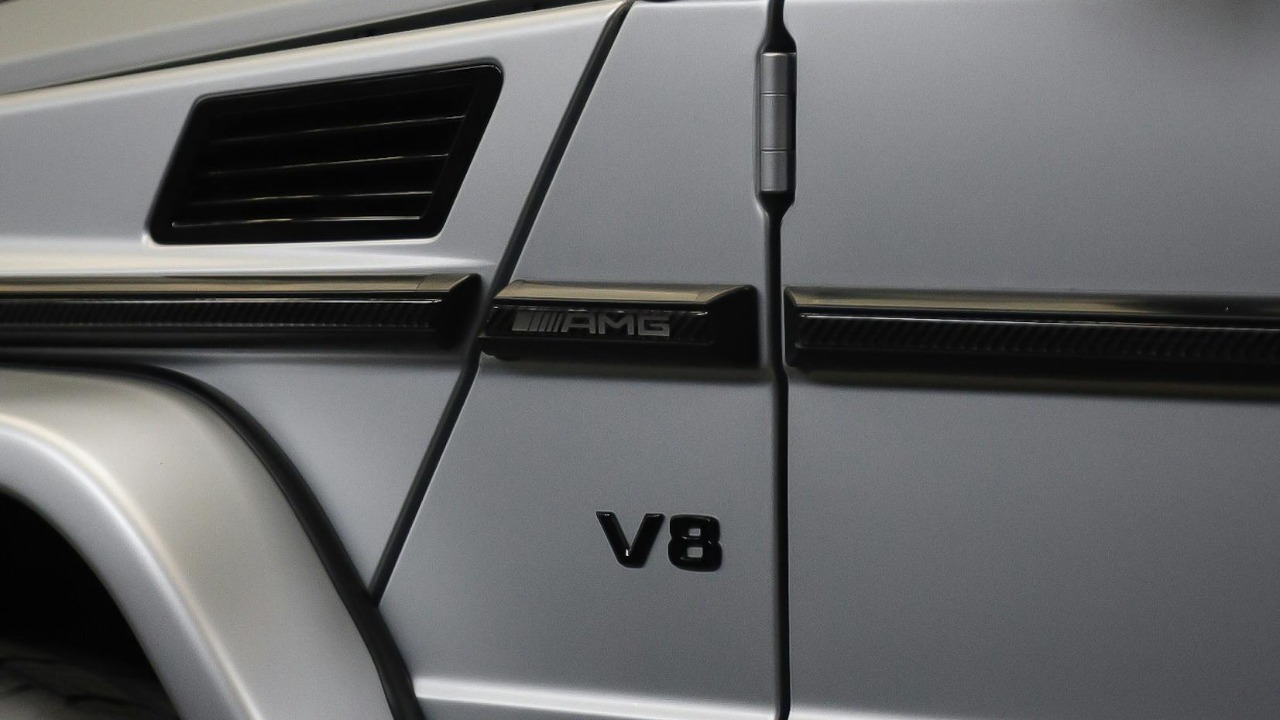
Modern V8 cars now attract a fervent audience that treats every cold start and tunnel pull like a shared ritual. Enthusiasts increasingly frame these engines as the last loud stand against a quieter, electrified future, and that urgency helps explain the cult forming around them.
The emotional charge behind modern V8 obsession
Fans describe the sound of a V8 as a physical experience that hits the chest before it reaches the ears. Engineers and enthusiasts alike highlight how the deep, throaty note triggers something instinctive, with one technical analysis noting that There is almost something primal about the sound of V8s that modern small high power engines cannot easily replace. Owners build weekend schedules around that sensation, meeting at dawn for highway runs where the soundtrack matters as much as the destination.
Modern powertrains also give devotees a convenient talking point, because contemporary V8s combine old school drama with new school efficiency. A detailed documentary notes that at no point in history have V8 engines, and the cars and trucks they power, been more powerful or efficient, explaining how advanced management systems now make modern V8s both powerful and efficient in everyday use. That blend of visceral noise and rational performance lets drivers justify their loyalty as both emotional and practical, which strengthens the sense of identity around these cars.
From muscle nostalgia to future cult classics
Contemporary V8 culture draws heavily on the mythology of classic performance icons that once defined American roads. Lists of Biggest Cult Car Classics still celebrate the Lamborghini Countach with Years Of Interest listed as 1978 to 90, alongside the Buick Grand National with its own specified Years that enthusiasts memorize like scripture. Those earlier machines created a template where limited numbers, distinctive styling, and outsized performance eventually translated into near religious devotion.
That same pattern now shapes how fans talk about current V8 models they expect to age into coveted collectibles. Analysts of emerging icons point to how everyone once lusted after the DMC Delorean, Audi Quattro, and Mitsubishi Starion, then argue that modern performance cars could follow similar trajectories as future classics. The logic suggests that today’s V8 coupes and sedans, especially those produced in shrinking numbers, may become the next generation of cult objects once regulations and tastes push them off showroom floors.
How the Dodge Challenger and Mustang anchor the movement
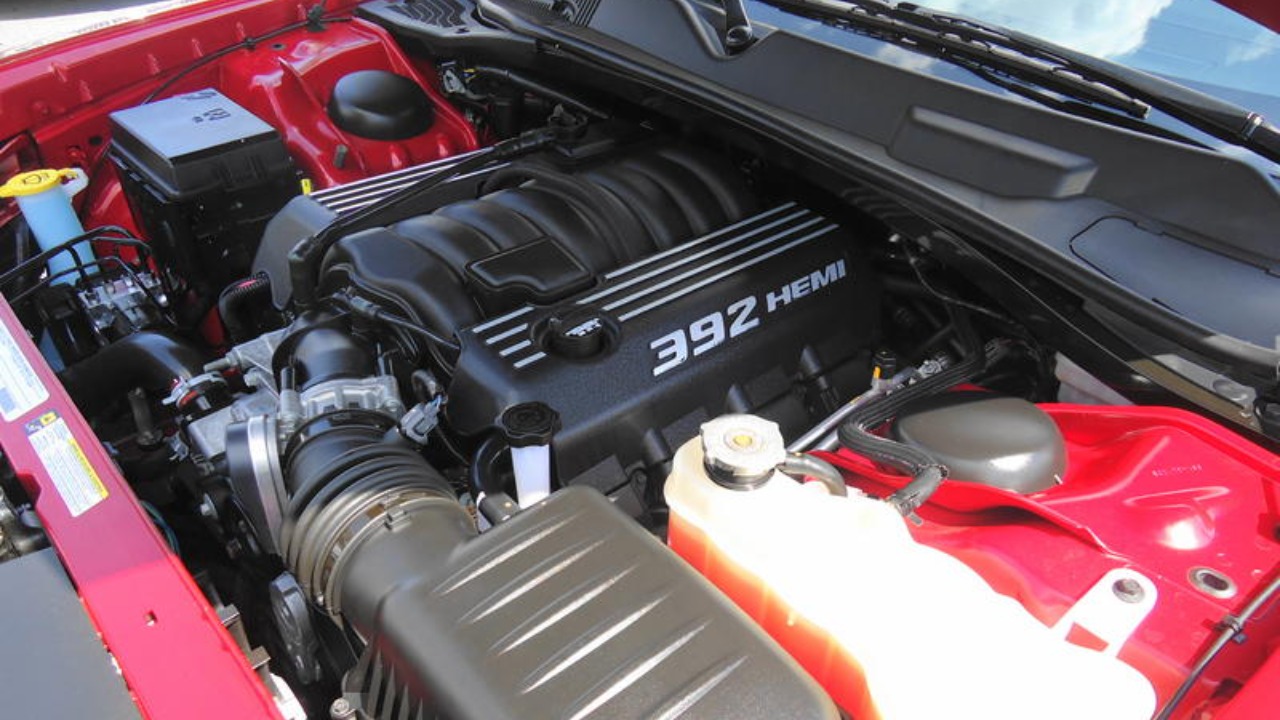
Few modern nameplates illustrate the cult around V8s better than the Dodge Challenger, which enthusiasts resurrected from near oblivion. Analysts recount how the Dodge Challenger returned after Once discontinued and nearly forgotten, then made a thunderous comeback as true Americana on modern roads. That narrative of revival feeds a sense of mission among owners, who see themselves as guardians of a car that refused to die quietly.
Ford loyalists tell a parallel story around the Mustang, which evolved from affordable coupe into global performance symbol without losing its V8 heartbeat. Historians note that no one could have predicted the Mustang, specifically the Ford Mustang, would amass a worldwide following of enthusiastic fans when it first arrived. That long running devotion now blends with modern special editions and hidden design Easter eggs, which reward deep knowledge and keep the fanbase engaged like a long running series with recurring inside jokes.
Digital tribes, memes, and the language of V8 loyalty
Online spaces now function as virtual garages where V8 owners trade advice, bragging rights, and self aware humor. One enthusiast video compiles phrases that V8 muscle car owners say, including a joke about looking like that girl from high school you always had a crush on but could never have because some douchebag owns me, which appeared in a clip uploaded in Mar. That kind of meme driven language turns the cars into characters with personalities, deepening the bond between drivers and machines.
Forum culture reinforces that identity by clustering specific models into tight knit digital neighborhoods. A widely shared Comments Section about which cars have a cult following in the USA highlights WRX, Minis, and JEEP alongside other enthusiast favorites, illustrating how certain badges attract almost tribal loyalty. V8 owners participate in similar threads, where they swap build lists, track day stories, and local meet details, turning scattered individuals into organized communities that can mobilize around events or causes.
Track days, tuning culture, and the performance arms race
Modern V8 cultists rarely leave their cars stock, instead treating tuning as a core part of belonging. Performance writers describe how Speed at its root comes from maximum power with minimum weight, noting that the venerable V8 engine once embodied that equation and still inspires builds that stuff ridiculously big engines into relatively small cars. Owners chase that formula with superchargers, freer flowing exhausts, and weight reduction, then share dyno sheets like report cards proving their commitment.
Track days and tuning meets give those modifications a social stage, turning parking lots into rolling exhibitions of mechanical creativity. Commentators on customization culture explain that One year the scene might obsess over sleek air suspension systems, then shift to turbocharged builds dominating the conversation, but the underlying passion for turning ordinary vehicles into extraordinary machines stays constant. V8 owners plug into that cycle by chasing ever higher horsepower numbers while still insisting on the signature eight cylinder soundtrack, which keeps their subculture distinct within the broader tuning world.
Car shows, nostalgia, and the sanctuary effect
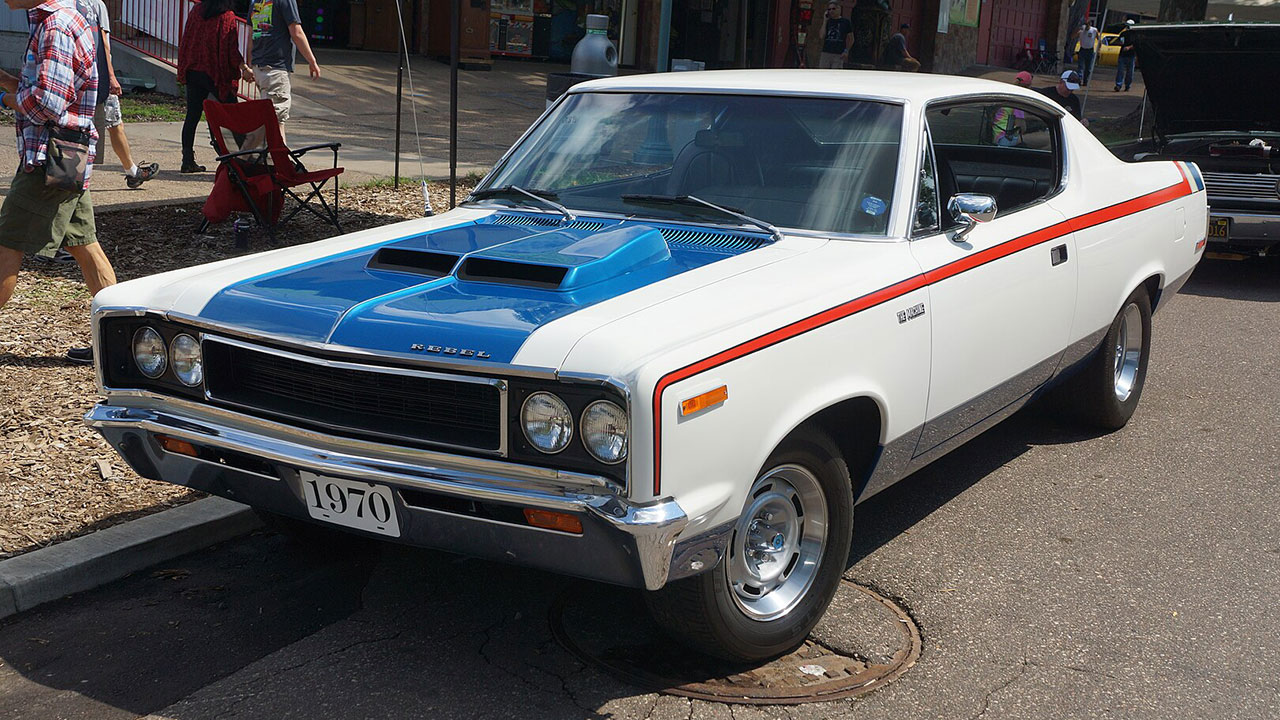
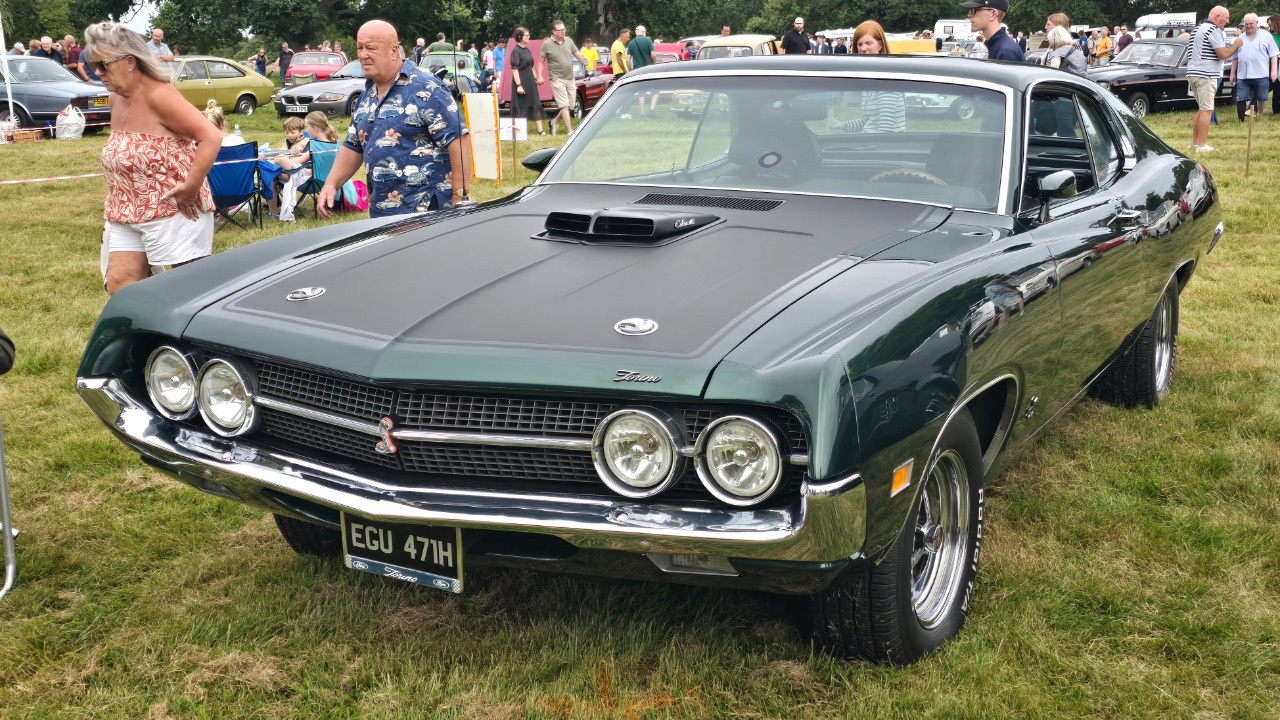
Physical gatherings still anchor V8 devotion, even as digital platforms expand the audience. Cultural analysts describe how Even as automakers shifted toward efficiency, enthusiasts refused to let muscle cars die, turning car shows, swap meets, and regional cruises into sanctuaries for preserving these powerful machines. Modern V8 owners treat those events like pilgrimages, detailing their cars meticulously before lining them up under bright lights and folding chairs.
Within those spaces, nostalgia and present day performance blend into a single narrative about resistance to automotive homogenization. Attendees walk past rows of chrome bumpers and carbureted engines before reaching late model V8s with digital dashboards, yet the conversations still revolve around displacement, torque, and quarter mile times. That continuity reinforces the idea that today’s V8 cars carry forward a cultural lineage rather than existing as isolated products, which strengthens the sense of belonging among their increasingly devoted followers.
Niche forums and the global reach of V8 fandom
Enthusiasts no longer limit their conversations to local clubs, instead building sprawling online networks that connect V8 fans across continents. Observers note that Despite a veritable infinity of information online, many enthusiasts still spend most of their time on various forums based around niche automotive enthusiasm. V8 specific boards and social media groups fit that pattern, offering build diaries, troubleshooting threads, and classified sections that keep rare parts circulating within the tribe.
Those digital spaces also help export American style V8 culture to markets where such cars remain scarce or heavily taxed. International members post photos of right hand drive conversions, import paperwork, and local fuel prices, turning ownership into both a mechanical and bureaucratic challenge. The shared struggle to keep these engines running in less hospitable environments only deepens the sense of cult like commitment, as fans trade tips and encouragement alongside torque specs and wiring diagrams.

Leave a Reply