
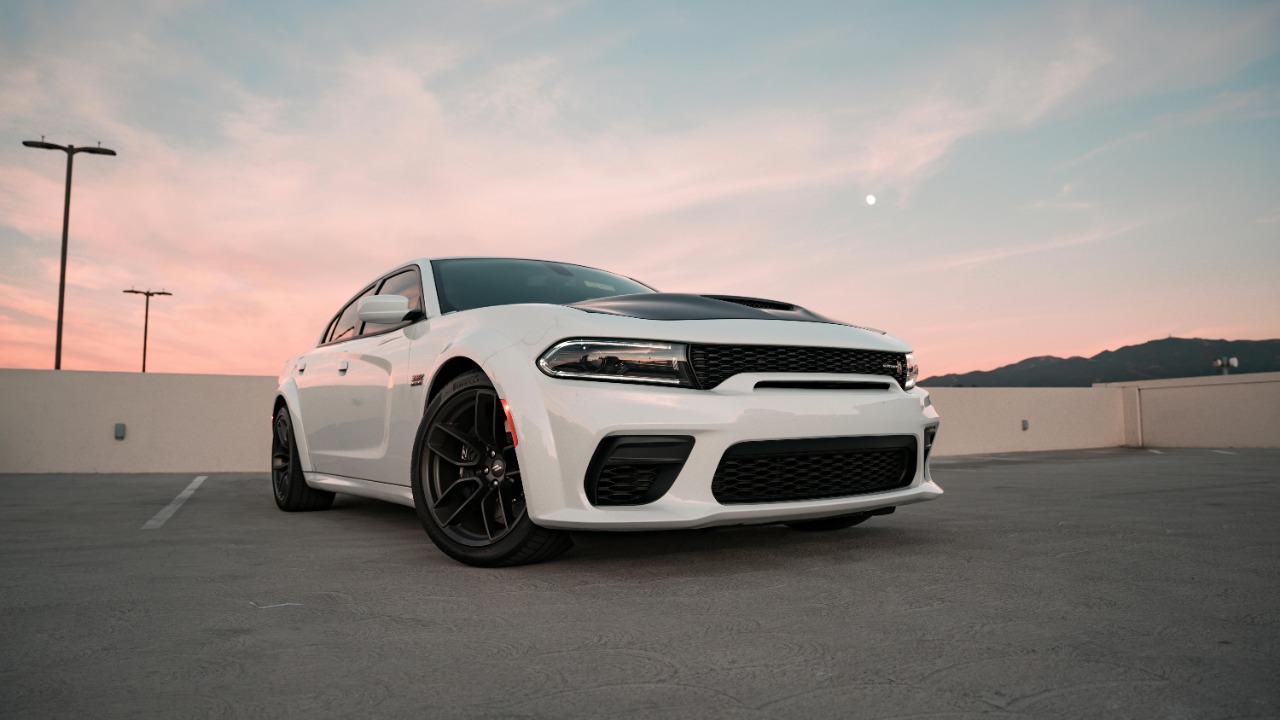
Used-car listings for supercharged V8 Dodges now function like a mood ring for American car culture and regulation. Shoppers studying Hellcat prices see not only what enthusiasts value today but also how quickly the market reacts to scarcity.
Values for these cars reveal which versions enthusiasts treat as future artifacts and which trims behave like ordinary depreciating transportation. The Hellcat era now lives on primarily through resale data, negotiation stories, and the gap between expectations and reality.
How three-year-old Hellcats test the rules of depreciation
Market watchers often start with three-year-old examples because they usually sit at the steepest part of the depreciation curve. Hellcat models from that age bracket now challenge that pattern, since many owners and dealers still ask figures hovering near original sticker prices.
Listings for a three-year-old Dodge Charger or Dodge Challenger with the supercharged 6.2 liter V8 frequently show that resistance. Analysts tracking Here describe how some sellers of a Three Year Old Hellcat Is Worth Today still chase numbers that nearly match the original MSRP. Buyers confronting those asks quickly realize that the usual discount expectations for a three-year-old sedan or coupe do not always apply to these particular Dodges.
Why certain Hellcats already behave like collectibles
Collectors rarely treat every variant of a performance car equally, and the Hellcat family now illustrates that hierarchy clearly. Special colors, limited combinations, and well documented histories already separate certain cars from the broader pool of high mileage daily drivers.
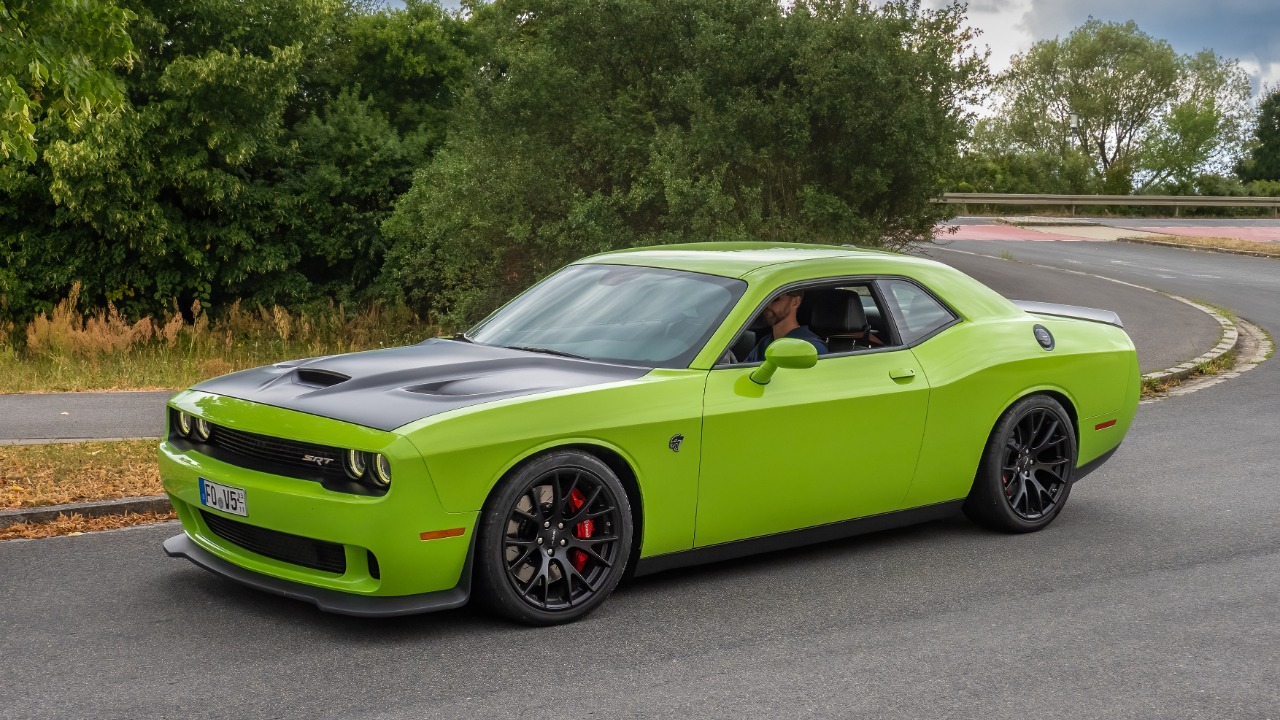
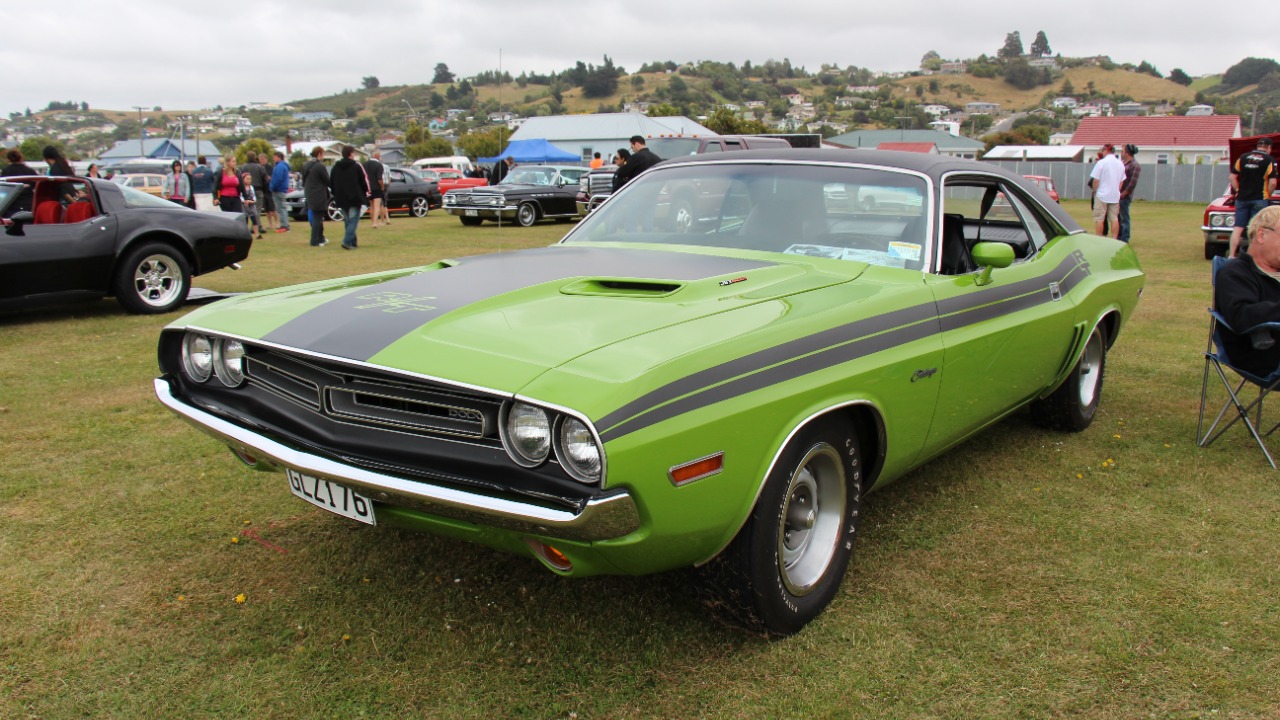
One vivid example involves the Green Dodge Challenger SRT Hellcat, which enthusiasts increasingly single out as a rising star. Commentators analyzing Stunning Reasons Why the Green Dodge Challenger SRT Hellcat Is Exploding in Value point to Hagerty’s Muscle Car index and note that this configuration gains traction in the collector car market. That pattern shows how paint choice, option mix, and perceived rarity can push one Hellcat into investment territory while others still trade like ordinary used performance cars.
How owners balance passion, risk, and resale reality
Enthusiasts who already own these cars often wrestle with conflicting instincts about enjoyment and financial prudence. Many drivers bought Hellcats to experience outrageous power on the street, yet rising used values tempt them to treat the cars like fragile assets.
Community discussions capture that tension clearly, especially when owners debate whether they will regret holding or selling. One widely shared comment within Cars on Feb argues that vehicles should not serve primarily as investments and warns that such expectations usually disappoint. That sentiment reflects a growing recognition that even desirable Hellcats still carry maintenance costs, fuel bills, and potential repair risks that can quickly erase speculative gains.
What the Hellcat market signals about performance car futures
Observers looking beyond individual listings see the Hellcat resale curve as a preview of how future high horsepower cars might age. The combination of tightening emissions rules and shifting consumer tastes suggests that supercharged V8 sedans could become historical outliers rather than templates for new models.
Used prices for these Dodges therefore function as a barometer for how much buyers still value raw displacement and noise. When a three-year-old Charger or Challenger Hellcat holds close to its original price, the market effectively votes for that formula despite rising fuel costs and growing interest in electrified performance.

Leave a Reply