
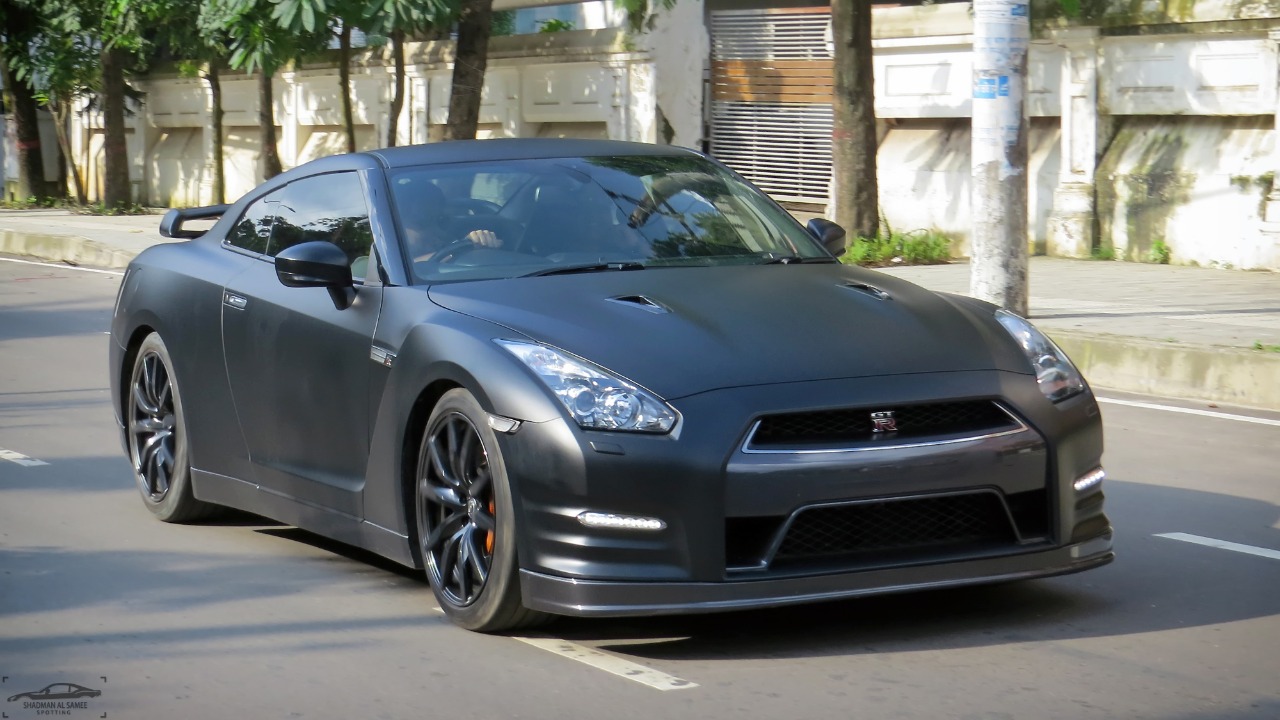
The Nissan GT-R has outlived product cycles, trend shifts, and regulatory pressure because it delivers something enthusiasts still cannot replace. Its blend of brutal acceleration, everyday usability, and obsessive engineering keeps demand alive even as production winds down. That stubborn relevance explains why the GT-R continues to survive against all odds in a market racing toward electrification.
The long goodbye: how regulations cornered a legend
Regulators did not design rules around a niche supercar, yet tightening standards steadily boxed the Nissan GT-R into a corner. Engineers kept refining the R35 platform, but emissions and noise limits eventually collided with a hand built twin turbo V6 that prioritized response over quiet efficiency. Internal planning reportedly stretched far beyond the usual lifecycle, with Nissan exploring ways to keep the car viable for enthusiasts who still craved analog feedback.
Corporate leaders even considered extending the current generation dramatically, with Sep discussions revealing that Regulations stifled plans to keep the R35 around for another 17 years. That ambition underlines how confident Nissan felt about the underlying architecture and its continued appeal. Instead of a graceful multi decade run, the car now faces a hard stop as compliance costs outweigh incremental updates. The GT-R survives in spirit because that regulatory clash turned a long running model into a cult artifact rather than a dated leftover.
Why the R35 still feels modern after eighteen relentless years
Most performance cars feel old after a decade, yet the R35 still delivers numbers that embarrass newer rivals. Its all wheel drive system, launch control, and dual clutch gearbox create acceleration that remains shocking even for drivers accustomed to current supercars. That enduring pace helps explain why buyers still chase late production models instead of waiting for an uncertain successor.
Observers note that the R35 Nissan GT-R ends production after 18 years, yet a lot of technology in modern performance cars traces back to its benchmark status. Features like sophisticated torque vectoring, configurable drive modes, and data rich displays became mainstream after the GT-R normalized them. That influence means the car still feels conceptually current, even if its cabin plastics and infotainment betray its age. The platform survives in enthusiast garages because it still defines what many consider true performance.
Everyday usability that supercars still struggle to match
Supercar ownership usually demands compromises, yet the GT-R built its reputation on doing outrageous things without wrecking daily life. Owners can commute comfortably, carry luggage, and then attack a circuit without swapping cars or adjusting expectations. That duality keeps demand strong among drivers who want one machine that handles school runs and track days with equal confidence.
Analysts often highlight what made the R35 GT-R stand out, noting that What made the R35 GT unique was its ability to blend everyday usability with supercar level performance. Unlike many rivals, the GT-R could drive to a circuit, run hard sessions, then head home the very same day. That practicality, combined with all weather traction, turned it into a realistic choice for buyers outside traditional exotic car circles. The car survives in the cultural imagination because it proved outrageous speed does not require fragile hardware or pampered storage.
Reliability and durability that encourage real mileage
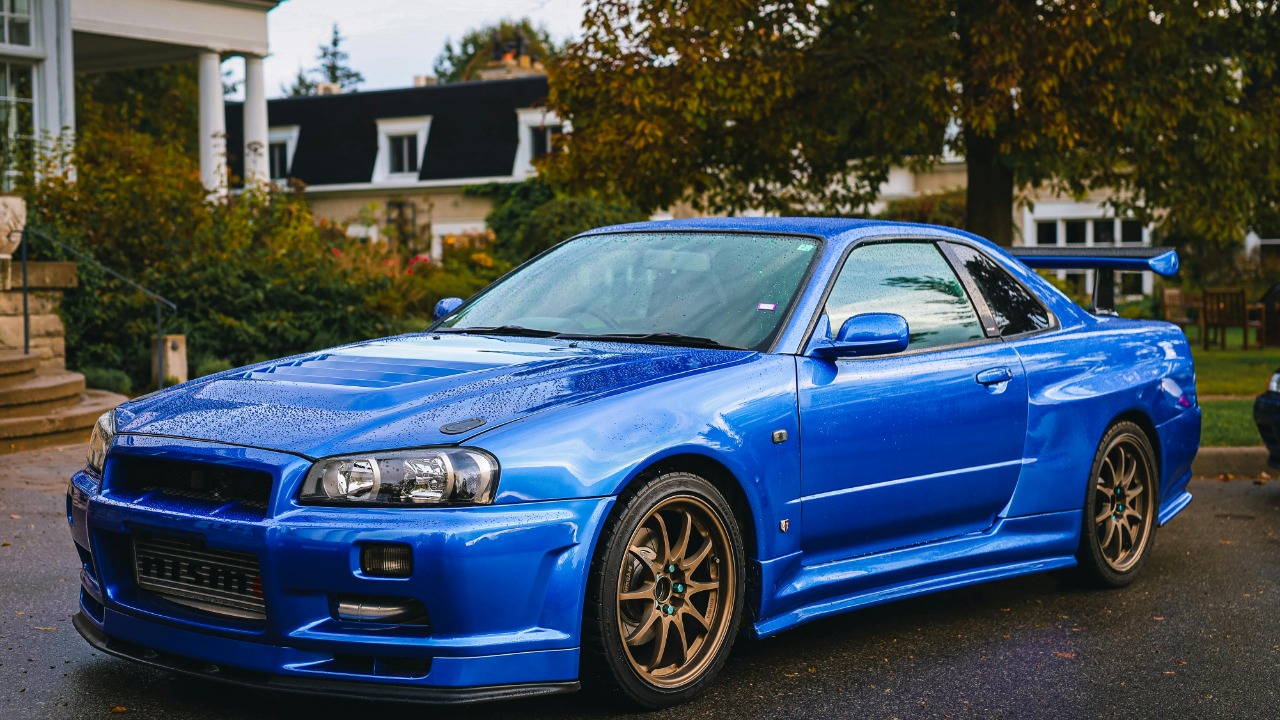
Durability separates legends from fragile toys, and the Nissan GT-R built a reputation for toughness that surprises newcomers. Specialist tuners describe the platform as unusually robust for its performance level, provided owners respect maintenance schedules and avoid reckless modifications. That resilience encourages drivers to rack up serious mileage instead of treating the car as a garage ornament.
One respected tuner notes that the Nissan GT is without doubt the most reliable and sturdy performance car they have serviced. Real world anecdotes echo that assessment, including a Reddit owner whose 2012 GT-R finally threw a rod at 155,000 miles. Over 80k of those miles reportedly came on upgraded turbos and hard use, which underscores how much abuse the drivetrain tolerates. That kind of longevity keeps used examples circulating, reinforcing the model’s presence on roads and track days long after production ends.
The “supercar killer” value equation that refuses to die
Price plays a crucial role in the GT-R story, because the car consistently delivered supercar pace for sports car money. Buyers who could not stretch to a Ferrari or McLaren suddenly had access to similar acceleration and lap times. That democratizing effect helped the GT-R carve out a loyal audience that still hunts for clean used examples.
Enthusiasts started calling it a supercar killer, and that phrase became popular because the Nissan GT delivered outrageous performance paired with relative affordability. The car earned a reputation as the people’s supercar killer, especially in markets where used prices dipped below six figures. That value equation persists today, with older R35 models offering track capable speed for less than many new sports sedans. The GT-R survives in classifieds and auction listings because it still undercuts newer exotics while matching or beating their pace.
Technological shockwave that reshaped expectations
Technology defined the R35 from launch, turning it into a rolling showcase for what electronics could do for performance driving. Early adopters recall how the car’s computers managed traction, braking, and power delivery with a sophistication rivals struggled to match. That integration of software and hardware changed how enthusiasts judged modern performance cars.
Commenters on enthusiast forums remember that When it came out, the GT-R offered what many considered the most technologically advanced all wheel drive system available. The car’s launch control, stability programming, and data rich displays set new expectations for how much assistance a fast car could provide. That impact rippled through the industry, pushing competitors to invest heavily in electronics to keep pace. The GT-R survives in engineering departments as a benchmark that forced everyone else to raise their game.
Cultural icon status that outlives the production line
Performance numbers alone rarely sustain a car’s legacy, and the GT-R’s cultural footprint now matters as much as its lap times. Generations of gamers, tuners, and motorsport fans grew up seeing the badge dominate virtual leaderboards and street racing lore. That exposure turned the car into a symbol of attainable speed rather than a distant fantasy.
Writers describing the end of the model emphasize that, In the automotive world, few names match the Nissan GT for combining brute force and technical sophistication. That dual identity resonates with enthusiasts who admire both raw acceleration and engineering nuance. Even as production winds down, the car continues appearing in media, tuning shops, and online communities that keep its mythology alive. The GT-R survives as a cultural reference point whenever conversations turn to what modern performance should feel like.
Why the GT-R’s spirit will outlast the R35 chassis
End of production does not erase the qualities that made the GT-R special, it simply freezes them in a specific generation. Enthusiasts now treat late model R35 cars as the final expression of a philosophy that prioritized driver engagement over silent efficiency. That scarcity, combined with proven durability, suggests the cars will remain active rather than disappearing into static collections.
Manufacturers face pressure to electrify, yet the GT-R’s story shows there is still appetite for combustion powered icons with clear identities. Nissan may eventually reinterpret the badge for a new era, but the R35 established a template that future projects must respect. Its mix of everyday usability, relentless speed, and approachable pricing created a blueprint competitors still chase. The GT-R survives against all odds because it solved the performance car equation in a way that remains relevant, even as the industry changes around it.

Leave a Reply