
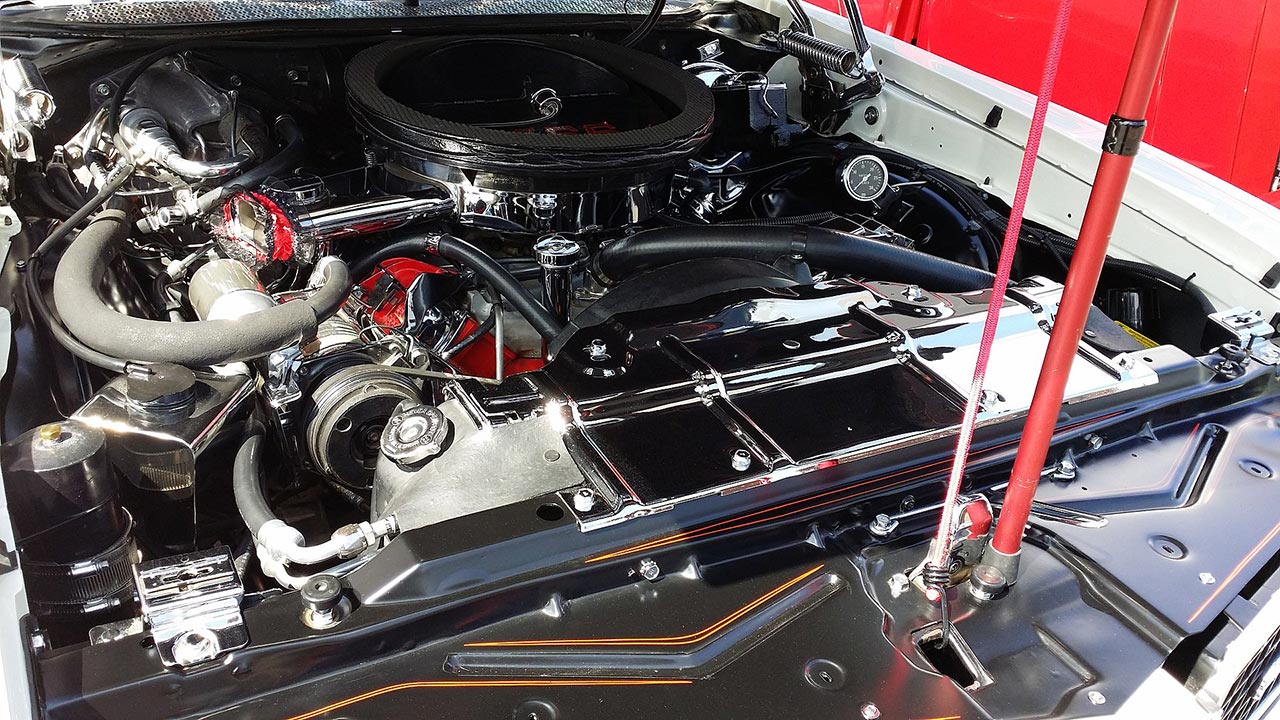
Big-block muscle cars from the 1970s keep drawing fresh attention because they deliver raw drama that modern vehicles rarely match. Collectors, builders, and younger drivers now chase these machines for their mechanical honesty, visual swagger, and surprisingly adaptable foundations.
Enthusiasts treat these cars less like fragile antiques and more like platforms for creative engineering that blends nostalgia with contemporary performance. The result turns once-forgotten iron into headline attractions at auctions, rallies, and online channels that celebrate every thunderous startup.
From street legends to modern benchmarks
Fans still point to the 1970s because those years produced outrageous horsepower figures and unforgettable silhouettes that defined American performance. The decade delivered chrome, big-block engines, and enough horsepower to make pavement tremble whenever a driver buried the throttle.
Visitors at one Illinois museum encounter that era through curated displays of the fastest 1970s cars, including big V8s shaking neighborhoods awake. Curators describe how these 1970s machines still command attention because their acceleration, sound, and presence feel visceral compared with many quieter contemporaries.
Why restomods keep the big-block dream alive
Builders now treat classic muscle as canvases for restomods that preserve style while upgrading reliability, safety, and everyday usability. Owners want the stance and soundtrack of a 1970s big-block, yet they also expect modern brakes, electronics, and comfortable interiors.
Specialists describe a movement they call The Road Ahead, where Iconic Pony Cars receive a Modern Twist that transforms ownership expectations. One shop highlights how Aug projects turn classic Mustang shells into one-of-a-kind builds that mix heritage lines with contemporary drivetrains and bespoke cabins.
Color, attitude, and the 1970 benchmark
Designers in 1970 leaned into bright colors, wild graphics, and aggressive scoops that still influence modern performance branding. Automakers used those visual cues to signal that big-block models delivered more power, more noise, and more attitude than family sedans.
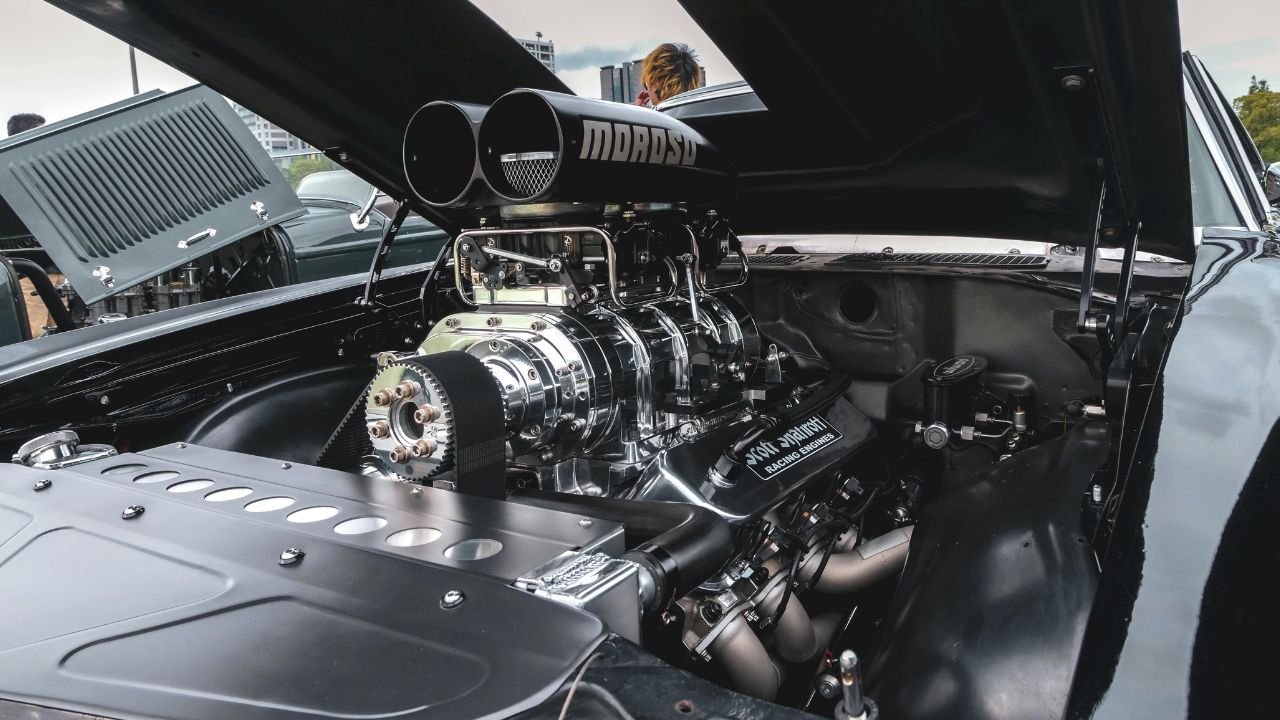
Heritage storytellers describe how 1970 featured bold blends of bright colors, fierce muscle machines, and multi-carb fuel systems on showroom floors. One retrospective notes that Feb reflections on that year still frame it as a high-water mark for unapologetic performance and youthful automotive rebellion.
Hands-on culture around old iron
Mechanically inclined fans keep 1970s hardware relevant by filming every wrench turn and sharing the process with global audiences. Viewers watch seized engines free up, rusted panels transform, and forgotten trucks fire again after years of patient troubleshooting.
One video follows a devoted team that revives a Diesel 70, celebrating how Having such a devoted team preserves old iron. The host explains that Jul footage captures not just mechanical work but also the emotional payoff when a long-dormant machine finally looks mighty fine already.
Shops that treat big-blocks like living history
Independent garages now function like living museums where 1970s engines line the walls and every project carries a story. Customers bring in barn finds, half-finished builds, and family heirlooms, then watch specialists coax life from hardware that once ruled local strips.
One channel shows Garage scenes where Nick works among lifts, toolboxes, and banners from Atlas Equipment and Kool International sponsors. Viewers see Nick diagnosing a 1970 ‘Cuda 440 engine noise, using methodical checks and test runs to protect the big-block heart that defines the car.

Leave a Reply