
Collectors increasingly look beyond headline-grabbing Shelbys and GTs, turning instead toward quieter Fords that still trade below the radar. Values for several overlooked models now climb steadily as enthusiasts recognize their historical importance, driving dynamics, and relative affordability.
Shoppers who understand this shift can still secure significant cars before prices fully reflect their scarcity and capability. The most interesting opportunities sit where period engineering, low production, and changing tastes intersect, creating a new tier of classic Fords that appreciate without constant auction hype.
Muscle-era sleepers: Ford Mustang Boss and its rising numbers
Market watchers increasingly highlight the Ford Mustang Boss variants as prime examples of muscle-era Fords that no longer sit ignored. The 1971 Ford Mustang Boss 351 in particular now attracts attention because it combines serious performance with production numbers that remain modest compared with earlier pony car icons.
Price guides tracking appreciation show the Boss 351 posting a 5.9% rise, a figure that signals growing demand among buyers who once chased only big-block fastbacks. Collectors now study the 351 cubic inch engine closely, since the Boss 351 specification delivered track-ready power in a package that many drivers previously overlooked.
Enthusiasts who follow major auction houses note that Mecum listings for the Boss 351 increasingly feature strong bidding from younger buyers. These shoppers often grew up hearing about the Ford Mustang Boss name yet find the 1971 specification more attainable than earlier homologation specials. Analysts who track transaction data point out that the Boss 351 M code cars now close the gap on more famous siblings, suggesting that the broader Ford muscle portfolio still hides value.
Full-size comfort: 1967 Ford LTD and forgotten luxury appeal
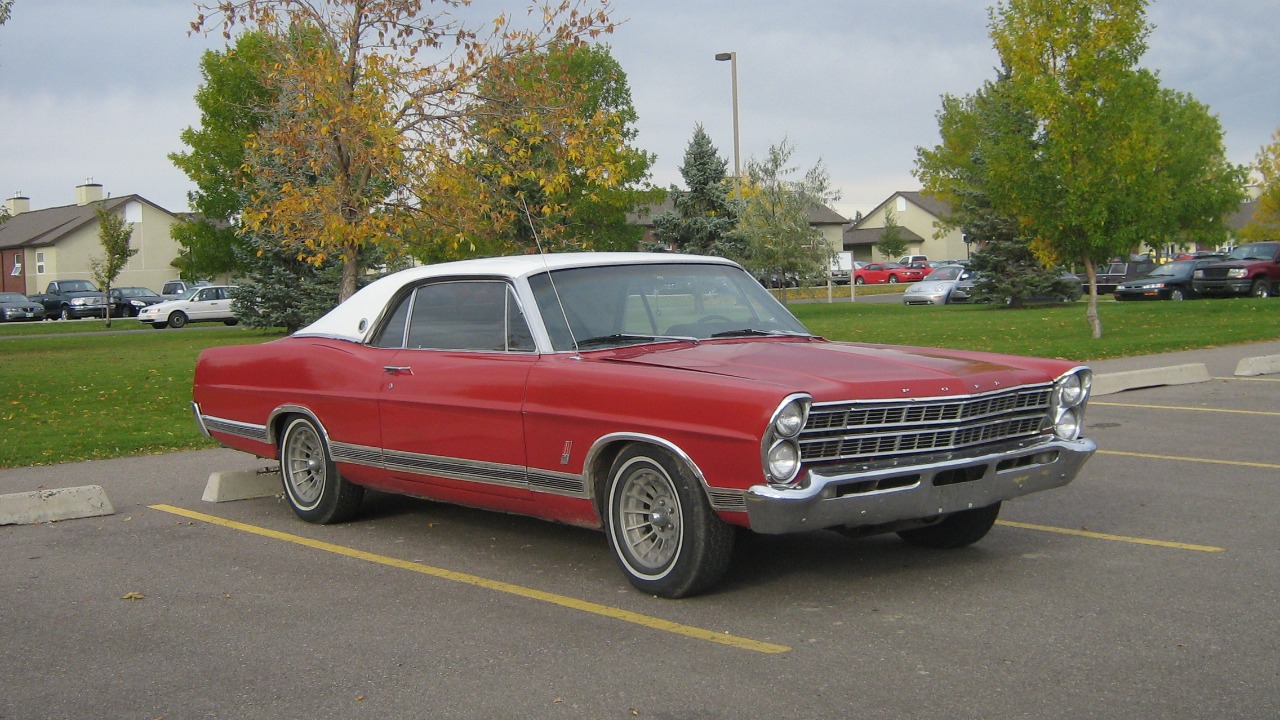
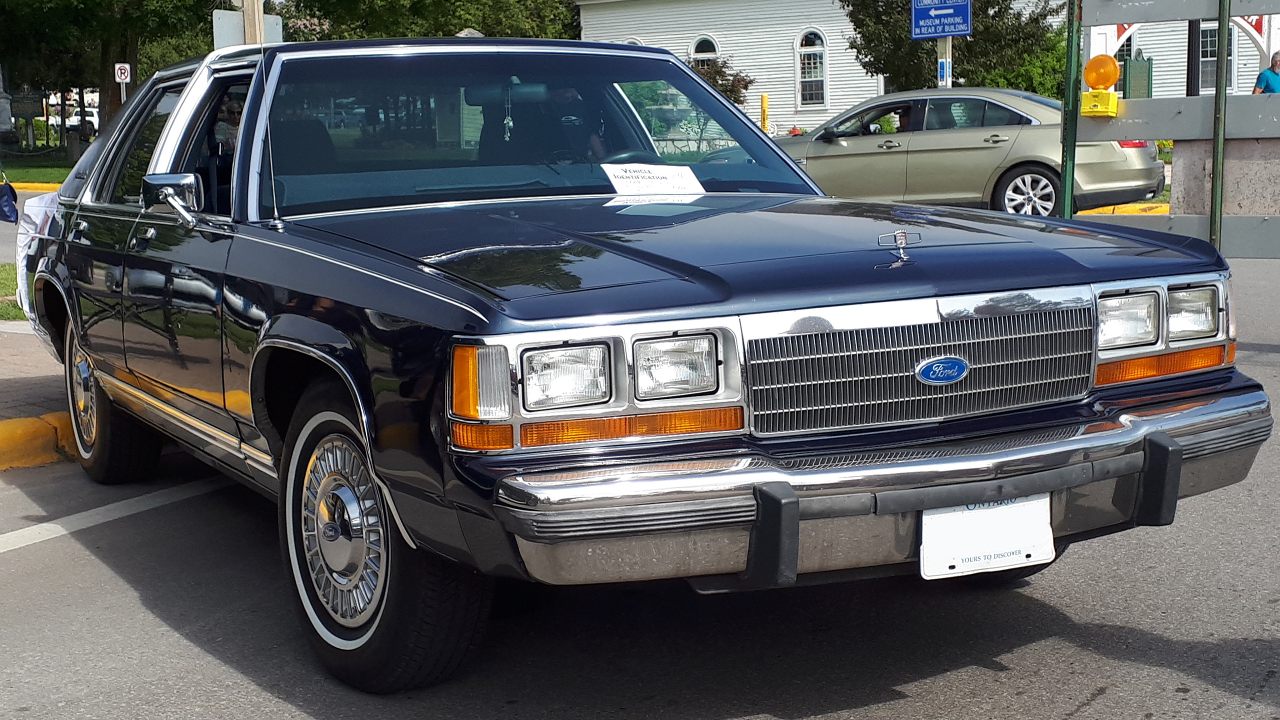
Investors who focus only on Mustangs and Broncos risk missing the quiet resurgence of full-size Ford luxury from the late 1960s. The 1967 Ford LTD illustrates how comfort oriented models, once dismissed as ordinary family transport, now gain respect as period correct cruisers with distinctive details.
Design features that once seemed like minor trim now help the LTD stand apart from generic sedans at local shows. The clear plastic inlay in the steering wheel, for example, gives the cabin a midcentury flourish that modern buyers increasingly appreciate. Observers also note factory air conditioning on many surviving cars, a feature that remained relatively rare in mainstream American vehicles during that period.
Collectors who once ignored big Fords now recognize that the LTD offered quiet cabins, smooth V8 power, and restrained styling that aged gracefully. As muscle car prices climb, some enthusiasts pivot toward these full-size models, seeking long distance comfort without sacrificing period authenticity. Auction watchers report that clean LTD examples with original trim and documented options now command stronger bids, especially when they retain that distinctive steering wheel inlay and correct badging on the front fender behind the wheel.
Early Ford workhorses: underappreciated utility gaining respect
Rising interest in vintage trucks and vans pushes collectors to revisit Ford workhorses from the early 1960s that once served quietly. These vehicles rarely appeared in glossy brochures, yet they helped small businesses, tradespeople, and delivery services operate efficiently during a period of rapid suburban growth.
Powertrain upgrades played a crucial role in turning basic haulers into more capable machines that now intrigue enthusiasts. With the addition of an optional 170-inch six producing 101-horsepower, Ford expanded its lineup to include sedan delivery and van body styles that handled heavier loads. These configurations now appeal to collectors who value practicality alongside nostalgia, since they can carry motorcycles, camping gear, or mobile workshop equipment.
Market analysts note that early Ford vans and sedan deliveries often cost less than comparable pickups, despite sharing mechanical components and period charm. Their boxy silhouettes photograph well for social media, which helps younger buyers discover them and fuels incremental price gains. As more restorers convert these vehicles into vintage campers or promotional rigs, the supply of unmodified survivors shrinks, pushing well preserved examples into the spotlight as underappreciated classics from the brand’s formative utility years.
Intermediate performance: Torino Talladega Fastback and aero Fords
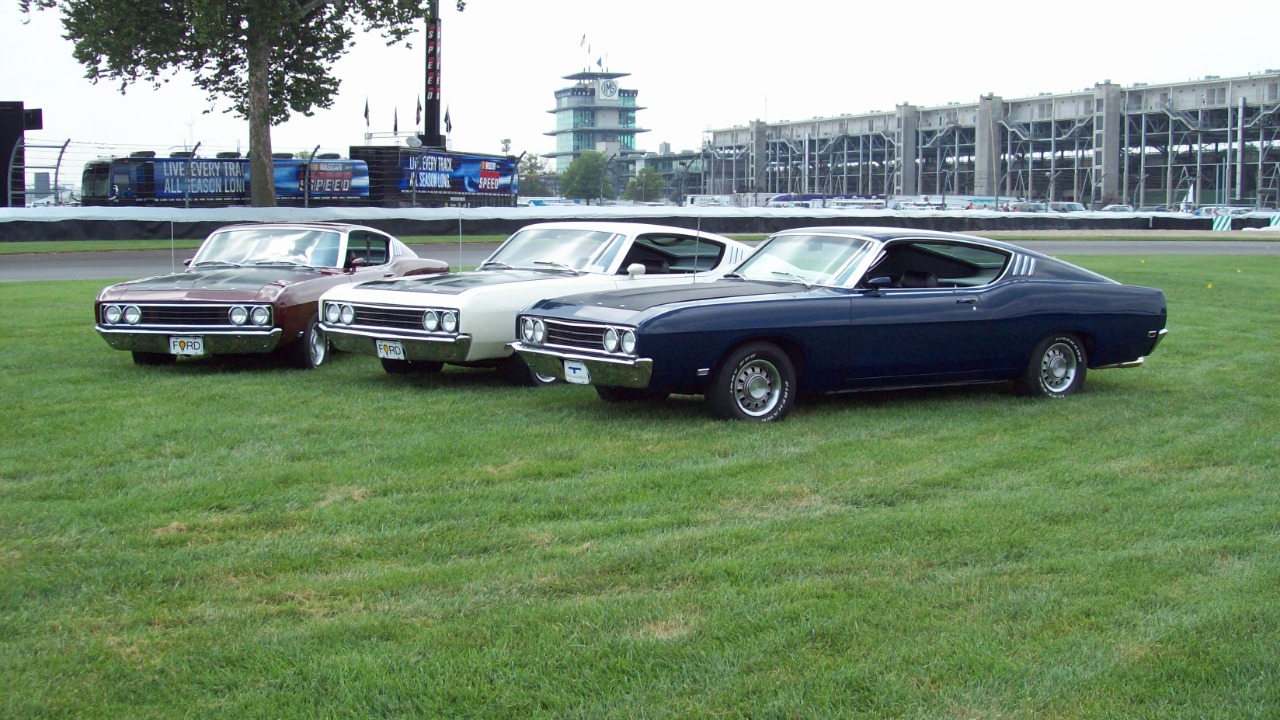
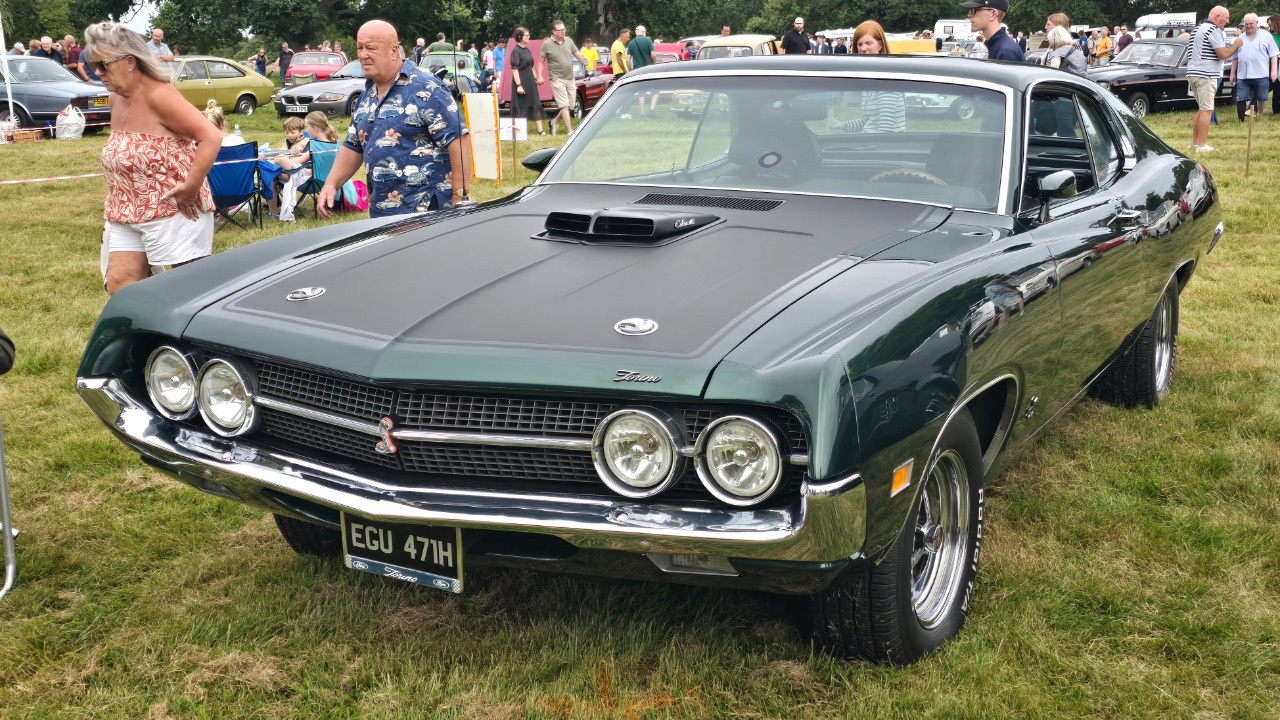
Beyond Mustangs, Ford’s intermediate muscle cars now attract renewed attention from collectors who study racing history and aerodynamic experimentation. The Torino Talladega Fastback stands out as a purpose built model that once dominated high speed ovals yet spent decades overshadowed by rival nameplates.
Specialists describe the Torino Talladega Fastback as distinctly Underrated, since many casual fans never encounter one at local events. One of the rarest Ford models ever produced, the Torino Talladega Fastback reportedly appears so infrequently that some enthusiasts would not recognize one anyway. That scarcity, combined with its direct connection to period racing, now drives a quiet surge in interest among collectors who value authenticity.
As knowledge spreads, buyers increasingly view these aero tuned intermediates as more than curiosities from a short lived rules era. Their long, tapered noses and flush bodywork represent a specific engineering response to competition, which gives them historical weight beyond simple horsepower numbers. Auction observers report that documented Talladega cars with correct drivetrains and racing inspired options now command premiums over standard Torinos, signaling that the market finally acknowledges their significance within Ford performance history.
Budget-friendly classics: overlooked Fords that still feel attainable
Rising prices for headline muscle cars push many enthusiasts toward more affordable classics that still deliver authentic period experiences. Analysts who track undervalued vehicles increasingly highlight mainstream Fords from the late 1960s and early 1970s as smart buys for drivers who prioritize usability over trophies.
Commentators who discuss cheap and great classics often single out the 1967 to 1971 Ford range as fertile ground. One detailed breakdown of Cheapest & Best Classic Cars points to these years as a sweet spot where buyers still find solid cars without paying concours premiums. Shoppers who focus on condition and documentation rather than top tier performance badges can secure comfortable cruisers that share styling cues with more famous siblings.
Broader consumer advice pieces that survey undervalued classics across multiple brands reinforce this trend by emphasizing practicality and long term ownership costs. One guide framed as a chance to Find Out which older vehicles still represent strong value leans on a Car Expert perspective. That analysis stresses how Affordable and Reliable older vehicles can still serve Families of four or More, a principle that applies neatly to roomy Ford sedans and wagons. Buyers who apply that logic to Blue Oval products increasingly discover that well maintained LTDs, intermediates, and early utility models offer both character and everyday usability, which supports their gradual appreciation as overlooked classics.

Leave a Reply