

Corvette history often gets told as a straight line from chrome bumpers to mid‑engine glory, yet reality looks messier. Generations that once seemed awkward or compromised now reveal bold experiments that pushed America’s sports car into new territory. Those so‑called oddball years deserve another look because they quietly set up the headline‑grabbing Corvettes enthusiasts celebrate today.
How “avoid” years quietly rewrote Corvette expectations
Shoppers frequently treat certain Corvette generations as landmines, repeating lists of problem years without examining what those cars actually changed. Critics sometimes point to specific models that Jun flagged as worth avoiding, yet those same cars often introduced technology or design cues that later became indispensable. Owners who chase only the safest model years risk missing the experimental edges where Chevrolet tested new ideas. Enthusiasts now reassess these periods, recognizing that imperfect execution sometimes accompanied meaningful innovation. Market values often lag behind this reassessment, creating opportunities for buyers willing to live with quirks. That gap between reputation and reality defines many of the Corvette’s most misunderstood eras.
Collectors traditionally gravitate toward obvious heroes, such as a C3 Corvette Sting Ray Coupe with the legendary 427 and 435 horsepower combination. Those headline cars overshadow less celebrated years that experimented with emissions controls, composite materials, or digital dashboards. Many of those experiments felt clumsy when new, yet they prepared the platform for later performance leaps. The pattern repeats across generations, where controversial updates eventually become accepted Corvette DNA. Understanding that pattern helps explain why some “avoid” years now look like smart, undervalued bets. The oddballs often carried the weight of transition so later icons could shine.
Design misfits that aged into cult favorites
Styling debates around Corvette generations rarely stay polite, and design outliers often take the harshest criticism. Early C4 examples, for instance, divide opinion, yet enthusiasts on Sep discussions argue that a clean C4 in good condition can look striking. Those wedge shapes, pop‑up lamps, and digital gauges once screamed futurism, then felt dated, and now read as period‑perfect. Similar cycles hit the C6, which some owners long treated as a used‑car bargain rather than a design landmark. Recent threads from Jul show fans insisting that C6 hype feels overdue rather than fake. That shift illustrates how time softens first impressions and highlights proportions, stance, and usability instead.
Later generations faced similar skepticism when they broke visual traditions. The C7’s move away from round taillights sparked fierce debate, yet One of the defining changes involved adopting a sharp, angular rear signature. That decision initially unsettled purists who equated circular lamps with Corvette identity. Over time, the angular treatment helped the car read lower, wider, and more aggressive on modern roads. Even wilder interpretations, like the Transformers inspired Centennial Corvette Roadster, tested how far Chevrolet styling could stretch while remaining recognizably Corvette. Those experiments sometimes missed the mark, yet they expanded the design vocabulary that later generations now refine. What once looked like missteps increasingly appears as necessary risk‑taking in a crowded performance market.
From front‑engine traditionalist to mid‑engine disruptor
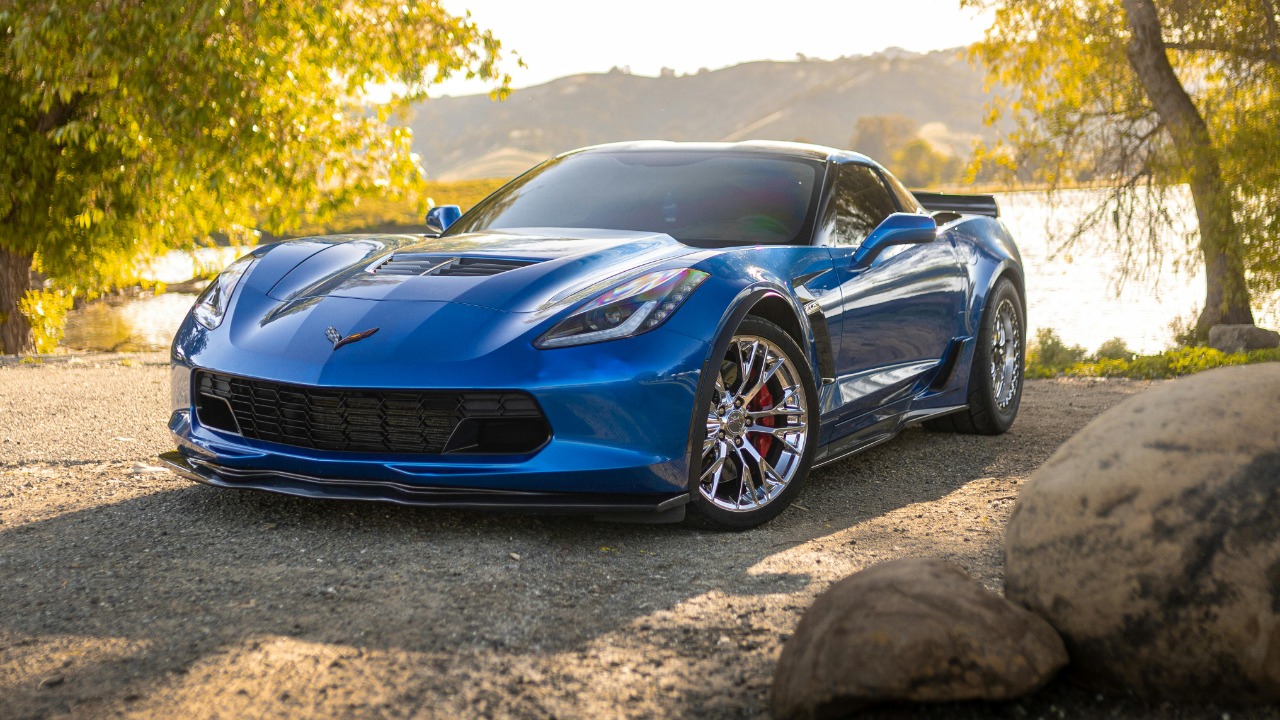
Generational oddities also emerge when Corvette engineering takes a hard turn away from tradition. The C8’s mid‑engine layout transformed the car’s silhouette and driving dynamics, prompting some fans to question whether it remained a Corvette at all. Performance numbers quickly answered that doubt, as Dec coverage framed the C8 as a Chevy built to hurt feelings. That framing captured how radically the new architecture elevated acceleration, grip, and track capability. The shift did not erase earlier front‑engine cars, but instead reframed them as the closing chapter of a long era. Owners now view late C7 and C6 models as the ultimate evolution of a classic layout. Those cars, once overshadowed by European rivals, suddenly feel like analog counterpoints to the C8’s mid‑engine precision.
Interior philosophy changed just as dramatically, and some choices initially baffled traditionalists. Designers explained that Then they stacked an audio bank, a screen, and a dramatic console spine to create a cockpit that felt special. That approach produced a driver‑centric environment that some passengers found isolating, yet it underscored the car’s supercar ambitions. The layout signaled that Corvette no longer chased only American muscle benchmarks. Analysts now argue that While its roots trace back to American performance, the C8’s configuration nudged Corvette into clear supercar territory. That leap inevitably created friction with fans who preferred long hoods and simple dashboards. Yet it also validated decades of incremental experimentation that earlier generations introduced. The mid‑engine car looks less like a sudden break and more like the culmination of many small, once‑controversial steps.
Community arguments reveal shifting tastes and hidden strengths
Online debates around Corvette generations often sound brutal, yet they reveal how enthusiast priorities evolve. Commenters in a Nov Comments Section argued that, in terms of performance, every generation improved objectively over the last. That perspective reframes older cars not as obsolete, but as milestones in a continuous climb. Fans now weigh steering feel, visibility, and analog engagement alongside lap times. Those criteria often favor generations that once seemed compromised. A C6 Z06, for example, earns praise in Jul discussions where LAXBASED highlighted admiration for both C7 ZR1 and Z06 variants. Yet the C6 still stands out for its rawness and relatively compact footprint. That balance of usability and ferocity helps explain why C6 appreciation surged after years of underestimation.
Community arguments around the C8 show how styling can overshadow performance in early verdicts. One Dec thread featured a long term Porsche and Ferrari driver who found the C8’s styling too tempting despite reservations. That perspective captured a broader tension between traditional Corvette cues and exotic proportions. Another discussion in Aug noted that the redesign made a car that looks like a supercar at a distance for roughly MSRP. That value proposition complicates complaints about vents and angles. Owners who once dismissed the C8 as overstyled now acknowledge how it democratizes mid‑engine theater. These conversations show that community sentiment rarely stays fixed. Generations that internet commenters mocked early often gain respect once people see them on streets, track days, and used‑car listings.
Why early icons and late experiments belong in the same story
Oddball generations look less strange when placed alongside the earliest Corvettes, which already mixed ambition with compromise. The first Corvette Stingray carried unforgettable rear styling that helped define the brand’s silhouette. Yet those early cars also wrestled with build quality, powertrain experimentation, and market uncertainty. Enthusiasts now treat them as sacred, overlooking the rough edges that once frustrated owners. That selective memory hints at how current misfits might age. Today’s controversial dashboards, taillights, and engine placements could become tomorrow’s cherished quirks. The same process already elevated certain C3 performance models, like the 427 and 435 horsepower combinations, from showroom curiosities to blue chip collectibles. History suggests that time rewards boldness more than safe conformity.
Later experiments, even the ones that never reached mass production, show how Chevrolet kept stretching the Corvette brief. The wild Hot and Cool debates around the Centennial Corvette Roadster, framed as possibly Not quite mainstream, underscored that appetite for risk. Those showpieces tested reactions to extreme aero, graphics, and proportions. Meanwhile, mainstream C7 models normalized sharper lines and more aggressive stances, helped by the Corvette shift to angular taillights. Each step nudged buyers toward accepting the C8’s supercar silhouette. When enthusiasts now argue over which generation ranks best, as seen in Top Commenter debates, they effectively compare different stages of one long experiment. The so‑called oddballs deserve another look because they carried the risk that allowed later Corvettes to feel inevitable.

Leave a Reply