
Collector taste is tilting sharply toward experiences, stories, and technology, and many traditional sellers of cars and memorabilia look unprepared. Enthusiasts now treat a garage like a curated gallery, and the shift in priorities is already reshaping prices, inventory, and negotiating power.
From blue-chip classics to character-rich drivers
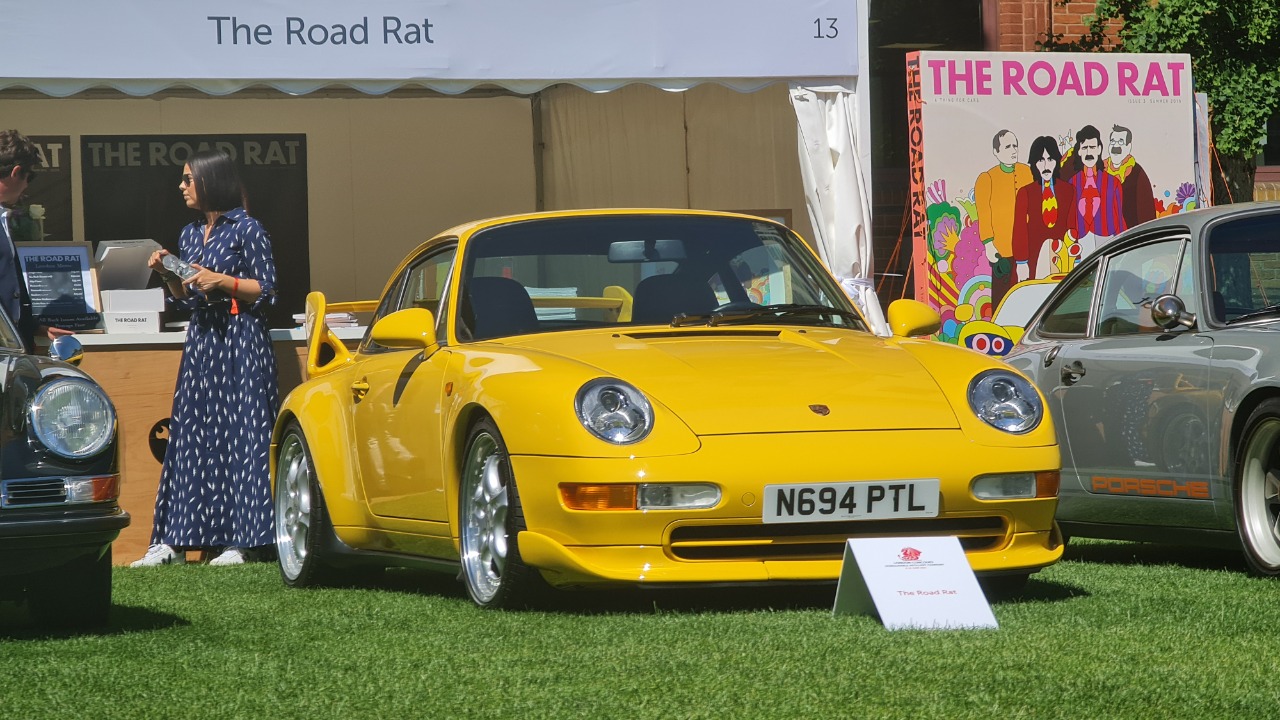
Collectors increasingly chase cars that feel personal rather than merely prestigious, favoring story-rich drivers over spotless trailer queens with thin narratives. Many buyers now treat a well-used 1995 Porsche 911 with track stickers and service binders as more compelling than a museum-stored equivalent.
Market behavior in art and antiques mirrors this pivot, with Antique Investing for the Future highlighting how Jan trends reward pieces carrying visible history and emotional resonance. Car sellers who still price solely by mileage and concours scores ignore how this same emotional premium increasingly shapes bids in high-end garages.
SHIFTING PREFERENCES FROM CLASSIC to CONTEMPORARY metal
Garage lineups now echo the art world, where collectors show SHIFTING PREFERENCES FROM CLASSIC TO CONTEMPORARY and reward bold experimentation over safe heritage. Many younger buyers happily park a widebody Tesla Model 3 beside a 1990s Honda NSX, then skip the prewar Bentley entirely.
Evidence from global art buyers shows how SHIFTING tastes push galleries and auction houses to feature more living artists in headline shows. Similar forces now pressure car auction platforms to spotlight contemporary tuners, electric restomods, and coachbuilt specials instead of leaning exclusively on blue-chip Ferraris.
Financial conditions quietly reward the bold garage
Macro conditions give collectors more confidence to experiment, as Financial markets recovered earlier losses and stabilized appetite for alternative assets. With inflation staying contained, many enthusiasts feel comfortable allocating more capital toward cars that deliver enjoyment rather than purely defensive storage.
Analysts tracking the art market note how Financial resilience supports continued spending on contemporary creators. Car buyers follow a similar pattern, redirecting budgets from ultra-conservative investments into modern performance SUVs, limited-run track specials, and high-spec EVs that promise daily thrills.
Digital collectibles reshape how enthusiasts value rarity
Collectors now treat scarcity in software and tokens as seriously as scarcity in sheet metal, reshaping expectations around automotive memorabilia. A rare digital render of a Group B rally car or a limited-run racing game skin can influence how fans perceive the real vehicle.
Market analysts describe a powerful Market Trends wave, with a Rise of Digital Collectibles and Blockchain Technology transforming how The Global collectibles market defines ownership. Car brands experimenting with tokenized build slots or blockchain-verified provenance tap into this appetite, while traditional dealers who ignore it risk sounding outdated.
Nostalgia drives both dashboards and digital garages
Demand for nostalgia now stretches from physical dashboards to digital garages, as fans chase childhood icons across multiple collecting formats. A buyer who grew up with a PlayStation garage full of Skylines and Supras now wants both the real car and its virtual twin.
Analysts tracking Why Demand for Collectibles stays Rising highlight how culture and nostalgia drive appetite for both physical and digital items, making digital ownership feel as natural as physical ones. That same dynamic, described in Why Demand for Collectibles, helps explain why limited digital posters of legendary Le Mans cars now sell out alongside die-cast models.
Where The Wealthy Are Spending On Collectibles with wheels
High net worth buyers still dominate the top of the market, yet their spending patterns increasingly favor experiences and diversification. Wealthy collectors now split budgets between track memberships, race hospitality, and curated collections that mix art, watches, and rare cars under one roof.
Research into Where The Wealthy Are Spending On Collectibles shows Sales of higher-priced postwar and contemporary art falling by 19 percent while overall collectibles could reach $422.56 billion by 2030. Those figures, detailed in Where The Wealthy Are Spending On Collectibles, suggest affluent garages will keep evolving into broader lifestyle portfolios instead of isolated car stables.
Hot categories catch dealers staring at yesterday’s price guides

Some segments heat up faster than traditional dealers can update their spreadsheets, leaving sharp private buyers to capture the upside. Interest in obscure JDM kei trucks, homologation specials, and limited-edition off-roaders now rivals enthusiasm for long-established muscle icons.
Financial coverage of 4 hot collectibles lists Trending Tickers like BYND at 1.3400 with 36.48%, MDB at 328.87 with 1.05%, and SNPS at 438.29 alongside CRDO, underscoring how quickly speculative categories can move. That same volatility, highlighted in Trending Tickers, now appears in auction results for limited-run performance SUVs and manual-transmission sports sedans.
Collectors choose intimacy over investment-grade perfection
Enthusiasts increasingly prioritize how a car fits their life over how it fits a spreadsheet, choosing intimacy over abstract investment metrics. Many buyers now spend more time behind the wheel before committing, asking how a car feels on their commute or favorite backroad.
Reports from Jul show Market analysts observing collectors spending more time with pieces before purchasing and relying less on advisors, a pattern echoed in Market commentary. Car sellers who still push quick deposits and sight-unseen deals risk alienating buyers who now demand test drives, build sheets, and transparent histories.
Mid Century Modern Furniture mindset hits the garage
Design-focused collectors who once hunted Mid Century Modern Furniture now apply the same eye to dashboards, silhouettes, and interior materials. A clean 1980s Mercedes W126 or Saab 900 Turbo suddenly feels like the automotive equivalent of a teak sideboard.
Guides explaining how One category that has remained popular involves Mid Century Modern Furniture, with designers like Arne Jacobsen and Hans Wegner, show how design literacy spreads across categories. That sensibility, captured in Mid focused collecting, helps explain why Radwood-era cars with original fabrics and period-correct wheels now command surprising premiums.
Changing Collector Priorities Today reshape secondary car markets
Secondary markets for cars now reflect Changing Collector Priorities Today, with buyers demanding transparency, sustainability, and fairer access to desirable models. Younger enthusiasts especially want platforms that feel less like old boys’ clubs and more like open, data-rich marketplaces.
Analysts note how Younger buyers value digital tools that let them research provenance and pricing without relying solely on galleries, a trend mirrored in online car auctions. That shift, detailed in Changing Collector Priorities Today, pressures dealers to publish inspection reports, ownership chains, and even emissions data alongside glossy photography.
Galleries and garages both pivot toward experience
Art Galleries learned that Pandemic era PDF sales no longer satisfy collectors who crave in-person experiences and deeper engagement with work. Car buyers show similar fatigue with sterile online listings, preferring events, rallies, and curated previews where they can feel and hear machines.
Reports describing how Galleries adapt after the Pandemic and move beyond static PDF presentations highlight a broader experiential shift, echoed in Galleries coverage. Dealers who host track days, design talks, or coffee meets around new inventory now align better with what modern collectors expect.
Luxury auction houses chase broader automotive audiences
Luxury auction houses expand their menus, treating cars as part of a wider lifestyle ecosystem that includes fashion and contemporary culture. A single sale might now feature a 1960s Ferrari, a limited-edition sneaker collaboration, and a concept car sketch from a major studio.
Analysts note that Part of recent luxury growth comes from more expansive merchandise across categories and price points, making auctions feel more inclusive. That strategy, outlined in Part of the luxury boom, encourages car sellers to think beyond traditional marque boundaries and collaborate with fashion weeks or design fairs.
Social Media It accelerates taste shifts faster than price guides
Social feeds now move collector sentiment faster than any printed price guide, leaving slower sellers reacting instead of leading. A single viral clip of a manual-swapped BMW wagon or lifted Porsche 911 can reset demand within days.
Media observers note that Share on Social Media It becomes hard to track fast-moving changes in the online space, especially around taste. That reality, described in Share analysis, means car dealers must monitor enthusiast communities closely or risk stocking yesterday’s heroes while tomorrow’s favorites surge elsewhere.

Leave a Reply