
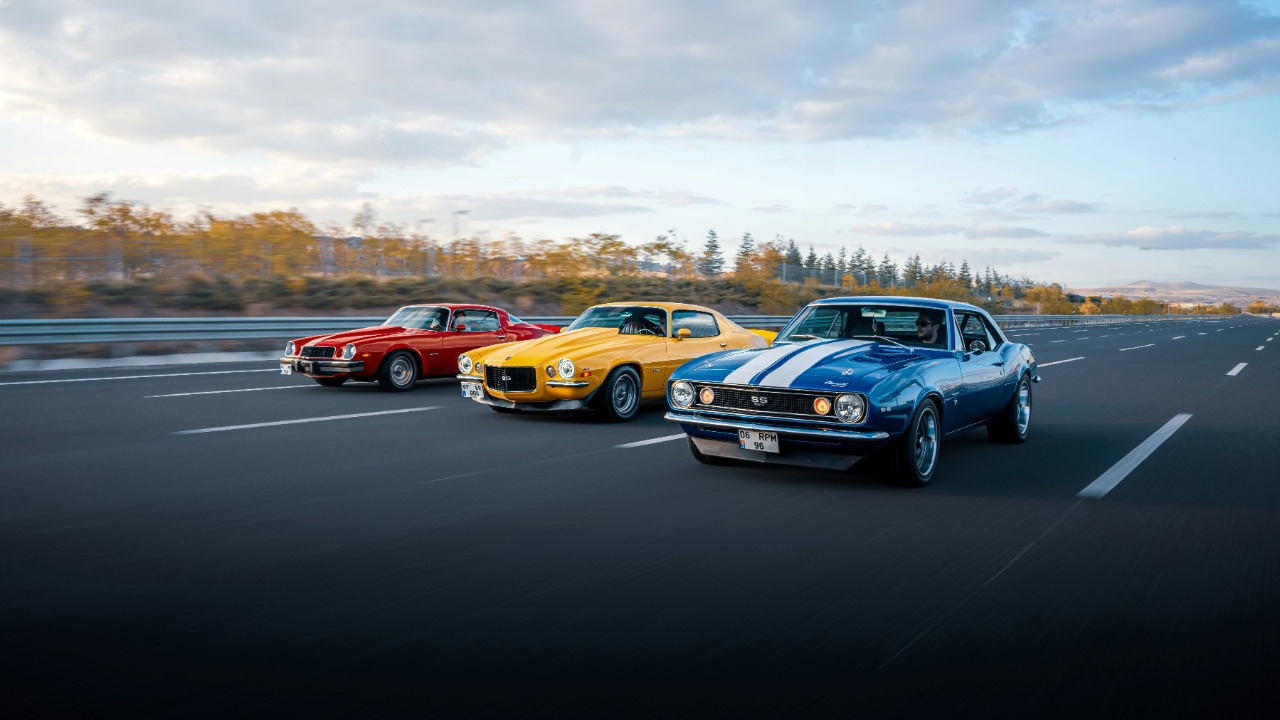
Muscle car loyalists expected auction prices to keep climbing forever, yet gavel results now jolt even seasoned bidders into silence. Collectors who once treated big block coupes like blue chip stocks now confront a market where some legends trade for surprisingly modest money.
Auctions reveal a market that finally blinked
Collectors who track every televised auction now watch estimates miss high and reserves quietly lift as bidding stalls earlier. Analysts who study sales data in the US describe a collector arena that enjoyed uninterrupted gains before recording two straight years of faltering prices, with some segments down while others still edge up slightly, a split captured in detailed breakdowns of In the US trends.
Market watchers who walk auction halls report rows of unsold lots and hammer prices that undercut pandemic era highs by wide margins. Commentators like Mar, speaking in videos that frame classic car prices as crashing, now urge enthusiasts to treat the pullback as a chance to buy if a reasonable deal appears and the car still sparks excitement, a sentiment echoed in one widely shared Mar analysis.
Why muscle icons suddenly look vulnerable
Enthusiasts who grew up idolizing big block Chevrolets and Hemi Dodges now confront a demographic shift that weakens their bidding power. Commentators at major sales describe how there are Not as many classic cars from 75 to 95 crossing blocks, because Old guys who loved the 60s classics of their youth are dying off, a blunt demographic reality highlighted during a Not discussion.
Generational tastes also shift toward Japanese performance and newer technology, which dilutes demand for traditional Detroit muscle at the margins. Analysts in one Apr discussion explain that an increase in supply, including more Japanese origin cars and JDM standouts, naturally pressures prices across categories as sellers compete for limited attention, a dynamic spelled out in a detailed Japanese segment.
From “CRASHED” headlines to buyer friendly reality
Headlines that declare The Classic Car market has CRASHED grab attention, yet they also mask a quieter benefit for ordinary enthusiasts. Commentators in one Mar video argue that while investors lament shrinking returns, Long time hobbyists and every Enthusiast who simply wants to drive something special finally see realistic asking prices, a perspective captured in a provocative The Classic Car piece.
Writers who track global trends describe a silver lining where affordability returns after years of speculative froth on even modest classics. One analysis frames the pullback as the best time in years to reenter the hobby, arguing that But lower prices mean Many of the cars once priced beyond reach now offer more opportunities to get into the hobby, a point underscored in a detailed But breakdown.
Muscle legends that no longer command peak money
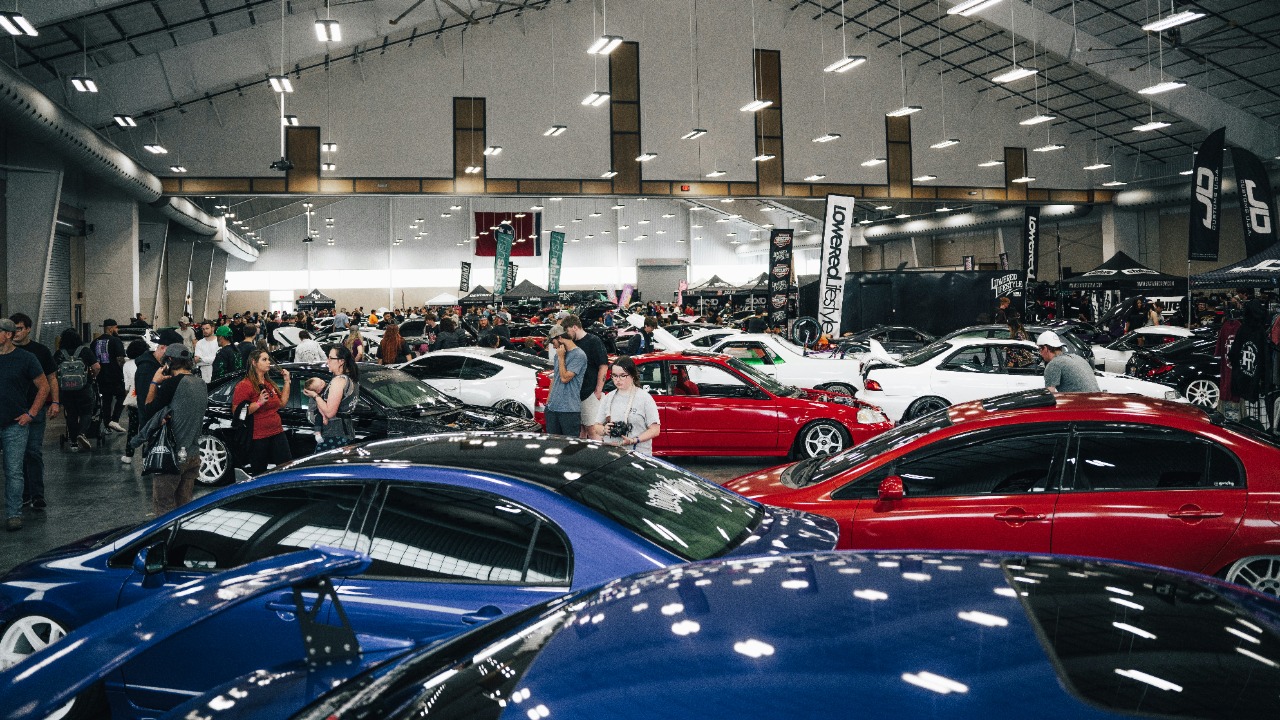
Specific muscle legends now illustrate how far expectations drifted from current auction reality, shocking owners who assumed endless appreciation. Analysts in one video titled Muscle Car MARKET CRASH?! explain that Are you a muscle car enthusiast watching market trends, then Prepare for the revelation that at least five revered models have experienced a notable decrease in value, a message delivered in a widely circulated Are segment.
Even brands that built their reputations on unshakeable resale strength now see more nuanced outcomes across trim levels and eras. Big Buck Beauties Dodge muscle cars still retain strong value well beyond their operating years, and Even some of the brand’s most expensive auction finds continue commanding serious money, yet lesser examples no longer ride the same wave, as chronicled in a heritage focused Big Buck Beauties Dodge feature.
Global pricing pressures reshape expectations
Shifts in new car pricing worldwide also influence how buyers value older performance machines, including American muscle exported abroad. Reports from Brazil describe how several automakers announced surprising discounts of up to R$80 thousand on brand new cars, prompting shoppers to ask whether the cuts reflect errors or deliberate strategy, with experts suggesting that According to some analysts the reductions correct previous pricing mistakes rather than pure generosity, a pattern detailed in one According report.
Collectors who once justified six figure bids by comparing them with showroom stickers now recalculate when modern horsepower suddenly feels cheaper. The psychological anchor that once made a rare 1970 coupe seem like a bargain next to exotic hypercars weakens when buyers remember that the 10 most expensive cars ever sold at auction sit in a different universe entirely, with one list of such sales reading like a fantasy of unobtainable machinery, as chronicled in a survey of the 10 most expensive results.
Is this the calm before another surge
Veteran observers caution that markets rarely move in straight lines, especially in emotionally charged niches like classic muscle. Commentators in one Oct discussion ask whether the classic car market feels dead or simply quiet before another storm, noting growing online chatter and suggesting that current softness might precede renewed enthusiasm once economic uncertainty clears, a possibility raised in a reflective Oct video.
Design historians also remind collectors that nostalgia cycles often revive interest in overlooked eras once younger buyers gain spending power. Speakers in an insider seminar describe how people Find out more about Hagerty and its role as a definitive source for all things classic, promising as much roaring engines and nostalgia as anyone can handle, a reminder that emotional connection often outlasts temporary price dips, as highlighted in a wide ranging Find seminar.
Enthusiasts adapt while investors reassess
Investors who treated muscle cars like short term trades now confront a landscape that rewards patience and genuine passion more than spreadsheets. Analysts who frame the downturn as a correction argue that earlier speculative spikes priced out core fans, and that current levels finally let people who actually drive their cars reenter the scene, a theme echoed in several market crash commentaries that stress opportunity alongside risk, including one bluntly titled Old segment.
Seasoned collectors increasingly separate trophy chasing from genuine enthusiasm, focusing on cars they love rather than speculative flavor of the month. Commentators in multiple videos and essays argue that while some segments look bruised, the broader culture around classic machines still thrives, with one Mar piece even celebrating that the market crash means Long live the Enthusiast who values driving over flipping, a sentiment that resonates across discussions of crashed valuations.

Leave a Reply