
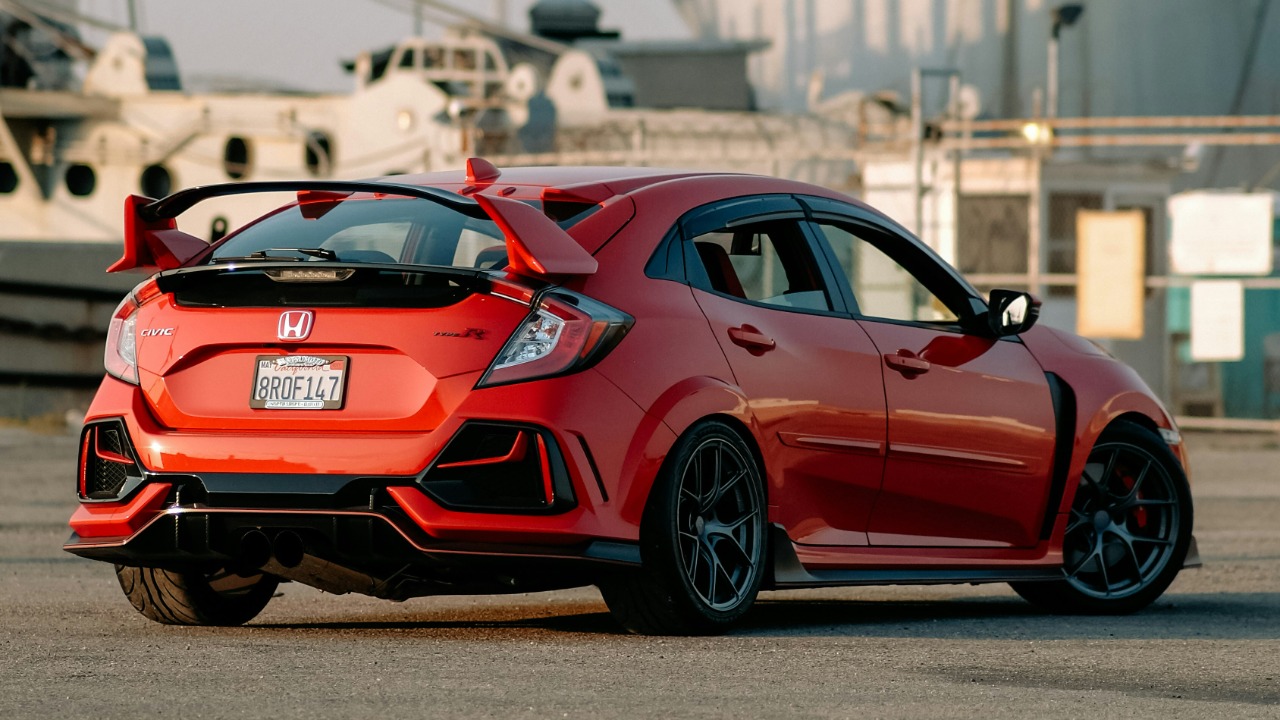
Performance used to be a luxury reserved for buyers with deep pockets, but the latest crop of budget-friendly sports cars and tuned sedans is rewriting that rule. Even as prices climb across the market and traditional muscle cars fade, a new generation of compact coupes, hot hatches, and entry supercars is delivering serious pace without six-figure stickers. The rising stars of this cheap-performance space are defined less by brute force and more by agility, efficiency, and clever engineering.
For enthusiasts, that shift means the most engaging cars are no longer always the loudest or the largest. Lightweight chassis, sharp steering, and smart drivetrains are turning everyday platforms into track-capable machines that still make sense as daily drivers. The result is a fragmented but vibrant landscape where a tuned front-wheel-drive sedan can be as exciting as a traditional rear-drive coupe, and where the line between “sports car” and “supercar” is increasingly blurred at the lower end of the price spectrum.
The new definition of affordable performance
The modern budget performance car is less about raw displacement and more about balance, responsiveness, and value. Instead of chasing headline horsepower, manufacturers are focusing on chassis tuning, weight reduction, and driver-focused ergonomics that make a car feel alive at legal speeds. Rankings of the best sports cars under $40,000 highlight how agile coupes and compact sedans can now deliver track-ready handling, limited-slip differentials, and sophisticated suspension setups while still undercutting traditional high-performance nameplates.
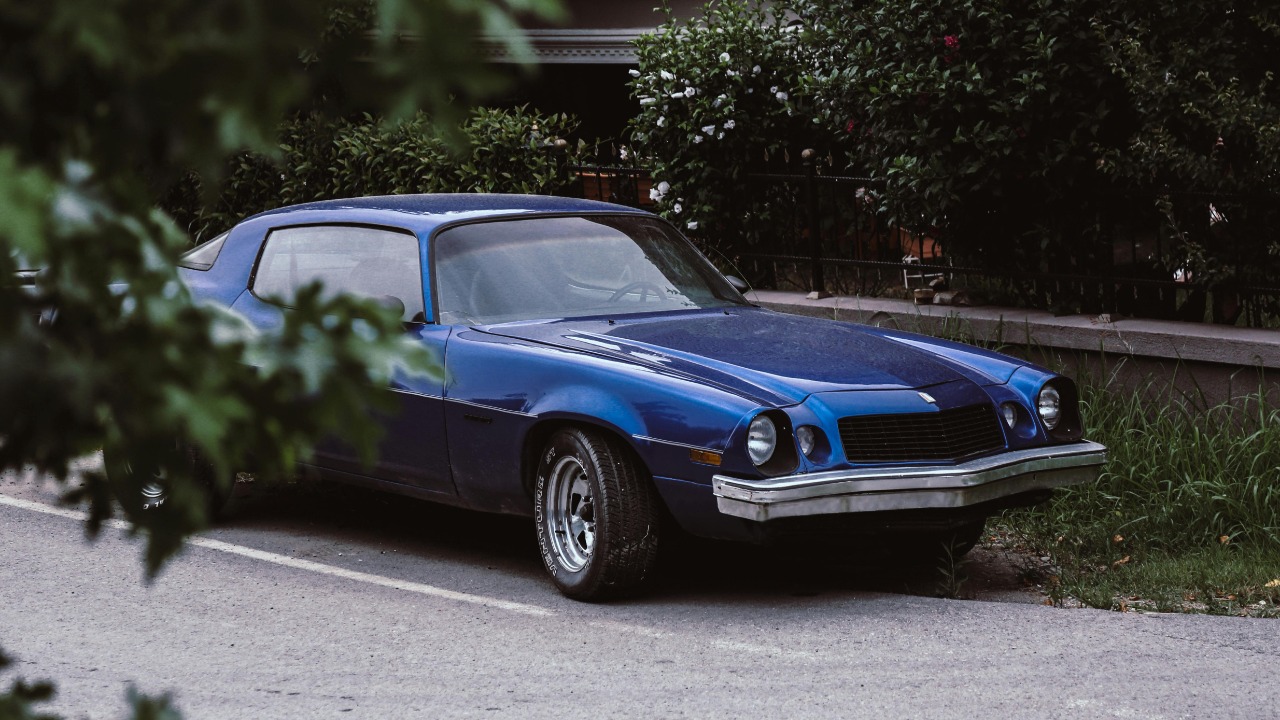
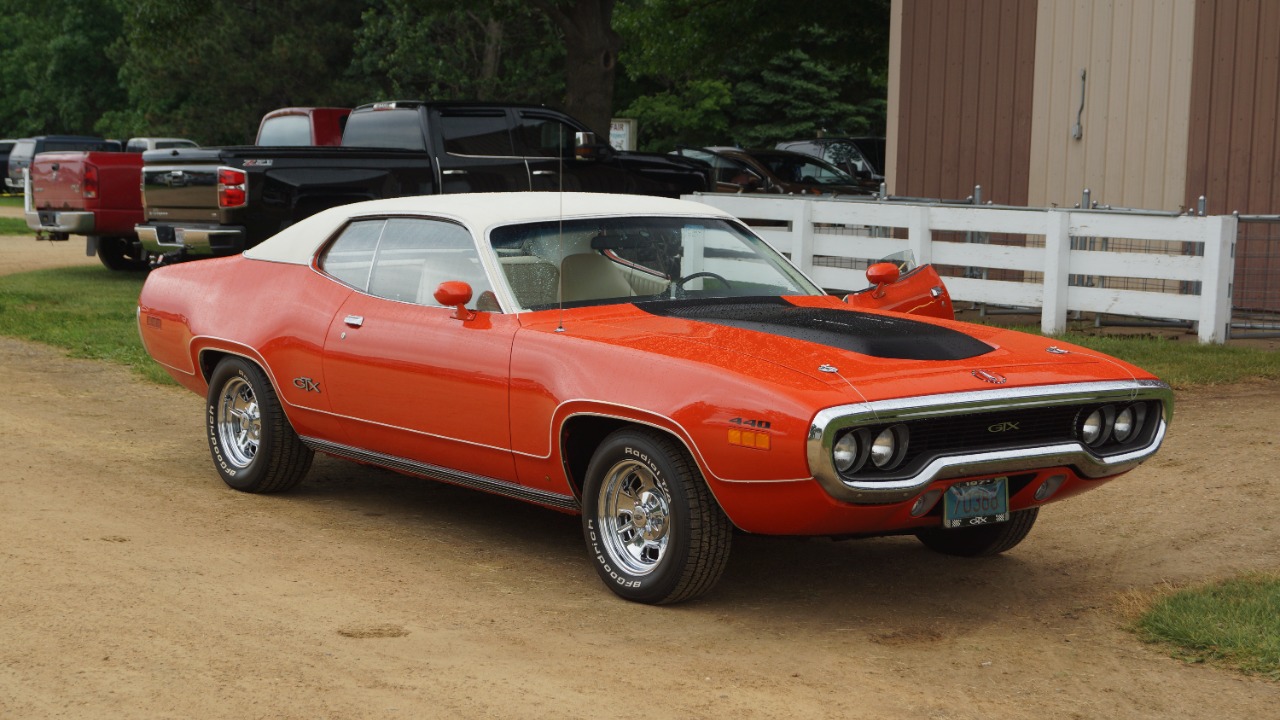
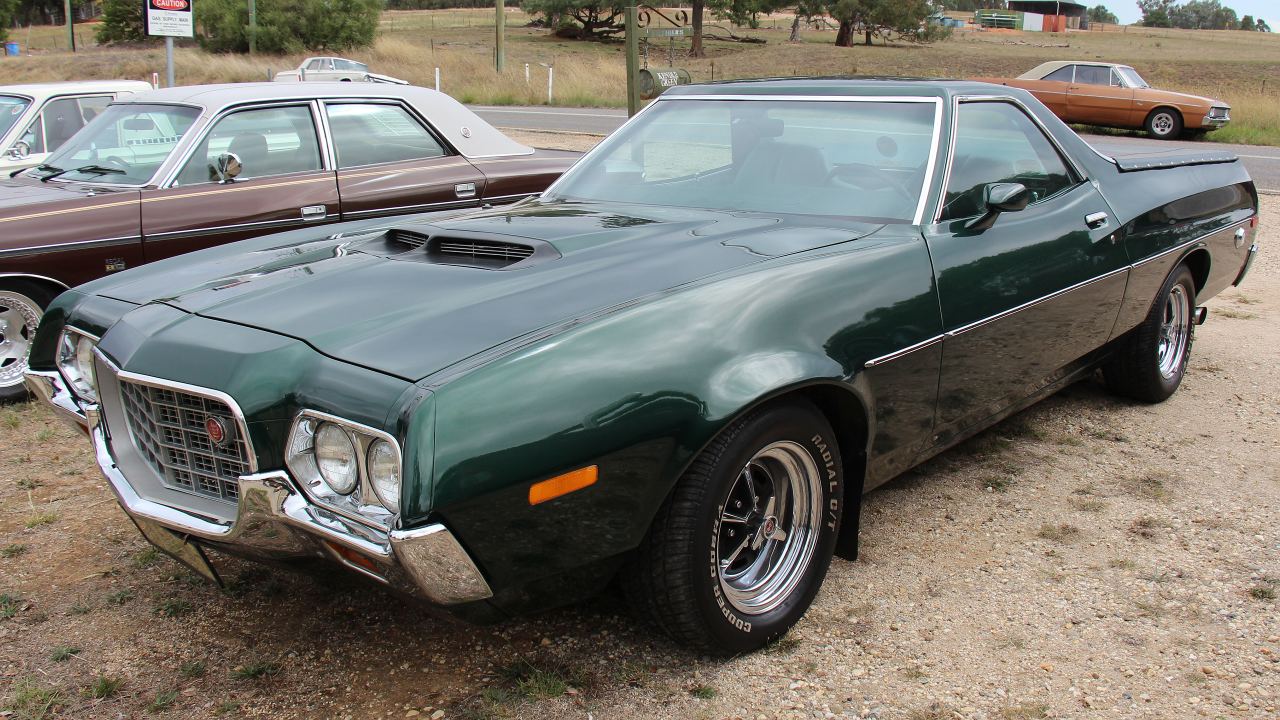
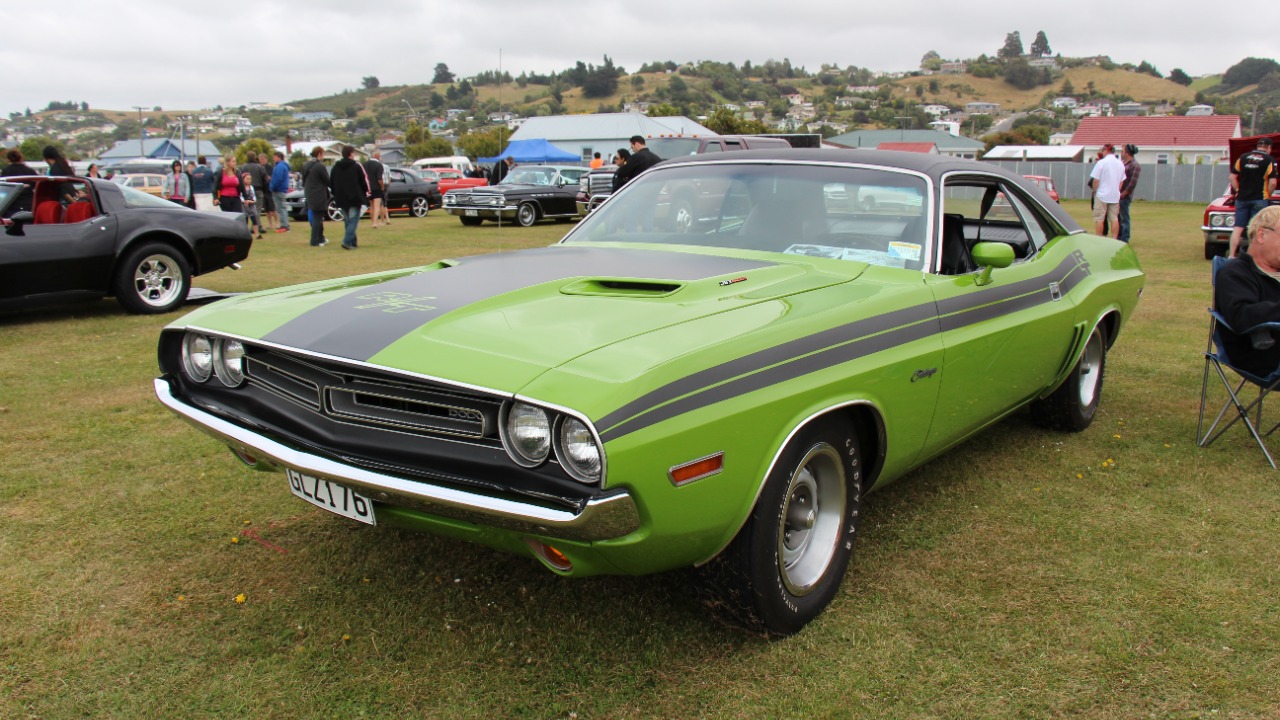
That shift is especially clear when comparing older muscle coupes to today’s lighter platforms. Where heavy sedans and coupes anchored by big engines once dominated the conversation, the spotlight is now on smaller cars that can change direction quickly and communicate clearly through the steering wheel. The emphasis on agility over sheer mass means buyers can access serious capability without paying for oversized engines or complex all-wheel-drive systems, a trade-off that keeps prices in check while still satisfying enthusiasts who care more about corner speed than straight-line bragging rights.
Hot compacts and the everyday sports car
Compact performance cars have become the backbone of the attainable enthusiast market, blending practicality with genuine pace. Lists of the cheapest sports cars of 2025 put models like the 2025 Honda Civic and 2025 MAZDA MX-5 Miata alongside the MINI Hardtop 4 Door and Toyota GR86, underscoring how varied the segment has become. The Honda Civic in its performance trims offers turbocharged punch and sharp responses, while the MAZDA Miata remains a benchmark for lightweight rear-drive fun, and the MINI Hardtop 4 Door adds a dose of practicality to its playful chassis.
These cars succeed because they do not force buyers to choose between daily usability and weekend thrills. A Toyota GR86 can carry a set of track tires in the back and still handle commuting duty, while a MINI Hardtop 4 Door can haul friends yet feel eager on a back road. By packaging performance into familiar, compact footprints, manufacturers are lowering the barrier to entry for enthusiasts who need one car to do it all, and the presence of models like the Miata and Civic on affordability rankings confirms that this formula resonates with cost-conscious drivers.
Hyundai Elantra N and the rise of sleeper sedans
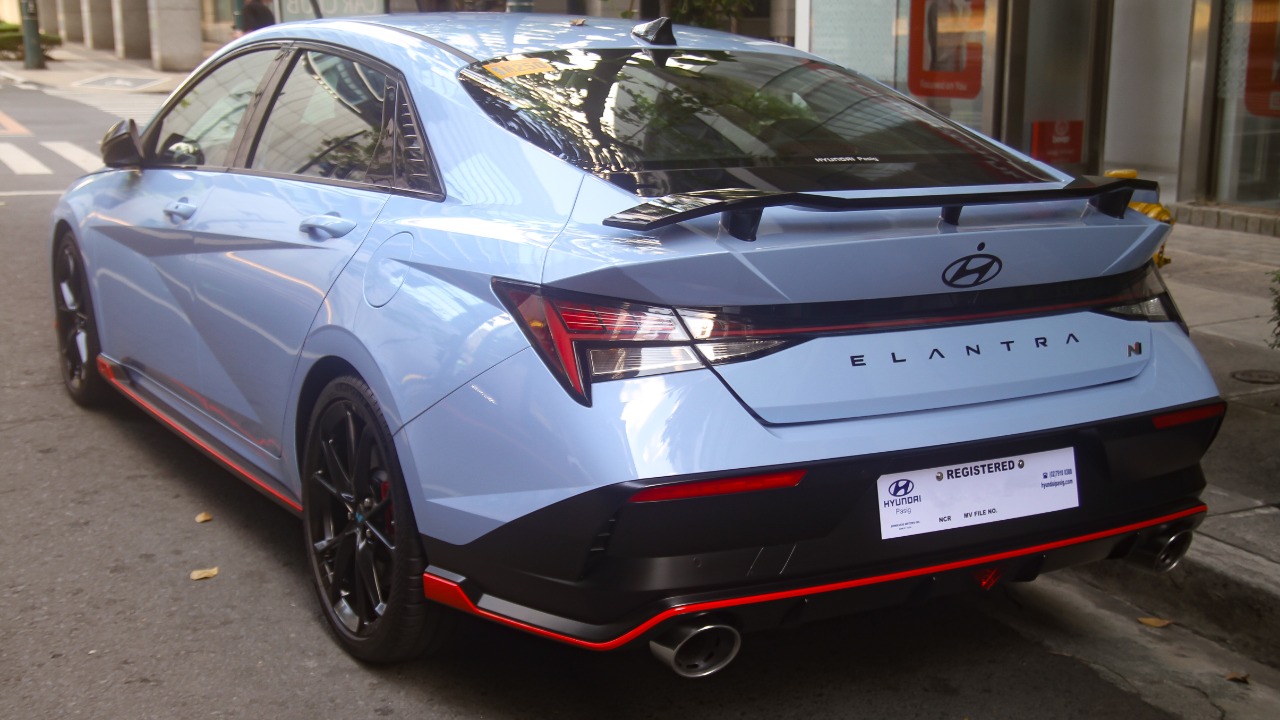
Among the most intriguing entrants in the value performance space are the so-called sleeper sedans, cars that look like ordinary commuters but hide serious hardware. The Hyundai Elantra N is a prime example, taking the humble Hyundai Elantra and transforming it into a sharp front-wheel-drive sport sedan with aggressive tuning and track-ready features. Reporting on Hyundai Elantra N performance notes that Hyundai’s N division has built one of the sharpest front-drive sedans on the market, with power, chassis tuning, and driver aids that clearly separate it from a standard commuter car.
The appeal of the Elantra N and similar sedans lies in their dual personality. On the surface, they offer four doors, usable rear seats, and the kind of comfort and tech expected from a modern compact sedan. Underneath, they pack uprated engines, stiffer suspensions, and performance-focused electronics that let them punch far above their price class on a twisty road or track day. This sleeper approach allows buyers to enjoy serious performance without the visual drama or insurance penalties that often accompany traditional sports cars, making them a rising force in the cheap-speed conversation.
Market pressure, Electric Vehicles, and the hunt for value
Even as these cars gain traction, the broader market context is working against affordability. Analysts and commentators have pointed out that certain models are driving up transaction prices across ALL VEHICLES, with manufacturers responding to demand by pushing higher trims and more expensive configurations. One widely shared breakdown of how these cars are driving up prices argues that Electric Vehicles in particular have reshaped pricing strategies, encouraging brands to hike MSRPs substantially across all vehicle manufacturers and narrowing the gap between entry-level and premium offerings.
For performance shoppers, that inflation means the definition of “cheap” is shifting upward, and the window for sub-$40,000 or sub-$50,000 fun is under pressure. As Electric Vehicles absorb more R&D and marketing attention, internal-combustion performance cars risk becoming niche products, which can further push prices up. The result is a market where enthusiasts must look harder for value, often gravitating toward lightly disguised performance trims of mainstream models or older-school sports cars that have not yet been swept up in the pricing tide driven by EV-focused strategies.
Cheapest supercars and the halo effect
At the top of the performance pyramid, even the idea of an “affordable” supercar is evolving. While true exotics remain out of reach for most buyers, a new tier of relatively accessible supercars is influencing expectations lower down the ladder. Coverage of the cheapest supercar segment highlights machines that deliver blistering acceleration and razor-sharp handling, offering a driving experience that rivals more expensive exotics while still being framed as attainable for a subset of buyers.
These entry supercars act as halo products, setting benchmarks for power, grip, and technology that trickle down into cheaper models. When a relatively accessible supercar offers track-ready aerodynamics and advanced driver modes, buyers start to expect similar sophistication in cars that cost half as much. That halo effect helps explain why compact coupes and sedans now boast features like adaptive dampers, configurable drive settings, and high-performance tires, all in the name of bringing a taste of supercar theater to the cheap-performance end of the market.
Rising Stars thinking and the next wave of cheap speed
The evolution of affordable performance is not just about hardware, it is also about the people and strategies behind the scenes. In other industries, recognition programs such as Rising Stars 2025 spotlight innovators who are reshaping their fields, and the same mindset is increasingly visible in automotive performance divisions. A profile of Rising Stars highlights figures like Parker Malone of Equinor Ventures and Yuko Masuda of Marubeni Power, whose work in energy and technology underscores how cross-industry innovation can influence everything from powertrains to materials in the automotive world.
As automakers chase efficiency, performance, and lower emissions, they are increasingly drawing on the kind of venture-backed thinking exemplified by Parker Malone and Yuko Masuda, blending traditional engineering with new approaches to software, electrification, and lightweight components. That cross-pollination is likely to shape the next generation of cheap-performance cars, whether through more efficient turbocharged engines, hybrid-assist systems that boost acceleration without massive fuel penalties, or smarter chassis electronics that make even modestly powered cars feel more engaging. For enthusiasts watching the budget end of the market, the real rising stars may be the engineers and strategists who find ways to keep performance accessible in an era of rising costs and rapid technological change.


Leave a Reply