
Used SUVs with real staying power now attract a following that looks more like a fan club than a classifieds search. Buyers chase specific nameplates and years because they want a truck that starts every morning, shrugs off mileage, and holds value when the next life stage arrives.
That cult status does not come from marketing slogans. It grows from owners who watch odometers roll past 200,000 miles, from mechanics who see the same models avoid big failures, and from data that keeps putting the same brands at the top of reliability charts.
Why some used SUVs inspire near‑fanatic loyalty
Reliability cults usually start with a simple pattern, the vehicle does not break and it does not cost much to keep on the road. Enthusiasts repeat that story until certain SUVs become the default answer for anyone who wants a family hauler that will not quit. One popular video framed it bluntly, some cars are “too good,” because they rarely fail, stay cheap to maintain, and easily run past high mileage, a description that fits the most durable used SUVs that dealerships quietly dislike.
Owners then build a shared language around those trucks. They talk about specific engines, transmissions, and model years that feel nearly unkillable. That pattern matches broader research on long lasting vehicles, which highlights Strong Engines and durable Transmissions with Proven powertrains that stay in service for decades as the core ingredient. When a used SUV carries that kind of mechanical pedigree, word of mouth does the rest.
The brands that dominate reliability rankings
Brand reputation still shapes the used SUV market more than any single model year. Shoppers who want a safe bet often start with the badges that keep topping reliability studies. One major survey of 26 brands placed Lexus and Toyota at the head of the pack, with Mazda in third and All three holding commanding positions in the ranking. That kind of consistency explains why used Lexus crossovers and Toyota SUVs often sell quickly even with higher mileage and firm prices.
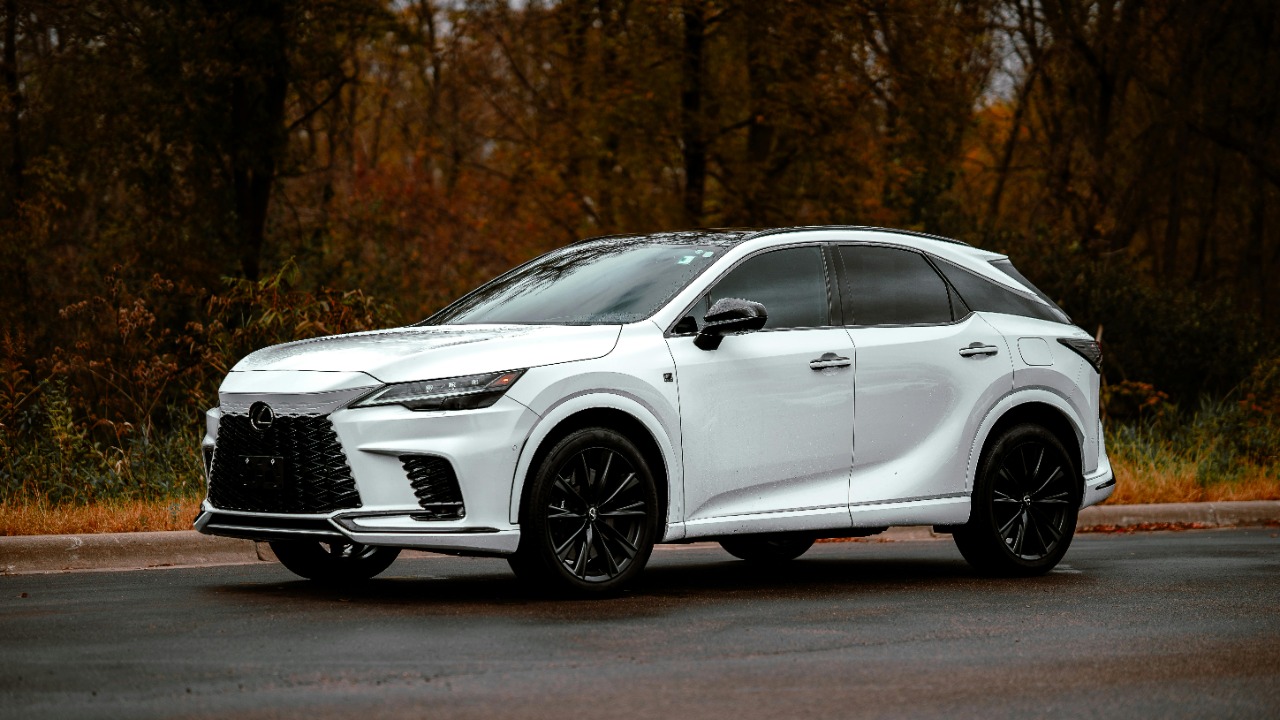
Longer term studies of SUV durability tell a similar story. A decade focused review found that Lexus ranked highest for the third year in a row, with Toyota also landing in the top three brands for SUV reliability. That track record feeds the cult around models like the Lexus RX and Toyota 4Runner, which often command premiums on the used market because buyers trust the badge as much as the odometer reading.
The specific used SUVs earning cult status
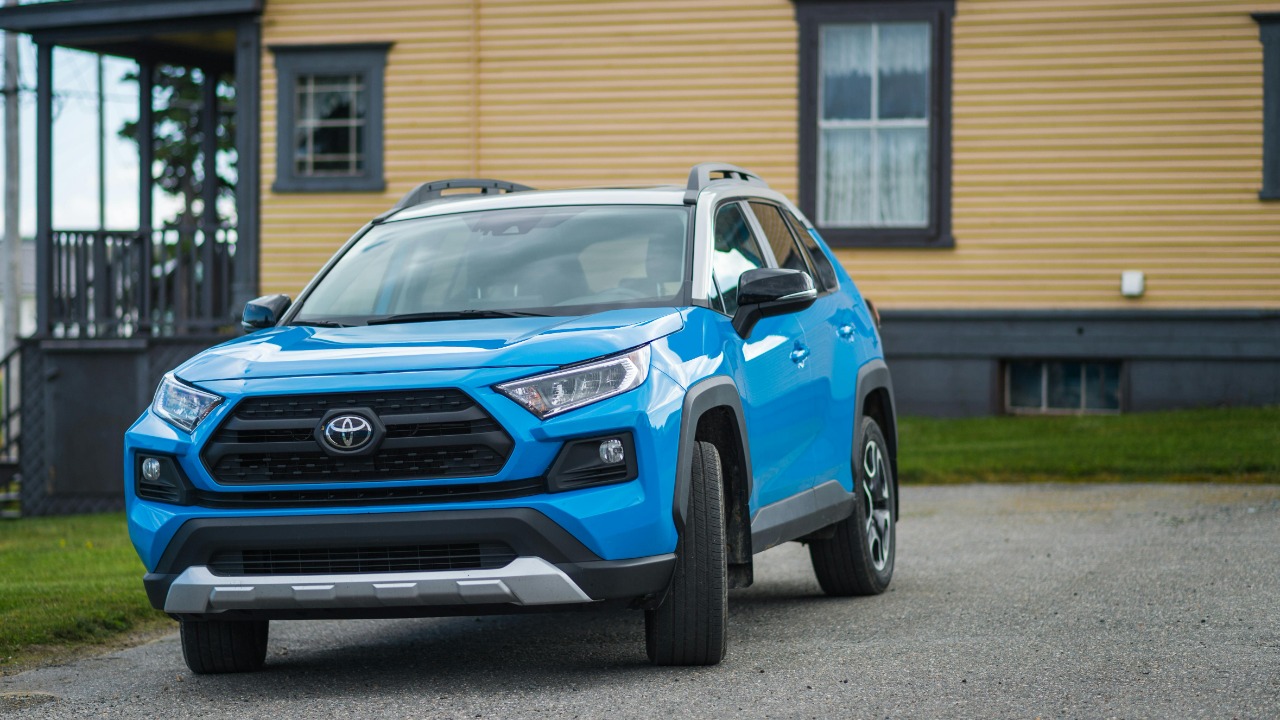
Within those trusted brands, certain SUVs now carry almost mythic reputations. The Toyota RAV4 stands out as a prime example. One detailed guide to dependable pre owned SUVs noted that Each generation of the Toyota RAV4 consistently ran with minimal drama while offering a long list of standard features. That mix of low stress ownership and everyday practicality helps explain why older RAV4 models often sell fast even when they lack the latest tech.
Other nameplates have built similar followings by pairing stout hardware with simple designs. Analysts who track longevity point out that many of the longest lasting vehicles lean on Simplicity in their engineering. While modern vehicles keep adding complex electronics, the SUVs that rack up huge mileage often use proven components that withstand wear and tear better. That philosophy shows up in body on frame stalwarts like the Toyota 4Runner and Lexus GX, which rely on established V6 engines and conventional automatic gearboxes rather than chasing cutting edge powertrains.
How buyers actually hunt for “won’t quit” SUVs
Data and badges only tell part of the story. Real world buyers still turn to informal networks when they want a used SUV that will not strand them. One widely shared discussion on a car advice forum captured that mindset when a driver asked for “a reliable used SUV that will not quit.” The top reply suggested hunting for “meemaws old boat” that stayed garage kept, saw only 3,000 miles a year, and never went over 50 mph, a vivid reminder that condition matters as much as nameplate, as seen in that Oct thread.
Shoppers who want more structure often combine that kind of anecdotal wisdom with curated lists of dependable models. One ranking of the most reliable used SUVs stressed that a dependable vehicle reduces costly repairs and lowers total ownership cost. That analysis also highlighted how towing needs, cabin space, and fuel economy should shape the search. The cult favorites tend to check all of those boxes while still delivering the low drama ownership that keeps their reputations strong.
Why some surprising SUVs are joining the reliability club
Not every SUV with a loyal following wears a conservative badge. A few premium models have started to earn respect among used buyers who value comfort but still want durability. One guide to value focused pre owned SUVs pointed to the 2019 Land Rover Range Rover as a noteworthy option when buyers balance luxury with lasting quality. That recommendation reflects a broader shift, some higher end SUVs now pair strong engineering with better support, which helps them stay on the road longer than their reputations once suggested.
After sales support plays a quiet but crucial role in that shift. Owners who receive consistent service and clear communication tend to stay loyal and speak highly of their vehicles. One analysis of dealership operations noted that Satisfied customers are more likely to become loyal patrons, and that strong service can significantly enhance a company’s reputation. When that support extends into the used market, it helps certain SUVs shed old stereotypes and build new, more positive cults around long term ownership.
What truly separates the forever SUVs from the rest
Underneath the badges and anecdotes, the most durable SUVs share a few technical traits. They rely on powertrains that engineers and mechanics know inside out, often carried over across multiple generations. Analysts who study lifetime vehicles emphasize that Proven powertrains with Strong Engines and robust Transmissions form the backbone of cars that last decades. When an SUV uses that kind of hardware, owners can expect predictable maintenance rather than surprise failures.
Design philosophy matters just as much. Vehicles that avoid unnecessary complexity often age more gracefully, because fewer parts can fail and repairs stay straightforward. Research into the longest lasting models notes that While many new cars grow more complex, those that prioritize Simplicity and robust components tend to withstand wear and tear better. The used SUVs that earn cult status usually follow that formula, pairing sturdy mechanicals with enough comfort and tech to feel modern, but not so much that every repair requires a specialist.

Leave a Reply