
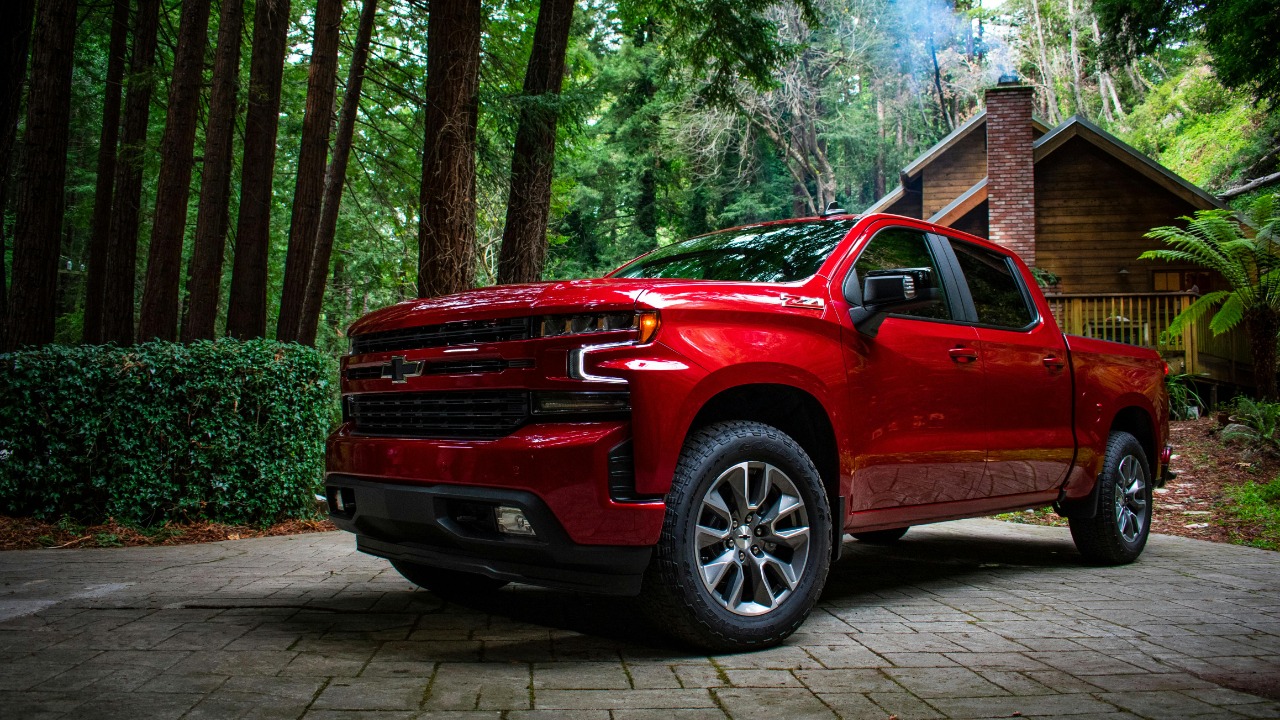
Pickup buyers face higher prices, tighter credit, and a market where flashy tech often hides long-term costs. In that environment, aging trucks, especially well-kept half-ton and three-quarter-ton models, increasingly look like the smartest way to get capability without financial strain.
Shoppers who once defaulted to factory-fresh rigs now weigh durability, depreciation, and repairability more heavily than touchscreen size. That shift favors older trucks that combine proven hardware with manageable ownership costs, even if they lack the latest digital polish.
Economic pressure pushes buyers toward older metal
Household budgets sit under strain from higher interest rates and rising living costs, so buyers scrutinize every truck payment. Many drivers now stretch the life of their current vehicle or target used inventory instead of signing up for a premium-priced new model. Analysts describe how economic pressures reshape how consumers buy, with more owners choosing to maintain an existing vehicle rather than purchase a new one.
That behavior change directly benefits aging trucks that still have solid frames and drivetrains. Instead of chasing the latest trim package, shoppers look for reliable workhorses that can tow, haul, and commute without wrecking their monthly budget. As more consumers delay new purchases, the pool of older trucks on the road grows, and those vehicles gain value as practical, budget-conscious choices rather than stopgaps.
Depreciation math favors used trucks
Depreciation quietly erodes the value of a new truck from the moment it leaves the lot. Buyers who focus on long-term cost increasingly recognize that the steepest value drop hits in the first years of ownership. Analysts comparing new and used models highlight that a used truck carries lower depreciation than a basic new model, which means owners lose less value each year they drive it.
That dynamic turns aging trucks into financial sweet spots. A five to ten year old pickup has already absorbed the worst of its depreciation curve, yet it often retains strong mechanical life and capability. Buyers can redirect the savings from avoided depreciation into maintenance, upgrades, or even a shorter loan term, which reduces interest costs and risk. For many households, that arithmetic makes a well-kept used truck a smarter asset than a heavily financed new one.
Durability and simplicity keep older trucks working
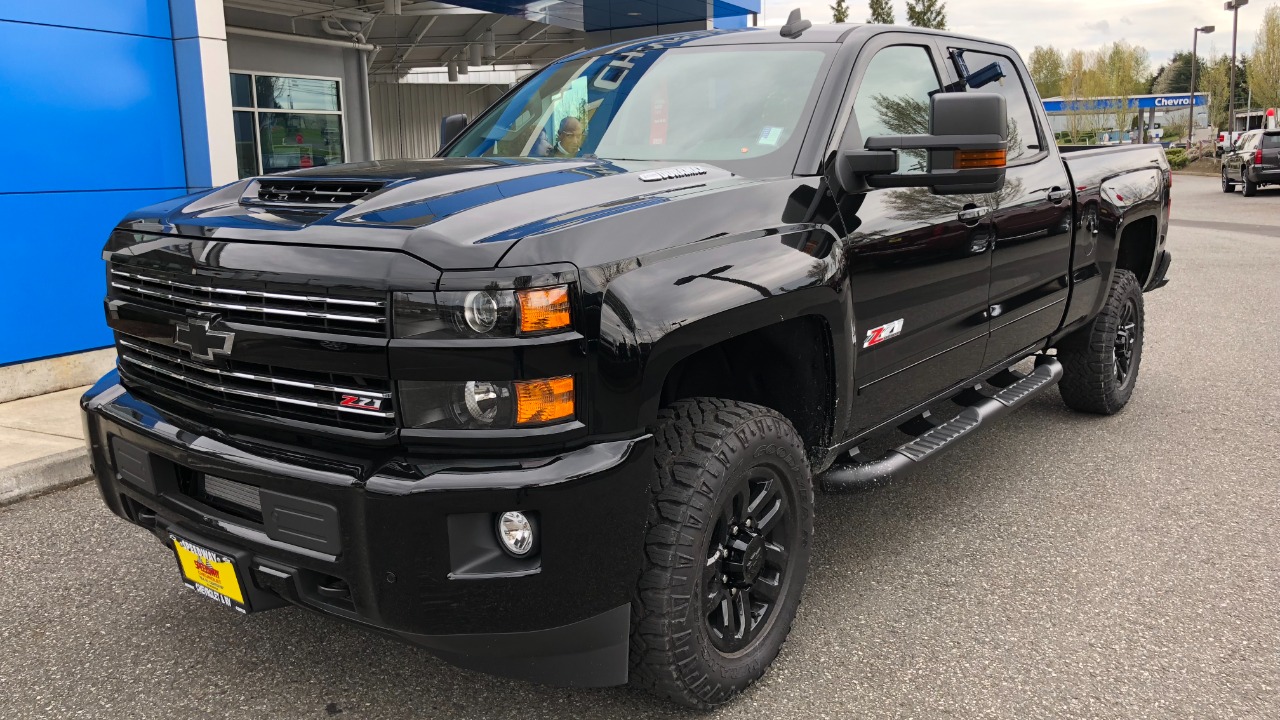
Longevity gives older pickups an edge that spec sheets rarely capture. Many legacy models rely on robust frames, straightforward suspensions, and engines tuned for durability rather than marginal efficiency gains. Enthusiasts and dealers point to older Silverado 1500, 2500, and 3500 trucks that use durable materials and simple mechanical systems, which helps them stay on the road after decades of use.
That kind of design philosophy appeals to buyers who value reliability over novelty. A 2010s Chevrolet Silverado 2500 with a proven V8 and conventional automatic transmission offers fewer complex subsystems than some newer turbocharged or hybrid setups. Owners can often diagnose issues more easily, find independent shops willing to work on them, and avoid the downtime that comes with specialized electronic failures. In daily life, that simplicity translates into trucks that start, haul, and tow with minimal drama, even as odometers climb.
Parts networks turn aging trucks into long-term bets
As the national vehicle fleet grows older, parts suppliers and dealers adjust their strategies to serve that reality. Instead of focusing only on new-vehicle buyers, manufacturers and retailers invest in systems that keep high-mileage trucks running. Analysts describe how the rise of aging vehicles could mean new opportunities for OEM parts dealers, especially when parts departments connect more directly with service customers who want to avoid buying new vehicles.
That shift strengthens the case for keeping an older truck in service. When original equipment manufacturers prioritize parts availability for aging models, owners gain confidence that they can source critical components without resorting to salvage yards. Digital catalogs, dealer-to-dealer networks, and improved logistics shorten repair times and reduce the risk that a broken component will sideline a truck for weeks. For buyers evaluating a ten year old pickup, a robust parts ecosystem turns a potential liability into a manageable maintenance plan.
Why aging trucks now look like smart technology choices
Technology once drove buyers toward new trucks, but the equation has changed. Many drivers now see value in vehicles that balance essential safety and connectivity with hardware that technicians can service for years. Analysts note that while the auto industry has largely rebounded, consumers still weigh long-term ownership costs and reliability more heavily than optional tech features.
Older trucks often hit that sweet spot. A 2014 Ford F-150 or 2016 Ram 1500 can offer Bluetooth, backup cameras, and modern safety basics without the dense layers of driver-assistance software that complicate repairs. Owners can add navigation, smartphone integration, or advanced audio through aftermarket systems that cost far less than a new-vehicle technology package. In practice, that approach lets buyers enjoy useful tech while keeping the underlying truck straightforward and serviceable.
How buyers can shop smarter for aging trucks
Shoppers who want to capitalize on the value of older pickups need a disciplined approach. The smartest buyers start with a clear budget, then target specific model years and drivetrains known for durability rather than chasing the lowest advertised price. They also factor in the lower depreciation that a used truck typically delivers, which helps them justify paying more for a well-documented service history or a one-owner vehicle.
Inspection strategy matters just as much as model choice. Buyers should prioritize trucks with maintenance records, clean structural reports, and engines that match their towing or payload needs. They can then lean on the growing ecosystem that supports older vehicles, including the OEM parts channels built around aging vehicles and independent shops that specialize in legacy platforms. When buyers combine that groundwork with realistic expectations about maintenance, an aging truck stops looking like a compromise and starts to resemble a calculated, long-term investment.

Leave a Reply