
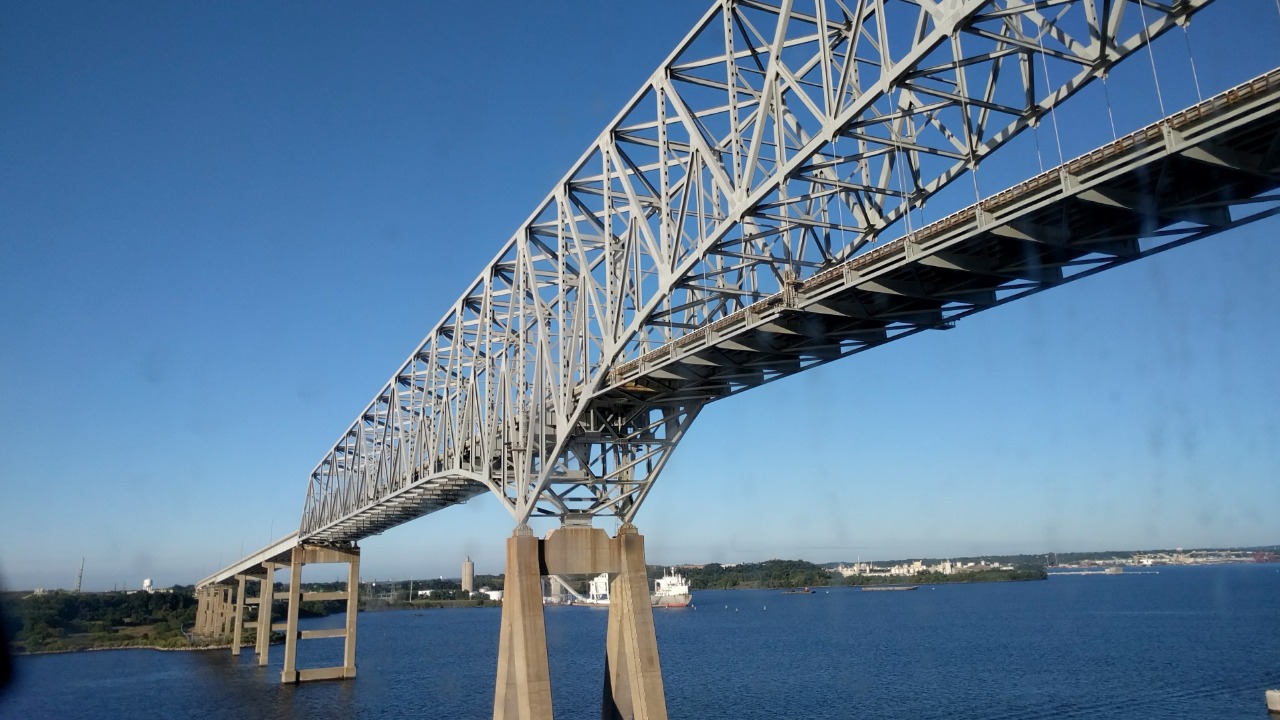
America’s most vulnerable bridges now sit at the center of a national reckoning over safety, reliability, and economic risk. Years of deferred maintenance, rising traffic, and aging concrete have pushed thousands of spans to the brink, and the worst of them are finally drawing money, engineering talent, and political focus. The question is whether that attention arrives fast enough to match the scale of the problem.
Drivers, freight haulers, and river communities feel the strain every day as closures, weight limits, and detours reshape local life. Engineers warn that the country cannot treat each failing bridge as an isolated emergency, because the numbers show a systemic crisis that demands sustained investment, not one-off fixes.
The scale of America’s bridge problem
Federal data shows a vast network under stress, with more than 617,000 bridges spread across the United States. Currently, 42% of all bridges are at least 50 years old, which means many structures now operate beyond their original design life. That age profile leaves transportation agencies juggling constant inspections, emergency repairs, and politically painful closures.
New research deepens the concern, with an analysis from the American Road & Transportation Builders Association finding nearly 221,800 bridges that need urgent repairs. According to that work, the backlog stretches from rural county spans to major interstate crossings, and it touches every region. The group, often shortened to ARTBA, frames the situation as a national safety and mobility challenge rather than a series of local headaches.
Aging structures and rising risks
Engineers track a clear trend, because Bridges are also getting older even as traffic loads grow. In 1992, the average bridge age sat near 36 years, but Today that figure has climbed to about 46 years. That shift means more spans require intensive maintenance, strengthening, or full replacement at the same time, which strains budgets and construction capacity.
Former officials warn that delays carry real consequences for safety and commerce. A former Secretary of Transportation has described how years of underinvestment can trigger sudden emergency closures that disrupt entire regions. Those shutdowns often hit freight corridors, school bus routes, and hospital access, which turns a technical maintenance issue into a community crisis. The warning underscores why agencies now treat aging bridges as front line infrastructure rather than background scenery.
High profile failures and hated chokepoints
Recent disasters have sharpened public focus on specific structures that symbolize the broader problem. In LANSING, Iowa, residents watched national coverage of a catastrophe in Baltimore, where a Francis Scott Key Bridge collapse followed a collision with a 95,000-ton cargo ship. Just as that tragedy highlighted vulnerabilities in one port city, it also prompted communities along the Mississippi and Ohio Rivers to question how their own aging crossings would handle similar shocks.
Not every notorious bridge fails, but some earn reputations as daily bottlenecks and safety worries. For decades, drivers cursed the Brent Spence Bridge that links Cincinnati Ohio and Covington Ke, where heavy truck traffic and narrow lanes created chronic congestion and anxiety. That span now sits at the center of a major upgrade plan that aims to separate local and through traffic, which shows how public frustration can eventually translate into large scale investment.
Federal money and the push to replace the worst

Washington has started to direct more funding toward the most critical and deteriorated bridges, often after headline grabbing failures. Earlier this year, federal officials announced support for projects in sixteen states, including a full rebuild of a key span in Maryland. State leaders there estimate that reconstruction could take four years and cost up to $1.9 billion, which illustrates the scale of modern bridge megaprojects.
Some of the new grants target long neglected river crossings that carry interstate commerce and local commuters. Federal support now reaches structures that connect industrial towns with neighboring states, such as spans linking Ohio with East Steubenville, West Virginia, which long operated under weight limits. Those investments signal that the worst rated bridges no longer sit at the back of the line, even if thousands of smaller structures still wait for attention.
Local closures, ripple effects, and state priorities
Communities feel the crisis most acutely when inspectors shut down a failing span and traffic patterns change overnight. When local officials close a bridge because of safety concerns, detours can stretch commutes, isolate neighborhoods, and cut off small businesses from customers. When
Thousands of smaller bridges in rural counties also sit in poor condition, even if they rarely make national news. Thousands of closures or weight restrictions can force farmers, school districts, and emergency responders to drive long detours that raise costs and response times. Those local impacts often push state legislatures to raise fuel taxes or bond funding, even when voters remain skeptical of large infrastructure bills.
Which states have the worst bridges
Some states face especially severe challenges because of older networks, heavy freight traffic, or harsh weather. Analysts often point to Midwestern and Northeastern states where freeze thaw cycles and deicing salts accelerate deterioration. One recent review highlighted the U.S. Highway 67 bridge, which spans the Mississippi River and has drawn scrutiny for its condition and importance to regional travel.
States with large rural road networks also struggle because they must maintain thousands of low traffic bridges that still play vital roles for local economies. Those spans often carry farm equipment, logging trucks, and school buses, yet they compete for funds with urban interstates that move far more vehicles. The tension between high volume corridors and lifeline rural routes shapes every debate over which bridges count as the worst and which deserve priority funding.
Repair versus replacement: hard choices on design and cost
Transportation agencies rarely face simple decisions when they evaluate a deteriorated bridge. Typically, engineers find that it can be more cost effective to repair a bridge rather than replace it, especially when foundations and piers remain sound. That approach stretches limited dollars, but it can also lock in outdated designs that struggle with modern traffic volumes and safety standards.
Some projects now tilt toward full replacement because communities want wider lanes, better bike access, and seismic resilience. The new Black Hawk Bridge in the Upper Midwest, for example, reflects a shift toward modern standards that anticipate heavier trucks and more extreme weather. Those choices cost more upfront but can reduce maintenance needs and closures over the long term, which appeals to both freight carriers and local residents.
Lessons from past collapses and the politics of urgency
History shows that deadly failures often spur short bursts of investment that fade once headlines move on. After a major interstate bridge collapse in the late 2000s, state lawmakers and governors briefly elevated bridge repair programs and accelerated inspections. Analysts later noted that state funding efforts, combined with a greater emphasis on bridge needs since the collapse, helped reduce some of the worst backlogs even as federal interest continued to lag.
Advocates now argue that the country must avoid another cycle of panic and neglect. They call for steady, predictable funding streams that let agencies plan multi year programs instead of scrambling after each crisis. That approach would align with the growing recognition that the worst bridges, from river crossings to urban interchanges, represent a shared national responsibility rather than isolated local liabilities.
Communities, commerce, and the road ahead
Local economies depend on reliable crossings for everything from daily commutes to cross country freight. When a key bridge closes or restricts heavy trucks, warehouses reroute shipments, factories adjust schedules, and families rethink where they live and work. Those disruptions highlight why infrastructure debates now feature chambers of commerce, labor unions, and neighborhood groups alongside engineers and planners.
City leaders also recognize that bridges shape more than traffic patterns. Iconic spans can anchor waterfront redevelopment, connect parks, and support transit lines, while neglected structures can divide neighborhoods and depress property values. As federal, state, and local officials focus on the worst bridges, they face a broader choice about whether to simply patch aging concrete or to build safer, more resilient connections that match the country’s economic ambitions.
Unverified based on available sources.
Additional bridge data from national mapping tools helps residents visualize which crossings near them carry the highest risk. Similar platforms, such as regional infrastructure viewers and local bridge maps, give communities new tools to press for action. As more residents see the condition ratings and traffic counts for the structures they cross every day, pressure will likely grow on elected leaders to keep the country’s most fragile bridges at the top of the agenda.





Leave a Reply